Electromagnetic Hypersensitivity — Explained by Medical Evidence, Not Myths

Electromagnetic hypersensitivity refers to a pattern of symptoms attributed to EMF exposure, but it is not a formally established medical diagnosis caused by EMFs. Symptoms may include headache, fatigue, dizziness, poor concentration, sleep problems, and skin discomfort.
Key Takeaways
- Electromagnetic hypersensitivity refers to a pattern of symptoms attributed to EMF exposure, but it is not a formally established medical diagnosis caused by EMFs.
- Symptoms may include headache, fatigue, dizziness, poor concentration, sleep problems, and skin discomfort.
- Medical assessment is important to look for treatable causes such as migraine, anxiety, sleep disorders, skin conditions, or thyroid problems.
- Management usually focuses on symptom tracking, stress reduction, sleep improvement, and treatment of any underlying condition.
- Red-flag symptoms such as chest pain, fainting, weakness, or sudden severe headache need prompt medical attention.
Electromagnetic hypersensitivity is a term people use when they experience symptoms they believe are linked to electromagnetic fields, such as those from phones, Wi-Fi, or electrical devices. Current medical evidence shows the symptoms are real, but studies have not consistently confirmed EMF exposure itself as the cause, so evaluation focuses on ruling out other health conditions and supporting symptom relief.
Overview: what electromagnetic hypersensitivity means
Electromagnetic hypersensitivity is a term used when a person develops symptoms that they believe are triggered by exposure to electromagnetic fields (EMFs). These fields come from many everyday sources, including mobile phones, Wi-Fi routers, computers, power lines, and household electrical systems. People may notice symptoms in certain environments and feel better when they move away from the suspected source.
Medical evidence does not currently show a clear, consistent causal link between normal environmental EMF exposure and these symptoms. In controlled studies, many people who report electromagnetic hypersensitivity have not been able to reliably tell when EMFs are present. For that reason, many experts use terms such as idiopathic environmental intolerance to describe the condition without assuming a proven cause.
This does not mean the symptoms are imagined or unimportant. The symptoms can be distressing and can interfere with sleep, work, and daily life. A patient-centered approach takes the symptoms seriously, looks for other possible explanations, and offers practical ways to reduce their impact.
Symptoms people may notice
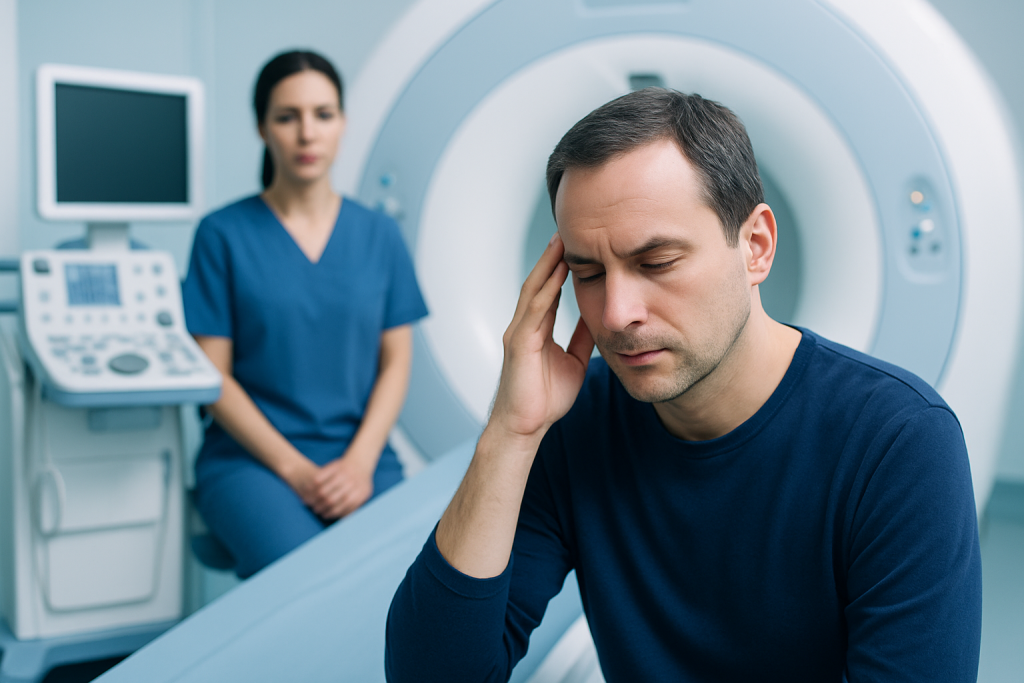
There is no single symptom pattern that defines electromagnetic hypersensitivity. Reported symptoms vary from person to person and may range from mild to disruptive. Some people notice symptoms within minutes of entering a certain environment, while others describe more gradual discomfort.
Commonly reported symptoms include:
- Headache or a feeling of pressure in the head
- Fatigue or low energy
- Dizziness or lightheadedness
- Difficulty concentrating or “brain fog”
- Sleep disturbance or insomnia
- Tingling, burning, or warmth sensations in the skin
- Eye strain
- Palpitations or awareness of the heartbeat
- Irritability, anxiety, or feeling unwell in certain settings
These symptoms are not specific to EMF exposure. They can also occur with common conditions such as migraine, tension-type headaches, sleep deprivation, stress, dry eyes, skin sensitivity, medication effects, and mood disorders. This is why careful medical evaluation is more helpful than assuming one cause too early.
Keeping a symptom diary may help identify patterns. Sometimes the trigger is not the device itself but a related factor, such as poor posture while using screens, bright light exposure, noise, indoor heat, or worry about possible harm.
What medical evidence says about EMFs and symptoms

The scientific question is not whether the symptoms are real, but whether typical everyday EMF exposure causes them. Research has examined this for years using observational studies and blinded provocation studies, where participants are exposed to real or sham EMFs without knowing which is which. Overall, these studies have not consistently shown that people with electromagnetic hypersensitivity can detect EMF exposure better than chance or that exposure reliably triggers symptoms.
That finding matters because expectation, stress, and environmental discomfort can strongly influence how symptoms are experienced. In medicine, symptoms can be real and intense even when the suspected trigger is not the direct biological cause. This is seen in many conditions where the body and brain respond to multiple factors at once, including poor sleep, chronic stress, pain sensitivity, and heightened attention to bodily sensations.
Normal daily EMF exposure from consumer devices is also usually far below international safety limits. This does not rule out a person feeling worse around devices, but it suggests the explanation may be more complex than electromagnetic exposure alone. A balanced medical approach avoids myths in either direction: it neither dismisses the patient nor claims a proven EMF cause that science has not confirmed.
Possible explanations and risk factors
Several factors may contribute to symptoms attributed to electromagnetic hypersensitivity. One possibility is an underlying health condition that has not yet been recognized. Headache disorders, vestibular problems, thyroid disease, anemia, medication side effects, anxiety, depression, skin conditions, and chronic sleep problems can all cause symptoms that overlap with EMF-related complaints.
Environmental and behavioral factors can also play a role. Long hours on digital devices may lead to neck strain, blue-light exposure at night, eye fatigue, and sedentary habits. Warm rooms, poor ventilation, workplace stress, and noise may worsen symptoms and create an impression that one specific device is responsible. In some people, symptom anticipation itself can intensify physical discomfort.
Risk may be higher in people who already have chronic pain, stress-related symptoms, insomnia, or frequent headaches. Those with known neurological symptoms may need assessment for disorders such as epilepsy or other brain and nervous system conditions, depending on the pattern of symptoms. The goal is not to label every symptom as psychological, but to look broadly for reversible contributors.
How doctors evaluate electromagnetic hypersensitivity
Evaluation begins with a detailed history. A doctor will ask what symptoms occur, when they started, how long they last, and what seems to trigger or relieve them. They may also ask about sleep, mood, work environment, screen time, caffeine use, medications, recent illness, and any concerns about specific devices or places.
A physical examination helps look for clues to other conditions. Depending on the symptoms, tests may include blood work to check for anemia, thyroid problems, vitamin deficiencies, or inflammation. If headaches, dizziness, fainting, or neurological changes are prominent, a doctor may recommend additional assessment by a neurologist and, when appropriate, studies such as electroencephalography (EEG) or MRI.
Doctors do not usually diagnose electromagnetic hypersensitivity with a single test, because no validated diagnostic test confirms it. Instead, the process focuses on excluding other illnesses and identifying symptom patterns. This is especially important when symptoms are severe, progressing, or associated with warning signs.
For people whose main problem is sleep disturbance, an evaluation for a sleep disorder may be useful, and some patients may benefit from a sleep study if clinically indicated. The best care plan is individualized and based on the person’s symptoms rather than on assumptions alone.
Treatment options and practical management
There is no single proven treatment for electromagnetic hypersensitivity itself, because EMFs have not been established as the direct cause. Treatment is therefore aimed at reducing symptoms, improving function, and managing any underlying condition found during evaluation. This often brings more relief than focusing only on avoiding devices.
Helpful approaches may include treating headache disorders, improving sleep habits, managing anxiety or stress, correcting vision or posture problems, and addressing skin conditions or medication side effects. For example, if symptoms turn out to be related to a chronic headache disorder, management may follow evidence-based care for migraine rather than an EMF-centered strategy.
General symptom-management steps can include:
- Regular sleep and wake times
- Reducing late-night screen exposure
- Frequent breaks from computers and phones
- Proper seating and screen ergonomics
- Hydration, regular meals, and physical activity
- Relaxation techniques, mindfulness, or counseling support when stress is a factor
Some people choose to reduce device exposure in ways that are practical and do not disrupt daily life, such as moving a router away from the bed or taking screen breaks. These steps may improve comfort, especially by helping sleep and reducing overstimulation, but extreme avoidance can sometimes increase anxiety and social limitation. If symptoms are persistent, a structured medical plan is more useful than repeated self-testing.
Self-care, prevention, and when to seek medical care
Self-care begins with observing patterns without jumping to conclusions. A diary that tracks symptoms, sleep, meals, stress, menstrual cycle if relevant, and device use can help reveal more than one trigger. Limiting long continuous screen sessions, using good lighting, keeping devices out of the bedroom when possible, and maintaining regular routines are sensible steps that support overall health whether or not EMFs are involved.
It is important to seek medical care if symptoms are new, frequent, worsening, or interfering with daily life. Prompt assessment is especially important for chest pain, fainting, shortness of breath, one-sided weakness, a seizure, sudden severe headache, new confusion, vision loss, or persistent palpitations. These symptoms should not be assumed to be due to electromagnetic exposure.
If standard evaluation does not identify a serious illness, follow-up can still help. Symptoms may improve over time with supportive care, treatment of contributing conditions, and reassurance based on medical evidence. Near the end of the care pathway, some patients benefit from coordinated assessment by neurology, internal medicine, sleep medicine, or mental health specialists.
For international patients who need further assessment, Acibadem International’s multidisciplinary specialists in JCI-accredited hospitals evaluate complex symptom patterns and arrange appropriate testing and treatment when needed.
Frequently asked questions
Is electromagnetic hypersensitivity a recognized medical disease?
Electromagnetic hypersensitivity is a commonly used term, but it is not established as a distinct disease caused by EMF exposure. The symptoms are real, but current research has not consistently shown that everyday EMFs directly cause them.
What symptoms are linked to electromagnetic hypersensitivity?
People often report headache, fatigue, dizziness, poor concentration, sleep problems, skin sensations, and palpitations. These symptoms are common in many other conditions too, which is why a medical evaluation is important.
Can Wi-Fi or mobile phones cause electromagnetic hypersensitivity?
Many people feel that Wi-Fi or mobile phones trigger their symptoms, but controlled studies have not consistently confirmed this link. In many cases, other factors such as stress, sleep loss, posture, eye strain, or underlying health conditions may better explain the symptoms.
How is electromagnetic hypersensitivity diagnosed?
There is no specific laboratory test or scan that confirms electromagnetic hypersensitivity. Doctors diagnose by taking a careful history, examining the patient, and checking for other treatable causes of the symptoms.
What can help if someone feels worse around electronic devices?
Practical steps include improving sleep, taking screen breaks, adjusting workstation ergonomics, reducing stress, and treating any identified medical condition. Mild changes to device habits may help comfort, but severe restriction is usually less useful than a structured care plan.
When should someone see a doctor instead of self-managing?
Medical advice is important if symptoms are frequent, worsening, or affecting daily activities. Urgent care is needed for red-flag symptoms such as fainting, chest pain, seizure, sudden weakness, severe headache, confusion, or vision changes.
This article is for general information only and is not a substitute for professional medical advice. Please consult a qualified doctor about your individual situation.
Explore treatments in Turkey — costs, top hospitals & a free quote
JCI-accredited · board-certified surgeons · reply within 24h
Add us as a Preferred Source to see more of our trusted health content across Google Search, AI Overviews and Discover.

More from the Health Library

Tibial Nerve: An Evidence-Based Guide for Patients

Obturator Nerve: An Evidence-Based Guide for Patients

Supraventricular Tachycardia: A Complete Medical Overview

Baby Led Weaning — Explained by Medical Evidence, Not Myths

Dantrolene: What Patients Need to Know