Electrophysiology Procedure: An Evidence-Based Patient Guide

An electrophysiology study uses thin catheters placed through a blood vessel to map the heart’s electrical system. It is commonly considered for unexplained fainting, troubling palpitations or known or suspected arrhythmias.
Key Takeaways
- An electrophysiology study uses thin catheters placed through a blood vessel to map the heart’s electrical system.
- It is commonly considered for unexplained fainting, troubling palpitations or known or suspected arrhythmias.
- The study may diagnose an arrhythmia and, in selected cases, be followed by catheter ablation during the same visit.
- Most people go home the same day or after an overnight stay, depending on the procedure and their health needs.
- Serious complications are uncommon, but bleeding, infection, blood vessel injury and rhythm-related complications are possible.
An electrophysiology procedure, also called an electrophysiology study (EPS), is a minimally invasive heart test that records and evaluates the electrical signals controlling heartbeat. It can help identify the source of an abnormal rhythm and determine whether monitoring, medicines, a pacemaker or catheter ablation may be appropriate.
What is an electrophysiology procedure?
An electrophysiology procedure is a specialized cardiac test that examines how electrical impulses travel through the heart. The heart normally beats in an organized pattern because electrical signals move through specific pathways. When those pathways misfire, signals travel too quickly, too slowly or irregularly, causing an arrhythmia.
During an electrophysiology study, a heart rhythm specialist called an electrophysiologist guides narrow, flexible tubes called catheters through a vein, usually from the groin, into the heart. Electrodes at the catheter tips record electrical activity from inside the heart. This detailed mapping can provide information that an electrocardiogram (ECG), Holter monitor or wearable monitor cannot always capture.
The electrophysiological procedure is primarily diagnostic, but it can also guide treatment. If the team identifies an abnormal electrical circuit that is suitable for treatment, catheter ablation may sometimes be offered during the same procedure or planned for another date.
Why might an electrophysiology study be recommended?
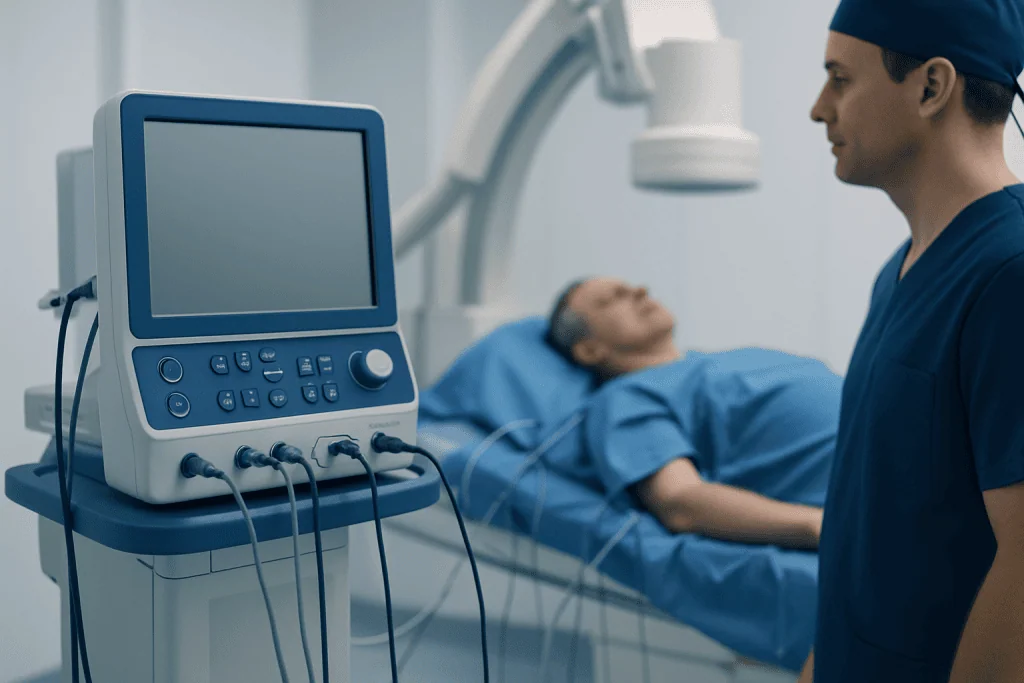
A clinician may recommend an electrophysiology procedure when symptoms or previous tests suggest a rhythm disorder but do not clearly show its cause. Symptoms can include recurrent palpitations, unexplained fainting or near-fainting, episodes of rapid heartbeat, dizziness, shortness of breath or chest discomfort. The study can help establish whether symptoms are linked to an arrhythmia and identify where it begins.
It may also be used when a known arrhythmia needs more precise assessment before treatment. Examples include supraventricular tachycardia, some forms of atrial flutter, ventricular tachycardia and certain conduction disorders. For people with atrial fibrillation, the decision to have an electrophysiology assessment is individualized and may be part of planning rhythm-control treatment.
Electrophysiology study guidelines generally support using the test when the results are expected to influence care. Before recommending it, the cardiology team considers symptoms, ECG findings, cardiac imaging, medical history, current medicines and the likelihood that a treatable rhythm problem is present.
How the test works and how to prepare

The test works by recording the heart’s internal electrical signals and, when appropriate, delivering very small controlled impulses through the catheters. These impulses may help the specialist reproduce an abnormal rhythm in a carefully monitored setting. Mapping equipment then shows how the rhythm starts and travels through the heart.
Preparation instructions vary. Patients are usually asked not to eat or drink for a period before the procedure, although the exact timing should come from the treating team. Some medicines, especially those that affect heart rhythm, blood clotting or diabetes control, may need adjustment. Medicines should never be stopped without specific clinical advice.
Before the procedure, the team reviews allergies, kidney disease, pregnancy status, implanted devices and all prescription medicines, supplements and over-the-counter products. Blood tests, an ECG and sometimes an echocardiogram may be arranged. Patients should plan for someone to take them home, since driving is generally not advised after sedation.
- Bring an up-to-date medication list and details of allergies.
- Follow fasting and medication instructions exactly.
- Ask whether an overnight stay is possible or expected.
- Tell the team about fever, infection or new illness before attending.
What happens during the electrophysiology procedure?
The procedure takes place in a specialized electrophysiology laboratory. After an intravenous line is placed, staff attach monitors for heart rhythm, blood pressure and oxygen levels. Local anesthetic numbs the catheter-entry area, and many patients receive sedation to help them relax. General anesthesia is used in selected situations, depending on the planned procedure and individual needs.
The specialist inserts catheters into a blood vessel, most often in the groin, and advances them to the heart using imaging and electrical guidance. Patients may feel brief pressure at the insertion site. If an abnormal rhythm is intentionally triggered, they may notice palpitations or a fast heartbeat; the team monitors this continuously and can treat it promptly.
Once sufficient information has been collected, the catheters are removed and pressure or a closure device is used to control bleeding. A complete procedure may take from around one hour to several hours, particularly if detailed mapping or an ablation is performed. The exact length depends on the suspected rhythm and whether treatment is added.
Afterward, patients may receive an electrophysiology procedure note. This clinical record usually documents the reason for the study, catheter access sites, findings, rhythms observed, treatments performed, complications if any, and the follow-up plan. Patients can ask for the results to be explained in clear language before discharge or at a follow-up appointment.
Benefits, limitations and possible risks
The main benefit of an electrophysiology study is diagnostic clarity. It can identify an arrhythmia, locate its electrical pathway, assess whether it may be responsible for symptoms and help the team select the most appropriate treatment. In some cases, the study prevents unnecessary treatment by showing that a concerning rhythm is not present or is unlikely to explain symptoms.
When a suitable arrhythmia is found, an EPS can support decisions about medication, continued monitoring, ablation, a pacemaker or an implantable cardioverter-defibrillator. Not every study finds a definite cause, however. A normal or inconclusive result does not mean symptoms are unimportant; it helps the clinician decide what evaluation or monitoring may be needed next.
Like all invasive procedures, there are risks. Bruising, soreness or bleeding at the catheter site are among the more common minor effects. Less common complications include infection, blood vessel injury, blood clots, an unintended arrhythmia, heart perforation, stroke or reaction to medicines used for sedation. The care team discusses relevant individual risks before consent and takes precautions to reduce them.
Recovery and follow-up timeline
Following a diagnostic electrophysiology procedure, patients rest in a monitored recovery area while the access site is checked. They may need to lie flat for a period, particularly after groin access. Many people return home later the same day, while others stay overnight because of the procedure performed, sedation effects, underlying heart disease or travel considerations.
Mild tenderness or a small bruise at the insertion site can occur for several days. The team provides individualized instructions about showering, wound care, lifting, work, exercise and restarting medicines. In general, strenuous activity and heavy lifting are avoided temporarily to allow the blood vessel access site to heal.
Contact the treating team promptly for increasing swelling, persistent bleeding, worsening pain, numbness or color change in the affected limb, fever, or drainage from the site. Follow-up is important even when the test is uncomplicated, because the electrophysiologist will review the findings and discuss whether further monitoring or treatment is needed.
When to seek medical care
Palpitations should be assessed if they are recurrent, worsening, associated with dizziness or fainting, or occur in someone with known heart disease. A clinician can decide whether initial testing such as an ECG, ambulatory rhythm monitoring or blood tests is appropriate before an electrophysiology study is considered.
Emergency medical care is needed for chest pain or pressure, severe shortness of breath, fainting, new weakness, confusion, or a fast or irregular heartbeat accompanied by feeling very unwell. These symptoms can have causes other than an arrhythmia and should not be self-diagnosed.
For people who need evaluation or treatment of complex rhythm disorders, Acibadem International’s multidisciplinary specialists and JCI-accredited hospitals can provide diagnostic assessment and care for international patients. The best next step is a consultation with a qualified cardiologist or electrophysiologist who can interpret symptoms and test results in the context of the individual’s overall health.
Frequently asked questions
Is an electrophysiology procedure painful?
The catheter-entry area is numbed with local anesthetic, so patients usually feel pressure rather than sharp pain. Sedation is commonly used to improve comfort. Some people notice brief palpitations if the team stimulates the heart to evaluate an abnormal rhythm.
How long does an electrophysiology study take?
A diagnostic study may take about one to several hours. The duration depends on the suspected rhythm problem, how much mapping is needed and whether an additional treatment such as ablation is performed. The care team can provide a more personalized estimate beforehand.
Is an electrophysiology study the same as catheter ablation?
No. An electrophysiology study evaluates and maps the heart’s electrical activity, while catheter ablation treats selected abnormal electrical pathways by creating small areas of controlled scar tissue. Both may be performed during the same visit when clinically appropriate.
Can a person go home after an electrophysiology procedure?
Many people go home on the same day after an uncomplicated diagnostic study. Some need overnight observation, especially after a longer procedure, ablation, treatment for a complex arrhythmia or when other health conditions require monitoring. Driving is usually avoided until sedation has fully worn off and the team confirms discharge instructions.
What should a patient ask before an electrophysiology study?
Useful questions include why the study is recommended, what information it may provide, whether ablation could be performed if needed, and what alternatives exist. Patients may also ask about medication adjustments, fasting instructions, expected recovery and their individual risks. Written instructions can make preparation easier.
What does an electrophysiology procedure note include?
An electrophysiology procedure note is the medical documentation created by the clinical team after the study. It generally records the indication, techniques used, electrical findings, any arrhythmias induced, treatments performed and the follow-up plan. The treating clinician can explain how these findings affect ongoing care.
References
- American Heart Association
- Heart Rhythm Society
- European Society of Cardiology
- National Heart, Lung, and Blood Institute
This article is for general information only and is not a substitute for professional medical advice. Please consult a qualified doctor about your individual situation.
Heart care in Turkey — expert evaluation and treatment
JCI-accredited · board-certified surgeons · reply within 24h
Add us as a Preferred Source to see more of our trusted health content across Google Search, AI Overviews and Discover.
Check your numbers in seconds
BMI, calories, due date, blood pressure and 30+ more clinical calculators — free, instant, doctor-reviewed ranges.

Cardiology Department
Diagnosis and treatment of heart and vascular conditions, from prevention to advanced interventional procedures.
91 specialists in this unit