Emergency ward in hospital: A Complete Medical Guide for Patients

An emergency ward treats urgent medical problems that should not wait for a routine clinic visit. Patients are usually seen according to severity, not arrival time, through a process called triage.
Key Takeaways
- An emergency ward treats urgent medical problems that should not wait for a routine clinic visit.
- Patients are usually seen according to severity, not arrival time, through a process called triage.
- Care may include examination, blood tests, imaging, monitoring, pain relief, and specialist consultation.
- Chest pain, trouble breathing, stroke symptoms, serious injury, heavy bleeding, and confusion need urgent assessment.
- Bringing medication lists, ID, allergy information, and prior records can help the care team work faster.
An emergency ward in hospital is the part of a hospital that evaluates and treats sudden illness, injury, or severe symptoms that need prompt medical attention. It is designed to sort patients by medical urgency, provide rapid testing and treatment, and decide whether a person can go home, needs observation, or should be admitted.
What an emergency ward in hospital does
An emergency ward in hospital is the hospital area dedicated to sudden medical problems that may be serious, painful, or rapidly changing. It is sometimes called the emergency department or emergency room. Its role is to assess people quickly, begin treatment without delay when needed, and decide the safest next step.
Unlike a routine outpatient clinic, the emergency ward is built for unpredictable situations. Patients may arrive with chest pain, breathing difficulty, a high fever, a broken bone, severe abdominal pain, a head injury, or symptoms that suggest a stroke or heart problem. Some conditions are immediately life-threatening, while others are urgent but stable.
The emergency ward is organized to manage many levels of severity at the same time. A person with mild symptoms may wait longer than someone who arrives later but needs life-saving care first. This can feel confusing, but it is a normal safety process designed to direct staff and resources where they are most urgently needed.
Who should go to the emergency ward
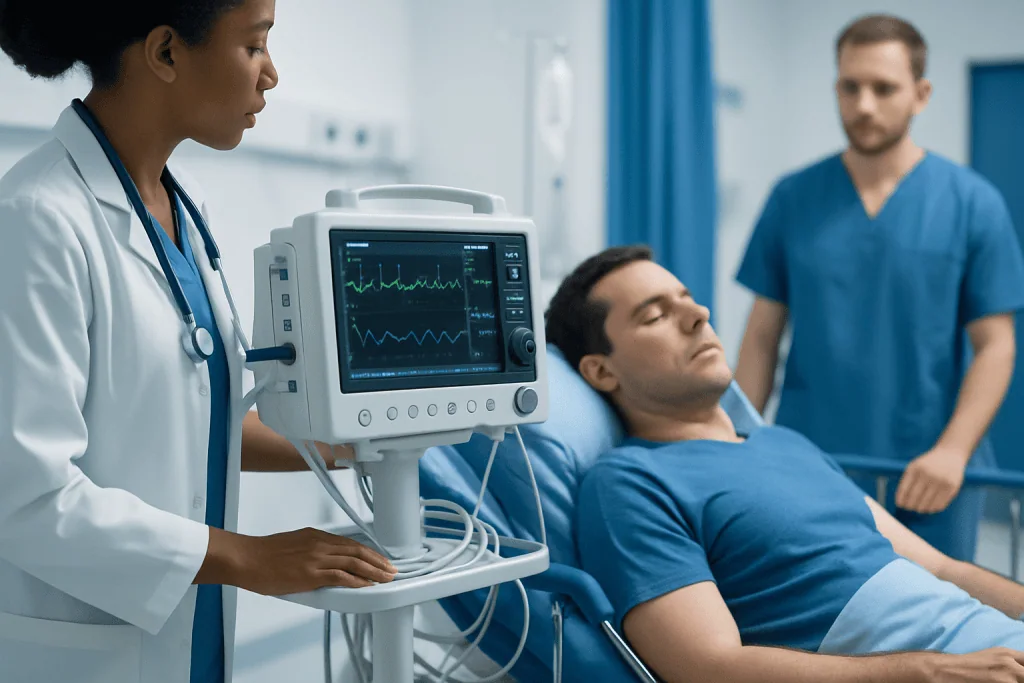
The emergency ward is the right place for symptoms that are severe, sudden, or potentially dangerous. Examples include chest pain, shortness of breath, severe allergic reactions, loss of consciousness, seizures, major injuries, heavy bleeding, serious burns, new weakness on one side, sudden trouble speaking, or a severe headache unlike usual headaches.
It can also be appropriate for symptoms that are not clearly life-threatening but still need same-day hospital-level evaluation, such as worsening dehydration, persistent vomiting, severe abdominal pain, confusion, high fever with weakness, or a significant injury after a fall or accident. Parents may also be advised to bring a child for urgent assessment when symptoms escalate quickly.
Not every health concern requires emergency care. Minor colds, long-standing mild pain, medication refill requests, and stable chronic symptoms are often better handled in primary care or an urgent care setting when available. If a person is unsure, calling a local medical advice line or speaking with a healthcare professional can help guide the decision.
What happens after arrival: registration, triage, and first assessment

After arrival, the first steps usually include registration and triage. Registration confirms identity, contact details, and basic medical information. Triage is a brief clinical assessment done by a trained nurse or clinician to decide how urgently the patient needs to be seen.
During triage, staff may ask about the main symptom, when it started, current medications, allergies, pregnancy status, and past medical conditions. Vital signs such as temperature, blood pressure, pulse, breathing rate, and oxygen level are often checked. In some situations, treatment begins right away during or immediately after triage.
Once in a treatment area, the patient is assessed more fully by an emergency physician or another qualified clinician. The exam may include listening to the heart and lungs, checking the abdomen, evaluating mental status, looking for signs of infection or injury, and reviewing recent health history. The goal is to identify dangerous conditions quickly while also considering less urgent causes.
Because emergency medicine depends on changing priorities, waiting times can vary. A person may notice staff moving rapidly between patients, repeating assessments, or ordering tests at different stages. This reflects ongoing monitoring rather than a fixed one-time evaluation.
Tests and treatments commonly used in the emergency ward
The emergency ward often uses rapid diagnostics to understand the cause of symptoms. Common tests include blood work, urine testing, electrocardiography for chest symptoms, and imaging such as X-rays, ultrasound, or computed tomography. Imaging can be especially important for suspected fractures, internal bleeding, appendicitis, or head injury, and some patients may be referred for MRI scanning or CT imaging depending on the clinical question.
Treatment starts as soon as there is enough information to act safely. This may include oxygen, intravenous fluids, pain control, anti-nausea medicines, antibiotics when an infection is likely, wound care, splints or casts, or medicines to support breathing or circulation. Monitoring may continue while test results return.
Emergency teams also work closely with specialists. A person with suspected stroke may need urgent neurological assessment, while possible heart attack symptoms may lead to rapid cardiac testing and treatment. Severe abdominal pain may involve surgeons, and significant breathing problems may require pulmonary or critical care support.
Some patients improve quickly and can go home with instructions. Others need a period of observation to see how symptoms change. If the problem requires ongoing hospital treatment, the patient may be admitted to a ward, intensive care area, or a specialist service.
What patients and families can expect during the visit
An emergency visit can feel fast-moving and stressful, especially when symptoms are painful or frightening. Patients may be asked the same questions more than once by different team members. This is normal and helps confirm key details such as symptom timing, allergies, and changes in condition.
It is helpful to bring a photo ID if available, a medication list, allergy information, details of major medical conditions, and the name of the usual doctor. If the patient has had recent test results or scans elsewhere, those records can sometimes help avoid delays or repeat testing. Family members can often assist by providing medical history if the patient is unable to do so.
Food or drink may be restricted until the team decides whether surgery, sedation, or certain tests might be needed. Clothing may need to be removed or changed for examination and monitoring. Staff usually explain why these steps are necessary, but patients should feel free to ask questions if anything is unclear.
Discharge instructions are an important part of emergency care. They may include a diagnosis, warning signs, medicines, wound care, follow-up appointments, activity restrictions, or advice on when to return. If anything in the plan is uncertain, asking for clarification before leaving can be very useful.
When to seek medical care
Medical care should be sought urgently if a person has symptoms that may signal a time-sensitive emergency. These include pressure or pain in the chest, sudden shortness of breath, signs of stroke such as facial drooping or one-sided weakness, fainting, a seizure, severe head injury, heavy bleeding, or severe allergic swelling.
Urgent care is also appropriate for intense pain that does not improve, confusion, severe dehydration, worsening fever with weakness, or a new inability to walk, speak, or stay awake normally. In children, poor responsiveness, breathing difficulty, or signs of dehydration deserve prompt attention.
If symptoms are mild, stable, and have been present for a while, a primary care doctor or urgent clinic may be more suitable. However, if there is doubt about whether the problem is serious, it is safer to seek professional advice promptly rather than wait at home.
How emergency care connects with follow-up treatment
The emergency ward focuses on stabilization, diagnosis, and immediate decisions. For many conditions, that is only the first step. A patient may need follow-up with a family doctor, a specialist clinic, physical therapy, repeat imaging, or a planned procedure after the emergency problem is brought under control.
For example, severe abdominal pain may lead to evaluation by a surgeon and, if needed, general surgery. Serious injuries may need orthopedic or rehabilitation follow-up. Heart rhythm symptoms, recurrent fainting, or ongoing chest discomfort often require outpatient cardiac review even if the immediate emergency has passed.
Patients should keep discharge documents and share them with their regular doctor. Those records help explain what tests were done, which treatments were given, and what warning signs to watch for. Returning for re-evaluation is important if symptoms worsen, change, or do not improve as expected.
For international patients or those needing coordinated specialist care, Acibadem International’s multidisciplinary specialists and JCI-accredited hospitals diagnose and treat emergency-related conditions and arrange onward care when required.
Frequently asked questions
Is the emergency ward the same as the emergency room?
Yes, in many hospitals these terms refer to the same service. Some hospitals use the term emergency department, while others say emergency room or emergency ward, but the purpose is similar: urgent evaluation and treatment.
Why are some patients seen before others who arrived earlier?
Emergency care usually follows triage, which means patients are seen by medical urgency rather than arrival time. Someone with life-threatening symptoms may be treated immediately, while a stable patient with less urgent needs may wait longer.
What should a patient bring to the emergency ward in hospital?
Helpful items include identification, a list of medicines, allergy details, and information about major medical conditions or recent procedures. If available, prior test results, scan reports, or referral notes can also help the team understand the situation more quickly.
Can a person eat or drink while waiting?
It is often best to ask staff before eating or drinking. Some patients may need surgery, sedation, or imaging that requires an empty stomach, so the care team may advise avoiding food and drink until the plan is clearer.
Will everyone who visits the emergency ward be admitted to the hospital?
No. Many people are treated and safely discharged home with advice, medicines, or follow-up instructions. Admission is usually reserved for patients who need monitoring, specialist treatment, surgery, or further inpatient care.
When should someone call emergency services instead of going by private transport?
Emergency services are appropriate when symptoms are severe, sudden, or make travel unsafe, such as chest pain, major trauma, stroke signs, severe breathing difficulty, or loss of consciousness. Ambulance teams can begin urgent care on the way and help the hospital prepare in advance.
This article is for general information only and is not a substitute for professional medical advice. Please consult a qualified doctor about your individual situation.
Explore treatments in Turkey — costs, top hospitals & a free quote
JCI-accredited · board-certified surgeons · reply within 24h
Add us as a Preferred Source to see more of our trusted health content across Google Search, AI Overviews and Discover.
Check your numbers in seconds
BMI, calories, due date, blood pressure and 30+ more clinical calculators — free, instant, doctor-reviewed ranges.

More from the Health Library

Oat Bran — Explained by Medical Evidence, Not Myths

Folic Acid: What Patients Need to Know
Sitting at the Toilet — Explained by Medical Evidence, Not Myths

Immunoglobulin M: What Patients Need to Know

Wrinkles: What Patients Need to Know