Emotions: A Complete Medical Overview

Emotions are a normal part of human health and involve the brain, body, thoughts, and behavior. There is no single “good” or “bad” emotion; what matters most is intensity, duration, and how emotions affect daily functioning.
Key Takeaways
- Emotions are a normal part of human health and involve the brain, body, thoughts, and behavior.
- There is no single “good” or “bad” emotion; what matters most is intensity, duration, and how emotions affect daily functioning.
- Sleep, stress, hormones, physical illness, medicines, and life events can all influence emotions.
- Healthy emotion regulation includes naming feelings, pausing before reacting, social support, and practical coping skills.
- Persistent sadness, severe anxiety, emotional numbness, or mood changes that disrupt work, school, sleep, or relationships should be assessed by a qualified clinician.
Emotions are normal mind-body responses that help people react to experiences, build relationships, and make decisions. Most emotions change from moment to moment, but persistent, intense, or difficult-to-control emotions can affect daily life and may benefit from professional evaluation.
Overview: what emotions are and why they matter
Emotions are the brain and body’s way of responding to internal thoughts and external events. They help a person notice what feels safe or threatening, meaningful or disappointing, rewarding or painful. Emotions can appear as feelings such as joy, anger, fear, sadness, surprise, guilt, shame, calm, affection, or frustration, often together rather than one at a time.
From a medical perspective, emotions are not “just in the mind.” They involve coordinated activity across the brain, nervous system, hormones, heart rate, breathing, facial expression, and behavior. This is why an emotional experience may also be felt physically, for example as a racing heart during fear, muscle tension during stress, or tears during grief.
Emotions serve important functions. They help guide attention, influence memory, shape decisions, and support social communication. Feeling worried may encourage caution, sadness may signal loss and a need for support, and happiness may reinforce helpful behaviors and relationships.
Most emotional changes are healthy and temporary. However, when emotions become unusually intense, last a long time, or interfere with sleep, work, school, relationships, or self-care, they may be a sign of an underlying mental or physical health issue that deserves careful evaluation.
How emotions work in the brain and body
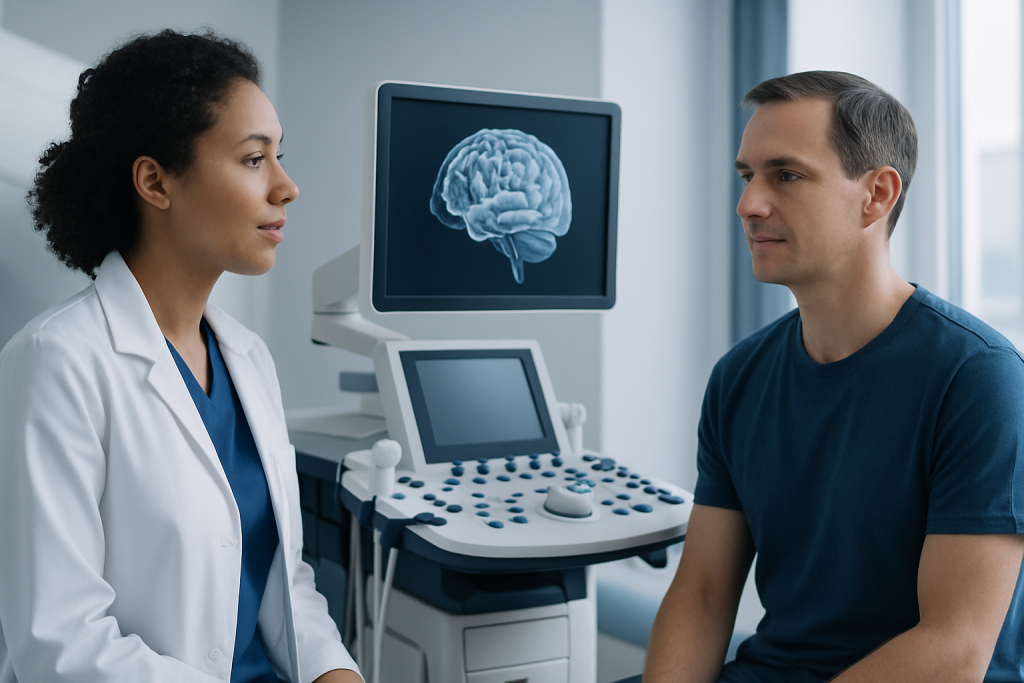
Emotions arise through interaction between several brain regions rather than one single “emotion center.” Areas involved in emotion include networks that detect threat or reward, attach meaning to experiences, store memories, and help a person pause, reflect, and respond. This is why past experiences, current stress, and physical state can all influence how an emotion feels in the moment.
The body also plays an important role. When the nervous system is activated, the body may release stress hormones and shift heart rate, breathing, sweating, digestion, and muscle tension. These changes prepare a person to act, but they can also feel uncomfortable, especially during anxiety, panic, anger, or prolonged stress.
Thoughts and emotions affect each other continuously. For example, a stressful interpretation of an event can increase fear, and fear can make the mind focus more on possible danger. This does not mean emotions are simply a choice. It means emotional experiences are real, biologically based, and shaped by both the body and the environment.
Because emotions are connected to overall health, persistent emotional changes may sometimes overlap with other conditions, including sleep problems, chronic pain, thyroid disease, hormone changes, neurological conditions, or depression. A full assessment may consider both emotional and physical contributors.
Common types of emotions and their physical signs

There is no single perfect list of emotions, but several broad emotional categories are commonly recognized. These include happiness or joy, sadness, fear, anger, surprise, disgust, love, shame, guilt, and calm. In daily life, many people experience mixed emotions, such as relief and sadness after a difficult event, or excitement and worry before an important change.
Emotions often come with physical signs. Fear may cause a fast heartbeat, dry mouth, shakiness, or stomach discomfort. Anger may bring heat, muscle tension, and a sense of pressure in the chest or jaw. Sadness can be associated with low energy, crying, a heavy feeling in the body, or changes in appetite and sleep.
Positive emotions can also create noticeable body responses. Joy may bring lightness, more energy, laughter, and easier social connection. Calm may be felt as slower breathing and less muscle tension. Even pleasant emotions can be intense, which is why context and balance are important when understanding emotional health.
Not everyone experiences or expresses emotions in the same way. Age, culture, personality, neurodevelopment, and past experiences all influence how emotions are recognized and communicated. Some people express feelings openly, while others show them more through behavior, body language, or physical symptoms.
What affects emotions: stress, hormones, health, and life events
Emotions are influenced by many factors at the same time. Everyday pressures such as work demands, relationship strain, financial concerns, caregiving, grief, trauma, and major life changes can strongly shape emotional reactions. Short-term stress can sharpen focus, but long-term stress may make a person more reactive, tired, irritable, or emotionally overwhelmed.
Physical health also matters. Poor sleep, infection, chronic pain, blood sugar changes, thyroid conditions, vitamin deficiencies, neurological disorders, and some medications or substances can all affect mood and emotional control. In some cases, what seems like an emotional problem may partly reflect a medical issue that needs treatment.
Hormones are another important influence. Emotional changes may occur during puberty, the menstrual cycle, pregnancy, the postpartum period, perimenopause, or menopause. Emotional symptoms may also accompany endocrine conditions or medication changes, so discussing timing and patterns with a clinician can be very helpful.
Risk is often higher when several factors occur together. For example, limited sleep, ongoing stress, alcohol use, and social isolation may increase the chance that sadness, anxiety, anger, or emotional numbness becomes more persistent. When needed, clinicians may assess for related conditions such as anxiety or other mood disorders.
When emotions may signal a health concern
Emotions become a medical concern when they are out of proportion to the situation, persist for weeks, return frequently, or significantly disrupt daily life. Warning signs can include ongoing sadness, hopelessness, severe worry, panic episodes, sudden mood changes, loss of interest in usual activities, emotional numbness, frequent anger outbursts, or difficulty concentrating and functioning.
Changes in sleep, appetite, energy, motivation, and social withdrawal may also suggest that emotional symptoms deserve attention. Some people mainly notice physical symptoms, such as headaches, digestive upset, fatigue, chest tightness, or body pain that worsens during emotional strain. These symptoms are real and should not be dismissed.
It is also important to consider safety. Urgent assessment is needed if a person has thoughts of self-harm, suicide, harming others, severe agitation, confusion, hallucinations, or behavior that puts them or others at risk. In these situations, immediate medical or emergency support is the safest choice.
Emotional distress can coexist with treatable medical and mental health conditions. A careful evaluation may include review of symptoms, life stressors, medical history, sleep, medications, substance use, and where appropriate, referral for psychiatric evaluation or psychological support.
Diagnosis and evaluation of emotional symptoms
There is no single blood test that diagnoses emotions themselves, because emotions are a normal part of life. Instead, clinicians look at the pattern: which emotions are present, how intense they are, how long they last, what triggers them, and how much they affect work, school, relationships, sleep, appetite, and day-to-day functioning.
Assessment often begins with a conversation. A doctor or mental health professional may ask about recent stress, trauma, major life events, medical conditions, medications, alcohol or substance use, and family history. Standard questionnaires may be used to better understand symptoms of anxiety, depression, trauma-related stress, or mood changes.
Depending on the situation, a physical examination or laboratory testing may be recommended to look for contributing factors such as thyroid problems, nutritional deficiencies, infection, hormonal changes, or medication effects. This can be especially important when emotional symptoms begin suddenly or are accompanied by marked fatigue, weight change, confusion, or neurological symptoms.
If symptoms are complex, persistent, or involve both physical and emotional complaints, multidisciplinary care may be helpful. This may include primary care, mental health, neurology, endocrinology, or sleep medicine. In selected cases, support through psychological counseling can help clarify patterns and build practical coping skills.
Treatment, self-care, and healthy emotion regulation
Treatment depends on the cause and the degree of impairment. Many people benefit from education about emotions, stress management, and supportive counseling. When a mental health condition is diagnosed, treatment may include psychotherapy, lifestyle interventions, and in some cases medication prescribed by a qualified clinician. If a physical health problem is contributing, treating that condition can improve emotional symptoms as well.
Healthy emotion regulation does not mean suppressing feelings. It means recognizing emotions, naming them accurately, pausing before reacting, and choosing a response that fits the situation. Skills that often help include slow breathing, regular sleep, physical activity, limiting alcohol and recreational drugs, balanced meals, structured routines, and time with trusted people.
Practical self-care strategies can include:
- Noticing emotional triggers and early body signals
- Keeping a simple mood or symptom journal
- Using relaxation practices such as breathing exercises or mindfulness
- Breaking stressful tasks into smaller steps
- Reducing overstimulation when emotionally overloaded
- Seeking support rather than coping alone
If emotions are linked to a diagnosed mental health condition, more structured care may be recommended, including treatment for depression or support for related symptoms. Near the end of the care pathway, some patients also benefit from coordinated follow-up. Acibadem International’s multidisciplinary specialists in JCI-accredited hospitals diagnose and treat emotional and related health concerns for international patients.
When to seek medical care
Medical advice is appropriate when emotions are intense, persistent, or difficult to manage, especially if they affect sleep, appetite, work, school, family life, or relationships. It is also reasonable to seek care when emotional symptoms appear along with unexplained physical changes such as marked fatigue, weight change, dizziness, palpitations, or ongoing pain.
A prompt appointment may be helpful if there are repeated panic episodes, ongoing irritability or anger, emotional numbness, severe grief that is not easing with time, or mood changes related to pregnancy, postpartum recovery, or hormonal transitions. Children, adolescents, and older adults may show emotional distress differently, so behavior changes should also be taken seriously.
Urgent medical attention is needed for thoughts of self-harm or suicide, thoughts of harming others, inability to care for basic needs, severe confusion, hallucinations, or sudden dramatic behavior changes. If there is immediate danger, emergency services should be contacted right away.
Early support can make emotional symptoms easier to understand and treat. Reaching out for help is not a sign of weakness; it is a practical step toward protecting both mental and physical health.
Frequently asked questions
Are emotions normal, even when they feel intense?
Yes. Emotions are a normal part of being human, and even strong feelings can happen during stress, loss, change, or excitement. What matters most is whether the emotion fits the situation, how long it lasts, and whether it disrupts daily life.
What is the difference between emotions and mood?
Emotions are usually shorter-term responses to a specific event, thought, or situation. Mood tends to last longer, may be less tied to one trigger, and can influence how a person feels throughout the day.
Can physical illness affect emotions?
Yes. Sleep disorders, chronic pain, thyroid problems, hormone changes, infections, neurological conditions, and some medications can all influence emotional state. That is why persistent emotional symptoms sometimes need both medical and mental health evaluation.
When do emotions become a mental health problem?
Emotions may signal a mental health condition when they are persistent, unusually intense, hard to control, or interfere with work, school, relationships, sleep, or self-care. Examples include ongoing sadness, severe anxiety, panic, emotional numbness, or major mood changes.
Can emotions cause physical symptoms?
Yes. Emotions can affect heart rate, breathing, digestion, muscle tension, and energy level. People may notice headaches, nausea, chest tightness, fatigue, sweating, or stomach discomfort during emotional stress.
How can someone regulate emotions in a healthy way?
Helpful strategies include naming the feeling, pausing before reacting, sleeping regularly, staying physically active, and talking with a trusted person. If emotions remain overwhelming or keep returning, professional support can provide more structured tools and treatment.
References
- World Health Organization
- National Institute of Mental Health
- American Psychiatric Association
- Centers for Disease Control and Prevention
- National Institute of Neurological Disorders and Stroke
This article is for general information only and is not a substitute for professional medical advice. Please consult a qualified doctor about your individual situation.
Explore treatments in Turkey — costs, top hospitals & a free quote
JCI-accredited · board-certified surgeons · reply within 24h
Add us as a Preferred Source to see more of our trusted health content across Google Search, AI Overviews and Discover.
Check your numbers in seconds
BMI, calories, due date, blood pressure and 30+ more clinical calculators — free, instant, doctor-reviewed ranges.