Endometrioma cyst: A Complete Medical Guide for Patients

An endometrioma cyst is an ovarian cyst associated with endometriosis. Common symptoms include pelvic pain, painful periods, pain during sex, and sometimes fertility problems.
Key Takeaways
- An endometrioma cyst is an ovarian cyst associated with endometriosis.
- Common symptoms include pelvic pain, painful periods, pain during sex, and sometimes fertility problems.
- Diagnosis often involves a pelvic exam, ultrasound, and a review of symptoms; MRI may be helpful in selected cases.
- Treatment depends on symptoms, cyst size, age, and pregnancy plans, and may include monitoring, medication, or surgery.
- People should seek medical care for persistent pelvic pain, worsening symptoms, or sudden severe pain.
An endometrioma cyst is a type of ovarian cyst caused by endometriosis, a condition in which tissue similar to the uterine lining grows outside the uterus. It is usually benign, but it can contribute to pelvic pain, painful periods, and sometimes difficulty becoming pregnant, so proper evaluation is important.
What is an endometrioma cyst?
An endometrioma cyst is a fluid-filled cyst that forms on or within an ovary as a result of endometriosis. In endometriosis, tissue similar to the lining of the uterus grows outside the uterus and can attach to the ovaries, fallopian tubes, pelvic lining, or nearby organs. When this tissue involves an ovary, it may lead to a cyst filled with old blood and inflammatory material.
These cysts are sometimes called “chocolate cysts” because the fluid inside can appear dark brown. Although the name may sound concerning, an endometrioma cyst is usually benign, meaning it is not cancer. Even so, it can affect quality of life by causing pain, inflammation, adhesions, and in some people, fertility-related challenges.
An endometrioma is not the same as the very common functional ovarian cysts that form during the menstrual cycle. Functional cysts often come and go on their own, while endometriomas are linked to an underlying chronic condition. For this reason, care usually focuses not only on the cyst itself but also on the broader management of endometriosis.
How an endometrioma cyst may feel and what symptoms it can cause
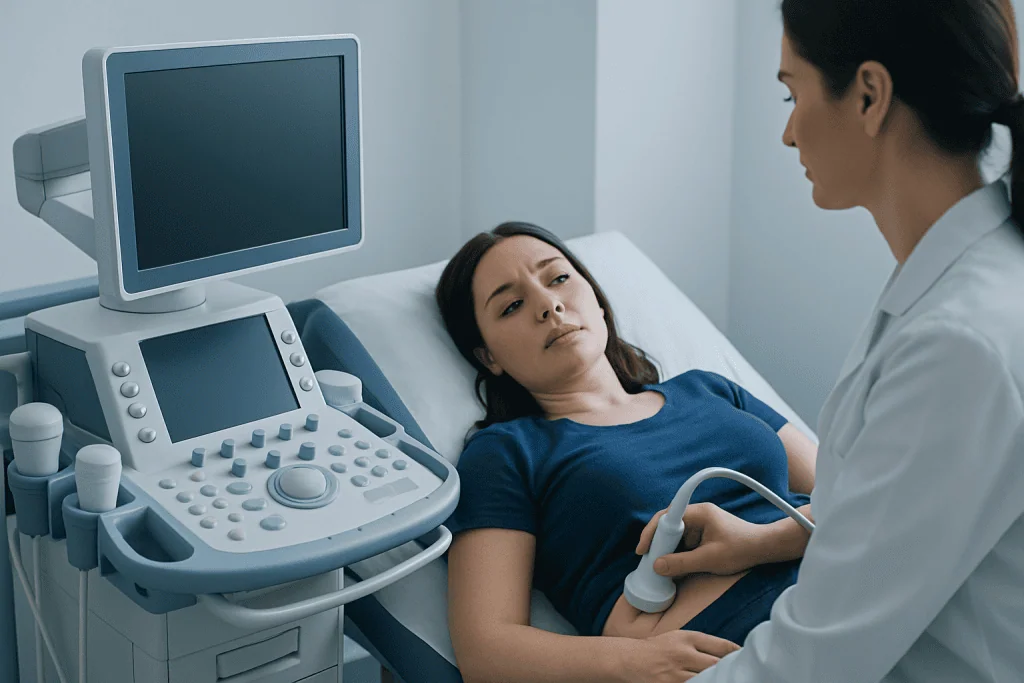
Some people with an endometrioma cyst have no clear symptoms, and the cyst is found during imaging for another reason. Others notice ongoing pelvic discomfort that may become worse around menstruation. Symptoms can vary widely, and the intensity of pain does not always match the size of the cyst.
Possible symptoms include:
- Painful menstrual periods
- Chronic pelvic pain or pressure
- Pain during or after sexual intercourse
- Pain with bowel movements or urination, especially during periods
- Bloating or a feeling of pelvic fullness
- Difficulty becoming pregnant
If the cyst grows, leaks, or rarely twists the ovary, symptoms may become more sudden or severe. A person may experience sharp one-sided pelvic pain, nausea, vomiting, or marked tenderness. These symptoms do not always mean an emergency, but they should be assessed promptly by a doctor.
Because symptoms can overlap with other gynecologic conditions, a medical evaluation is important. For example, fibroids, pelvic inflammatory disease, and other ovarian cysts may cause similar discomfort, and sometimes a doctor may also consider conditions such as ovarian cysts in the differential diagnosis.
Why endometriomas develop and who may be at higher risk
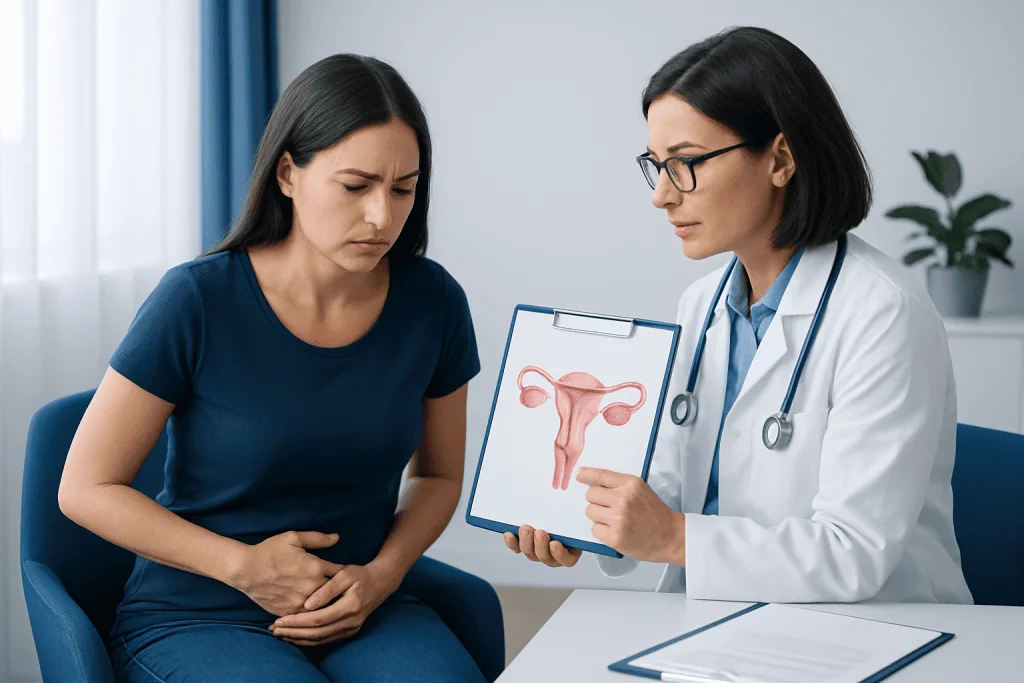
Endometriomas develop when endometriosis affects the ovary. The exact cause of endometriosis is still being studied, but experts believe several factors may contribute. These may include retrograde menstruation, immune system changes, inflammation, hormonal influences, and genetic susceptibility.
Risk may be higher in people who have a family history of endometriosis, began menstruating at an early age, have shorter menstrual cycles, or have heavy or prolonged periods. However, endometriosis can occur in many different individuals, including those without any obvious risk factors.
Not everyone with endometriosis develops an endometrioma cyst. Some people have superficial implants or deep endometriosis without ovarian cysts, while others may form one or both ovarian endometriomas. The condition can sometimes coexist with scarring and adhesions in the pelvis, which may contribute to pain and fertility issues.
It is also important to know that an endometrioma is usually not caused by anything a person did or did not do. Lifestyle habits can influence overall health and symptom burden, but they are not considered the sole cause of this condition. Clear diagnosis and individualized follow-up are more helpful than self-blame.
How doctors diagnose an endometrioma cyst
Diagnosis starts with a careful medical history. A doctor will ask about menstrual pain, pelvic symptoms, pain during sex, digestive or urinary symptoms around periods, and any fertility concerns. A pelvic examination may help identify tenderness, a mass, or signs suggesting deeper pelvic disease.
Ultrasound is usually the first imaging test used to evaluate a suspected endometrioma cyst. On ultrasound, many endometriomas have a characteristic appearance that helps doctors distinguish them from simple cysts. In some cases, MRI can provide more detailed information, especially when surgery is being considered or when deep endometriosis is suspected.
Blood tests are not enough to confirm an endometrioma. Some markers may be used in selected situations, but they are not specific. Definitive diagnosis of endometriosis itself may require surgery in some patients, yet many people are treated based on symptoms and imaging findings without immediate surgery.
Doctors also assess whether the cyst is likely benign and whether there are features that require closer review. Age, symptoms, imaging appearance, and personal medical history all matter. If imaging is complex or uncertain, referral to a gynecologist with experience in endometriosis is often the most useful next step.
Treatment options: monitoring, medication, and surgery
Treatment for an endometrioma cyst depends on several factors, including symptoms, cyst size, age, whether the person wants to become pregnant, and whether the cyst is changing over time. Small, stable cysts that are not causing significant symptoms may sometimes be monitored with follow-up visits and imaging. This approach can be reasonable when the main goal is avoiding unnecessary intervention.
Medication may help reduce pain and suppress endometriosis-related activity, although it does not remove the cyst itself. Hormonal treatments are commonly used to manage symptoms and may be appropriate for people who are not currently trying to conceive. Pain-relieving medicines may also be part of care, depending on symptom severity and a doctor’s advice.
Surgery may be recommended when pain is persistent, the cyst is large, imaging is unclear, fertility is affected, or complications are suspected. The most common approach is minimally invasive laparoscopic surgery, which allows the surgeon to examine the pelvis and remove or treat endometriosis while aiming to preserve healthy ovarian tissue whenever possible. Decisions about surgery should be individualized, because repeated ovarian surgery can affect ovarian reserve in some patients.
For people planning pregnancy, treatment choices often require close coordination between gynecology and fertility specialists. In selected cases, the care plan may include fertility evaluation or IVF treatment rather than immediate cyst surgery, especially if preserving reproductive potential is a priority. When symptoms are complex or extensive disease is present, endometriosis surgery may be discussed as part of a broader management strategy.
Fertility, pregnancy plans, and long-term outlook
An endometrioma cyst can be associated with reduced fertility, but it does not mean pregnancy is impossible. Many people with endometriosis or endometriomas conceive naturally, while others may need support. Fertility can be influenced by several factors, including age, ovarian reserve, the presence of adhesions, fallopian tube function, and the extent of endometriosis elsewhere in the pelvis.
Because both the disease and some surgeries may affect the ovaries, fertility planning is often an important part of treatment discussions. A doctor may recommend ovarian reserve testing, semen analysis for a partner when relevant, or referral to a reproductive specialist. Early planning can help patients understand their options before symptoms worsen or further treatment is needed.
The long-term outlook is often manageable with proper care, but endometriosis can be a chronic condition. Symptoms may improve with hormonal treatment, surgery, pregnancy in some cases, or menopause, yet recurrence can still happen. Regular follow-up helps doctors adjust treatment based on changing symptoms and life goals.
People are often reassured to learn that an endometrioma cyst is usually benign. Rarely, a cyst may have atypical features that need further investigation. Ongoing medical supervision helps ensure that changes are noticed early and that treatment remains appropriate over time.
Self-care, daily management, and when to seek medical care
Self-care does not replace medical treatment, but it can support day-to-day comfort. Helpful measures may include using a heating pad for cramping, getting regular physical activity as tolerated, prioritizing sleep, and keeping a symptom diary to track pain, bleeding, bowel symptoms, or triggers. Recording symptoms can make doctor visits more productive and may help identify patterns related to the menstrual cycle.
Some people also benefit from practical pain-management strategies such as pacing activities, gentle stretching, or pelvic floor support when recommended by a clinician. Diet changes alone do not cure an endometrioma cyst, but balanced eating and hydration may support general well-being. It is best to be cautious with supplements or alternative remedies and discuss them with a qualified doctor.
Medical care should be sought if pelvic pain is persistent, periods become progressively more painful, there is pain during sex, or pregnancy is not happening as expected. Prompt evaluation is especially important if there is sudden severe pelvic pain, fainting, fever, vomiting, or unusual abdominal swelling, as these symptoms may indicate a complication or another urgent condition.
For international patients who need specialist evaluation, Acibadem International’s multidisciplinary teams in JCI-accredited hospitals diagnose and treat endometriosis-related conditions with coordinated gynecology, imaging, and fertility expertise. A clear assessment can help determine whether monitoring, medication, or a procedure is the safest next step.
Frequently asked questions
Is an endometrioma cyst cancer?
An endometrioma cyst is usually benign, which means it is not cancer. However, any ovarian cyst should be evaluated by a doctor to confirm its appearance and decide whether follow-up or treatment is needed.
Can an endometrioma cyst go away on its own?
Unlike many simple functional ovarian cysts, an endometrioma cyst is less likely to disappear completely on its own. Some may remain stable for a time, while others can grow or continue to cause symptoms, so regular medical follow-up is important.
Does every endometrioma cyst need surgery?
No, surgery is not always necessary. Treatment depends on symptoms, cyst size, imaging findings, fertility plans, and whether the cyst is changing over time. Some people are managed with monitoring and medication instead.
Can an endometrioma cyst affect fertility?
Yes, it can be associated with reduced fertility, especially when endometriosis affects the ovaries, fallopian tubes, or pelvic anatomy. Still, many people with endometriomas become pregnant naturally, and fertility treatments may help when needed.
What is the difference between endometriosis and an endometrioma cyst?
Endometriosis is the broader condition in which tissue similar to the uterine lining grows outside the uterus. An endometrioma cyst is one specific form of endometriosis that affects the ovary and creates a cyst.
What symptoms mean urgent medical attention is needed?
Sudden severe pelvic pain, fainting, fever, vomiting, or signs of significant weakness should be assessed urgently. These symptoms may suggest a complication such as ovarian torsion, cyst rupture, or another acute pelvic problem.
References
- World Health Organization
- American College of Obstetricians and Gynecologists
- European Society of Human Reproduction and Embryology
- National Institute for Health and Care Excellence
- Office on Women's Health
This article is for general information only and is not a substitute for professional medical advice. Please consult a qualified doctor about your individual situation.
Explore treatments in Turkey — costs, top hospitals & a free quote
JCI-accredited · board-certified surgeons · reply within 24h
Add us as a Preferred Source to see more of our trusted health content across Google Search, AI Overviews and Discover.