Endometrioma Removal: Procedure, Recovery and Results

Endometrioma removal is most often performed through minimally invasive laparoscopic surgery. Surgery is not needed for every endometrioma; decisions are individualized according to symptoms, cyst appearance, size, fertility plans and ovarian reserve.
Key Takeaways
- Endometrioma removal is most often performed through minimally invasive laparoscopic surgery.
- Surgery is not needed for every endometrioma; decisions are individualized according to symptoms, cyst appearance, size, fertility plans and ovarian reserve.
- Recovery after laparoscopic surgery often takes days to a few weeks, while complete internal healing can take longer.
- The operation can reduce pain and remove suspicious or troublesome cysts, but it may affect ovarian reserve and endometriomas can recur.
- Follow-up with a gynecologist experienced in endometriosis is important, especially for people trying to conceive or managing long-term symptoms.
Endometrioma removal is surgery to remove an ovarian endometrioma, often called a “chocolate cyst,” while preserving as much healthy ovarian tissue as possible. It is commonly performed by laparoscopy and may help with pain, diagnosis and fertility planning, although the right approach depends on symptoms, cyst features and reproductive goals.
Overview: What Is Endometrioma Removal?
Endometrioma removal is an operation to remove an endometrioma, a cyst on or within an ovary caused by endometriosis. These cysts contain old blood and may be called chocolate cysts because of their typical dark appearance. The procedure is usually performed by laparoscopy, using a camera and fine instruments inserted through small abdominal incisions.
The aim is generally to remove the cyst wall and treat visible endometriosis while protecting healthy ovarian tissue as much as possible. Surgery can be considered for persistent pain, a cyst with concerning imaging features, complications such as rupture or torsion, or selected fertility-related situations. However, an endometrioma does not automatically require surgery; monitoring, symptom treatment and fertility planning may also be appropriate.
Endometriomas are one manifestation of endometriosis, a long-term condition in which tissue similar to the uterine lining grows outside the uterus. A gynecologist can help a person understand whether surgery is likely to offer more benefit than risk in their individual situation.
How Endometrioma Removal Surgery Works and Who May Benefit
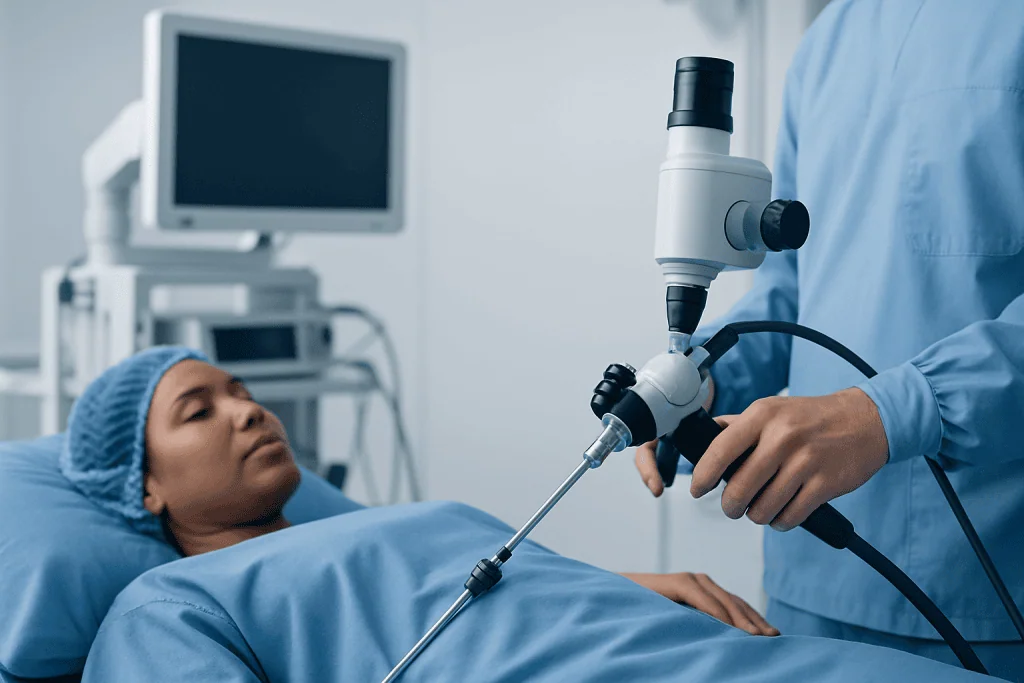
Most endometrioma removal surgery is laparoscopic. The surgeon makes a few small incisions, inflates the abdomen gently with gas to create working space, and inserts a laparoscope to view the pelvic organs. The cyst is carefully separated from ovarian tissue, commonly through cystectomy, which means removing the cyst wall rather than simply draining its contents.
Drainage alone may provide temporary relief in some circumstances, but the cyst lining can remain and recurrence is more likely. Cystectomy is often preferred when surgery is indicated, although the surgical plan should be tailored to the cyst, the ovary and the person’s goals. If extensive endometriosis is present, the surgeon may also remove or release endometriosis lesions and scar tissue in other pelvic areas.
A person may be a candidate when an endometrioma causes significant symptoms, grows or has uncertain features on imaging, interferes with access to follicles during fertility treatment, or is suspected to be related to another pelvic problem. Before deciding, clinicians consider age, symptoms, prior operations, ovarian reserve, cyst location and size, ultrasound findings, and whether pregnancy is desired now or later.
Because repeat ovarian surgery can reduce ovarian reserve, specialist discussion is particularly important for anyone who hopes to conceive. In some cases, fertility preservation or consultation with a reproductive specialist may be considered before an operation. Endometriosis treatment may also include pain management, hormonal options and fertility-focused care, with or without surgery.
What Happens During the Procedure
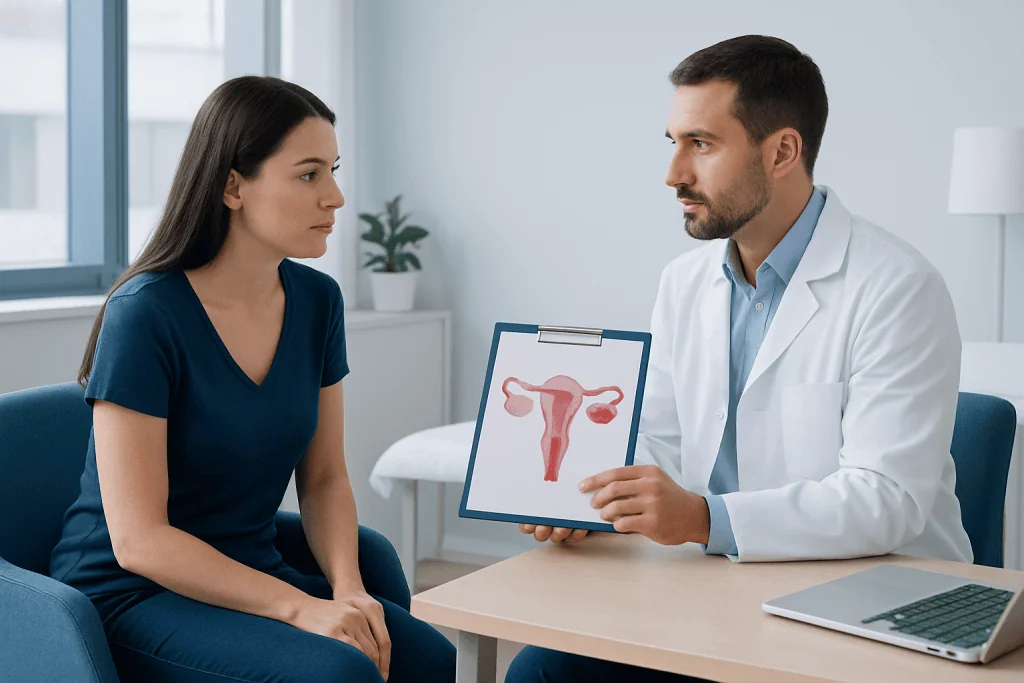
Before surgery, the care team reviews symptoms, medical history, medications, allergies and imaging results. Pelvic ultrasound is commonly used to assess an endometrioma, while magnetic resonance imaging may be useful in selected cases, especially when deep endometriosis is suspected. Blood tests or other preoperative checks may be arranged according to the person’s health and the planned operation.
On the day of surgery, general anesthesia is used, so the patient is asleep and does not feel the procedure. After placing the laparoscope, the surgeon examines the pelvis, identifies the endometrioma and checks for adhesions or other sites of endometriosis. The cyst is opened or separated in a controlled manner, its wall is removed where appropriate, and bleeding is carefully managed to limit injury to normal ovarian tissue.
Removed tissue may be sent to a laboratory for pathological examination, which can confirm the diagnosis and exclude uncommon alternative causes of an ovarian cyst. Many laparoscopic procedures are day surgery or involve one overnight stay, but this varies with the extent of disease, other procedures performed and the patient’s recovery from anesthesia.
In uncommon situations, open abdominal surgery may be needed, for example when disease is extensive, anatomy is significantly altered by adhesions, or there is a concern that requires a different surgical approach. The surgeon should explain the intended procedure, possible alternatives and circumstances in which the plan might need to change.
Benefits, Risks and Expected Results
Possible benefits of endometrioma removal include improvement in pelvic pain, clarification of the diagnosis, removal of a cyst that is concerning or causing symptoms, and treatment of associated endometriosis or adhesions. For some people, surgery may improve the ability to conceive naturally. Its effect on fertility, however, is not the same for everyone and should be considered alongside age, ovarian reserve, partner factors and other causes of infertility.
A key consideration is that operating on an ovary can remove or damage some healthy ovarian tissue. This may lower ovarian reserve, particularly with large cysts, cysts in both ovaries, repeated surgery or difficult-to-separate disease. Surgeons use tissue-sparing techniques, but no operation can eliminate this risk completely.
General surgical risks include bleeding, infection, blood clots, anesthesia reactions and injury to nearby structures such as the bowel, bladder, ureters or blood vessels. Adhesions may also persist or form after surgery. These complications are uncommon, but they are important to discuss during informed consent.
Endometriosis is a chronic condition, and surgery does not guarantee that pain will fully resolve or that cysts will not return. After surgery, hormonal treatment may be recommended for some people who are not trying to conceive, as it can help suppress endometriosis activity and reduce recurrence risk. The most suitable follow-up plan is individualized.
Endometrioma Removal Recovery: Pain, Timeline and Returning to Work
Endometrioma removal recovery time depends on whether surgery was laparoscopic or open, how much endometriosis was treated, and a person’s general health. After laparoscopy, many people go home the same day or the next day. Tiredness, abdominal soreness, mild vaginal spotting and shoulder-tip discomfort from the surgical gas can occur during the first several days.
How painful is the recovery of removal of endometrioma? Recovery discomfort is usually most noticeable in the first few days and gradually improves over one to two weeks after uncomplicated laparoscopy. Pain control may include medicines recommended by the surgical team, gentle movement, rest and attention to constipation prevention. Everyone’s experience differs, especially if extensive endometriosis or adhesions were treated.
How long off work after endometriosis excision? Many people need around one to two weeks away from desk-based work after a straightforward laparoscopic operation, although some return sooner or need longer. Work involving lifting, prolonged standing or heavy physical activity may require more time. Open surgery, complications or extensive excision can extend the recovery period to several weeks, so the surgeon’s advice should guide the return-to-work plan.
Patients are often encouraged to walk short distances as they feel able, increase activity gradually and avoid heavy lifting, vigorous exercise and sexual intercourse until cleared by their clinician. Driving should wait until the person is no longer taking sedating pain medicine and can comfortably perform an emergency stop. A postoperative review provides an opportunity to discuss healing, pathology results and ongoing management.
Can an Endometrioma Return After Surgery?
How quickly can an endometrioma grow back after surgery? Recurrence can happen months or years after surgery, but there is no single predictable timeline. It depends on factors such as the extent of endometriosis, whether disease remains elsewhere in the pelvis, prior history of endometriomas and whether hormonal suppression is suitable after the procedure.
Removing the cyst wall generally offers a lower recurrence risk than draining the cyst alone, but it does not cure the underlying tendency for endometriosis to develop. For patients who are not seeking pregnancy immediately, clinicians may discuss hormonal therapy after surgery to reduce symptoms and suppress disease activity. This approach is not appropriate for every person and does not replace individualized follow-up.
New or returning pelvic pain does not always mean an endometrioma has returned. Symptoms may relate to other endometriosis lesions, adhesions, bowel or bladder conditions, ovulation, or another gynecological cause. Repeat imaging and clinical assessment can help identify the cause rather than assuming recurrence.
For people with future fertility plans, it is usually helpful to discuss timing early. Repeated surgery on the same ovary is avoided where possible because of its potential impact on ovarian reserve. A combined plan involving gynecology and fertility specialists can balance symptom control with reproductive goals.
When to Seek Medical Care
How painful is endometriosis removal surgery? During the operation, general anesthesia prevents pain. Afterward, pain is expected but should steadily improve with the recovery plan provided by the surgical team. Severe pain that is worsening rather than improving should be assessed promptly.
Patients should contact their surgical team or seek urgent medical attention for fever, increasing redness or discharge from an incision, heavy vaginal bleeding, persistent vomiting, inability to pass urine, chest pain, shortness of breath, fainting, marked abdominal swelling, or severe abdominal or pelvic pain. These symptoms do not always indicate a serious complication, but timely assessment is important.
Before surgery, a person should arrange medical review for persistent pelvic pain, painful periods that disrupt daily life, pain during sex, difficulty becoming pregnant, or an ovarian cyst seen on imaging. New sudden one-sided pelvic pain with nausea or vomiting may require urgent assessment because ovarian cyst complications can occasionally occur.
Acibadem International’s multidisciplinary specialists and JCI-accredited hospitals provide assessment and treatment planning for international patients with endometriosis and ovarian endometriomas. Care may involve gynecology, radiology, pathology, pain management and fertility specialists when needed.
Frequently asked questions
Is endometrioma removal always necessary?
No. Some endometriomas can be monitored, particularly when they are not causing significant symptoms and imaging findings are reassuring. The decision depends on pain, cyst features, fertility goals, ovarian reserve and the possibility of complications or another diagnosis.
Will removing an endometrioma improve fertility?
It may improve the chance of natural conception for some people, especially when the cyst or related adhesions affect pelvic anatomy. However, surgery can also reduce ovarian reserve, so fertility benefits and risks should be discussed with a gynecologist or fertility specialist before proceeding.
How long does laparoscopic endometrioma removal take?
The operation length varies according to cyst size, whether one or both ovaries are involved, and the amount of endometriosis or scar tissue present. A straightforward procedure may take a few hours, while complex excision surgery may take longer.
How should someone prepare for endometrioma removal surgery?
The surgical team provides individualized instructions about fasting, medications, smoking cessation, tests and arranging transport home. Patients should tell their clinician about all medicines and supplements, possible pregnancy, allergies, prior surgeries and any history of bleeding or blood clots.
When can someone exercise after endometrioma removal?
Gentle walking is often encouraged soon after laparoscopic surgery, as tolerated. More strenuous exercise, core work, swimming and heavy lifting should wait until incisions are healing well and the surgeon confirms it is safe, often after a follow-up assessment.
Can endometrioma removal cure endometriosis?
Surgery can remove an endometrioma and visible endometriosis lesions, and it may significantly improve symptoms. Endometriosis can persist or recur because it is a chronic condition, so longer-term management and follow-up may still be needed.
References
- American College of Obstetricians and Gynecologists
- European Society of Human Reproduction and Embryology
- National Institute for Health and Care Excellence
- World Health Organization
This article is for general information only and is not a substitute for professional medical advice. Please consult a qualified doctor about your individual situation.
IVF & fertility treatment in Turkey — success rates and costs
JCI-accredited · board-certified surgeons · reply within 24h
Add us as a Preferred Source to see more of our trusted health content across Google Search, AI Overviews and Discover.