Cancer Survivorship Treatment: How It Works, Results and What to Expect

Cancer survivorship treatment begins at diagnosis and continues after active treatment ends. A survivorship care plan can summarize past treatment, outline follow-up tests and identify possible late effects.
Key Takeaways
- Cancer survivorship treatment begins at diagnosis and continues after active treatment ends.
- A survivorship care plan can summarize past treatment, outline follow-up tests and identify possible late effects.
- Care may include oncology follow-up, rehabilitation, nutrition support, mental health care and management of treatment-related symptoms.
- The right follow-up schedule depends on the cancer type, stage, treatments received and personal health needs.
- New or persistent symptoms should be discussed with a clinician rather than assumed to be a normal part of recovery.
Cancer survivorship treatment is personalized care for people during and after cancer treatment, focused on monitoring health, managing lasting effects, supporting recovery and promoting long-term wellbeing. It is not one single procedure; it is an ongoing plan created around the person’s cancer history, treatments, symptoms and goals.
Overview: what cancer survivorship treatment means
Cancer survivorship treatment is coordinated medical and supportive care for a person who has been diagnosed with cancer, including during treatment and after active treatment has finished. Its purpose is to help people transition from cancer-directed treatment to ongoing health care, while addressing physical, emotional, practical and social needs that may remain or develop over time.
Many people think survivorship starts only when they are cancer-free. In clinical care, however, survivorship commonly refers to the period from diagnosis onward. Some people receive regular surveillance after curative treatment, while others live for years with cancer controlled as a long-term condition. Both situations may benefit from a survivorship-focused approach.
A central part of cancer survivorship treatment is a written survivorship care plan. This document may summarize the diagnosis, surgery, medicines, chemotherapy, radiotherapy and other treatments received. It can also describe recommended follow-up, possible late effects, healthy lifestyle guidance and which clinicians are responsible for different aspects of care.
How survivorship care works
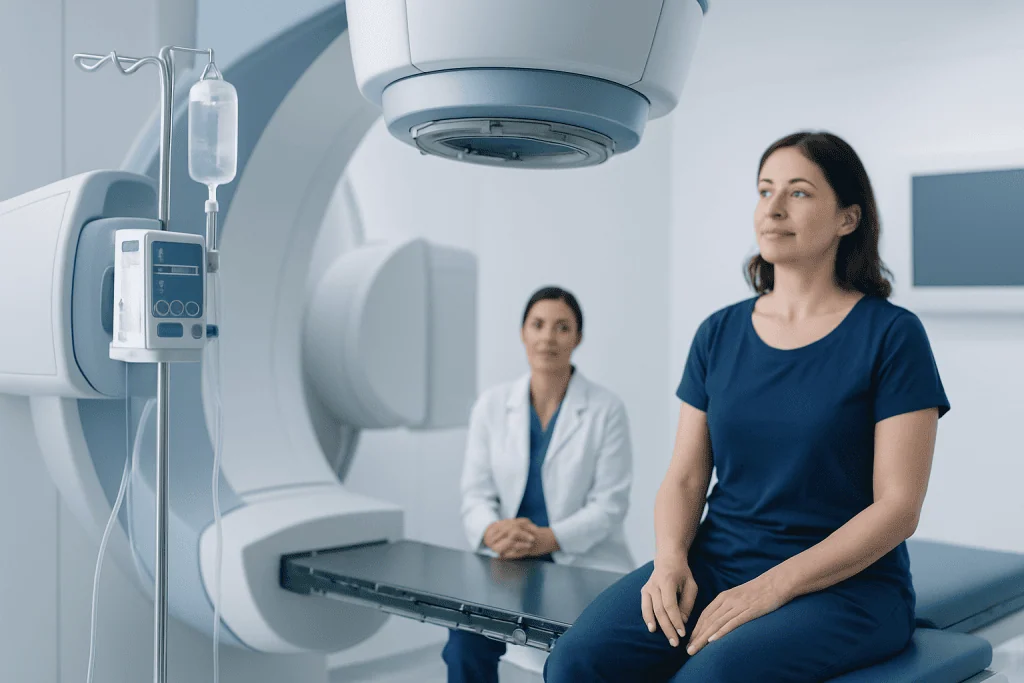
Survivorship care is usually led by an oncologist, primary care clinician or dedicated survivorship team. The team reviews the person’s cancer history and current health, then develops a plan for surveillance, symptom care and preventive health. The plan should be updated when health needs, medicines or life circumstances change.
Follow-up visits may include a discussion of symptoms, a physical examination, selected laboratory tests and imaging when clinically appropriate. The aim is not to test everyone in the same way. Instead, clinicians tailor surveillance to the type of cancer, risk of recurrence, previous treatment and evidence-based guidelines. Routine testing that is unlikely to improve outcomes is generally avoided.
Survivorship treatment also connects people with other specialists when needed. For example, persistent fatigue may involve rehabilitation and sleep assessment; numbness or pain may require pain management or neurology input; and anxiety, low mood or fear of recurrence may be supported through psycho-oncology or mental health care. This coordinated approach recognizes that recovery involves more than cancer surveillance alone.
Who may benefit and how candidacy is assessed

Every person affected by cancer can benefit from some level of survivorship care. Needs differ widely: one person may need only a clear follow-up schedule, while another may need help with complex treatment effects, return to work, fertility concerns, nutrition, mobility or emotional adjustment.
Clinicians assess survivorship needs by reviewing the original cancer diagnosis, stage, treatments received and current health conditions. Particular attention is given to therapies that can have delayed effects, such as certain chemotherapy medicines, radiotherapy, hormone therapy, immunotherapy, stem cell transplantation or extensive surgery. Age, family history, lifestyle factors and personal goals are also important.
A person may be referred for additional assessment if they have ongoing symptoms, difficulty resuming usual activities or concerns about future health. For example, people recovering from cancer surgery may benefit from cancer rehabilitation to improve strength, function and confidence with everyday activities. A tailored plan can be useful whether treatment ended recently or many years ago.
What to expect: step-by-step care pathway
The first step is usually a survivorship review near the end of active cancer treatment, or at a later point when a person enters follow-up care. The clinician reviews treatment records, explains the expected follow-up schedule and asks about symptoms, daily function, medications, emotional wellbeing and practical concerns. People are encouraged to bring questions and to mention concerns that may feel unrelated to cancer.
Next, the team creates or updates a care plan. This may include scheduled oncology visits, guidance on which symptoms to report, recommended screening for other health conditions, vaccination advice and referrals to supportive services. Depending on individual needs, care may involve physiotherapy, occupational therapy, dietetics, sexual health support, social work, pain management or counseling.
During follow-up, clinicians monitor for recurrence when relevant, as well as late or long-term effects of treatment. They may also help manage conditions that were present before cancer, such as diabetes, heart disease or osteoporosis. Communication between the cancer team and primary care clinician is important so that routine health needs are not overlooked.
Over time, visits may become less frequent if the risk of recurrence decreases and recovery is stable. However, a survivor should remain aware of recommended screening and should know whom to contact if new symptoms or concerns arise.
Recovery timeline, benefits and possible challenges
There is no single recovery timeline after cancer treatment. Some effects improve within weeks or months, while others can last longer or appear years later. Recovery can also be uneven: a person may feel physically stronger while still experiencing fatigue, concentration changes, sleep disruption or worry about cancer returning.
The potential benefits of cancer survivorship treatment include clearer follow-up, earlier recognition of treatment-related problems, improved symptom control and support for returning to meaningful daily activities. It may also help people make informed decisions about exercise, nutrition, work, relationships, fertility, sexual health and preventive care.
Survivorship care does not eliminate the possibility of recurrence or every long-term effect of treatment. Follow-up tests can sometimes lead to uncertain findings, further testing or understandable anxiety. Some symptoms, such as fatigue, neuropathy, pain or cognitive changes, may require time and several treatment approaches. Open communication helps the care team balance appropriate monitoring with quality of life.
For people whose cancer treatment has affected appearance, movement or function, rehabilitation and specialist support can be part of recovery. For instance, reconstructive options following cancer surgery may be discussed through breast reconstruction when appropriate to the individual’s diagnosis and goals.
Self-care and long-term health after cancer
Healthy routines can support general health and recovery, but they do not replace medical follow-up. A care team may advise regular physical activity suited to the person’s current ability, balanced eating patterns, adequate sleep, avoidance of tobacco and moderation or avoidance of alcohol. Any major diet, supplement or exercise change should be discussed with a clinician, especially during ongoing treatment or when medicines are being taken.
Managing emotional wellbeing is also an important part of survivorship. It is common to experience uncertainty, sadness, body-image concerns or fear of recurrence. Support may come from counseling, support groups, trusted family or friends, spiritual care or a mental health professional. Asking for help is a practical and appropriate part of recovery.
People should keep an accessible record of their cancer diagnosis and treatment, including pathology results, treatment summaries and current medications. This information can help new clinicians understand possible late effects and make safer decisions about future care. It is also useful to continue recommended age-appropriate screening for conditions unrelated to the original cancer.
When to seek medical care
People should contact their cancer team or primary care clinician if they develop a new, persistent or worsening symptom. Examples include unexplained weight loss, a new lump or swelling, persistent pain, unusual bleeding, ongoing cough or breathlessness, marked changes in bowel or bladder habits, fever, severe fatigue or neurological symptoms. These symptoms often have causes other than cancer, but timely assessment is important.
Urgent medical care is needed for severe chest pain, sudden shortness of breath, fainting, new weakness on one side of the body, confusion, seizures, heavy bleeding or signs of a serious allergic reaction. Individuals who are receiving chemotherapy, immunotherapy or other active treatments should also follow the urgent-contact instructions provided by their oncology team.
Acibadem International’s multidisciplinary specialists and JCI-accredited hospitals support international patients with individualized cancer follow-up, symptom management and rehabilitation. People can ask their clinician whether a structured survivorship consultation or referral to a relevant supportive-care specialist would be helpful.
Frequently asked questions
Is cancer survivorship treatment the same as cancer treatment?
No. Cancer treatment is directed at controlling or removing cancer, such as surgery, chemotherapy, radiotherapy, targeted therapy or immunotherapy. Survivorship treatment focuses on health needs during and after cancer care, including follow-up, monitoring, recovery and management of long-term effects.
When does cancer survivorship care start?
Survivorship care can begin at the time of cancer diagnosis and becomes especially important as active treatment ends. It may continue for many years, depending on the person’s cancer type, treatment history and ongoing health needs.
What is included in a survivorship care plan?
A survivorship care plan commonly includes a summary of the cancer diagnosis and treatments received, a follow-up schedule and information about possible late effects. It may also include recommended screening, lifestyle guidance, current medications and contact details for the clinicians involved in care.
How often are follow-up appointments needed after cancer treatment?
Follow-up frequency varies according to the cancer type, stage, treatments received and time since treatment. Appointments are often more frequent in the earlier period after treatment and may become less frequent over time, but the individual care plan should guide this schedule.
Can symptoms appear years after cancer treatment?
Yes. Some effects of chemotherapy, radiotherapy, surgery or other therapies can develop or become noticeable months or years later. Regular health care and sharing a treatment history with clinicians can help identify and manage these issues.
Can a primary care doctor provide survivorship care?
A primary care doctor can play an important role in survivorship care, especially for routine prevention, chronic disease management and general health concerns. Depending on the cancer and treatment history, care may be shared with an oncologist and other specialists.
References
- American Cancer Society
- National Cancer Institute
- American Society of Clinical Oncology
- European Society for Medical Oncology
- World Health Organization
This article is for general information only and is not a substitute for professional medical advice. Please consult a qualified doctor about your individual situation.
Oncology care in Turkey — second opinion and treatment plan
JCI-accredited · board-certified surgeons · reply within 24h
Add us as a Preferred Source to see more of our trusted health content across Google Search, AI Overviews and Discover.