Endometriosis Specialist Louisville Ky: An Evidence-Based Patient Guide

Endometriosis occurs when tissue similar to the uterine lining grows outside the uterus and can cause pain, heavy periods, bowel or bladder symptoms, and fertility difficulties. A gynecologist is often the first doctor to see; complex symptoms or surgery needs may call for a minimally invasive gynecologic surgeon and a multidisciplinary team.
Key Takeaways
- Endometriosis occurs when tissue similar to the uterine lining grows outside the uterus and can cause pain, heavy periods, bowel or bladder symptoms, and fertility difficulties.
- A gynecologist is often the first doctor to see; complex symptoms or surgery needs may call for a minimally invasive gynecologic surgeon and a multidisciplinary team.
- Diagnosis is based on symptoms, examination and imaging, although normal imaging does not rule out endometriosis.
- Treatment is guided by symptoms, location of disease, personal preferences and pregnancy plans; it may include pain relief, hormonal treatment, surgery or fertility care.
- Urgent assessment is appropriate for sudden severe pelvic pain, fainting, heavy bleeding, fever, vomiting or possible pregnancy with pain or bleeding.
An endometriosis specialist in Louisville, KY is typically an obstetrician-gynecologist with experience in chronic pelvic pain, infertility and minimally invasive gynecologic surgery. The right clinician listens carefully, evaluates symptoms and goals, and helps create an individualized plan that may include medicines, surgery, fertility support and pain care.
Overview: finding an endometriosis specialist in Louisville, KY
For someone looking for an endometriosis specialist in Louisville, KY, a practical starting point is an obstetrician-gynecologist (OB-GYN) who regularly evaluates pelvic pain and suspected endometriosis. If symptoms are severe, previous treatment has not helped, fertility is affected, or surgery may be needed, referral to a minimally invasive gynecologic surgeon with endometriosis experience can be especially useful.
Endometriosis is a chronic inflammatory condition in which tissue similar to the lining of the uterus grows elsewhere in the body, most often on pelvic structures. It can affect people differently: some have substantial pain, others mainly experience infertility, and some have few or no symptoms. A respectful, evidence-based consultation should focus on the person’s symptoms, quality of life, medical history and reproductive goals rather than pain severity alone.
Specialist care may involve more than one clinician. Depending on the pattern of disease, a team can include gynecology, fertility specialists, pelvic-floor physiotherapy, pain medicine, gastroenterology, urology and mental health support. This approach can be valuable when pain, bowel symptoms, bladder symptoms or fertility concerns overlap.
Symptoms, causes and risk factors
The most common symptom is pelvic pain, particularly painful menstrual periods that interfere with work, school, sleep or daily activity. Other possible symptoms include pain during or after sex, chronic pelvic or lower-back pain, painful bowel movements or urination around menstruation, bloating, fatigue, nausea and heavy or irregular bleeding. Symptoms can resemble other conditions, including irritable bowel syndrome, pelvic inflammatory disease, uterine fibroids and ovarian cysts.
Endometriosis can also be associated with difficulty becoming pregnant. However, many people with endometriosis conceive without fertility treatment, and a diagnosis does not automatically mean infertility. A clinician can discuss when fertility evaluation is appropriate based on age, duration of trying to conceive, symptoms and other individual factors.
The exact cause is not fully understood. Research suggests that genetic, hormonal, immune and environmental factors may contribute. Having a close relative with endometriosis may increase the likelihood of developing it. Menstrual factors and early onset of periods may also be associated with risk, but endometriosis is not caused by anything a person did or did not do.
- Symptoms may fluctuate throughout the menstrual cycle, but they can also occur at other times.
- The extent of disease seen at surgery does not always match the level of pain experienced.
- Keeping a symptom and cycle diary can help make a specialist visit more productive.
What is the best doctor to see for endometriosis?
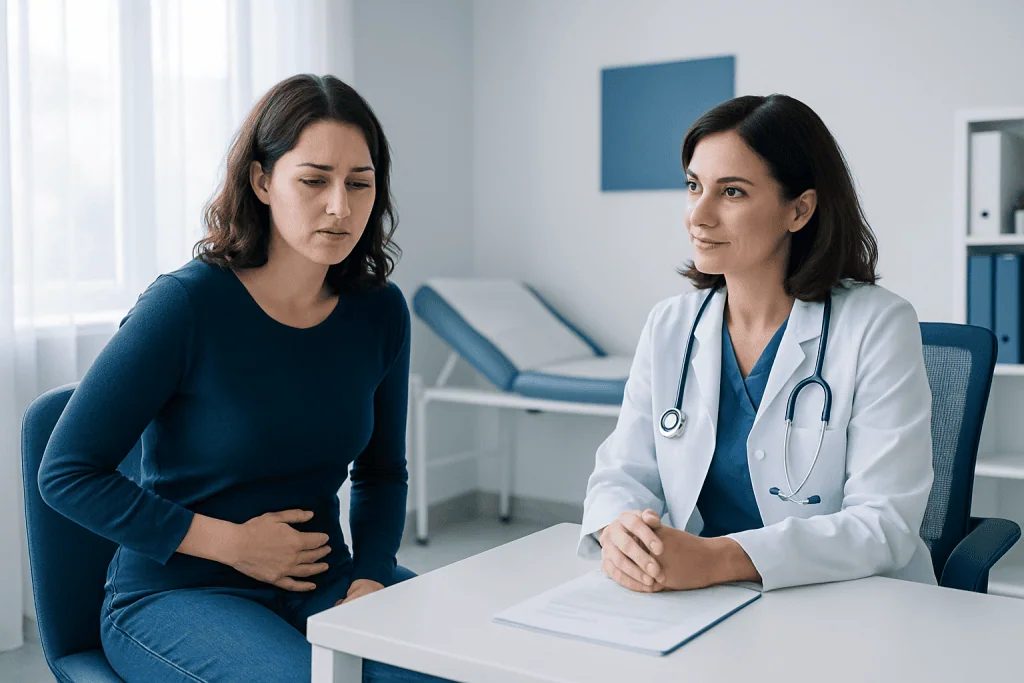
An OB-GYN is generally the best first doctor to see for suspected endometriosis. They can review symptoms, perform an appropriate pelvic examination when suitable, order imaging and discuss initial treatment options. A primary care clinician can also make this referral and help assess other possible causes of pelvic symptoms.
A minimally invasive gynecologic surgeon may be the preferred specialist when symptoms persist despite medical treatment, imaging suggests an ovarian endometrioma or deep disease, fertility-preserving surgery is being considered, or prior surgery has not resolved symptoms. These surgeons have training in laparoscopic and robotic approaches and may work alongside colorectal surgeons or urologists if disease may involve the bowel, bladder or ureters.
For people trying to conceive, a reproductive endocrinologist and infertility specialist can help assess fertility and discuss timed attempts, ovulation treatment, intrauterine insemination or in vitro fertilization when indicated. Care is most effective when the chosen clinician explains the expected benefits, limitations and risks of each option in relation to the individual’s goals.
Who are some good endometriosis doctors in Louisville, KY?
Rather than relying on a list of names that can change over time, patients can look for Louisville-based OB-GYNs or minimally invasive gynecologic surgeons who state that they evaluate and treat endometriosis, chronic pelvic pain or complex gynecologic conditions. Hospital and health-system clinician directories, medical board directories and referrals from a primary care clinician or general OB-GYN can help identify current local options.
Useful questions when choosing a doctor include: How often do they manage endometriosis? Do they offer both medical and surgical options? What is their approach to suspected bowel, bladder or ovarian involvement? How do they coordinate fertility care? Are pelvic-floor therapy and pain-management referrals available? A clinician should welcome questions and support shared decision-making.
It may be reasonable to request a second opinion, particularly before repeat surgery, major organ surgery or a treatment that could affect fertility. Medical records, imaging reports, prior operative reports and a written history of symptoms can help a new specialist give an informed opinion.
Diagnosis and the four D's of endometriosis
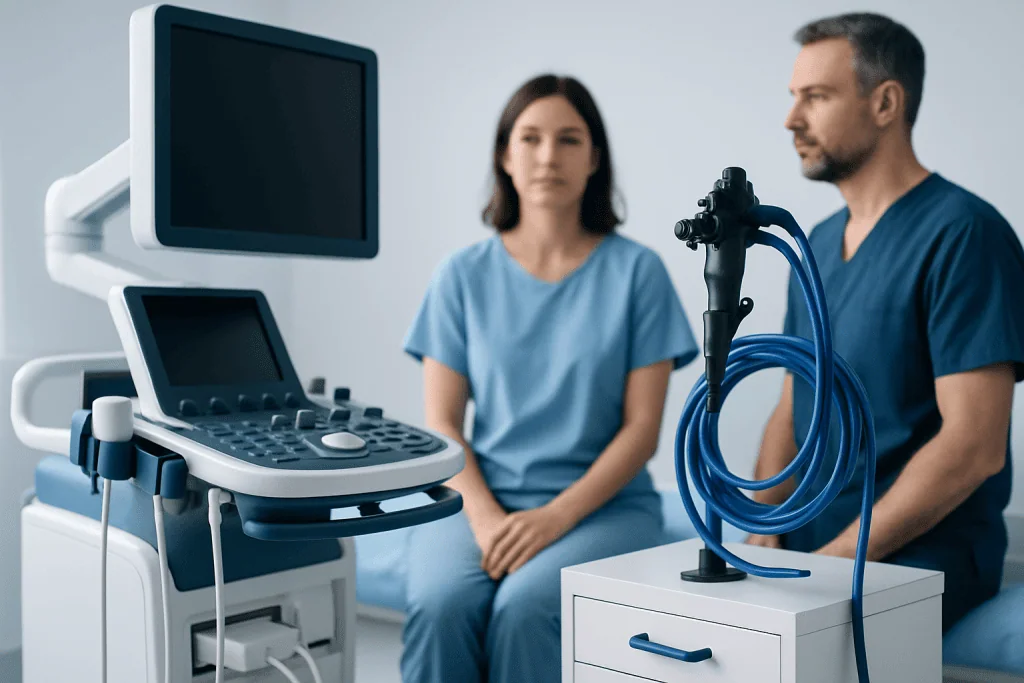
Endometriosis is often diagnosed clinically, meaning that a clinician may make a working diagnosis based on characteristic symptoms, examination findings and imaging while beginning treatment. Pelvic ultrasound is commonly used to look for ovarian endometriomas and other causes of pelvic pain. Magnetic resonance imaging may be useful when deep endometriosis is suspected or before complex surgery. Importantly, a normal ultrasound or MRI cannot exclude superficial endometriosis.
The phrase “four D’s of endometriosis” is an informal memory aid, not a formal diagnostic standard. It commonly refers to dysmenorrhea (painful periods), dyspareunia (pain with sex), dyschezia (painful bowel movements) and dysuria (painful urination), particularly when symptoms are cyclical. Not everyone has these symptoms, and having one or more does not confirm endometriosis; other conditions need consideration.
Laparoscopy is a minimally invasive operation that can directly view the pelvis and, when appropriate, remove or biopsy suspicious tissue. It is no longer required in every person before starting symptom-directed treatment. Surgery is considered when the diagnosis remains unclear, symptoms do not respond adequately to non-surgical care, an endometrioma or deep disease needs assessment, or treatment goals make surgery appropriate.
Treatment options and how endometriosis surgery works
Treatment is individualized. Nonsteroidal anti-inflammatory medicines may help some people manage pain, while hormonal treatments can reduce menstrual bleeding and suppress endometriosis activity. Options may include combined hormonal contraception, progestin-based treatment, hormonal intrauterine devices and medicines that modify ovarian hormone production. These treatments do not remove existing lesions and are not suitable for everyone, especially when pregnancy is currently desired.
When surgery is appropriate, the usual procedure is laparoscopic excision or removal of visible endometriosis. Under general anesthesia, the surgeon makes a few small abdominal incisions, inserts a camera and fine instruments, examines the pelvis, and removes or destroys selected areas of disease. Excision aims to cut out lesions; the chosen technique depends on disease location, surgical expertise, safety and the person’s goals. Endometriosis surgery may also include treatment of an ovarian endometrioma or release of scar tissue when clinically appropriate.
Candidacy for surgery depends on symptoms, response to medical care, imaging findings, suspected disease location, prior operations and fertility plans. Potential benefits include diagnosis confirmation, removal of visible disease, improved pain for some patients and improved access to reproductive organs where adhesions are present. However, symptoms can recur, surgery cannot guarantee pain relief or pregnancy, and repeat procedures can carry additional risks.
Recovery after uncomplicated laparoscopy often involves going home the same day or after a short stay. Shoulder-tip discomfort from surgical gas, abdominal tenderness, fatigue and light vaginal bleeding can occur initially. Many people resume light activities within days and return to work or usual routines over roughly one to several weeks, depending on the extent of surgery. The surgical team provides individualized recovery instructions and follow-up.
Possible risks include bleeding, infection, blood clots, anesthesia reactions, injury to the bowel, bladder, ureters, blood vessels or nerves, and need for a more extensive operation. Risks may be higher with deep disease or operations involving other organs. A detailed consent discussion should explain expected benefits, alternatives and condition-specific risks before any procedure.
How do the Japanese treat endometriosis?
Endometriosis treatment in Japan follows many of the same evidence-based principles used internationally: symptom assessment, imaging when helpful, pain relief, hormonal suppression and surgery for selected patients. Japanese gynecologists may use combined hormonal contraceptives, progestins and gonadotropin-releasing hormone medicines, with the choice tailored to symptoms, side-effect considerations and pregnancy plans.
Dienogest, a progestin medication, has been widely used in Japan and in other countries for endometriosis-related pain. Availability, approved indications and prescribing practices vary by country, so a person should not assume that a medicine used in Japan is appropriate or available in the United States. A qualified clinician can explain locally available, evidence-based options.
As elsewhere, laparoscopic surgery may be considered for persistent symptoms, endometriomas, deep disease or specific fertility-related circumstances. The most important feature of care is not a country-specific approach but access to clinicians who can discuss all reasonable options, provide follow-up and coordinate care when symptoms involve several body systems.
Self-care, follow-up and when to seek medical care
Self-care does not replace medical treatment, but it may support symptom control. A cycle and symptom diary can identify patterns and help track treatment response. Gentle activity, adequate rest, heat therapy and individualized pelvic-floor physiotherapy may help some people. Nutrition changes are sometimes explored, but no single diet has been proven to treat endometriosis; restrictive diets should be discussed with a qualified professional.
Regular follow-up helps ensure treatment remains aligned with symptom changes and reproductive plans. New or worsening pain, persistent bleeding, medication side effects, bowel or urinary changes, or difficulty conceiving are all reasons to contact a clinician. Emotional wellbeing also matters: chronic pain can affect mood, relationships and daily functioning, and counseling or pain-focused support may be beneficial.
Seek urgent medical care for sudden severe pelvic or abdominal pain, fainting, fever with pelvic pain, persistent vomiting, very heavy vaginal bleeding, or pelvic pain with a positive pregnancy test or possible pregnancy. These symptoms can have causes other than endometriosis and need prompt assessment.
For international patients seeking coordinated evaluation, Acibadem International’s multidisciplinary specialists and JCI-accredited hospitals diagnose and treat endometriosis with care plans tailored to symptoms and reproductive goals.
Frequently asked questions
Can endometriosis be diagnosed without surgery?
Yes. Many clinicians make a clinical diagnosis based on symptoms, examination and imaging, then discuss treatment without immediate surgery. Ultrasound and MRI can identify some forms of disease or rule out other causes, but normal imaging does not exclude endometriosis.
Is an endometriosis specialist different from a regular gynecologist?
Some gynecologists have additional experience in chronic pelvic pain, complex endometriosis and minimally invasive surgery. A referral may be helpful when symptoms are difficult to control, fertility is a concern, imaging suggests complex disease, or surgery is being considered.
Does endometriosis always cause infertility?
No. Many people with endometriosis become pregnant without fertility treatment. Endometriosis can make conception more difficult for some people, so early discussion with a gynecologist or fertility specialist may be helpful when pregnancy is desired.
What should a patient bring to an endometriosis consultation?
Helpful materials include a symptom and menstrual-cycle diary, medication list, previous imaging reports, laboratory results and records from earlier surgeries. It is also useful to write down fertility goals and questions about treatment options before the visit.
Can endometriosis return after surgery?
Yes. Surgery can remove visible disease and may improve symptoms, but it does not guarantee that symptoms will not recur. Ongoing follow-up and, for people not trying to conceive, hormonal treatment may be considered to help manage recurrence risk.
When should pelvic pain be treated urgently?
Sudden severe pain, fainting, fever, persistent vomiting, very heavy bleeding, or pain with possible pregnancy requires prompt medical assessment. These symptoms may indicate conditions that need urgent treatment, whether or not endometriosis is present.
References
- American College of Obstetricians and Gynecologists
- World Health Organization
- European Society of Human Reproduction and Embryology
- National Institute for Health and Care Excellence
- Office on Women's Health, U.S. Department of Health and Human Services
This article is for general information only and is not a substitute for professional medical advice. Please consult a qualified doctor about your individual situation.
Endometriosis in Turkey — costs, top hospitals & a free quote
JCI-accredited · board-certified surgeons · reply within 24h
Add us as a Preferred Source to see more of our trusted health content across Google Search, AI Overviews and Discover.
Check your numbers in seconds
BMI, calories, due date, blood pressure and 30+ more clinical calculators — free, instant, doctor-reviewed ranges.

Gynecology & Obstetrics
Women’s health across pregnancy, gynecologic surgery and high-risk pregnancy care.
187 specialists in this unit