Endometritious — Explained by Medical Evidence, Not Myths

Endometritious usually refers to endometritis, which affects the lining of the uterus. Common symptoms include pelvic pain, fever, abnormal bleeding, and unusual vaginal discharge.
Key Takeaways
- Endometritious usually refers to endometritis, which affects the lining of the uterus.
- Common symptoms include pelvic pain, fever, abnormal bleeding, and unusual vaginal discharge.
- It may occur after childbirth, miscarriage, gynecologic procedures, or as part of a pelvic infection.
- Diagnosis is based on symptoms, examination, and sometimes lab tests or imaging.
- Treatment often includes antibiotics, and prompt care can help prevent complications.
Endometritious is commonly used to mean endometritis, a condition involving infection or inflammation of the lining of the uterus. It can cause pelvic pain, abnormal bleeding, fever, or unusual discharge, and it is important to have symptoms assessed because treatment is often straightforward once the cause is identified.
What endometritious means
Endometritious is not the standard medical spelling, but it is commonly used online to refer to endometritis. Endometritis means inflammation or infection of the endometrium, the inner lining of the uterus. In everyday terms, it is a condition that affects the womb lining and can happen after pregnancy-related events, gynecologic procedures, or pelvic infections.
This distinction matters because endometritis is different from endometriosis, a separate condition in which tissue similar to the uterine lining grows outside the uterus. The two names sound alike, but they are not the same illness and they are treated differently. People searching for endometritious are often looking for clear, evidence-based information about symptoms, causes, and care for endometritis.
In many cases, endometritis is treatable, especially when recognized early. A clinician will usually consider the person’s symptoms, recent childbirth or procedures, and signs of infection before deciding on tests and treatment. If symptoms are severe or occur after delivery, miscarriage, or a pelvic procedure, medical evaluation is especially important.
How it can feel: common symptoms and patterns
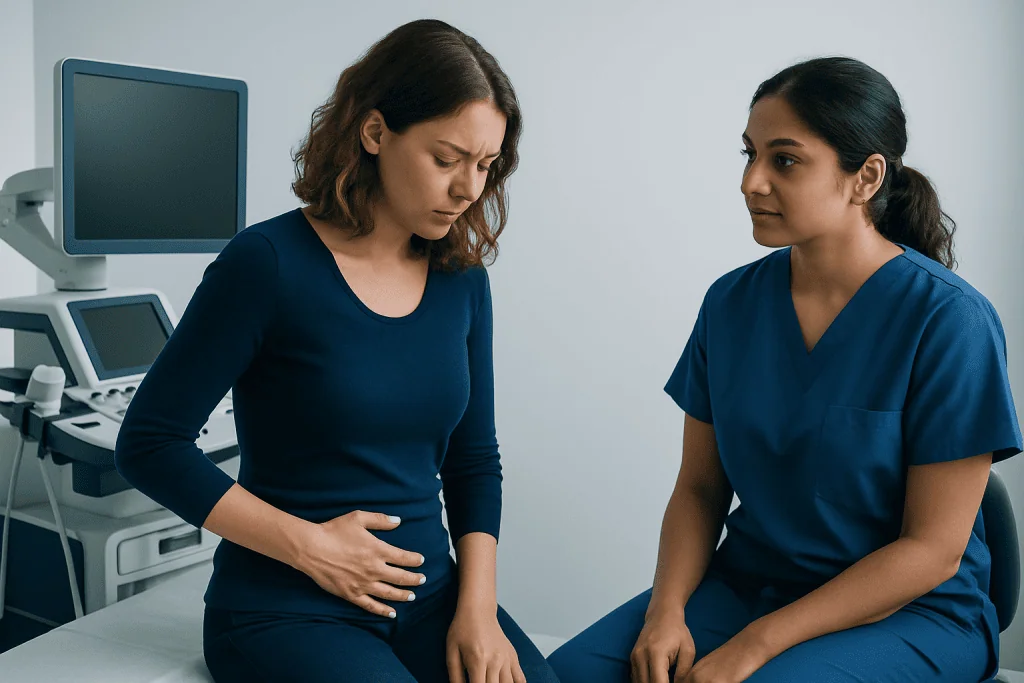
Symptoms of endometritis can vary from mild to more noticeable. Some people develop lower abdominal or pelvic pain, uterine tenderness, fever, chills, feeling generally unwell, abnormal vaginal bleeding, or discharge that seems unusual in amount, color, or odor. Pain during intercourse or discomfort when the uterus is examined may also occur.
Symptoms often appear in a recognizable context. For example, endometritis may develop after childbirth, especially after a cesarean birth, or after miscarriage, abortion, or certain procedures involving the uterus. It can also occur as part of a broader pelvic infection. In some cases, symptoms come on fairly quickly; in others, they may be more gradual and nonspecific.
Because symptoms can overlap with other gynecologic problems, endometritis should not be self-diagnosed based on internet descriptions alone. Conditions such as pelvic inflammatory disease, retained pregnancy tissue, urinary infection, or even non-infectious causes of pelvic pain may look similar at first. When bleeding, pain, or fever occur together, a medical review is sensible.
- Pelvic or lower abdominal pain
- Fever or chills
- Abnormal uterine bleeding
- Unusual vaginal discharge
- Feeling tired or unwell
- Tenderness in the lower abdomen or uterus
Why it happens: causes and risk factors
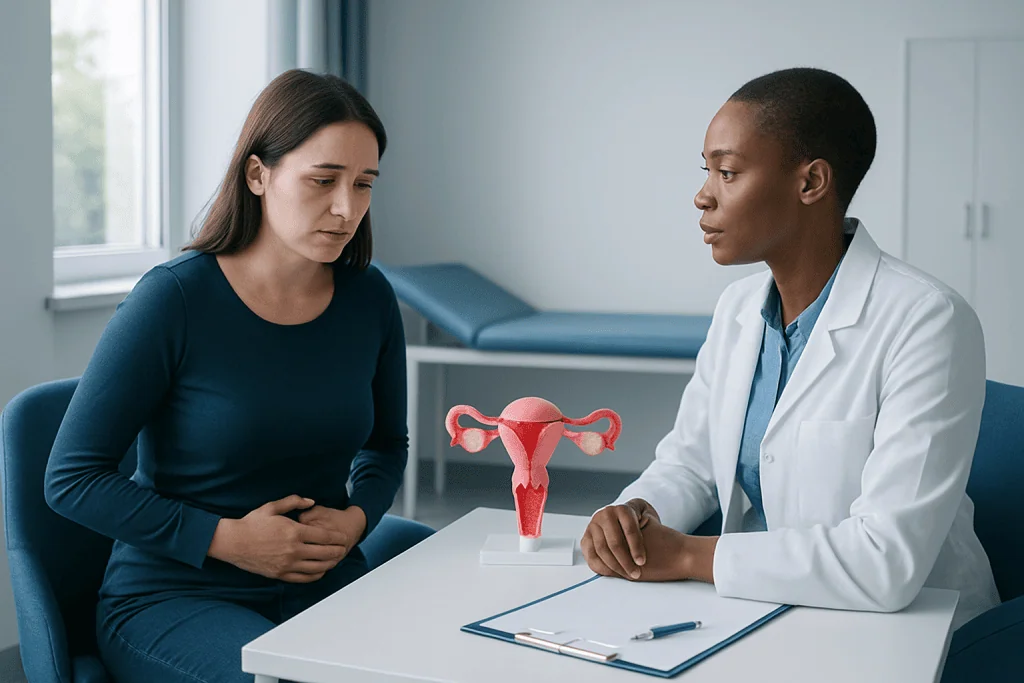
Endometritis most often happens when bacteria enter the uterus and trigger infection or inflammation. This may happen after labor and delivery, particularly cesarean birth, because the uterus has recently been opened and is more vulnerable to infection. It may also develop after miscarriage, abortion, insertion or removal of instruments through the cervix, or other uterine procedures.
Sexually transmitted infections can also play a role, particularly when infection spreads upward from the cervix into the uterus. In some people, endometritis occurs alongside pelvic inflammatory disease, which can involve the uterus, fallopian tubes, and nearby pelvic structures. Less commonly, chronic endometritis may be linked with ongoing low-grade inflammation and may be investigated in the context of infertility, recurrent implantation failure, or recurrent pregnancy loss.
Risk factors do not mean a person will definitely develop the condition, but they help explain who may need closer attention to symptoms. These can include recent childbirth, cesarean delivery, prolonged labor, prolonged rupture of membranes, retained tissue after pregnancy events, frequent vaginal examinations during labor, sexually transmitted infections, or recent gynecologic instrumentation. A clinician interprets these risks together with the person’s symptoms and examination findings.
How doctors confirm the diagnosis
Diagnosis begins with a detailed medical history and physical examination. A doctor may ask about recent childbirth, miscarriage, abortion, fertility treatment, intrauterine procedures, menstrual changes, pelvic pain, discharge, and fever. During the examination, the abdomen and pelvis may be checked for tenderness, and the doctor may look for signs that suggest infection in the cervix or vagina as well.
Laboratory tests can help support the diagnosis. These may include blood tests to look for signs of infection or inflammation, urine tests if urinary symptoms are present, and vaginal or cervical swabs when a sexually transmitted infection or another genital infection is possible. In some situations, pregnancy-related causes of bleeding or pain also need to be ruled out.
Imaging is not always required, but it can be helpful if the diagnosis is uncertain or if a complication is suspected. Pelvic ultrasound may be used to look for retained products of conception, collections of fluid, or other uterine or ovarian causes of symptoms. In more complex cases, further evaluation by gynecology may be needed, and some people may be assessed for related problems such as endometriosis if their symptoms suggest a different or overlapping cause.
Treatment options and what recovery usually involves
Treatment depends on the likely cause, the severity of symptoms, and whether the person is postpartum, post-procedure, or has signs of a broader pelvic infection. When bacterial infection is suspected, antibiotics are the main treatment. People who are very unwell, have high fever, cannot take oral medicines, or have recently given birth may need hospital-based care with intravenous antibiotics and close observation.
If the infection is related to retained tissue in the uterus after pregnancy or a procedure, treatment may also involve removing that tissue. This is done only after careful medical assessment, because the exact approach depends on the person’s clinical situation. Supportive care such as fluids, rest, and pain relief may help with recovery while the underlying infection is treated.
Doctors may also recommend evaluation or treatment for sexual partners if a sexually transmitted infection is involved. Follow-up is important if symptoms do not improve as expected, because persistent pain, ongoing bleeding, or continued fever may mean that the diagnosis needs review or that further treatment is needed. In selected cases, a specialist may combine assessment with procedures such as hysteroscopy to examine the uterine cavity, or surgery if another pelvic problem is identified. For complex pelvic conditions, treatments such as laparoscopy may be considered when clinically appropriate.
Prevention, self-care, and protecting reproductive health
Not every case can be prevented, but some steps can lower risk. Good prenatal and postpartum care, timely treatment of sexually transmitted infections, and appropriate infection-prevention measures during labor and gynecologic procedures are all important. Clinicians may use preventive antibiotics in some higher-risk situations, such as around certain surgeries, based on standard medical guidelines.
At home, self-care does not replace medical treatment, but it can support recovery. Rest, hydration, and taking prescribed medicines exactly as directed can help. It is also wise to avoid sexual intercourse, tampon use, or douching until a doctor says it is safe, especially if there is ongoing bleeding, discharge, or pelvic pain.
People trying to conceive or worried about fertility often feel anxious after reading about uterine infections online. Most people recover well when treatment is started promptly. However, untreated or severe infection can sometimes affect the reproductive organs, which is one reason not to ignore symptoms. If concerns involve fertility, recurrent miscarriage, or structural problems in the uterus, specialists may discuss further evaluation and, when suitable, options such as IVF treatment in the broader context of reproductive care.
When to seek medical care
Medical care should be sought promptly for pelvic pain with fever, heavy or unusual bleeding, foul-smelling discharge, or symptoms that begin after childbirth, miscarriage, abortion, or a uterine procedure. These symptoms do not always mean endometritis, but they do need professional assessment because several important conditions can present in similar ways.
Urgent attention is especially important if there is worsening pain, dizziness, fainting, vomiting, inability to keep fluids down, or rapidly increasing bleeding. Postpartum symptoms deserve particular caution because infection after delivery can progress if left untreated. It is also sensible to seek advice if symptoms persist despite treatment, or if they keep returning.
Near the end of the care pathway, some patients may benefit from multidisciplinary gynecologic assessment. Acibadem International’s multidisciplinary specialists at JCI-accredited hospitals diagnose and treat gynecologic infections and related pelvic conditions for international patients, particularly when symptoms are complex or ongoing.
Frequently asked questions
Is endometritious the same as endometriosis?
No. Endometritious usually refers to endometritis, which is inflammation or infection of the uterine lining. Endometriosis is a different condition in which tissue similar to the uterine lining grows outside the uterus.
Can endometritis go away on its own?
Because endometritis is often related to infection, it should be medically assessed rather than watched at home. Some mild symptoms may overlap with less serious conditions, but pelvic pain, fever, abnormal bleeding, or unusual discharge should be evaluated by a doctor.
What are the first signs of endometritis?
Early signs may include pelvic or lower abdominal pain, fever, chills, abnormal bleeding, or unusual discharge. After childbirth or a uterine procedure, these symptoms are especially important to report promptly.
Can endometritis affect fertility?
It can, particularly if infection is severe, untreated, or part of a broader pelvic infection. However, many people recover fully with timely treatment, and a doctor can advise whether any further fertility evaluation is needed.
How is endometritis diagnosed?
Doctors diagnose it using the medical history, symptoms, and a physical examination. They may also use blood tests, cervical or vaginal swabs, urine tests, and pelvic ultrasound depending on the situation.
How is endometritis treated?
Antibiotics are the main treatment when infection is suspected or confirmed. Some people can be treated at home, while others may need hospital care if symptoms are more severe or occur after childbirth.
References
- World Health Organization
- American College of Obstetricians and Gynecologists
- Centers for Disease Control and Prevention
- National Institutes of Health
- Royal College of Obstetricians and Gynaecologists
This article is for general information only and is not a substitute for professional medical advice. Please consult a qualified doctor about your individual situation.
Explore treatments in Turkey — costs, top hospitals & a free quote
JCI-accredited · board-certified surgeons · reply within 24h
Add us as a Preferred Source to see more of our trusted health content across Google Search, AI Overviews and Discover.

More from the Health Library



Related Specialists

Prof. Dr. Derya Eroğlu
Gynecology & Obstetrics
Dyt. Tuğçe Sütçüoğlu
Nutrition & Diet
Dt. Ali Osman Maviş
Oral & Dental Health
Prof. Dr. Mehmet E. Erdil
Orthopedic Surgery & Traumatology