Endoscopic Esophageal Electromyography Needle: Preparation, Procedure and Results
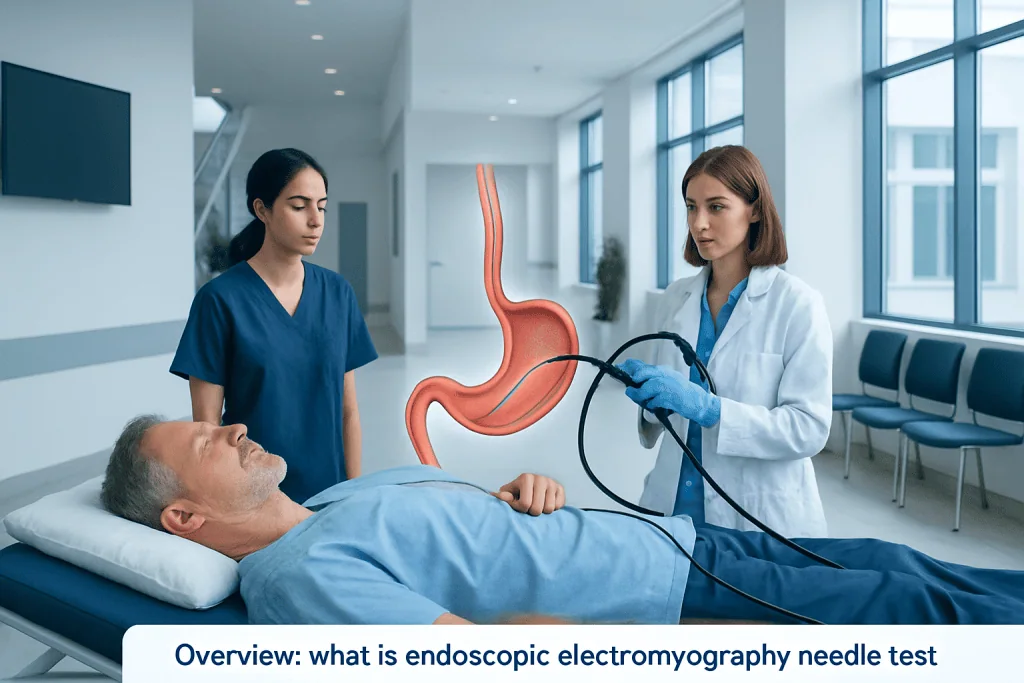
Esophageal electromyography is a specialized test and is not the same as standard esophageal manometry. A fine needle electrode records muscle electrical activity, usually with endoscopic guidance in selected clinical settings.
Key Takeaways
- Esophageal electromyography is a specialized test and is not the same as standard esophageal manometry.
- A fine needle electrode records muscle electrical activity, usually with endoscopic guidance in selected clinical settings.
- Preparation commonly includes fasting and discussing medicines, allergies, bleeding risks and implanted devices with the care team.
- Temporary discomfort, minor bleeding or soreness can occur, while serious complications are uncommon but require prompt assessment.
- Results are interpreted alongside symptoms, examination findings, endoscopy, imaging and esophageal function tests.
An endoscopic esophageal electromyography needle test is a specialized assessment that records electrical signals from muscles involved in swallowing. It may help clinicians investigate selected swallowing or esophageal movement problems when symptoms and standard tests do not provide a clear explanation.
Overview: what is an endoscopic esophageal electromyography needle test?
An endoscopic esophageal electromyography needle test is a highly specialized procedure used to examine the electrical activity of muscles involved in esophageal movement. Electromyography, often called EMG, measures the small electrical signals produced when muscle fibers are resting or contracting. In this setting, a clinician uses a fine needle electrode to record activity from selected muscles, with endoscopic visualization helping guide assessment of the upper digestive tract.
The test is different from esophageal manometry. Manometry measures pressure patterns and coordination as a person swallows, whereas EMG focuses on muscle electrical activity. Because it is technically complex and not routinely needed for most swallowing symptoms, clinicians usually consider it only in carefully selected cases, often as part of a wider evaluation by gastroenterology, neurology, ear, nose and throat, and swallowing specialists.
The findings can contribute to the assessment of suspected neuromuscular or movement-related swallowing difficulties. They do not diagnose a condition in isolation. A meaningful interpretation requires the person’s symptoms, medical history, physical examination and results from other relevant tests.
How it works and who may be a candidate
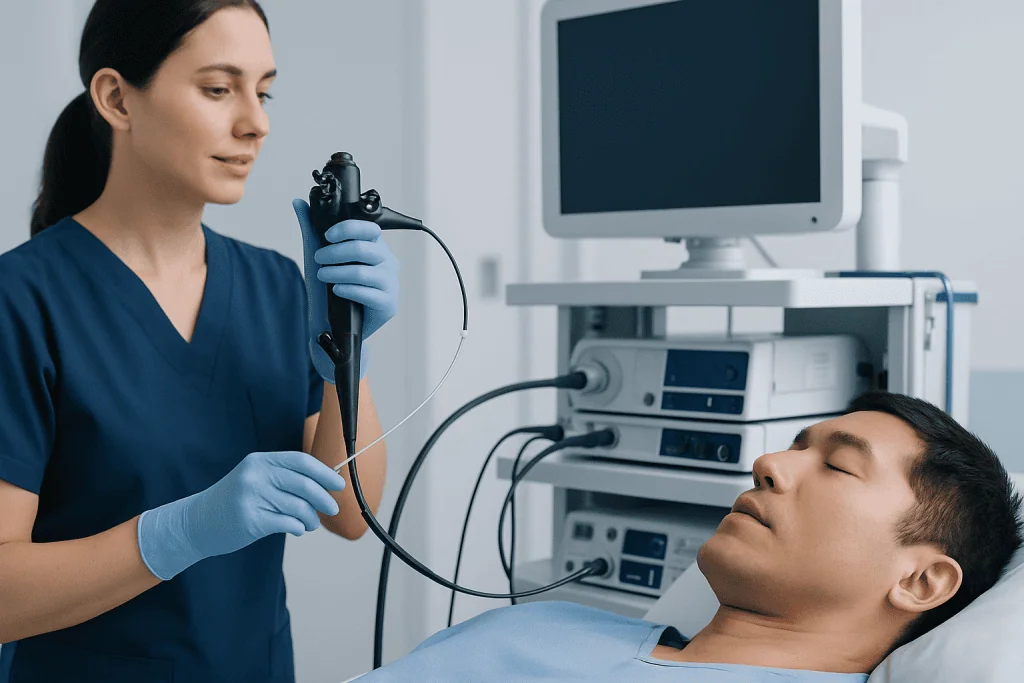
Muscles contract when nerves send electrical signals to muscle fibers. A needle EMG electrode can detect and display these signals as waveforms and sounds. The clinician assesses activity at rest and, when appropriate and safe, during tasks such as swallowing or gentle muscle activation. Abnormal patterns may suggest changes in nerve supply, muscle function or coordination, but they must be interpreted in clinical context.
A specialist may consider this assessment for persistent or complex swallowing symptoms, especially when there is concern for a neuromuscular contributor and standard investigations have not fully explained the problem. Symptoms may include difficulty initiating a swallow, food seeming to stick, coughing during meals, repeated choking episodes, unexplained regurgitation or weight loss related to eating difficulty.
Before recommending the procedure, the team reviews whether it is appropriate and safe. Important considerations include bleeding disorders, use of anticoagulant or antiplatelet medicines, significant heart or lung disease, pregnancy, allergies, an implanted pacemaker or defibrillator, active infection and the person’s ability to tolerate endoscopy or sedation. In many cases, a swallowing assessment, endoscopy, imaging and esophageal function testing are used first.
- Symptoms should be evaluated promptly if swallowing difficulty is worsening or associated with aspiration.
- Not every person with reflux, throat discomfort or occasional swallowing trouble needs needle EMG.
- The exact technique, anesthesia and sampling sites vary according to the clinical question and local expertise.
Preparation and what should you not do before an EMG test?

Preparation instructions vary depending on whether the EMG is performed alongside an endoscopic procedure and whether sedation is planned. The care team will provide individualized instructions about fasting. For endoscopy involving sedation, patients are commonly asked not to eat or drink for a specified period beforehand, except for small sips of water needed for medicines when the team permits this.
What should you not do before an EMG test? Patients should not stop prescribed medication on their own, but they should tell the clinician about all medicines and supplements, particularly blood thinners, antiplatelet medicines, diabetes treatments, muscle relaxants and drugs that affect nerve or muscle function. They should avoid applying creams, lotions or oils to the areas where surface electrodes may be placed, unless instructed otherwise. Alcohol, smoking and strenuous activity may also be restricted before sedation or endoscopy, according to the clinic’s guidance.
It is important to report a history of bleeding problems, easy bruising, infections, allergies to medicines or anesthesia, and any implanted electrical device. If sedation is used, a responsible adult may need to accompany the patient home, and driving or important decisions should be avoided for the rest of that day. The team can explain which instructions apply to the planned procedure.
Step by step: what happens during the procedure?
Before the test, the clinician confirms the reason for the examination, reviews consent and checks relevant medical information. Monitoring may include blood pressure, heart rate and oxygen levels. Depending on the method used, the throat may be numbed with a local anesthetic and sedation may be offered or recommended. Sedation approaches differ, so patients should ask what level of awareness and recovery time to expect.
For an endoscopic approach, a flexible endoscope is introduced through the mouth and gently advanced into the upper digestive tract. The endoscope allows the clinician to view the lining of the esophagus and identify the appropriate area for assessment. A specialized fine needle electrode may then be positioned to record muscle electrical activity. The duration of recording depends on the muscles examined and the information needed.
How painful is an EMG nerve conduction study? Standard EMG can cause brief discomfort when a fine needle is inserted, and nerve conduction testing can feel like short, mild electrical pulses. An endoscopic esophageal EMG is different from an EMG of an arm or leg because it may involve throat numbing, endoscopy and sometimes sedation. People may notice pressure, gagging or temporary throat discomfort without sedation; the care team uses measures to improve comfort and will explain what sensations are expected.
After recordings are complete, the endoscope and electrodes are removed. The clinician may discuss immediate observations, although the complete EMG interpretation often takes place after the data are reviewed alongside other clinical information.
Recovery timeline, benefits and possible risks
Recovery depends mainly on whether sedation was used. After local throat anesthetic, patients generally wait until normal swallowing sensation has returned before eating or drinking, which helps reduce the risk of choking. After sedation, observation continues until the person is alert and stable; fatigue, slowed reactions and mild nausea can occur for the rest of the day.
A mild sore throat, bloating or brief swallowing discomfort may occur after endoscopy and usually settles within a short time. If a needle electrode has been used, there may be minor localized soreness or a small amount of bleeding. The clinician should provide written aftercare instructions tailored to the procedure and the individual’s health needs.
The potential benefit is more detailed information about muscle electrical behavior when this information could change the diagnostic plan or guide management. Risks depend on the technique and may include throat irritation, bleeding, infection, medication reactions, aspiration and, rarely, injury to the esophagus. Serious complications are uncommon, but no invasive procedure is risk-free. The team balances possible benefit against these risks before proceeding.
Medical help should be sought urgently for chest pain, breathing difficulty, fever, vomiting blood, black stools, severe or increasing neck or chest pain, inability to swallow fluids, or persistent vomiting after the procedure.
Understanding results: what does a positive EMG test mean?
What does it mean if an EMG test result is positive? In everyday language, “positive” usually means that the test showed an abnormal electrical pattern. However, EMG reports do not always use positive or negative labels. They may describe features such as spontaneous activity at rest, altered motor-unit patterns or changes in recruitment, each of which needs expert interpretation.
An abnormal result may support a possible nerve-related, muscle-related or coordination problem affecting the tested area. It does not automatically confirm one particular disease, explain every symptom or determine treatment on its own. Technical factors, medication effects, prior procedures and the precise muscle sampled can also affect results.
The specialist considers EMG findings together with swallowing history, neurological examination, endoscopic findings, imaging, laboratory tests and functional studies. Further assessment may include a formal swallowing study, esophageal manometry, pH monitoring or consultation with neurology and speech-language pathology. Treatment is based on the underlying cause and may range from swallowing therapy and dietary adjustments to medication or targeted procedural care.
How long does needle EMG take?
How long does needle EMG take? A standard needle EMG often lasts about 30 to 60 minutes, although timing varies with the number of muscles examined and the complexity of the clinical question. An endoscopic esophageal EMG may take longer overall because preparation, safety checks, endoscopy, anesthesia or sedation, recovery monitoring and post-procedure instructions are included.
Patients should plan for several hours at the facility when sedation is involved, even if the recording portion is relatively short. The care team can provide a more accurate estimate once the planned technique and anesthesia approach are known. It is reasonable to ask in advance when eating can resume, whether an escort is needed and when results are likely to be discussed.
For people traveling for specialist evaluation, coordinated care can make it easier to arrange gastroenterology, neurology and swallowing assessments. Acibadem International’s multidisciplinary specialists and JCI-accredited hospitals diagnose and treat complex swallowing and esophageal conditions for international patients, with testing plans determined individually by qualified clinicians.
When to seek medical care
Anyone with ongoing difficulty swallowing should arrange a medical assessment, particularly if symptoms interfere with eating, drinking or taking medicines. Early evaluation is important when there is unintentional weight loss, dehydration, recurrent coughing during meals, repeated chest infections, pain on swallowing, persistent hoarseness or a feeling that food repeatedly becomes stuck.
Emergency assessment is needed if a person cannot swallow saliva, has food completely stuck in the throat or chest, develops sudden breathing difficulty, has severe chest pain, or shows signs of a severe allergic reaction after a procedure. These symptoms may require urgent treatment rather than an outpatient EMG evaluation.
A clinician can determine whether a specialist test is needed and which investigation is most informative. In many cases, less invasive tests are more appropriate first steps, while endoscopic esophageal electromyography is reserved for questions that cannot be adequately answered by routine evaluation.
Frequently asked questions
Is endoscopic esophageal electromyography the same as esophageal manometry?
No. Manometry measures pressure and coordination during swallowing, while electromyography records electrical activity in muscle. Both may be useful in selected swallowing evaluations, but they answer different clinical questions.
Will sedation always be used for an endoscopic esophageal EMG?
Not always. The anesthesia or sedation plan depends on the technique, the patient’s medical history, comfort needs and local clinical practice. The care team will explain whether throat numbing, light sedation or another approach is planned.
Can blood-thinning medicine affect the procedure?
Yes. Blood thinners and antiplatelet medicines can affect bleeding risk, especially when a needle is used. Patients should inform the team about these medicines well before the appointment and should only change them under medical advice.
When are results available?
Some initial observations may be available soon after the procedure, but formal interpretation may take longer. The specialist generally reviews the recording together with other test results before explaining what the findings mean.
Can an abnormal EMG diagnose a swallowing disorder by itself?
Usually not. An abnormal EMG can provide useful evidence about nerve or muscle function, but it must be interpreted with symptoms, examination findings and other investigations. A combined assessment helps avoid overinterpreting a single test.
What can I eat after the procedure?
The answer depends on whether throat anesthetic or sedation was used and whether there were any procedure-specific concerns. Patients are often advised to wait until swallowing feels normal before eating or drinking, then follow the discharge instructions provided by their care team.
References
- American Gastroenterological Association
- American College of Gastroenterology
- American Association of Neuromuscular & Electrodiagnostic Medicine
- National Institute of Diabetes and Digestive and Kidney Diseases
- World Gastroenterology Organisation
This article is for general information only and is not a substitute for professional medical advice. Please consult a qualified doctor about your individual situation.
Electromyography in Turkey — costs, top hospitals & a free quote
JCI-accredited · board-certified surgeons · reply within 24h
Add us as a Preferred Source to see more of our trusted health content across Google Search, AI Overviews and Discover.
Check your numbers in seconds
BMI, calories, due date, blood pressure and 30+ more clinical calculators — free, instant, doctor-reviewed ranges.

Neurology
Diagnosis and treatment of disorders of the brain, spinal cord, nerves and muscles.
51 specialists in this unit