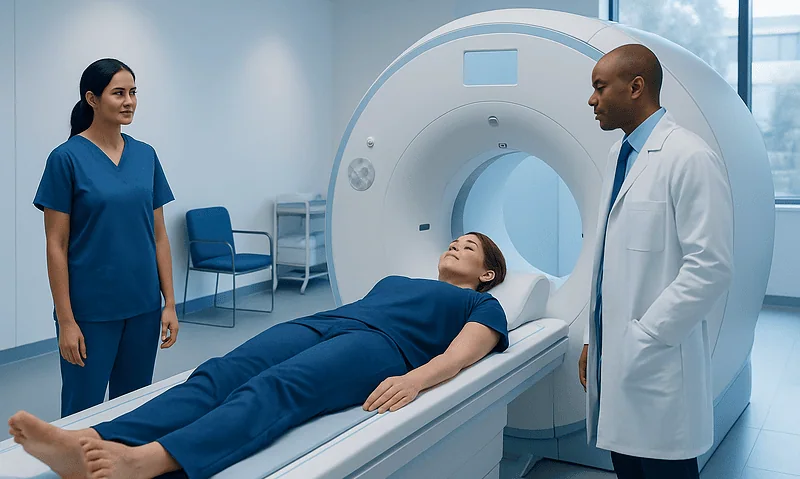
Endoscopic Removal: Procedure, Recovery and Results

Endoscopic removal is performed through a flexible or rigid scope rather than a large surgical incision. It may be used to remove polyps, early-stage tumors, abnormal tissue, stones, or selected foreign objects.
Key Takeaways
- Endoscopic removal is performed through a flexible or rigid scope rather than a large surgical incision.
- It may be used to remove polyps, early-stage tumors, abnormal tissue, stones, or selected foreign objects.
- Most patients do not need prolonged bed rest after routine endoscopy, although activity restrictions vary after a larger resection.
- Sedation or anesthesia helps prevent pain during the procedure; temporary discomfort afterward is usually manageable.
- Follow-up is important because pathology results and future surveillance needs guide the next steps.
Endoscopic removal is a minimally invasive procedure that allows a specialist to remove certain polyps, early tumors, abnormal tissue, or blockages through a natural body opening using an endoscope. Recovery is often faster than with open surgery, but the details depend on the organ treated, the size and depth of the lesion, and the type of endoscopic technique used.
What Is Endoscopic Removal?
Endoscopic removal is a broad term for procedures in which a doctor uses an endoscope—a thin instrument with a camera, light, and working channel—to remove abnormal tissue or another target from inside the body. The scope is commonly introduced through a natural opening, such as the mouth, nose, anus, urethra, or vagina. This approach can avoid the larger incision associated with traditional open surgery.
Depending on the area being treated, endoscopic removal may involve removing a polyp, taking out a swallowed object, treating a bleeding area, extracting a stone, or removing a superficial growth. In the digestive tract, commonly used techniques include polypectomy, endoscopic mucosal resection (EMR), and endoscopic submucosal dissection (ESD). These procedures may be considered for selected colon polyps and early abnormalities after careful assessment.
The term does not describe one single operation. The expected preparation, procedure time, recovery, and results differ substantially between a small polyp removal and a more complex endoscopic resection. A treating specialist explains the exact procedure recommended and why it is appropriate for the individual situation.
How Endoscopic Removal Works and Who May Be a Candidate
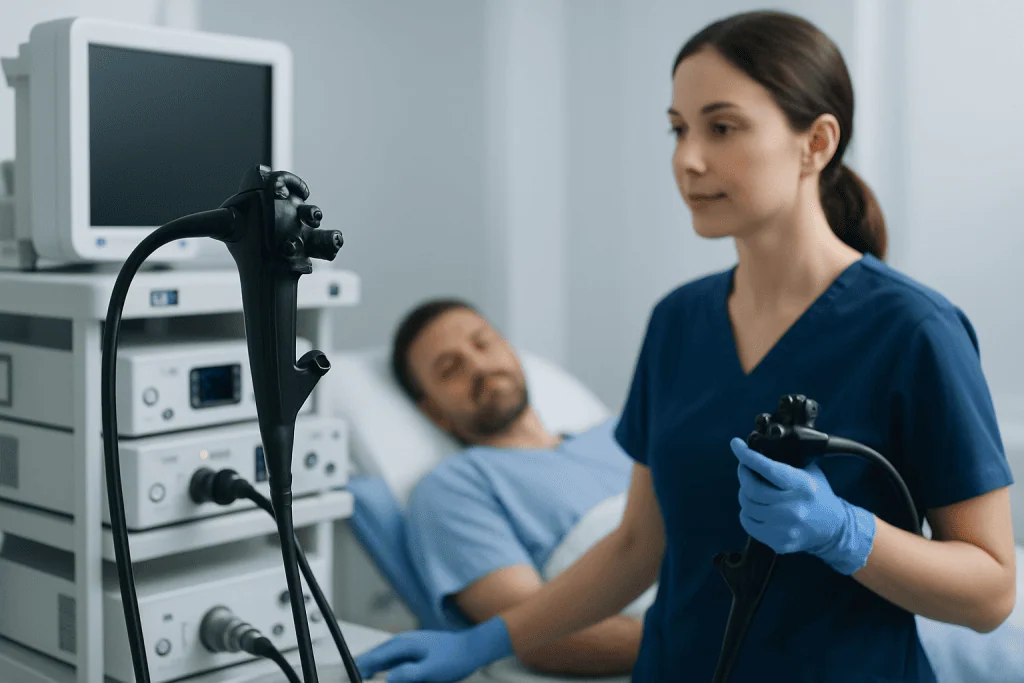
During endoscopic removal, the camera provides a magnified view of the treatment area. The doctor can pass fine instruments through the scope to lift tissue, cut or snare it, seal blood vessels, retrieve material, or place clips when needed. Removed tissue is often sent to a laboratory so that a pathologist can identify its type and assess whether it has been completely removed.
Candidacy depends on the location, appearance, size, depth, and suspected cause of the finding. For example, an endoscopic approach may be suitable when an abnormality appears limited to a superficial layer and can be reached safely with a scope. It may not be appropriate if a lesion has features suggesting deeper invasion, if there is a high risk of perforation or bleeding, or if surgery would provide a more reliable treatment.
The evaluation may include endoscopy, imaging, blood tests, and a review of medicines. Blood thinners, diabetes medicines, supplements, and medications that affect sedation require special planning. People should not stop prescribed medicines on their own; the endoscopy or surgical team will give individualized instructions.
What Happens During Endoscopic Removal Surgery?

Preparation usually includes fasting for a specified period. For procedures involving the colon, bowel preparation is needed so the lining can be examined clearly. Before the procedure, the clinical team reviews medical history, allergies, medications, consent, and the plan for sedation or anesthesia.
Once sedation or anesthesia has taken effect, the doctor gently advances the scope to the treatment area. The lesion or object is assessed, then removed using the technique best suited to its characteristics. In an endoscopic mucosal resection, fluid may be injected underneath a lesion to lift it away from deeper tissue before removal. Endoscopic submucosal dissection is a more advanced method that allows precise dissection beneath selected lesions.
Endoscopic resection procedure time can range from a short procedure for a small finding to several hours for a complex lesion. The team may use clips, cautery, or other measures to reduce bleeding risk. Afterward, patients recover under observation while the effects of sedation wear off. For appropriate digestive tract lesions, endoscopic mucosal resection may provide an organ-preserving treatment option.
Benefits, Risks and Expected Results
The main potential benefit of endoscopic removal is that treatment can be delivered without a large incision. This may mean less tissue disruption, shorter hospitalization, less postoperative discomfort, and an earlier return to usual activities compared with open surgery. It can also provide an accurate tissue diagnosis when the removed specimen is examined in the laboratory.
However, minimally invasive does not mean risk-free. Possible complications include bleeding, infection, a reaction to sedation, aspiration, a tear or perforation in the organ wall, narrowing from scar tissue, and incomplete removal or recurrence of the abnormality. The level of risk depends on the procedure, the treated organ, lesion characteristics, and the person’s overall health.
Results are assessed by the doctor’s visual findings, pathology report, and follow-up testing when needed. Some lesions are fully treated in one session, while others require surveillance endoscopy, additional endoscopic treatment, or surgery. If cancer is found or suspected, the care plan may involve specialists in gastroenterology, surgery, radiology, pathology, and oncology.
Is Endoscopic Removal Painful?
Endoscopic removal is usually not painful during the procedure because it is performed with sedation, anesthesia, or both. The type of medication depends on the procedure, its expected duration, the body area involved, and the patient’s medical history. Many people have little or no memory of the procedure when deeper sedation is used.
Afterward, mild throat irritation, bloating, gas, cramping, nausea, or tenderness can occur, particularly after an upper endoscopy or colon procedure. These symptoms are often temporary. More extensive endoscopic resection can cause greater discomfort and may require observation in hospital, pain relief, and a gradual return to eating.
Severe or worsening pain is not expected and should be assessed promptly, especially when accompanied by fever, repeated vomiting, fainting, black stools, rectal bleeding, chest pain, or shortness of breath. Patients should follow the discharge instructions specific to their procedure and contact the treating team with concerns.
How Many Days Bed Rest After Endoscopy?
Most people do not need bed rest for days after a routine endoscopy or a small endoscopic removal. They are generally observed until they are awake and stable after sedation, then go home with a responsible adult. Driving, operating machinery, drinking alcohol, signing important documents, and making major decisions should be avoided for at least the remainder of the day after sedation.
Light activity is often possible the next day if the person feels well, but the doctor may advise avoiding strenuous exercise, heavy lifting, or travel for longer after a large polyp removal, EMR, ESD, or treatment for bleeding. The reason is to allow the treated area to heal and to reduce the chance that a delayed complication will be missed.
Hospital admission and a short period of close monitoring may be recommended after a complex endoscopic resection. Individual instructions take priority because recovery plans vary with the location and extent of treatment, other health conditions, and whether complications occurred.
How Long Does It Take to Recover From an Endoscopic Resection?
Endoscopic resection recovery time varies. After a simple endoscopic removal, many people feel close to normal within one to two days, although fatigue from sedation may last through the first day. Recovery after EMR or ESD is often longer because a larger area of tissue has been removed and the risk of delayed bleeding or perforation requires greater caution.
Some patients can return home on the same day, while others stay overnight or longer for observation. The doctor may recommend a temporary modified diet, such as clear liquids followed by softer foods, depending on the procedure site. Return to work and exercise should be based on symptoms and the treating team’s advice rather than a fixed timetable.
Follow-up may include a pathology discussion, repeat endoscopy, imaging, or laboratory testing. The timing depends on what was removed and whether the margins and tissue features indicate that surveillance or additional treatment is needed.
Is Endoscopic Surgery a Major Surgery?
Endoscopic surgery is generally considered minimally invasive rather than major open surgery because it is performed through a scope and usually does not require a large incision. Even so, some endoscopic procedures are technically complex and medically significant. A large or deep resection can carry risks that require specialized expertise, careful monitoring, and a clear plan for managing complications.
Whether a procedure is “major” for an individual depends on more than the size of an incision. The organ treated, duration of anesthesia, size and depth of tissue removal, bleeding risk, and the person’s age and health conditions all matter. A clinician can explain how the planned procedure compares with alternatives such as laparoscopic or open surgery.
In selected cases, endoscopic treatment may be part of care for digestive conditions that otherwise could require surgery. Acibadem International’s multidisciplinary specialists and JCI-accredited hospitals assess and treat appropriate cases for international patients, with care planned around the diagnosis and individual needs.
When to Seek Medical Care
Before endoscopic removal, patients should seek medical advice if they develop new illness, fever, breathing difficulties, or changes in medicines, particularly blood thinners. These issues may affect the safety of sedation, preparation, or the timing of the procedure. The treating team should also know about pregnancy, implanted medical devices, significant heart or lung disease, and past reactions to anesthesia.
After the procedure, urgent medical assessment is appropriate for severe or increasing abdominal, chest, or throat pain; heavy or persistent bleeding; black stools; vomiting blood; fever; repeated vomiting; trouble swallowing; worsening dizziness; fainting; or shortness of breath. Mild bloating or a small amount of bleeding may be expected after some procedures, but patients should follow the specific thresholds provided on their discharge paperwork.
Scheduled follow-up should not be missed. Reviewing pathology and surveillance recommendations helps ensure that endoscopic removal has achieved its intended purpose and that any further care is arranged promptly.
Frequently asked questions
What is the difference between endoscopic removal and open surgery?
Endoscopic removal uses a scope passed through a natural opening or a very small access point, rather than a large surgical incision. It can reduce tissue trauma and may shorten recovery for suitable conditions. However, open or laparoscopic surgery may still be safer or more effective for some lesions or diseases.
How long does an endoscopic resection procedure take?
The duration depends on the location, size, shape, and depth of the tissue being removed. A simple removal may take a short time, while a complex EMR or ESD can take several hours. Preparation and recovery from sedation add time to the overall visit.
Can a person eat after endoscopic removal?
Eating instructions depend on the type and extent of the procedure. Some people can resume fluids and light food after they have recovered from sedation, while others need a staged diet after a larger resection. The treating team provides the safest diet plan for the treated area.
What symptoms are normal after endoscopic removal?
Temporary bloating, gas, mild cramps, a sore throat, tiredness, or mild nausea can occur after endoscopy and sedation. Small amounts of bleeding can also occur after certain tissue-removal procedures. Severe pain, persistent bleeding, fever, fainting, or breathing difficulty require prompt medical assessment.
Will removed tissue be tested for cancer?
In many cases, tissue removed during an endoscopic procedure is sent to a pathology laboratory. The report can identify the tissue type, look for precancerous or cancerous changes, and help determine whether additional treatment or surveillance is needed. A doctor discusses the results and next steps when they are available.
Can endoscopic removal replace surgery?
For selected abnormalities, endoscopic removal can avoid or delay more invasive surgery. It is most suitable when the finding can be reached and removed safely and when assessment suggests it is limited to an area appropriate for endoscopic treatment. The decision is made after reviewing imaging, endoscopic findings, pathology, and overall health.
References
- American Society for Gastrointestinal Endoscopy
- National Institute of Diabetes and Digestive and Kidney Diseases
- National Cancer Institute
- Mayo Clinic
- World Health Organization
This article is for general information only and is not a substitute for professional medical advice. Please consult a qualified doctor about your individual situation.
Explore treatments in Turkey — costs, top hospitals & a free quote
JCI-accredited · board-certified surgeons · reply within 24h
Add us as a Preferred Source to see more of our trusted health content across Google Search, AI Overviews and Discover.