Endoscopy: How It Works, Recovery, and What to Expect
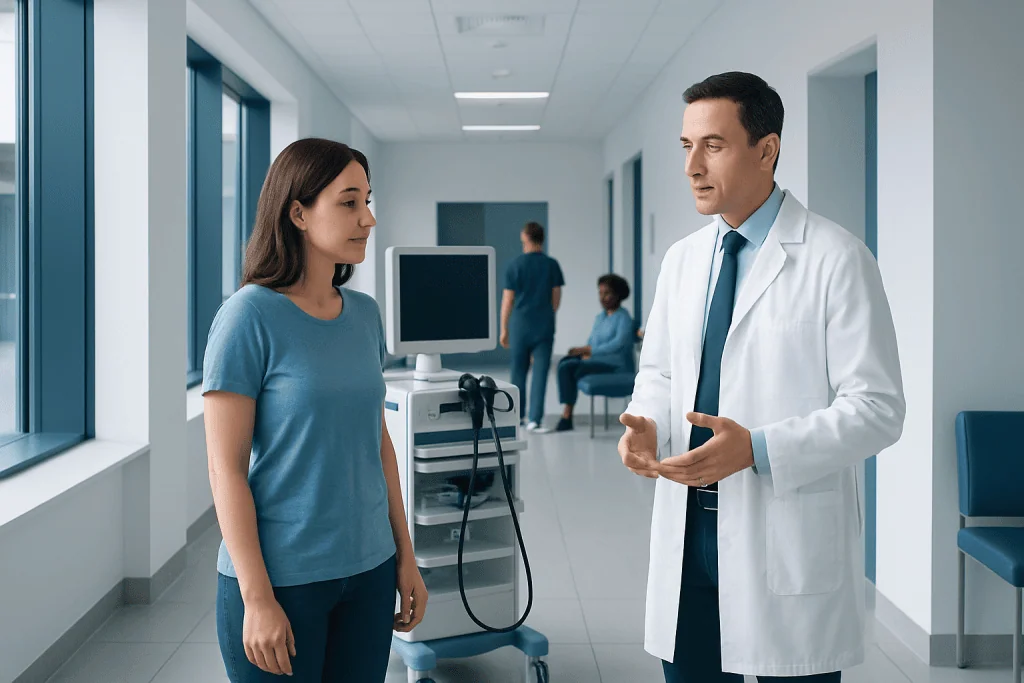
Endoscopy uses a small camera to help doctors examine internal organs without major surgery. It can diagnose symptoms such as swallowing problems, bleeding, abdominal pain, or ongoing reflux.
Key Takeaways
- Endoscopy uses a small camera to help doctors examine internal organs without major surgery.
- It can diagnose symptoms such as swallowing problems, bleeding, abdominal pain, or ongoing reflux.
- Some endoscopies also allow treatment, such as removing polyps, stopping bleeding, or taking biopsies.
- Recovery is usually quick, though sedation may require rest and someone to accompany the patient home.
- Most endoscopies are safe, but risks such as bleeding, infection, or perforation can rarely occur.
Endoscopy is a minimally invasive procedure that lets doctors look inside the digestive tract or other body areas using a thin, flexible tube with a camera. It is commonly used to diagnose symptoms, take tissue samples, and sometimes treat problems during the same procedure.
Overview: What Endoscopy Is and Why It Is Done
Endoscopy is a medical procedure that allows a doctor to see inside the body using a thin tube with a light and camera at its tip. The tube may be flexible or, in some cases, rigid, depending on the body area being examined. Images are displayed on a screen in real time, helping the doctor evaluate symptoms, confirm a diagnosis, and sometimes perform treatment during the same session.
Many people use the word endoscopy to mean an examination of the upper digestive tract, often called an upper GI endoscopy. However, the term can also refer to procedures involving the colon, airways, bladder, joints, or other organs. In digestive care, endoscopy is commonly used to look at the esophagus, stomach, and first part of the small intestine.
Doctors may recommend endoscopy to investigate symptoms such as persistent heartburn, nausea, difficulty swallowing, vomiting, unexplained anemia, abdominal pain, or signs of bleeding. It can also help monitor known conditions, screen for certain diseases in appropriate patients, or evaluate findings from imaging tests. In some cases, endoscopy can both identify and manage issues such as polyps, narrowed areas, or bleeding sites.
How Endoscopy Works
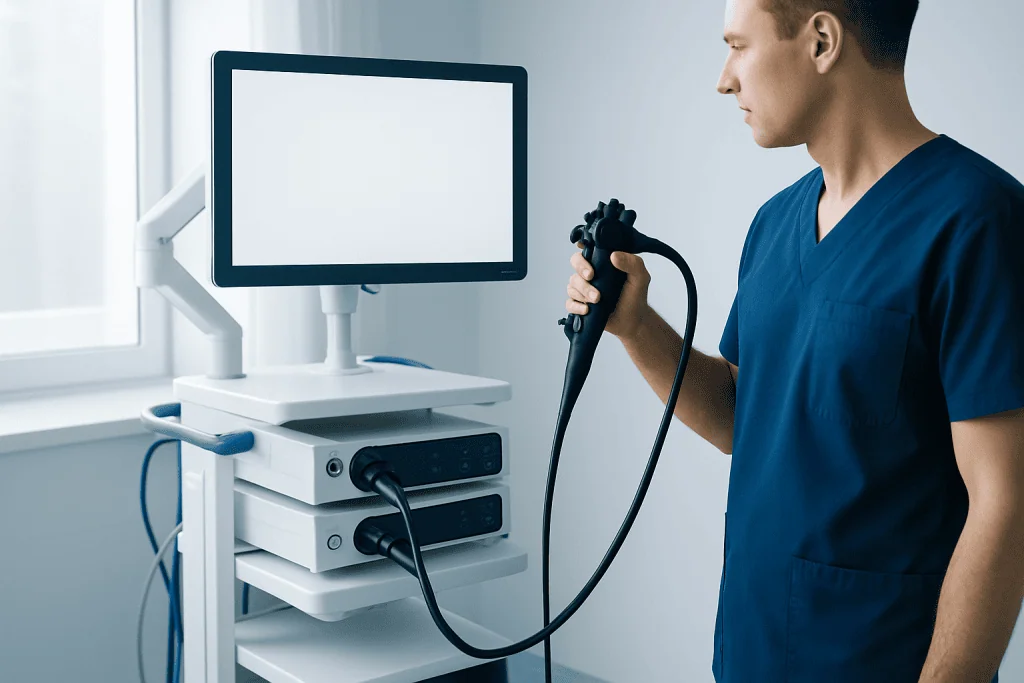
The endoscope contains a camera and light source that transmit magnified images from inside the body. Modern systems provide high-resolution views, allowing the doctor to inspect the lining of organs closely. Small channels inside the scope also let the care team pass tiny instruments through it if needed.
These instruments may be used to take a biopsy, remove a small growth, widen a narrowed area, or control bleeding. This is one reason endoscopy is so valuable: it is not only a viewing test, but also a practical tool for minimally invasive treatment. For many patients, this can reduce the need for open surgery or additional procedures.
In upper digestive endoscopy, the scope is usually passed through the mouth and gently guided into the esophagus, stomach, and duodenum. During endoscopy, air or carbon dioxide may be introduced to expand the area slightly so the doctor can see more clearly. The team watches the monitor throughout the procedure and documents any findings.
Depending on the reason for the test, the doctor may look for inflammation, ulcers, infection, structural changes, tumors, or signs of conditions such as gastroesophageal reflux disease or stomach cancer. Tissue samples can be sent to a laboratory for further analysis, which often helps confirm the cause of symptoms.
Who May Need Endoscopy
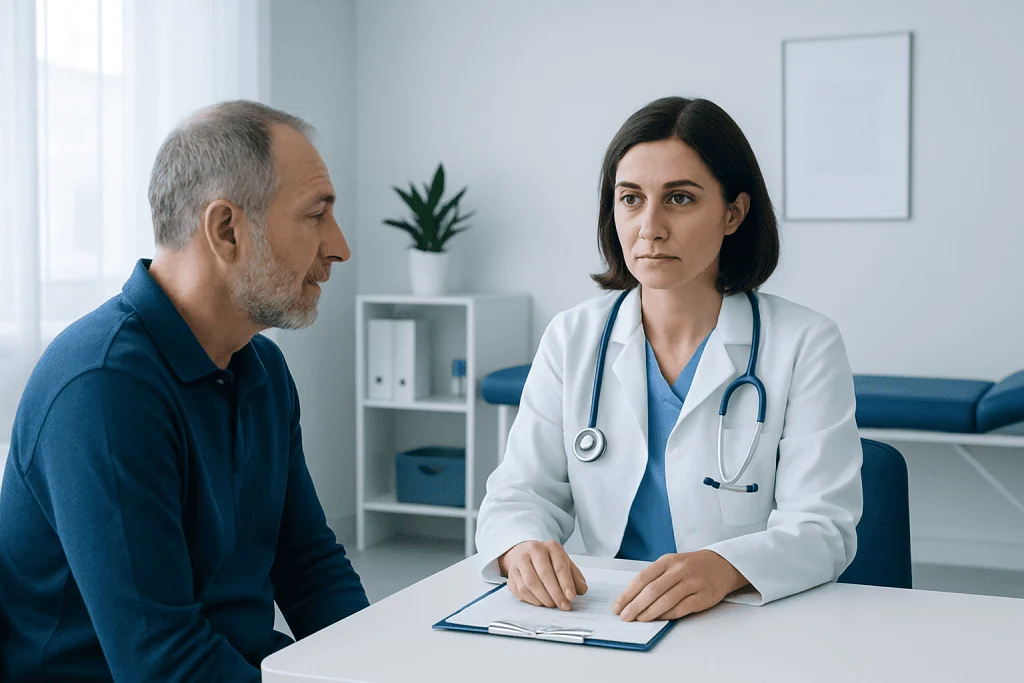
Endoscopy is recommended based on symptoms, medical history, age, and the doctor’s clinical judgment. A person may be a candidate if they have persistent digestive symptoms that are not fully explained by routine exams or blood tests. It may also be advised when imaging suggests a problem that needs a closer look.
Common reasons for upper endoscopy include trouble swallowing, longstanding reflux, upper abdominal pain, recurrent vomiting, unexplained weight loss, gastrointestinal bleeding, and iron-deficiency anemia. Doctors may also use it to follow known problems, including ulcers, Barrett’s esophagus, polyps, or healing after treatment.
Not every person with mild symptoms needs an immediate endoscopy. In some cases, a doctor may first suggest medication, dietary changes, or noninvasive testing. Endoscopy becomes more important when symptoms continue, return, worsen, or are accompanied by warning signs such as bleeding or difficulty eating.
Before scheduling the procedure, the medical team reviews the patient’s medicines, allergies, heart and lung conditions, and any history of bleeding disorders. This helps determine whether sedation is appropriate and whether any medication adjustments are needed before the test.
What to Expect Before, During, and After the Procedure
Preparation depends on the type of endoscopy being performed. For upper endoscopy, patients are usually asked not to eat or drink for several hours beforehand so the stomach is empty. The care team may give specific instructions about blood thinners, diabetes medications, or supplements. Following these directions closely helps improve both safety and visibility during the exam.
On arrival, the patient changes into a gown and has vital signs checked. An intravenous line may be placed if sedation is planned. A numbing spray may be used in the throat, and a small mouth guard can help protect the teeth and endoscope. Most people receive light or moderate sedation, which helps them stay comfortable and relaxed.
During the procedure, the patient usually lies on their side while the doctor gently advances the scope. The exam itself is often fairly brief, though the total visit takes longer because of preparation and recovery. If the doctor sees an abnormal area, they may take a biopsy or carry out treatment using tools passed through the scope, such as minimally invasive gastroenterology techniques.
Afterward, the patient rests in a recovery area until the effects of sedation begin to wear off. Mild bloating, throat discomfort, or sleepiness can happen for a short time. The doctor may discuss early findings the same day, but biopsy results usually take longer and are reviewed at a follow-up appointment or call.
Benefits, Risks, and Possible Findings
The main benefit of endoscopy is that it gives direct visual information that other tests may not provide. It can help clarify the cause of symptoms, detect disease at an earlier stage, and allow tissue sampling for diagnosis. It may also prevent delays by combining diagnosis and treatment in one session.
Possible findings include inflammation, ulcers, polyps, narrowing of the esophagus, celiac-related changes, infection, varices, or suspicious masses. In some patients, the exam may be normal, which can still be useful because it helps rule out significant structural disease. Endoscopy may also support the diagnosis of conditions later managed with oncology care or other specialist treatment.
Endoscopy is generally safe, especially when performed by experienced teams. Still, no procedure is completely risk-free. Possible complications include reactions to sedation, bleeding after biopsy or polyp removal, infection, aspiration, or a tear in the wall of the digestive tract, called perforation. These problems are uncommon, but patients should understand them before giving consent.
The exact level of risk depends on the person’s overall health, the type of endoscopy, and whether an additional intervention is done. The care team balances the expected benefits against any potential risks and explains what applies in the individual case.
Recovery Timeline and Self-Care After Endoscopy
Recovery after endoscopy is usually straightforward. Most patients go home the same day unless they had a more complex procedure or have medical conditions that require observation. If sedation was used, driving, alcohol, and important decision-making should usually be avoided until the next day or as instructed by the care team.
A mild sore throat, temporary bloating, or gas can occur after upper endoscopy, especially if air was used during the exam. These symptoms often improve within hours. Many people can return to light meals once swallowing feels normal, following the doctor’s instructions about food, drink, and medicines.
The timeline may be a little longer after biopsies, dilation, or treatment performed during the procedure. The care team will explain what to watch for and when normal activities can resume. It is important to ask about biopsy results, follow-up plans, and whether long-term monitoring is needed.
For international patients or those seeking coordinated specialty care, Acibadem International’s multidisciplinary specialists and JCI-accredited hospitals diagnose and treat digestive conditions with modern endoscopic services and follow-up planning.
When to Seek Medical Care
Medical review is important if digestive symptoms persist, return often, or interfere with eating, sleep, or daily life. Symptoms such as ongoing heartburn, repeated vomiting, difficulty swallowing, black stools, blood in vomit, unexplained weight loss, or persistent upper abdominal pain should be assessed by a qualified doctor. These symptoms do not always mean a serious condition, but they should not be ignored.
After an endoscopy, urgent medical attention may be needed for severe chest or abdominal pain, fever, trouble breathing, vomiting that does not stop, fainting, or significant bleeding. Patients should also contact their healthcare team if they are unable to swallow fluids or if symptoms seem to be getting worse rather than better.
People with known digestive disorders may need ongoing monitoring. Conditions such as severe reflux, ulcers, or precancerous changes sometimes require repeat endoscopy at intervals decided by the doctor. Following follow-up recommendations is an important part of safe, effective care.
If a doctor suspects a structural problem, chronic inflammation, or disease requiring specialist treatment, referral to a gastroenterology service can help guide diagnosis and next steps, including options such as specialist gastroenterology care.
Frequently asked questions
Is endoscopy painful?
Most people do not find endoscopy painful, especially when sedation is used. They may feel pressure, mild throat discomfort, or bloating, but the care team works to keep the procedure as comfortable as possible.
How long does an endoscopy take?
The examination itself is often relatively short, commonly around 15 to 30 minutes for an upper endoscopy. However, preparation and recovery mean the full visit usually takes longer.
Do patients need anesthesia for endoscopy?
Many endoscopies are done with light or moderate sedation rather than full general anesthesia. The exact approach depends on the procedure type, the patient’s health, and the doctor’s recommendation.
Can endoscopy detect cancer?
Endoscopy can help detect abnormal areas that may represent cancer or precancerous changes. It can also allow biopsies, which are often necessary to confirm a diagnosis under the microscope.
What should patients avoid after endoscopy?
If sedation was used, patients are usually advised not to drive, drink alcohol, or make major decisions until the effects have fully worn off. They should also follow instructions about eating, medicines, and physical activity.
When are biopsy results available after endoscopy?
Biopsy timing varies by laboratory and healthcare system, but results are not usually immediate. The doctor or clinic will explain when and how the findings will be reviewed.
References
- National Institute of Diabetes and Digestive and Kidney Diseases
- American Society for Gastrointestinal Endoscopy
- National Health Service
- Mayo Clinic
- World Gastroenterology Organisation
This article is for general information only and is not a substitute for professional medical advice. Please consult a qualified doctor about your individual situation.
Explore treatments in Turkey — costs, top hospitals & a free quote
JCI-accredited · board-certified surgeons · reply within 24h
Add us as a Preferred Source to see more of our trusted health content across Google Search, AI Overviews and Discover.