Enlarged Clitoris — Explained by Medical Evidence, Not Myths

An enlarged clitoris may be harmless variation, but it can also be linked to hormone-related or structural conditions. Symptoms such as pain, sudden change, excess body hair, acne, or voice deepening can help point to the cause.
Key Takeaways
- An enlarged clitoris may be harmless variation, but it can also be linked to hormone-related or structural conditions.
- Symptoms such as pain, sudden change, excess body hair, acne, or voice deepening can help point to the cause.
- Diagnosis often includes a physical exam, medical history, and sometimes hormone tests or imaging.
- Treatment depends on the cause and may range from skin care and observation to hormone management or surgery.
- Persistent, painful, or rapidly changing symptoms should be assessed by a qualified clinician.
An enlarged clitoris is a descriptive term, not a diagnosis. It may reflect normal anatomy, hormonal changes, irritation, a cyst, or a less common medical condition, so evaluation focuses on finding the reason rather than assuming a single cause.
Overview: what an enlarged clitoris means
An enlarged clitoris means the clitoris appears or feels larger than expected for that person. This can be due to normal anatomical variation, swelling from irritation, a nearby cyst, hormone exposure, or a condition present from birth. The term itself describes a finding; it does not explain why it is happening.
Medical professionals may use the term clitoromegaly when enlargement is significant. In practice, clinicians look at more than size alone. They consider whether the change is new or lifelong, whether it causes pain or sensitivity, whether other hormonal symptoms are present, and whether the tissue itself is enlarged or simply swollen.
Because the clitoris is a sensitive and highly vascular structure, temporary enlargement can happen with arousal, friction, or inflammation. A lasting change, especially one that is new or accompanied by other symptoms, deserves a careful medical assessment. A calm, evidence-based evaluation can separate common causes from uncommon ones and guide the next steps.
Symptoms and related changes to notice
Some people notice a visible increase in size, while others are more aware of discomfort, rubbing against clothing, or increased sensitivity. Symptoms can involve the clitoris alone or the surrounding vulvar tissue. In many cases, the main question is whether the appearance has always been similar or has changed over time.
Associated symptoms can offer important clues. Pain, redness, itching, discharge, or localized swelling may suggest irritation, infection, or a skin condition. A smooth lump near the clitoral hood may point to a cyst rather than true enlargement of the clitoris itself.
Hormone-related symptoms are also relevant. These may include increased facial or body hair, acne, thinning scalp hair, missed periods, deeper voice, or increased muscle mass. A clinician may also ask about pubertal development, medication use, athletic supplements, and family history.
- Visible increase in clitoral size or prominence
- Tenderness, pain, or rubbing discomfort
- Redness, itching, or swelling of nearby tissue
- Irregular periods or signs of increased androgens
- Sudden change after medication, supplements, or hormonal therapy
Causes and risk factors

There is no single cause of an enlarged clitoris. In some people, it is a normal anatomical variation that has been present for years without causing symptoms. In others, the appearance is related to temporary swelling from friction, sexual activity, dermatitis, allergic reactions, or infection affecting the vulvar skin.
Hormonal causes are an important group. Higher exposure to androgens, such as testosterone, can lead to clitoral enlargement over time. This may happen in certain endocrine conditions, during use of anabolic steroids, with some hormone therapies, or in rare adrenal or ovarian disorders. One possible contributor to androgen excess is polycystic ovary syndrome, although PCOS more commonly causes irregular periods, acne, and excess hair growth than marked clitoral enlargement.
Structural causes should also be considered. A clitoral hood cyst, benign mass, or swelling in nearby tissue can make the area look enlarged. Less commonly, congenital conditions that affect hormone production before birth can change genital development. These situations are evaluated carefully and respectfully, often with input from specialists in gynecology, endocrinology, and, when needed, pediatric care.
Risk factors depend on the underlying cause but may include hormone-active medications, bodybuilding supplements, chronic skin irritation, untreated endocrine disorders, or a history of genital trauma or surgery. Even so, many people with these factors do not develop clitoral enlargement, which is why an individualized medical assessment matters.
How doctors diagnose the cause
Diagnosis starts with a detailed history and physical examination. A doctor usually asks when the change was first noticed, whether it developed gradually or suddenly, and whether symptoms such as pain, itching, discharge, menstrual changes, or hair growth changes are present. This history often narrows the possibilities quickly.
The examination looks at the clitoris, clitoral hood, and surrounding vulvar structures to determine whether the change is true enlargement, localized swelling, or a nearby lesion. If a skin disorder is suspected, the clinician may also assess for rashes, irritation, or signs of infection elsewhere on the vulva. In many cases, evaluation by a gynecologist is the most direct next step, especially if symptoms involve other pelvic concerns; this may be part of a broader gynecology evaluation.
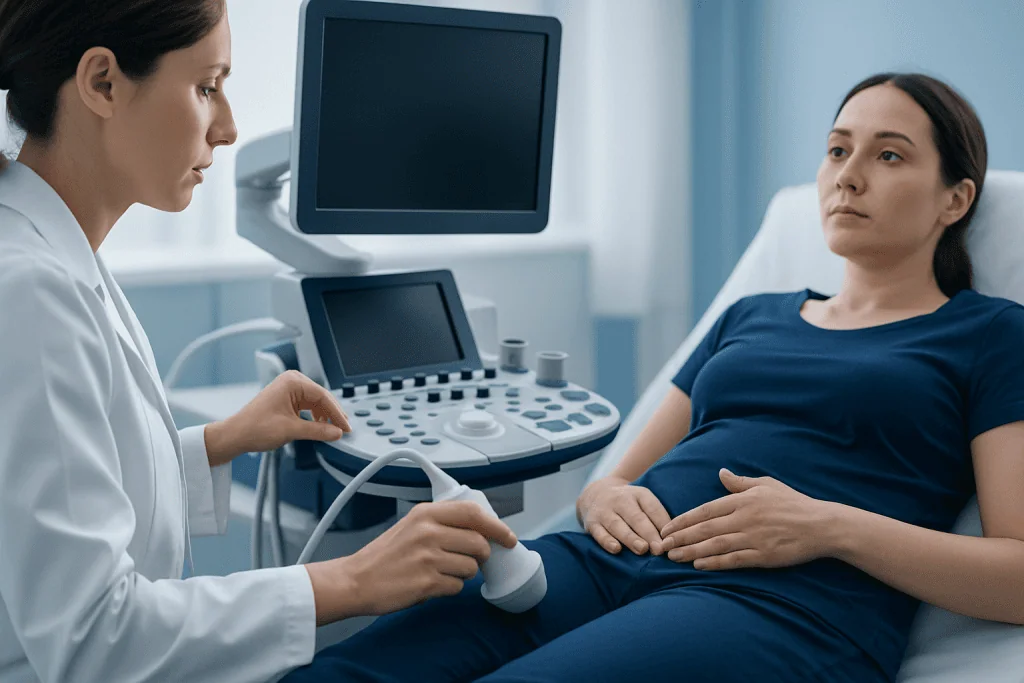
Additional tests are chosen based on findings rather than ordered routinely for everyone. These may include blood tests to assess hormone levels, adrenal function, or thyroid function, and pelvic imaging if an ovarian or other structural cause is suspected. If a mass or cyst is present, imaging can help define its location and plan treatment. When symptoms suggest a hormone imbalance, a referral for endocrinology assessment may be appropriate.
Treatment options depend on the cause
Treatment is guided by the underlying diagnosis. If the enlargement is due to temporary irritation, management may focus on avoiding triggers, improving skin care, treating infection if present, and allowing swelling to settle. If the finding reflects normal variation and causes no physical problems, reassurance and observation may be all that is needed.
Hormone-related causes are treated by addressing the source of androgen exposure or imbalance. This may involve reviewing medications and supplements, treating an endocrine disorder, or managing related conditions such as adrenal gland disorders. Treatment plans vary widely and should be supervised by a qualified clinician, especially if there are broader hormonal symptoms.
If a cyst, benign growth, or another structural issue is responsible, a procedural or surgical approach may be considered. The aim is to relieve symptoms and protect function while using the least invasive option that fits the diagnosis. In selected cases, specialists may discuss minimally invasive surgery or other tailored procedures after imaging and examination confirm what is present.
Long-standing concerns that affect comfort, body image, or sexual wellbeing may also benefit from sensitive counseling and follow-up. Treatment is not only about appearance; it is about identifying disease when present, reducing symptoms, and supporting overall quality of life.
Self-care and ways to reduce irritation
Self-care cannot diagnose the cause of an enlarged clitoris, but it can reduce irritation while medical evaluation is arranged. Gentle skin care is usually best. This means avoiding harsh soaps, scented washes, and unnecessary products on the vulva, and choosing breathable cotton underwear when possible.
If friction seems to worsen symptoms, reducing pressure from tight clothing, cycling, or repetitive rubbing may help. Any new creams, lubricants, or hygiene products should be stopped if they appear to trigger swelling or burning. People using supplements or hormones should not stop prescribed treatment on their own, but they should tell their doctor exactly what they are taking, including over-the-counter products and performance enhancers.
It can also help to track symptoms. Noting when enlargement is more noticeable, whether it changes with the menstrual cycle, and whether there are other symptoms such as discharge, acne, or hair growth can make a consultation more efficient. Self-examination should be gentle; repeated checking can worsen swelling and anxiety.
When to seek medical care
Medical care should be sought if clitoral enlargement is new, persistent, painful, or clearly increasing. Evaluation is also important when enlargement occurs alongside irregular periods, acne, excess body hair, voice changes, or scalp hair thinning, because these symptoms may point to an underlying hormone disorder.
Prompt assessment is advisable if there is a lump, ulcer, bleeding, fever, discharge, significant redness, or severe tenderness. These features can suggest infection, a cyst, trauma, or another condition that should not be managed at home. Any sudden change after starting hormones, steroids, or supplements also deserves review.
Children and adolescents with genital changes should be assessed by experienced clinicians, since developmental and hormonal factors may need careful interpretation. For adults, a primary care doctor, gynecologist, dermatologist, or endocrinologist may all play a role depending on the symptoms. Near the end of the diagnostic process or if treatment is needed, multidisciplinary teams can be helpful; Acibadem International’s specialists in JCI-accredited hospitals diagnose and treat this condition for international patients when appropriate.
Frequently asked questions
Is an enlarged clitoris always a sign of disease?
No. Some people naturally have more prominent anatomy, and temporary swelling can happen with arousal, friction, or irritation. A doctor becomes more concerned when the change is new, persistent, painful, or associated with hormonal symptoms.
Can PCOS cause an enlarged clitoris?
PCOS can raise androgen levels and may contribute to changes related to hormone excess. However, marked clitoral enlargement is not the most common feature of PCOS, so other causes may also need to be considered.
What tests might be needed?
Testing depends on the history and examination findings. A clinician may recommend hormone blood tests, pelvic imaging, or evaluation of a cyst or skin condition if those causes are suspected.
Can medications or supplements cause clitoral enlargement?
Yes. Testosterone therapy, anabolic steroids, and some hormone-active products can contribute to enlargement over time. It is important to tell a doctor about all prescribed medicines, supplements, and performance-enhancing substances.
Will treatment always involve surgery?
No. Many causes are treated without surgery, such as skin irritation, infection, or hormone imbalance. Surgery is usually considered only when there is a structural problem like a cyst or mass, or when another targeted procedure is clearly indicated.
When should someone seek urgent attention?
Urgent assessment is sensible if there is severe pain, fever, rapidly increasing swelling, bleeding, pus, or a painful lump. These symptoms may suggest infection, trauma, or another acute problem that needs prompt medical care.
References
- American College of Obstetricians and Gynecologists
- National Institutes of Health
- Merck Manual Professional Edition
- Endocrine Society
- Mayo Clinic
This article is for general information only and is not a substitute for professional medical advice. Please consult a qualified doctor about your individual situation.
Explore treatments in Turkey — costs, top hospitals & a free quote
JCI-accredited · board-certified surgeons · reply within 24h
Add us as a Preferred Source to see more of our trusted health content across Google Search, AI Overviews and Discover.

More from the Health Library

Fibula Fracture — Explained by Medical Evidence, Not Myths

Ozempic Dosing Schedule — Explained by Medical Evidence, Not Myths

Amnesia — Explained by Medical Evidence, Not Myths

Cellulite on Stomach: What Patients Need to Know

Blackish Yellow Urine: An Evidence-Based Guide for Patients