Fibula Fracture — Explained by Medical Evidence, Not Myths
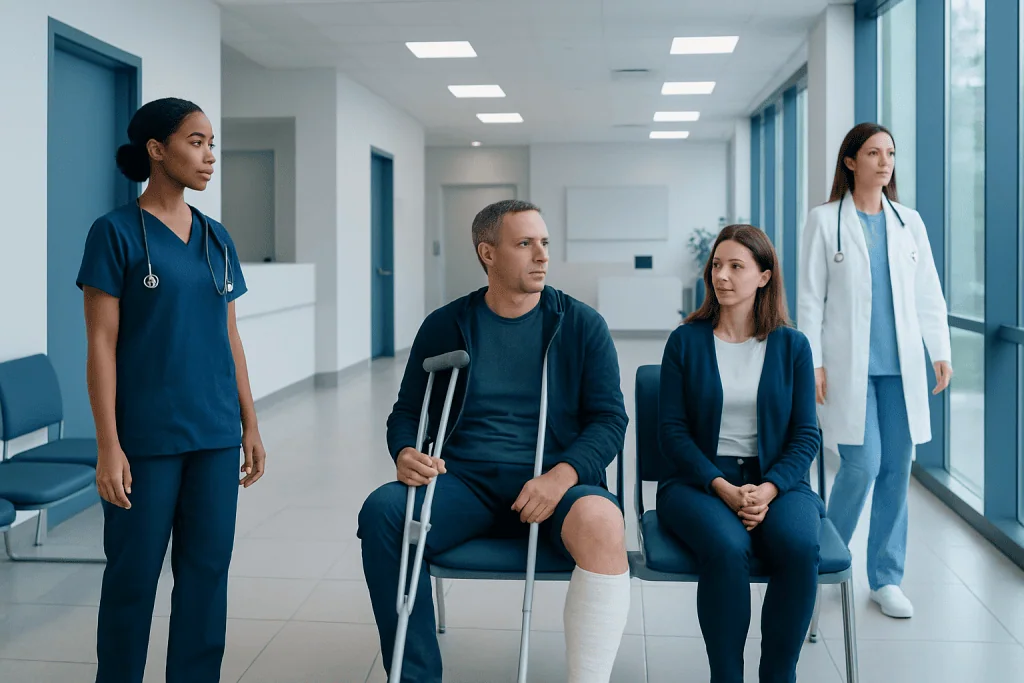
A fibula fracture can happen from a fall, sports injury, twist, or direct blow to the lower leg or ankle. Symptoms often include pain, swelling, bruising, and trouble bearing weight, but severity depends on the fracture pattern.
Key Takeaways
- A fibula fracture can happen from a fall, sports injury, twist, or direct blow to the lower leg or ankle.
- Symptoms often include pain, swelling, bruising, and trouble bearing weight, but severity depends on the fracture pattern.
- Treatment may range from rest and immobilization to surgery if the fracture is displaced or the ankle joint is unstable.
- Healing time differs by age, overall health, and fracture type, so follow-up imaging and medical guidance are important.
- Prompt evaluation is especially important if there is deformity, numbness, severe swelling, or an open wound.
A fibula fracture is a break in the thinner of the two lower-leg bones. Many fibula fractures heal well with proper diagnosis and care, but treatment varies depending on where the break is, whether the ankle is involved, and whether the bone has moved out of place.
Overview
A fibula fracture means the fibula, the smaller bone on the outer side of the lower leg, has cracked or broken. Although the fibula does not carry as much body weight as the tibia, it plays an important role in ankle stability, muscle attachment, and overall leg mechanics. For that reason, a fibula fracture is not always a minor injury, especially when the ankle joint is also affected.
Not every broken fibula looks the same. A fracture may occur near the knee, along the shaft of the bone, or close to the ankle. Some are small stress fractures that develop over time, while others happen suddenly after trauma. Whether a fibula fracture needs a cast, walking boot, surgery, or rehabilitation depends on the exact location and pattern of the injury.
One common myth is that because the fibula is the “smaller” lower-leg bone, a fracture will always heal easily without much treatment. In reality, medical evaluation is important to determine if nearby ligaments, the ankle joint, or the tibia are also injured. A careful diagnosis helps guide safe healing and a return to daily activities.
Symptoms of a Fibula Fracture
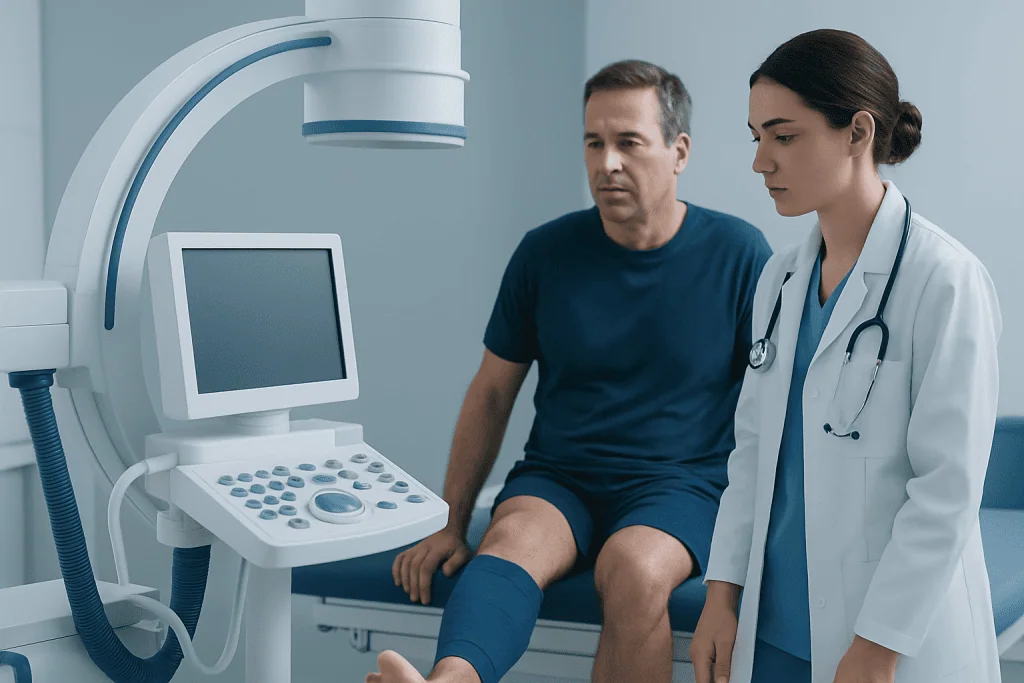
Symptoms of a fibula fracture can range from mild discomfort to significant pain and difficulty walking. The most common signs are pain on the outside of the lower leg or ankle, swelling, tenderness, bruising, and pain that becomes worse with standing or movement. Some people hear or feel a “snap” at the time of injury, but this does not happen in every case.
Walking may be difficult, especially if the fracture is near the ankle or if there is associated damage to ligaments. In less severe injuries, a person may still be able to bear some weight, which can make the fracture easy to mistake for a sprain. Stress fractures of the fibula may begin more gradually, with aching that worsens during exercise and improves with rest, at least at first.
Symptoms that suggest a more serious injury include visible deformity, severe swelling, numbness, coolness of the foot, or an open wound over the broken bone. These signs need urgent medical attention because they may point to circulation, nerve, or skin involvement.
- Pain on the outer lower leg or ankle
- Swelling and bruising
- Tenderness to touch
- Trouble walking or bearing weight
- Instability around the ankle
- Visible deformity in more severe fractures
Causes and Risk Factors

A fibula fracture most often happens after trauma. Common causes include twisting the ankle, falling, sports collisions, direct blows, and motor vehicle accidents. In athletes, repetitive stress from running or jumping can also lead to a stress fracture. The exact mechanism matters because it can help doctors predict whether the ankle ligaments or the tibia may also be injured.
Fractures near the ankle sometimes occur with a significant sprain-like event. In these cases, the problem may involve both bone and ligament structures, which can affect joint stability. A fracture in the upper fibula may also signal a more complex ankle injury, so doctors usually assess the whole lower leg rather than only the painful spot.
Several factors can increase the risk of fracture or make healing slower. These include older age, osteoporosis, low bone density, smoking, poor nutrition, certain medications, overtraining, and health conditions that affect bone strength or circulation. Recurrent ankle injuries and improper sports technique may also raise the risk in active people.
Sometimes a fibula fracture occurs together with other injuries such as a severe ankle sprain or a tibia fracture. Because symptoms can overlap, imaging and physical examination are important for a clear diagnosis.
How Doctors Diagnose It
Diagnosis begins with a medical history and physical examination. A doctor will ask how the injury happened, where the pain is located, whether the person can walk, and if symptoms such as numbness or instability are present. During the exam, the lower leg, ankle, and foot are checked for tenderness, swelling, bruising, bone alignment, circulation, and nerve function.
X-rays are usually the first imaging test used to confirm a fibula fracture. They help show the location of the break, whether the bone pieces are aligned, and whether the ankle joint is involved. In some cases, additional views of the ankle or the entire lower leg are needed because the main injury may extend beyond the most painful area.
If a stress fracture is suspected but the first X-ray is normal, repeat imaging or a more sensitive test may be recommended. CT scans can provide more detail for complex fractures, and MRI may be useful when doctors need to assess ligaments, cartilage, or subtle bone injury. In some patients, MRI helps distinguish a stress injury from other causes of pain.
Accurate diagnosis is important because treatment is based not only on the bone break itself but also on joint stability, surrounding soft tissues, and overall function. In more complex cases, orthopedic evaluation helps determine the safest treatment plan.
Treatment Options
Fibula fracture treatment depends on the type of fracture, where it is located, and whether the ankle or other bones are unstable. If the fracture is not displaced and the joint remains stable, treatment is often nonsurgical. This may include rest, ice, elevation, limiting weight-bearing, and support with a splint, cast, or walking boot. Pain control and follow-up visits are also part of care.
Some fractures need surgery, especially if the bone fragments have shifted, the ankle mortise is unstable, the skin is threatened, or there is an open fracture. Surgery generally aims to restore alignment and keep the bone in position while it heals, often using plates, screws, or other fixation devices. The choice of procedure depends on the injury pattern and the patient’s overall condition.
Stress fractures are managed differently from major traumatic breaks. They usually require activity modification and a gradual return to exercise after symptoms improve and healing is confirmed. Ignoring a stress fracture and continuing high-impact activity can delay recovery and increase the risk of a more complete break.
After the first stage of treatment, many patients benefit from physical therapy and rehabilitation to improve ankle motion, leg strength, balance, and walking pattern. In selected cases where surgery is required, orthopedic surgery may be part of the care pathway.
Recovery, Rehabilitation, and Self-Care
Healing time for a fibula fracture varies. It depends on the person’s age, the exact fracture, bone quality, whether surgery was needed, and how closely the treatment plan is followed. Some simple fractures improve within several weeks, while more complex injuries may take longer and require a more gradual return to sports or physically demanding work.
Recovery is not only about the bone knitting together. Stiffness, weakness, swelling, and reduced balance can continue after pain improves, especially if the leg has been immobilized. That is why gradual rehabilitation matters. Exercises are usually introduced in stages, beginning with safe motion and progressing to strengthening, balance work, and walking or sport-specific activity.
At home, self-care often includes elevating the leg, using ice as advised, protecting the injured limb from further strain, and avoiding smoking if possible because smoking may impair bone healing. Good nutrition, including adequate protein and nutrients that support bone health, can also help recovery.
People should avoid returning to full activity too soon, even if the leg feels better. A doctor may repeat X-rays or re-examine the ankle to confirm healing before higher-impact movement resumes. Careful follow-up lowers the chance of persistent pain, malunion, or re-injury.
When to Seek Medical Care
Anyone with significant lower-leg or ankle pain after an injury should seek medical evaluation, especially if walking is difficult or the area is swollen and tender. A fracture can sometimes feel like a sprain at first, so persistent symptoms should not be ignored. Early assessment helps rule out unstable injuries and supports proper healing.
Urgent care is needed if there is an obvious deformity, an open wound, severe or rapidly increasing swelling, loss of sensation, blue or pale toes, or severe pain that does not improve with rest. These symptoms may suggest complications involving circulation, nerves, or skin.
Medical review is also important for athletes or active individuals with repeated lower-leg pain that worsens during exercise, because this can point to a stress fracture. If symptoms continue despite rest, imaging may be needed even if the first examination seemed reassuring.
Near the end of care, some patients may seek specialist support for complex fractures, ankle instability, or delayed recovery. Acibadem International’s multidisciplinary specialists and JCI-accredited hospitals diagnose and treat fibula fractures for international patients when orthopedic and rehabilitation expertise is needed.
Frequently asked questions
Can a fibula fracture heal without surgery?
Yes, many fibula fractures heal without surgery if the bone is well aligned and the ankle joint remains stable. Treatment may include a cast, splint, or walking boot, along with follow-up visits to make sure healing is progressing as expected.
How long does fibula fracture recovery take?
Recovery time varies depending on the fracture type, its location, the person’s age, and whether surgery is needed. Some uncomplicated fractures heal within weeks, while more complex injuries may need a longer period of protection and rehabilitation.
Is a fibula fracture the same as an ankle fracture?
Not exactly. A fibula fracture may occur near the ankle and can be part of an ankle fracture pattern, but the fibula can also break higher in the leg. Doctors assess both the bone and the stability of the ankle joint before deciding on treatment.
Can someone walk on a broken fibula?
Some people can still walk on a broken fibula, especially if the fracture is less severe. However, being able to bear weight does not rule out a fracture, and continuing to walk on it may worsen pain or delay healing, so medical evaluation is still important.
What is the difference between a fibula fracture and a stress fracture?
A traumatic fibula fracture usually happens suddenly after a fall, twist, or direct blow. A fibula stress fracture develops gradually from repetitive strain and often begins with exercise-related pain that eases with rest before becoming more persistent.
When should someone worry about complications after a fibula fracture?
Complications should be considered if there is increasing pain, worsening swelling, numbness, changes in skin color, fever, or a wound near the injury. Follow-up is also important if recovery seems slow, walking remains difficult, or the ankle feels unstable.
References
- American Academy of Orthopaedic Surgeons
- National Institute of Arthritis and Musculoskeletal and Skin Diseases
- American College of Radiology
- MedlinePlus
- OrthoInfo
This article is for general information only and is not a substitute for professional medical advice. Please consult a qualified doctor about your individual situation.
Joint and spine care in Turkey — expert assessment & treatment
JCI-accredited · board-certified surgeons · reply within 24h
Add us as a Preferred Source to see more of our trusted health content across Google Search, AI Overviews and Discover.

More from the Health Library

Bumps on Areola: What Patients Need to Know

Leg Cramps — Explained by Medical Evidence, Not Myths

Progeria: What Patients Need to Know

Miscarriage: A Complete Medical Overview

Sodium: An Evidence-Based Guide for Patients