Amnesia — Explained by Medical Evidence, Not Myths

Amnesia means memory loss that affects daily life, not ordinary forgetfulness. It can be short-term or long-lasting and may follow head injury, stroke, infection, seizures, substance use, or severe emotional stress.
Key Takeaways
- Amnesia means memory loss that affects daily life, not ordinary forgetfulness.
- It can be short-term or long-lasting and may follow head injury, stroke, infection, seizures, substance use, or severe emotional stress.
- Doctors diagnose amnesia by reviewing symptoms, examining the nervous system, and using tests such as blood work, cognitive assessment, and brain imaging.
- Treatment depends on the cause and may include urgent medical care, rehabilitation, medication review, and psychological support.
- Sudden memory loss, confusion, weakness, speech changes, or symptoms after a head injury need prompt medical attention.
Amnesia is a condition in which a person has trouble forming new memories, recalling past information, or both. It is a symptom of an underlying medical or psychological problem rather than a single disease, so evaluation focuses on finding the cause and protecting brain health.
What amnesia really means
Amnesia is a medically recognized form of memory loss, not a dramatic loss of identity like it is often shown in films. In real life, amnesia usually affects a person’s ability to remember recent events, learn new information, recall parts of the past, or all three. The pattern depends on which brain systems are affected and what caused the problem.
Memory is not a single function. The brain stores and retrieves information through several connected networks. Because of this, a person with amnesia may still know who they are, speak normally, and perform familiar tasks, yet be unable to remember a conversation from an hour earlier or events surrounding an accident. This is why doctors look closely at the type of memory problem, not just the word “forgetfulness.”
Amnesia is best understood as a symptom rather than a stand-alone diagnosis. It may result from physical damage to the brain, reduced blood flow, inflammation, seizures, certain medications, alcohol or drug effects, or major psychological stress. Identifying the cause is the most important step because some causes are temporary and reversible, while others need urgent treatment.
Symptoms and types of amnesia
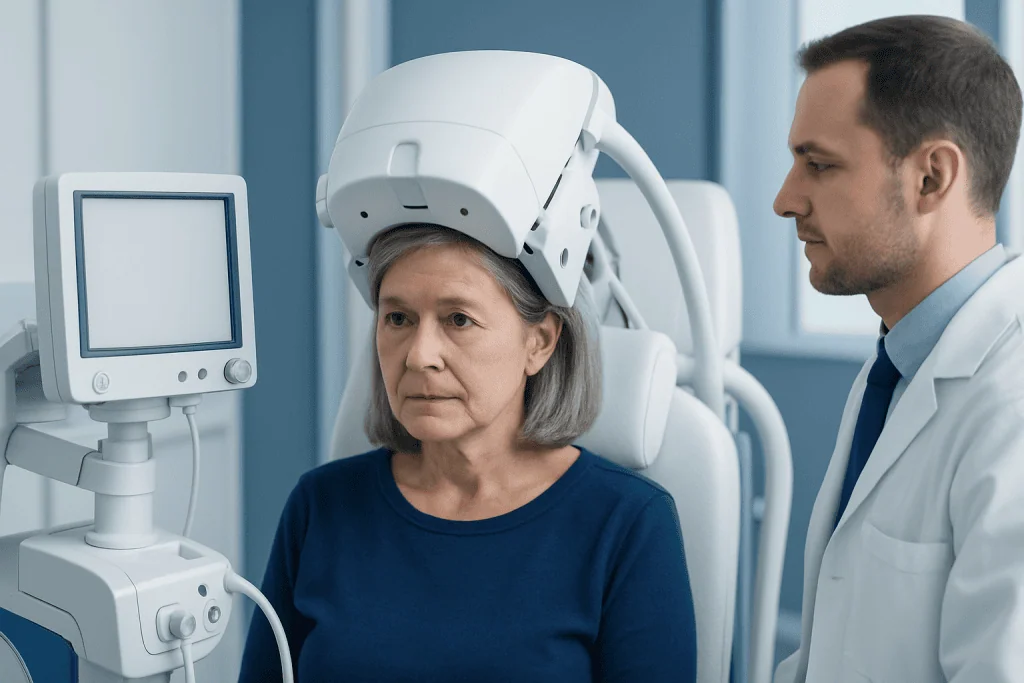
The main symptom of amnesia is memory impairment that is greater than normal age-related forgetfulness. A person may repeatedly ask the same questions, forget recent conversations, struggle to learn new facts, or have blank spots involving a certain time period. Family members often notice these changes before the person affected does.
Doctors often describe amnesia by the kind of memory difficulty involved. Anterograde amnesia means trouble forming new memories after the event or illness that caused the problem. Retrograde amnesia means loss of memories formed before the event. Many people have a combination of both, especially after brain injury or serious neurologic illness.
Other features can appear alongside memory loss depending on the cause. These may include confusion, headache, dizziness, poor concentration, mood changes, trouble with balance, weakness, speech problems, or reduced awareness of surroundings. Psychological forms of amnesia may involve gaps in autobiographical memory during or after severe emotional trauma.
- Anterograde amnesia: difficulty creating new memories
- Retrograde amnesia: loss of previously stored memories
- Transient amnesia: sudden short-lived memory disturbance
- Post-traumatic amnesia: memory problems after head injury
- Dissociative amnesia: memory loss linked to severe psychological stress
Why amnesia happens: causes and risk factors

Amnesia can happen when parts of the brain involved in memory, especially structures in the temporal lobes and related networks, are injured or not functioning properly. This may occur after a concussion, a more severe traumatic brain injury, a stroke, brain infection, lack of oxygen, seizures, or inflammation. Conditions that affect the brain more gradually, such as dementia, can also cause progressive memory loss.
Medications and substances are another important cause. Sedatives, some sleep medicines, alcohol, illicit drugs, and medication interactions can interfere with memory formation or recall. Nutritional deficiencies, especially severe vitamin B1 deficiency, may contribute to lasting memory problems. In some people, a brief episode of sudden memory loss occurs without obvious lasting injury, as in transient global amnesia, which still needs medical evaluation to rule out more serious causes.
Emotional trauma can also affect memory. In dissociative amnesia, a person may be unable to recall important personal information, usually related to stress or trauma, even though the brain is not injured in the same way as with stroke or head trauma. Risk factors for amnesia include older age, cardiovascular disease, heavy alcohol use, uncontrolled seizures, major head injury, and neurologic conditions such as stroke or Alzheimer’s disease.
How doctors diagnose amnesia
Diagnosis begins with a careful history. Doctors ask when the memory problem started, whether it came on suddenly or gradually, what kinds of memories are affected, and whether there are associated symptoms such as headache, weakness, seizures, fever, or recent emotional trauma. Information from a family member or companion is often very helpful because the person with amnesia may not recall the timeline clearly.
A physical examination and neurologic examination help identify signs of brain or nerve dysfunction. The doctor may also check mental status, attention, language, orientation, and different types of memory. These bedside tests are not just about “passing” or “failing”; they help narrow down whether the problem is likely due to a structural brain issue, metabolic illness, medication effect, or psychiatric cause.
Further testing depends on the clinical picture. Blood tests may look for infection, vitamin deficiency, liver or kidney problems, thyroid disease, or toxic exposure. Brain imaging such as MRI or CT can identify bleeding, stroke, tumors, inflammation, or injury. Some people may need an EEG if seizures are suspected, or more formal memory testing through neurological rehabilitation and neuropsychological assessment to understand cognitive strengths and weaknesses.
Treatment options and recovery
There is no single treatment that cures all amnesia because treatment is directed at the underlying cause. If memory loss is related to a stroke, head injury, infection, seizure disorder, medication effect, or substance use, those problems need targeted care. In emergency situations, rapid treatment can be critical to protect brain function and prevent further damage.
Recovery varies. Some people improve as the brain heals or as the temporary cause resolves, while others have lasting memory difficulties. Supportive care may include memory strategies, structured routines, occupational therapy, cognitive rehabilitation, and practical safety planning at home. When emotional trauma is involved, psychotherapy can help the person process the stressor and gradually recover functioning.
If doctors suspect a structural or urgent neurologic cause, specialist evaluation may involve neurosurgery or other focused interventions. For ongoing symptoms related to brain injury or neurologic disease, multidisciplinary care is often the most helpful approach. Near the end of the diagnostic pathway, some patients may benefit from consultation in centers such as Acibadem International, where multidisciplinary specialists in JCI-accredited hospitals evaluate and treat international patients with memory-related conditions.
Prevention and day-to-day self-care
Not every cause of amnesia can be prevented, but many risks can be reduced. Protecting the brain from injury is especially important. Wearing seat belts, using helmets during sports or cycling, reducing fall risks at home, and avoiding impaired driving all lower the chance of traumatic brain injury.
General brain health also matters. Managing blood pressure, diabetes, cholesterol, and heart rhythm disorders can reduce the risk of stroke and other circulation-related brain problems. Limiting alcohol, avoiding recreational drugs, reviewing medications with a doctor, and treating sleep problems may also improve memory and reduce episodes of confusion.
For someone already experiencing memory problems, practical self-care can make daily life safer and less stressful. Helpful steps include keeping a written schedule, using phone reminders, storing important items in consistent places, bringing a family member to appointments, and seeking rehabilitation or counseling when recommended. These supports do not replace medical care, but they can improve independence and quality of life.
When to seek medical care
Any sudden or unexplained amnesia should be assessed by a medical professional. Memory loss that starts abruptly can signal a stroke, seizure, head injury, infection, or another urgent condition. Prompt evaluation is especially important if the person seems confused, cannot form new memories, or is unaware that anything is wrong.
Emergency care is needed if amnesia occurs with weakness, facial drooping, trouble speaking, severe headache, fainting, seizure activity, chest pain, high fever, or after a recent blow to the head. These symptoms may point to serious neurologic or medical illness requiring immediate treatment.
Even when symptoms are mild, an appointment is wise if memory problems are recurring, worsening, interfering with work or home life, or causing concern to family members. Early evaluation can identify reversible causes, guide treatment, and provide reassurance when the cause is less serious than feared.
Frequently asked questions
Is amnesia the same as ordinary forgetfulness?
No. Ordinary forgetfulness may involve occasionally misplacing items or taking longer to recall a name, while amnesia is more significant memory loss that affects daily functioning. It often involves inability to remember recent events, gaps in past memories, or trouble learning new information.
Can amnesia be temporary?
Yes, some forms of amnesia are temporary. Memory loss caused by certain medications, alcohol, concussion, seizures, or transient global amnesia may improve over time, but it still requires medical evaluation to identify the cause and rule out emergencies.
Does amnesia always mean dementia?
No. Dementia is only one possible cause of memory problems, and amnesia can also result from head injury, stroke, infection, severe stress, substance use, or metabolic problems. A doctor considers the full pattern of symptoms before deciding what is most likely.
Can stress cause amnesia?
Severe psychological stress or trauma can contribute to dissociative amnesia, in which a person cannot recall important personal information. This is different from memory loss caused by direct brain injury, and assessment may involve both medical and mental health professionals.
How is amnesia tested?
Doctors usually combine a medical history, neurologic examination, and memory or cognitive testing. Depending on symptoms, they may also order blood tests, brain imaging, or an EEG to look for seizures or other neurologic causes.
Can a person with amnesia recover fully?
Some people do recover fully, especially when the cause is temporary or treatable. Others may improve only partly and need rehabilitation, memory aids, and ongoing support, particularly if there has been significant brain injury or a progressive neurologic condition.
References
- National Institute of Neurological Disorders and Stroke
- National Institute on Aging
- Mayo Clinic
- Merck Manual Professional Edition
- World Health Organization
This article is for general information only and is not a substitute for professional medical advice. Please consult a qualified doctor about your individual situation.
Explore treatments in Turkey — costs, top hospitals & a free quote
JCI-accredited · board-certified surgeons · reply within 24h
Add us as a Preferred Source to see more of our trusted health content across Google Search, AI Overviews and Discover.

More from the Health Library


Related Specialists

Dr. Nima Babavand Arablou
Emergency Service
Dr. Barış Gıakoup
Emergency Service
Dr. Mehrıban Allahverdıyeva
Inpatient Clinic Physicians
Assoc. Prof. Dr. Filiz Gülustan
Ear Nose & Throat