Erythema Nodosum — Explained by Medical Evidence, Not Myths

Erythema nodosum usually appears as painful nodules on the shins and often improves over several weeks. It is a type of inflammation in the fat layer under the skin, called panniculitis.
Key Takeaways
- Erythema nodosum usually appears as painful nodules on the shins and often improves over several weeks.
- It is a type of inflammation in the fat layer under the skin, called panniculitis.
- Common triggers include infections, certain medicines, inflammatory bowel disease, sarcoidosis, and pregnancy.
- Diagnosis focuses on confirming the skin pattern and looking for the underlying cause.
- Treatment aims to relieve pain and manage the trigger rather than treating the skin alone.
- Medical review is important if symptoms are severe, recurrent, or accompanied by fever, breathing problems, or joint pain.
Erythema nodosum is an inflammatory condition that causes tender, red or purple bumps under the skin, most often on the front of the legs. It is not a disease by itself, but a skin sign that may appear after an infection, medication, pregnancy, or an underlying inflammatory condition.
What erythema nodosum is
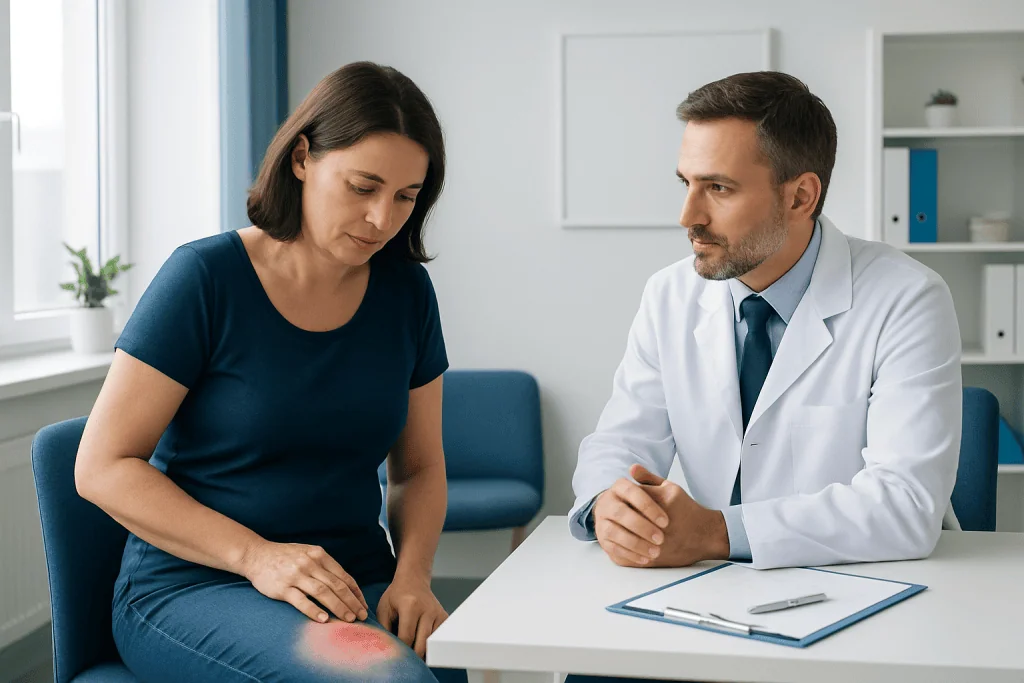
Erythema nodosum is an inflammatory reaction in the fatty tissue beneath the skin. It most often causes tender, warm, red lumps on the shins, although the knees, thighs, ankles, or forearms can also be affected. The nodules are usually not infected and do not ulcerate, but they can be painful enough to make walking uncomfortable.
Rather than being a single disease, erythema nodosum is often a clue that the immune system is reacting to something else. That “something” may be a recent infection, a medicine, pregnancy, or an inflammatory condition elsewhere in the body. In some people, no specific cause is found even after evaluation.
The color of the nodules often changes over time from bright red to purple, brown, or yellowish, similar to a bruise as it heals. This can be reassuring: the changing color usually reflects resolution, not spreading infection. Most episodes settle within a few weeks, though tenderness may last longer and recurrences can happen if the trigger returns.
Symptoms and how it may feel
The hallmark symptom is the sudden appearance of painful, rounded nodules under the skin. These bumps are most commonly found on both shins and are usually symmetrical. They may feel firm at first and can range from small to several centimeters across.
Many people also feel generally unwell before or during the skin outbreak. Fatigue, low-grade fever, and joint aches are common, especially in the ankles, knees, or wrists. Swelling around the ankles can make the condition seem like a joint problem before the skin changes become obvious.
Other symptoms depend on the underlying cause. For example, a recent sore throat may suggest a streptococcal infection, cough or shortness of breath can point toward a chest-related cause, and abdominal pain or diarrhea may suggest inflammatory bowel disease. When erythema nodosum appears alongside another illness, both sets of symptoms help guide the diagnosis.
- Tender red or purple nodules, especially on the shins
- Pain when standing, walking, or touching the area
- Fatigue or a general “flu-like” feeling
- Joint pain or ankle swelling
- Skin color changes as the nodules heal, often like bruising
Causes and risk factors
Erythema nodosum develops when the immune system reacts in a way that causes inflammation in the subcutaneous fat. A wide range of triggers can set this off. Infections are among the most common causes, particularly streptococcal throat infection, but viral, bacterial, fungal, and other infectious illnesses may also be involved.
Inflammatory and immune-mediated conditions are another important group of causes. These include sarcoidosis and inflammatory bowel disease, such as Crohn’s disease and ulcerative colitis. Less often, erythema nodosum can be linked to other autoimmune conditions or, rarely, to certain cancers.
Some medicines can trigger erythema nodosum, including selected antibiotics, hormonal contraceptives, and other drugs that affect immune responses. Pregnancy is also a recognized trigger in some individuals. In many cases, a person has a combination of susceptibility and a recent trigger rather than one single explanation.
Risk factors do not guarantee that someone will develop the condition, but they can make it more likely. These include a recent respiratory infection, a known inflammatory disease, medication changes, and family or personal history of immune-related conditions.
How doctors diagnose erythema nodosum
Diagnosis usually begins with a physical examination and a careful medical history. Doctors look at the location, tenderness, and appearance of the nodules, and ask about recent infections, sore throat, cough, bowel symptoms, medication use, and pregnancy. Because erythema nodosum is often a sign of another process, the evaluation goes beyond the skin.
Blood tests may be used to look for inflammation or clues to infection. Depending on symptoms, a doctor may recommend a throat test, chest X-ray, or other imaging. Stool tests or referral to a specialist may be considered if digestive symptoms suggest inflammatory bowel disease. If the presentation is typical, a skin biopsy is not always necessary, but it can help when the diagnosis is uncertain or other skin conditions need to be ruled out.
Conditions that can resemble erythema nodosum include cellulitis, superficial thrombophlebitis, bruising disorders, and other forms of panniculitis. Distinguishing between these matters because the treatments are different. If there are chest symptoms, clinicians may also evaluate for conditions such as sarcoidosis or respiratory infections.
Treatment options and recovery
Treatment focuses on two goals: easing symptoms and identifying the cause. Many cases improve on their own with time, especially if the trigger was a short-lived infection. Rest, leg elevation, and supportive measures can reduce discomfort while the inflammation settles.
Pain relief may include anti-inflammatory medicines when appropriate, though doctors use these carefully in people with stomach, kidney, bleeding, or bowel conditions. Compression or supportive stockings may help some patients with swelling or tenderness. If an infection is confirmed, targeted treatment may be needed; if a medication is the likely trigger, the prescribing doctor may discuss safer alternatives.
When erythema nodosum is linked to an underlying inflammatory disease, long-term control depends on treating that condition. For example, a person with bowel inflammation may benefit from assessment through gastroenterology care, while chest findings suspicious for sarcoidosis or another cause may lead to further specialist review. In selected persistent or severe cases, dermatology or internal medicine specialists may consider additional anti-inflammatory treatments.
Recovery is usually gradual. The nodules often flatten and fade over several weeks, leaving bruise-like discoloration before clearing. Scarring is uncommon, but recurrence can happen if the same trigger returns or the underlying condition remains active. At Acibadem International, multidisciplinary specialists in JCI-accredited hospitals evaluate and treat erythema nodosum and its related causes for international patients.
Self-care and reducing future episodes
Self-care cannot prevent every case, but it can make recovery easier and may lower the chance of recurrence in some people. Reducing pressure on painful areas, avoiding intense exercise during flare-ups, and using simple supportive measures often help. It is also useful to note any illnesses or medicines that preceded the rash, as this information may help identify a trigger later.
If a doctor has linked erythema nodosum to an underlying condition, good control of that condition becomes part of prevention. For example, managing inflammatory bowel disease, reviewing medications regularly, or treating recurrent throat infections may reduce repeat episodes. When symptoms suggest a systemic cause, coordinated evaluation may involve dermatology and other specialties.
People should avoid starting or stopping prescription medicines on their own because the risks and benefits need medical review. Home remedies should not replace professional assessment if the rash is severe, widespread, or accompanied by fever, breathing symptoms, or significant joint swelling.
- Rest and elevate the legs when pain is worse
- Wear loose, comfortable clothing over affected skin
- Track recent infections, new medicines, or other possible triggers
- Follow care plans for any identified underlying condition
- Arrange follow-up if the nodules persist, recur, or new symptoms develop
When to seek medical care
Medical care is appropriate for anyone with new, painful nodules on the legs, especially if the cause is unclear. A doctor can confirm whether the rash is erythema nodosum or another condition that needs different treatment. Assessment is also important because the skin findings may be the first sign of an infection or inflammatory disease elsewhere in the body.
Prompt medical review is especially important if there is high fever, severe pain, rapid worsening, shortness of breath, chest pain, persistent cough, marked joint swelling, or digestive symptoms such as ongoing diarrhea or blood in the stool. These features do not always mean something serious, but they increase the need to look for an underlying cause. People who are pregnant, immunocompromised, or taking multiple medicines should also seek individualized advice.
If erythema nodosum keeps returning, a more detailed work-up may be needed. In that situation, specialists may investigate recurring infections, autoimmune conditions, or bowel disease, and may coordinate further testing through services such as internal medicine.
Frequently asked questions
Is erythema nodosum dangerous?
Erythema nodosum itself is usually not dangerous, and many cases improve with time and supportive care. The main medical question is whether it is being triggered by an infection, inflammatory condition, medicine, or another underlying problem that needs attention.
How long does erythema nodosum last?
Many episodes improve over 3 to 6 weeks, though tenderness and discoloration can last longer. Recovery may take more time if the trigger is ongoing or if the condition recurs.
Can erythema nodosum go away on its own?
Yes, it often does, especially when it follows a short-lived infection. Even when the nodules settle on their own, medical evaluation is still helpful to look for a treatable cause and to relieve symptoms safely.
Is erythema nodosum contagious?
No, erythema nodosum is not contagious. However, if it was triggered by an infection such as a throat infection, that infection itself may be contagious depending on the cause.
What is the difference between erythema nodosum and cellulitis?
Erythema nodosum usually causes multiple tender nodules, often on both shins, and the skin changes evolve like bruises as they heal. Cellulitis is a bacterial skin infection that more often causes a single expanding area of redness, warmth, and swelling, sometimes with fever and worsening pain.
Can stress cause erythema nodosum?
Stress alone is not considered a direct cause of erythema nodosum. Still, stress can affect overall health and may make symptoms feel harder to manage, so supportive care and medical follow-up remain important.
References
- American Academy of Dermatology
- Merck Manual Professional Edition
- National Organization for Rare Disorders
- Mayo Clinic
- MedlinePlus
This article is for general information only and is not a substitute for professional medical advice. Please consult a qualified doctor about your individual situation.
Explore treatments in Turkey — costs, top hospitals & a free quote
JCI-accredited · board-certified surgeons · reply within 24h
Add us as a Preferred Source to see more of our trusted health content across Google Search, AI Overviews and Discover.

More from the Health Library

Salves: A Complete Medical Overview

Somatic Yoga — Explained by Medical Evidence, Not Myths

Infant Head Dry Skin — Explained by Medical Evidence, Not Myths

Electrocautery: An Evidence-Based Guide for Patients
Blister Between Toes: A Complete Medical Overview