Erythematotelangiectatic Rosacea: Redness and Flushing

Erythematotelangiectatic rosacea mainly causes persistent redness, flushing, warmth or stinging, and visible tiny blood vessels on the face. Symptoms may come and go, but untreated redness and visible vessels can become more persistent over time.
Key Takeaways
- Erythematotelangiectatic rosacea mainly causes persistent redness, flushing, warmth or stinging, and visible tiny blood vessels on the face.
- Symptoms may come and go, but untreated redness and visible vessels can become more persistent over time.
- Sun exposure, heat, alcohol, spicy foods, stress and irritating skin products are common triggers, although triggers vary between individuals.
- A clinician can usually diagnose rosacea through a skin examination and rule out conditions with similar symptoms.
- Gentle skin care, daily broad-spectrum sunscreen and medical treatments such as topical therapy or vascular laser procedures may help.
Erythematotelangiectatic rosacea is a common form of rosacea marked by long-lasting facial redness, frequent flushing and small visible blood vessels. Although it is a long-term skin condition, identifying personal triggers and using appropriate skin care and medical treatment can help reduce symptoms and support skin comfort.
Overview: What Is Erythematotelangiectatic Rosacea?
Erythematotelangiectatic rosacea, often shortened to ETR, is a subtype of rosacea that primarily affects the central face. It is characterized by persistent redness, episodes of flushing, and telangiectasias: small enlarged blood vessels that may be visible through the skin. The cheeks are commonly affected, although redness can also involve the nose, forehead and chin.
Rosacea is a chronic inflammatory skin condition. ETR does not spread from person to person, is not caused by poor hygiene, and is not contagious. Its symptoms can change over time: some people mainly experience intermittent flushing at first, while others develop more lasting redness or visible vessels. The condition can affect people of many skin tones, though redness may be less obvious in deeper skin tones and may instead appear as warmth, darkening, irritation or a change in texture.
There is no single permanent cure for rosacea, but symptoms can often be managed effectively. An individualized plan usually combines trigger awareness, gentle daily skin care, sun protection and, when appropriate, treatments recommended by a dermatologist. Early attention to recurring flushing or persistent facial redness may help patients find strategies that improve comfort and appearance.
Symptoms and Everyday Effects
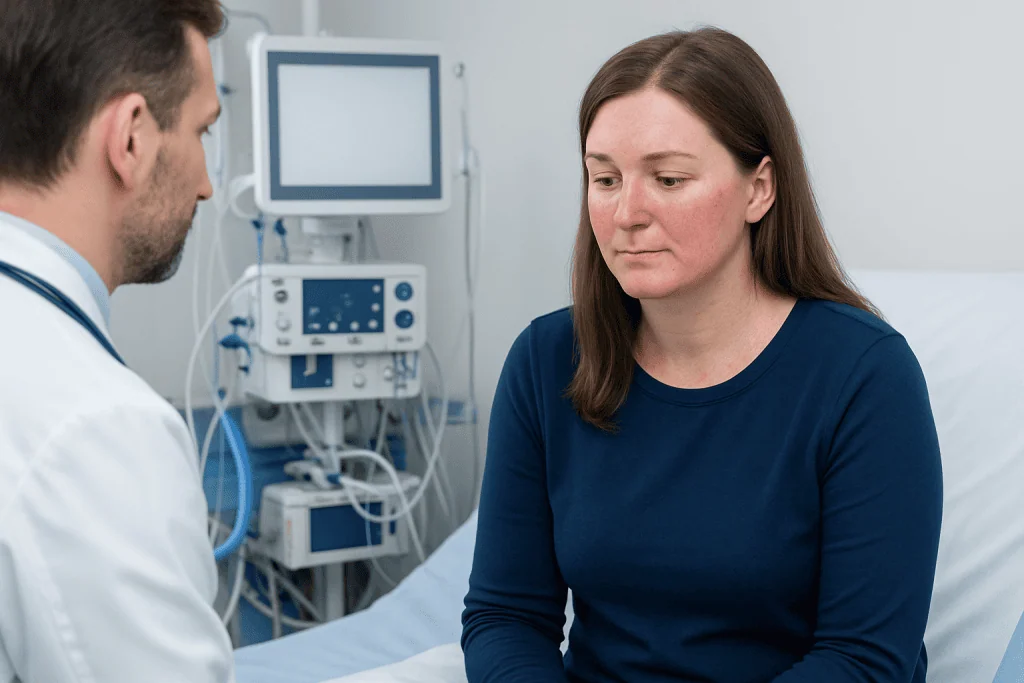
The hallmark symptoms of erythematotelangiectatic rosacea are facial flushing and persistent redness. Flushing may begin suddenly and can be accompanied by a sensation of heat, burning or stinging. Over time, redness may remain even between flushing episodes, particularly across the cheeks and nose.
Fine red, purple or bluish blood vessels may become noticeable on the surface of the skin. The skin can also feel dry, sensitive, tight or easily irritated. Some patients find that cosmetics, cleansers, temperature changes or sunlight cause discomfort even when these products or exposures were previously well tolerated.
ETR generally does not cause acne-like bumps or pus-filled spots; these are more typical of another rosacea presentation, papulopustular rosacea. However, more than one rosacea feature can occur in the same person. Some people also develop eye-related symptoms, including dry, gritty, watery or irritated eyes, which should be discussed with a healthcare professional.
Visible facial changes can affect confidence and social comfort. These reactions are understandable, and supportive care can address both the physical symptoms and the practical impact of living with a noticeable skin condition. Patients should avoid self-blame, as rosacea is not a result of inadequate cleansing or personal habits.
Why It Happens: Causes and Risk Factors

The exact cause of erythematotelangiectatic rosacea is not fully understood. Research suggests that it involves a combination of inherited tendency, altered immune and inflammatory responses, skin-barrier disruption, changes in facial blood vessels and environmental exposures. The facial skin in rosacea may react more strongly than usual to factors that promote warmth, inflammation or blood vessel widening.
Rosacea often occurs in adults and may be more noticeable after the age of 30, although it can occur earlier. A family history can increase the likelihood of developing it. It is frequently recognized in people with fair skin, but rosacea can affect every skin tone and may be underdiagnosed in people with darker skin because classic redness is less easily seen.
Triggers do not create rosacea, but they can provoke or worsen symptoms. Common examples include ultraviolet exposure, hot or cold weather, wind, heated indoor environments, hot drinks, spicy meals, alcohol, exercise, emotional stress and abrupt temperature changes. Fragranced products, harsh exfoliants, astringents and some cosmetics may also irritate sensitive skin.
Not every trigger affects every person. Keeping a simple symptom diary for several weeks can help identify patterns. It is usually more helpful to make realistic adjustments around consistent triggers than to follow a highly restrictive routine or eliminate many foods and activities without a clear connection to symptoms.
How Erythematotelangiectatic Rosacea Is Diagnosed
A dermatologist or other qualified clinician can often diagnose erythematotelangiectatic rosacea based on the appearance of the skin, the location of redness and visible vessels, and a history of flushing or sensitivity. There is no single blood test or scan that confirms rosacea. The clinician may ask when symptoms began, what seems to trigger them, which products are used on the skin and whether there are eye symptoms.
Several conditions can resemble facial rosacea, including acne, seborrheic dermatitis, contact dermatitis, lupus-related rashes and sun-damaged skin. A careful assessment helps distinguish among these possibilities. In some cases, a clinician may recommend additional tests, patch testing for contact allergy, or a skin biopsy if the diagnosis is uncertain or another condition needs to be excluded.
It can be useful for patients to bring photographs of flushing episodes to an appointment, especially if symptoms are less visible on the day of examination. A list of current skin products, cosmetics, supplements and medications may also help identify possible irritants or factors that contribute to facial redness.
Eye symptoms deserve particular attention. Persistent eye redness, pain, light sensitivity, blurred vision or a sensation of something in the eye may indicate ocular rosacea or another eye condition. These symptoms should be assessed promptly, often with input from an eye specialist.
Treatment Options for Redness and Visible Vessels
Treatment for ETR is tailored to the symptoms that are most bothersome, the degree of skin sensitivity and the patient’s daily routine. Because rosacea tends to fluctuate, care is usually focused on reducing symptoms, minimizing flares and protecting the skin barrier rather than expecting an immediate or permanent disappearance of redness.
For persistent redness, a clinician may prescribe topical medicines that temporarily reduce facial redness by narrowing superficial blood vessels. These medicines can be useful for selected patients, but they should be used exactly as directed because some people may experience irritation or a return of redness as the effect wears off. Other topical treatments may be considered when inflammation, sensitivity or overlapping rosacea features are present.
Visible blood vessels and more established background redness may respond to procedures such as vascular laser therapy or intense pulsed light treatment. These procedures target blood vessels in the skin and are typically performed over more than one session. Suitability depends on skin tone, vessel pattern, medical history and the clinician’s assessment. Results vary, and maintenance treatment may be needed because rosacea can remain active.
Oral medicines are not routinely needed for ETR alone but may be considered when there are additional inflammatory lesions or difficult symptoms. Patients should not use prescription steroid creams on the face unless a clinician specifically advises it, as prolonged or inappropriate use can worsen rosacea-like redness. A dermatologist can explain the likely benefits, limitations and possible side effects of each option.
Skin Care, Trigger Management and Prevention
A gentle, consistent routine is an important part of ETR management. Cleansing once or twice daily with lukewarm water and a mild, fragrance-free cleanser can help remove sunscreen and cosmetics without stripping the skin. The face should be patted dry rather than rubbed. A simple fragrance-free moisturizer may reduce dryness and support the skin barrier.
Daily sun protection is especially important because ultraviolet radiation is a common trigger. Patients can choose a broad-spectrum sunscreen with SPF 30 or higher and use protective measures such as a wide-brimmed hat, sunglasses and shade when practical. Mineral-based sunscreens containing zinc oxide or titanium dioxide may be easier for some people with sensitive skin to tolerate, though preferences differ.
Potential irritants include scrubs, cleansing brushes, alcohol-based toners, strong acids, retinoids, fragranced products and products that create a cooling or tingling sensation. This does not mean every person with rosacea must avoid every active ingredient forever. Instead, introducing one product at a time, starting slowly and stopping products that sting or worsen redness can be a safer approach.
- Use lukewarm rather than very hot water for washing and bathing.
- Allow hot drinks and foods to cool if they reliably prompt flushing.
- Plan cooling strategies for exercise, such as a fan, light layers or a cooler environment.
- Use stress-management approaches that feel sustainable, such as paced breathing, regular movement or adequate sleep.
- Keep a brief record of flares to identify personal rather than assumed triggers.
When to Seek Medical Care
Medical assessment is appropriate when facial redness, flushing or visible blood vessels are persistent, worsening or causing discomfort. A clinician can confirm whether the symptoms are due to rosacea and recommend a plan that fits the person’s skin type, symptoms and goals. Seeking care is also helpful before trying strong over-the-counter acids, steroid creams or multiple new products that may irritate sensitive facial skin.
Patients should arrange prompt medical advice if they develop eye pain, blurred vision, marked light sensitivity, persistent eye redness or swelling around the eyes. These symptoms may have several causes, including eye involvement related to rosacea, and should not be managed with skin treatments alone.
Urgent medical evaluation is appropriate for sudden facial swelling, hives, breathing difficulty, severe pain, a rapidly spreading rash, fever or signs of infection. These are not typical features of uncomplicated ETR and may indicate another condition requiring timely care.
For international patients, Acibadem International’s multidisciplinary specialists and JCI-accredited hospitals can assess facial redness and rosacea symptoms, including cases that may benefit from coordinated dermatology and eye care. A qualified clinician can help patients understand their diagnosis and make informed treatment decisions.
Frequently asked questions
Is erythematotelangiectatic rosacea the same as regular rosacea?
Erythematotelangiectatic rosacea is one presentation of rosacea. It is mainly associated with flushing, persistent redness, skin sensitivity and visible small blood vessels, rather than acne-like bumps. Some people have features of more than one rosacea presentation.
Can erythematotelangiectatic rosacea go away on its own?
Symptoms may improve and worsen over time, particularly when triggers are avoided. However, rosacea is usually a long-term condition, and persistent redness or visible vessels may not fully disappear without treatment. Consistent skin care and clinician-guided treatment can help control symptoms.
What foods trigger erythematotelangiectatic rosacea?
Hot drinks, spicy foods and alcohol are common triggers for some people, but food triggers are highly individual. It is not necessary to avoid these items unless a clear pattern is noticed. A symptom diary can help identify whether particular foods, drinks or temperatures affect flushing.
Can sunscreen make rosacea worse?
Some sunscreen formulas can sting sensitive skin, particularly if they contain fragrance or other irritating ingredients. However, sun protection is important because ultraviolet exposure commonly worsens rosacea. A fragrance-free broad-spectrum sunscreen, often with mineral filters, may be better tolerated.
Are visible blood vessels from rosacea permanent?
Visible facial blood vessels can become more persistent over time and may not fade completely with skin care alone. Vascular laser or intense pulsed light procedures may reduce their appearance for suitable patients. New vessels can still develop later because the underlying rosacea tendency remains.
Should people with rosacea use exfoliants or anti-aging products?
Some people can use selected active ingredients, but sensitive rosacea-prone skin may react to exfoliants, retinoids or strong formulations. Products should be introduced slowly, one at a time, and stopped if they cause burning, stinging or prolonged redness. A dermatologist can provide individualized guidance.
References
- American Academy of Dermatology Association
- National Rosacea Society
- Mayo Clinic
- NHS
- DermNet
This article is for general information only and is not a substitute for professional medical advice. Please consult a qualified doctor about your individual situation.
Rosacea in Turkey — costs, top hospitals & a free quote
JCI-accredited · board-certified surgeons · reply within 24h
Add us as a Preferred Source to see more of our trusted health content across Google Search, AI Overviews and Discover.

More from the Health Library

Aphantasia: A Complete Medical Overview

Gas Gangrene: What Patients Need to Know

Dates: What Patients Need to Know

Pfo Heart: What Patients Need to Know

AFIB with Rvr: What Patients Need to Know

Demerol: An Evidence-Based Guide for Patients
Infectious Diseases & Clinical Microbiology Specialists at Acibadem

Dr. Aytan Seydalıyeva
Infectious Diseases & Clinical Microbiology
Prof. Dr. Behice Kurtaran
Infectious Diseases & Clinical Microbiology
Prof. Dr. Cihadiye Elif Öztürk
Infectious Diseases & Clinical Microbiology
Dr. Dilara Akman
Infectious Diseases & Clinical Microbiology