Esophageal Cancer Surgery: Procedure, Recovery and Results

An esophagectomy removes the cancer-containing part of the esophagus and creates a new route for food, commonly by moving the stomach upward. Surgery is considered according to cancer stage, location, overall health, nutrition and whether chemotherapy or radiation is needed first.
Key Takeaways
- An esophagectomy removes the cancer-containing part of the esophagus and creates a new route for food, commonly by moving the stomach upward.
- Surgery is considered according to cancer stage, location, overall health, nutrition and whether chemotherapy or radiation is needed first.
- Hospital recovery commonly lasts one to two weeks, while esophageal cancer surgery recovery time at home often extends over several months.
- Smaller, more frequent meals and long-term nutrition guidance can help manage early fullness, reflux and weight changes after surgery.
- Follow-up visits are important because esophageal cancer recurrence after surgery remains possible, even after apparently complete removal.
Esophageal cancer surgery, most often an esophagectomy, removes part or all of the esophagus and reconnects the digestive tract, usually using the stomach. It can be a key treatment with curative intent for selected people, but preparation, nutrition support and structured follow-up are essential to recovery.
Overview: how esophageal cancer surgery works
Esophageal cancer surgery is usually performed as an esophagectomy. In this operation, a surgeon removes the section of the esophagus containing cancer, nearby lymph nodes, and sometimes a small portion of the upper stomach. The remaining digestive tract is then reconstructed so that food can continue to pass from the mouth to the stomach.
Most often, the stomach is shaped into a narrow tube and brought up into the chest or neck to join the remaining esophagus. Less commonly, a section of colon or small intestine is used when the stomach cannot be used safely. The operation may be carried out through open incisions, minimally invasive keyhole surgery, or a robotic-assisted approach, depending on the tumor and the person’s anatomy and health.
Surgery may be used alone for very early disease, but many people with localized esophageal cancer receive chemotherapy, radiation therapy, or both before surgery. This combined approach aims to shrink or control the tumor and address cancer cells that may not be visible on scans. Learn more about esophageal cancer and the treatments used at different stages.
Who may be a candidate for surgery?
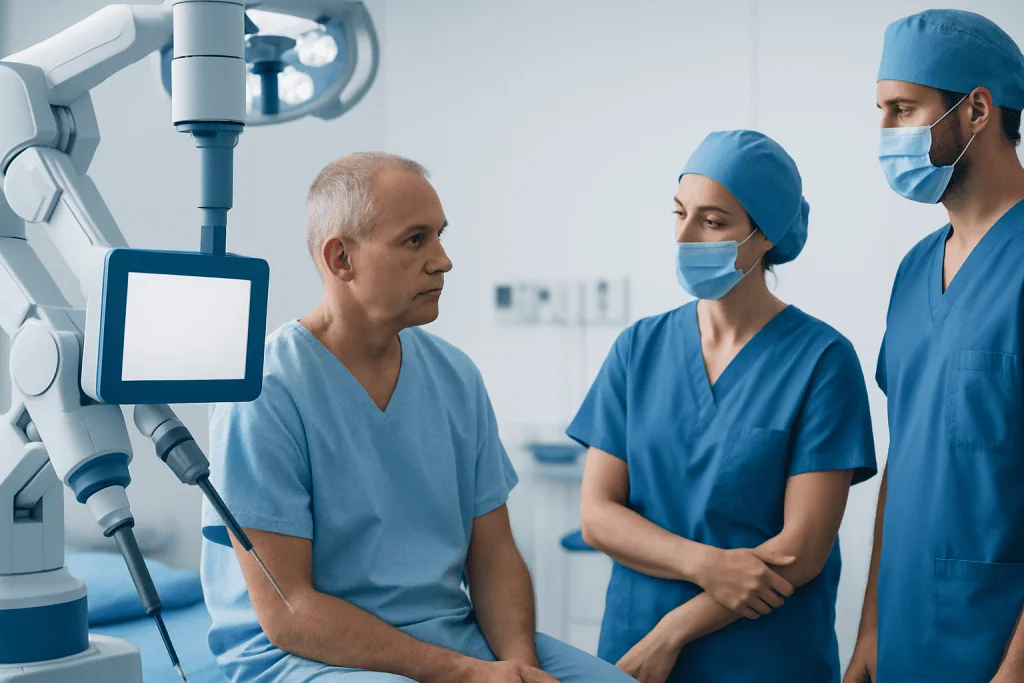
An esophagectomy is generally considered when cancer is localized to the esophagus or nearby lymph nodes and can be fully removed. It may be recommended for certain early cancers, locally advanced cancers after preoperative treatment, and selected cases where cancer has not spread to distant organs. The aim may be cure, although surgery is not appropriate for every diagnosis.
Candidacy is determined by a multidisciplinary team that may include surgeons, medical oncologists, radiation oncologists, gastroenterologists, radiologists, pathologists, dietitians and anesthesiologists. They consider the cancer’s type, location and stage, as well as lung and heart function, frailty, previous surgery, nutritional status and a person’s goals of care.
Tests commonly include endoscopy with biopsy, CT or PET-CT imaging, and sometimes endoscopic ultrasound to assess how deeply the tumor has grown. Breathing and cardiac tests may be needed because esophageal surgery recovery requires adequate physical reserve. Improving protein intake, physical activity where possible, smoking cessation and control of other conditions can help prepare a person for surgery.
What happens during an esophagectomy?
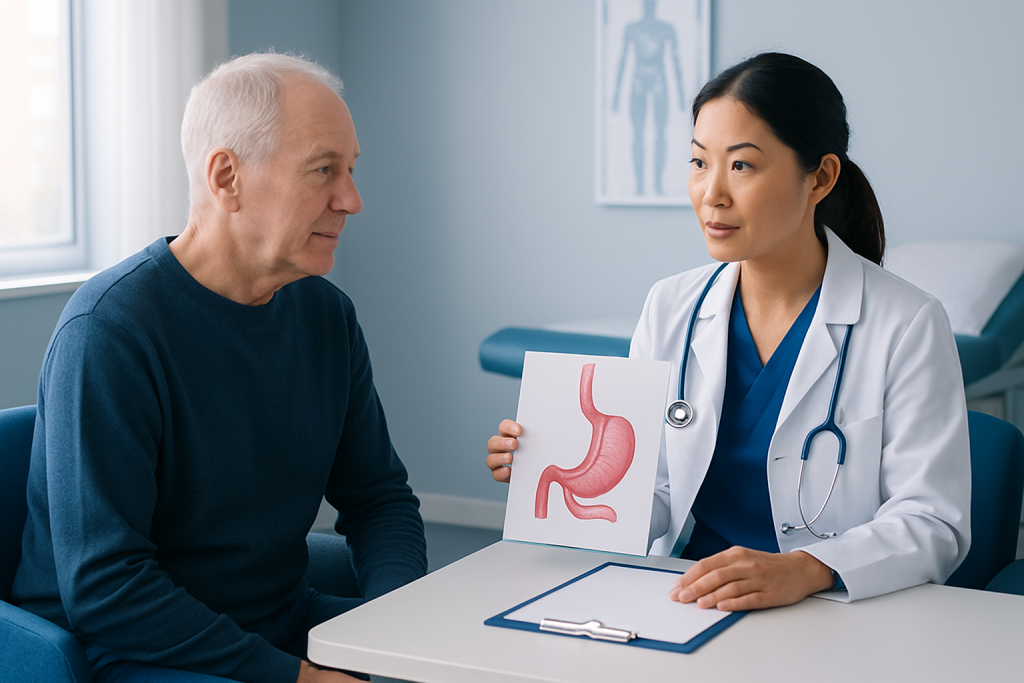
The procedure is done under general anesthesia and may take several hours. The surgical team first removes the affected portion of the esophagus and lymph nodes. The extent of removal depends on where the tumor is located and the need to obtain a cancer-free margin of healthy tissue around it.
Next, the surgeon reconstructs the food passage. In a common approach, the stomach is mobilized, reshaped into a tube, and connected to the remaining esophagus in the chest or neck. The join between these structures is called an anastomosis. A feeding tube may be placed into the small intestine to provide nutrition while swallowing is temporarily limited.
After the operation, care begins in a closely monitored unit. Pain relief, breathing exercises, early assisted movement and clot prevention are important parts of care. Before oral intake starts, the team may perform a swallow study or other assessment to check that the new connection is healing appropriately.
- Open surgery: uses larger chest and/or abdominal incisions.
- Minimally invasive surgery: uses several smaller incisions with a camera and specialized instruments.
- Robotic-assisted surgery: is a minimally invasive technique used in selected centers and cases.
Recovery timeline, benefits and possible risks
Recovery differs widely, but the hospital stay after an uncomplicated esophagectomy is often about one to two weeks. During this time, the team gradually advances feeding when it is safe, helps the person mobilize, monitors breathing and wound healing, and manages pain. The initial esophageal surgery recovery time can be longer if complications occur or if nutritional support is needed for longer.
At home, fatigue, reduced appetite, weight loss and changes in eating are common for weeks to months. Many people resume progressively more usual activities over roughly two to three months, though full strength and adjustment to a new eating pattern can take longer. The broader esophageal cancer recovery time also includes any chemotherapy, radiation or follow-up treatment plan.
Potential benefits include complete removal of localized cancer and more accurate staging from the lymph nodes removed. However, esophagectomy is a major operation. Risks include bleeding, infection, pneumonia, blood clots, heart rhythm problems, leakage at the surgical connection, narrowing of that connection, reflux, delayed stomach emptying and swallowing difficulties. The care team explains individual risks based on the planned procedure and a person’s health.
Esophageal cancer recovery rates and long-term outlook vary considerably. They depend on the cancer stage, response to treatment before surgery, pathology findings, ability to remove all visible cancer, overall health and whether recurrence develops. The surgical pathology report and follow-up appointments provide the most meaningful individualized information.
What is life like after an esophagectomy?
Life after an esophagectomy usually involves lasting changes in how and when a person eats, but many people return to valued daily activities over time. Because the stomach has been repositioned and may hold less food at one time, early fullness is common. Eating slowly, chewing carefully and having smaller meals more often can make meals more comfortable.
Some people experience reflux, especially when lying down, or dumping symptoms such as cramps, sweating, dizziness or diarrhea after sugary foods. A dietitian can help identify food patterns that reduce symptoms. Sitting upright after meals, avoiding meals close to bedtime and following prescribed medicines can also be useful for reflux.
Emotional recovery deserves attention as well. Changes in appetite, weight, stamina and uncertainty about follow-up can be challenging. Support from family, oncology nurses, a dietitian, rehabilitation professionals and counseling services may help people adapt. Contact the clinical team promptly if swallowing becomes progressively harder, weight loss continues, or new symptoms interfere with hydration or nutrition.
Can your stomach stretch after an esophagectomy?
After an esophagectomy, the stomach is commonly reshaped into a narrower tube and moved upward to replace part of the esophagus. It may gradually adapt and accommodate somewhat more food over time, but it does not function exactly as it did before surgery. The rate and degree of adaptation vary between individuals.
For this reason, large meals may remain uncomfortable and can worsen reflux or fullness. Small, frequent meals are often recommended, with attention to protein and calorie intake to support healing and maintain weight. A dietitian can tailor advice if there is poor appetite, diarrhea, dumping symptoms or unintended weight loss.
Persistent vomiting, a feeling that food is repeatedly getting stuck, severe pain after eating or inability to maintain fluids should not be managed by changing meals alone. These symptoms may need medical assessment for issues such as narrowing at the surgical join, delayed emptying or another complication.
What are the home care requirements after an esophagectomy?
Home care focuses on nutrition, gradual activity, wound care and knowing when to contact the surgical team. The discharge plan should state how to care for incisions, whether a feeding tube remains in place, which medicines to take, and the timing of follow-up. A family member or other support person can be helpful during the early period at home.
People are usually encouraged to walk regularly and increase activity gradually, while avoiding heavy lifting until cleared by their surgeon. Breathing exercises may continue after discharge to support lung recovery. Rest is important, but prolonged inactivity can slow conditioning and increase the risk of complications.
Diet instructions are individualized. They may begin with liquids or soft foods and advance gradually, while emphasizing small meals, adequate protein, hydration between meals and careful chewing. Keeping a food and symptom diary can help identify triggers. It is important to contact the care team for fever, worsening shortness of breath, chest pain, redness or drainage from a wound, persistent vomiting, black stools, dehydration, or difficulty taking enough food or fluid.
Can I drink alcohol after an esophagectomy?
Alcohol should generally be avoided during the early healing period and while taking opioid pain medicines, sedatives, some anti-nausea medicines or treatments that can interact with alcohol. It can irritate the digestive tract, worsen reflux, contribute to dehydration and make it harder to meet nutritional needs after surgery.
Once recovery is stable, the question of alcohol should be discussed with the surgeon or oncology team. They can consider medications, liver health, nutrition, reflux symptoms and the person’s cancer treatment plan. For many people, avoiding alcohol or keeping intake very limited is the most comfortable and health-conscious approach.
Alcohol does not improve recovery or reduce the risk of recurrence. Anyone who finds it difficult to reduce or stop drinking can ask their healthcare professional for confidential, nonjudgmental support.
Follow-up and when to seek medical care
Follow-up after surgery includes regular clinical reviews and may include imaging, endoscopy or blood tests depending on the cancer type, stage and treatment plan. These appointments help monitor nutritional recovery, manage late effects and look for signs of esophageal cancer recurrence after surgery. New symptoms do not always mean recurrence, but they should be assessed rather than ignored.
Medical review is important for new or worsening trouble swallowing, persistent cough, unexplained weight loss, ongoing chest or upper abdominal pain, repeated vomiting, black or bloody stools, jaundice, or a lasting change in energy or appetite. Urgent assessment is needed for severe chest pain, sudden shortness of breath, fainting, vomiting blood, or signs of serious dehydration.
Acibadem International’s multidisciplinary specialists and JCI-accredited hospitals support international patients undergoing assessment and treatment for esophageal cancer. Decisions about surgery should always be made with an experienced cancer team after a full evaluation of the individual diagnosis and health needs.
Frequently asked questions
How long does it take to recover from esophageal cancer surgery?
Hospital recovery is often around one to two weeks when there are no major complications. Recovery at home commonly takes several months, and energy, eating patterns and weight may continue to improve over a longer period. The timeline depends on the surgical approach, complications, preoperative treatment and overall health.
Is esophageal cancer surgery always necessary?
No. Treatment depends on the cancer stage, location, cell type and a person’s overall health. Very early cancers may sometimes be treated endoscopically, while advanced cancer may be managed primarily with chemotherapy, radiation, immunotherapy or symptom-focused care. A multidisciplinary cancer team can explain whether surgery is likely to be beneficial.
What can a person eat after an esophagectomy?
Diet progression is individualized and often starts with liquids or soft foods before advancing to more textured foods. Smaller, frequent meals, slow eating, thorough chewing and adequate protein are commonly helpful. A dietitian can adjust the plan for reflux, dumping symptoms, diarrhea or weight loss.
How likely is esophageal cancer to return after surgery?
Recurrence is possible after surgery, especially when cancer was more advanced at diagnosis or cancer cells had spread to lymph nodes. The individual risk depends on pathology findings, response to treatment and the completeness of cancer removal. Planned surveillance visits are important for detecting concerns early and managing ongoing health needs.
Will swallowing be normal after esophageal cancer surgery?
Swallowing often improves as healing progresses, but it may feel different because the digestive tract has been reconstructed. Some people need to take smaller bites, chew more thoroughly and eat slowly. Persistent or worsening swallowing difficulty should be reported because treatable narrowing at the surgical connection can occur.
Can a person exercise after an esophagectomy?
Gentle walking and breathing exercises are usually encouraged soon after surgery under the care team’s guidance. Activity is increased gradually, while heavy lifting and strenuous exercise are delayed until the surgeon confirms healing is adequate. A rehabilitation plan may be useful for rebuilding endurance and strength safely.
References
- National Cancer Institute
- American Cancer Society
- European Society for Medical Oncology
- National Health Service
- Society of Thoracic Surgeons
This article is for general information only and is not a substitute for professional medical advice. Please consult a qualified doctor about your individual situation.
Esophageal Cancer in Turkey — costs, top hospitals & a free quote
JCI-accredited · board-certified surgeons · reply within 24h
Add us as a Preferred Source to see more of our trusted health content across Google Search, AI Overviews and Discover.
Check your numbers in seconds
BMI, calories, due date, blood pressure and 30+ more clinical calculators — free, instant, doctor-reviewed ranges.

Medical Oncology Department
Medical treatment of cancer with chemotherapy, immunotherapy and targeted therapies under a multidisciplinary tumor board.
60 specialists in this unit