Esophageal Cancer Symptoms Explained: Common Triggers and Red Flags

The most common early symptom is progressive difficulty swallowing, especially solid foods. Unexplained weight loss, chest pain, regurgitation, hoarseness, or ongoing cough can also occur.
Key Takeaways
- The most common early symptom is progressive difficulty swallowing, especially solid foods.
- Unexplained weight loss, chest pain, regurgitation, hoarseness, or ongoing cough can also occur.
- Symptoms may overlap with reflux or other digestive problems, so persistence matters.
- People with long-term acid reflux, Barrett’s esophagus, smoking history, or heavy alcohol use may have higher risk.
- Evaluation usually involves endoscopy, biopsy, and imaging to confirm the cause and plan treatment.
Esophageal cancer symptoms often start subtly, most commonly as trouble swallowing that gradually becomes more noticeable. Other red flags can include weight loss, chest discomfort, persistent heartburn, regurgitation, or a long-lasting cough or hoarse voice.
Overview: what esophageal cancer symptoms usually feel like
Esophageal cancer symptoms most often relate to changes in swallowing. Many people first notice that food seems to move down more slowly, sticks in the chest, or requires extra sips of water to pass. Early on, this may happen only with solid foods such as bread or meat, but over time it can progress to softer foods or even liquids.
Other symptoms can be less specific. Some people develop unexplained weight loss, chest discomfort, persistent indigestion, or food coming back up after eating. Because these symptoms can resemble acid reflux, esophagitis, or swallowing disorders, they are not always recognized right away.
Not every person with these symptoms has cancer, and many non-cancerous conditions are more common. Still, symptoms that are new, progressive, or do not improve deserve medical attention. Identifying the cause early can help guide treatment and improve comfort, nutrition, and overall health.
Common symptoms and red flags to watch for
The hallmark symptom is dysphagia, or difficulty swallowing. This often begins gradually and becomes more noticeable over weeks or months. People may adapt by chewing more, avoiding certain foods, eating more slowly, or choosing softer meals before realizing that swallowing has changed.
Other possible esophageal cancer symptoms include pain or pressure behind the breastbone, a burning feeling that resembles heartburn, or regurgitation of food shortly after eating. Some people feel as though food is getting stuck, while others may experience discomfort when swallowing.
Additional red flags can include:
- Unexplained weight loss
- Loss of appetite or getting full quickly
- Persistent cough, especially after eating
- Hoarseness or voice changes
- Vomiting or frequent nausea
- Black stools or signs of bleeding in some cases
- Fatigue related to poor nutrition or blood loss
These symptoms do not confirm cancer on their own, but a pattern matters. Progressive swallowing difficulty, repeated regurgitation, and weight loss together are especially important reasons to seek evaluation.
Why symptoms may be missed or mistaken for reflux
One reason esophageal cancer symptoms can be overlooked is that they may begin mildly. A person may attribute chest burning to reflux, assume coughing is due to irritation, or think slower eating is simply a habit. In the early stages, the esophagus may still allow enough passage of food that daily life is only mildly affected.
Long-standing gastroesophageal reflux disease can also blur the picture. Reflux commonly causes heartburn, sour-tasting regurgitation, and throat irritation, all of which can overlap with symptoms seen in cancer. The difference is often that cancer-related swallowing trouble tends to become steadily worse rather than fluctuate from day to day.
It is also important to remember that not all esophageal cancers look the same clinically. Some mainly cause obstruction and difficulty swallowing, while others may present with pain, bleeding, or respiratory symptoms if nearby tissues are irritated. Conditions such as Barrett’s esophagus and chronic gastroesophageal reflux disease can increase risk in some patients, making symptom changes more significant.
Common triggers, risk factors, and who may be more vulnerable
Esophageal cancer does not have a single trigger, but certain risk factors are linked to its development. These differ somewhat by cancer type. Adenocarcinoma is more often associated with long-term acid reflux, obesity, and Barrett’s esophagus, while squamous cell carcinoma is more strongly associated with tobacco use and heavy alcohol consumption.
Age is also a factor, as esophageal cancer is more common in older adults. Diet, long-term irritation of the esophagus, and certain rare disorders affecting swallowing or the esophageal lining may also play a role. A personal history of head and neck cancer can increase risk in some cases.
Having risk factors does not mean a person will develop cancer, and some people diagnosed have no obvious risk factors. The practical point is that new or progressive symptoms should be taken seriously, especially in people with chronic reflux, smoking history, significant alcohol use, or known precancerous changes of the esophagus.
How doctors diagnose the cause of symptoms
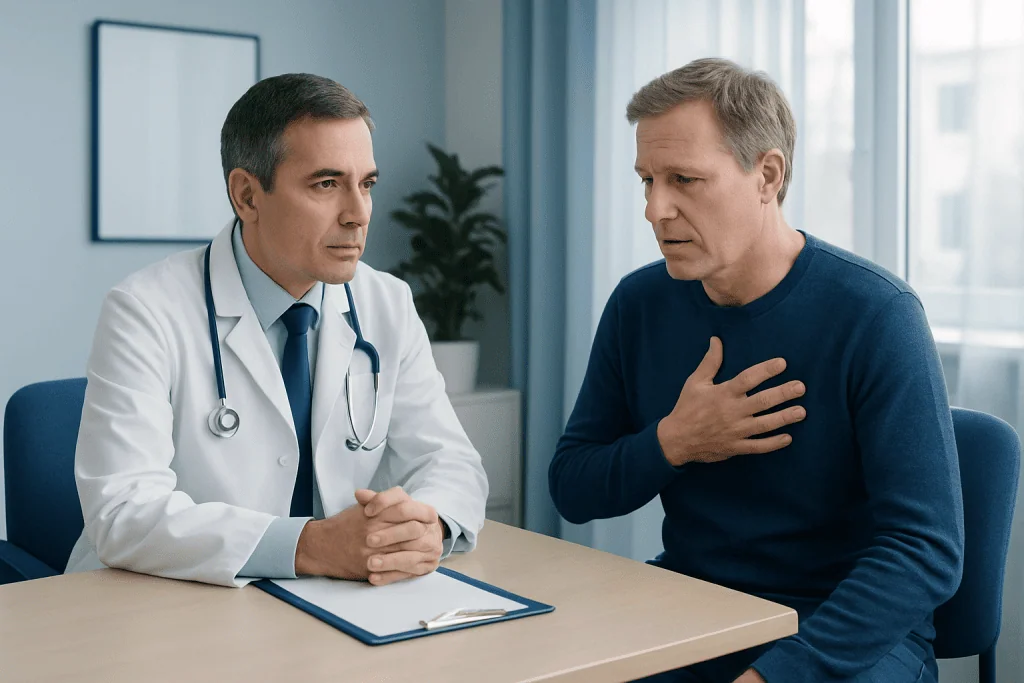
When esophageal cancer symptoms are suspected, a doctor begins with a detailed history and physical examination. Questions often focus on how long swallowing problems have been present, whether symptoms are getting worse, what types of foods are difficult, and whether there has been weight loss, reflux, bleeding, or cough.
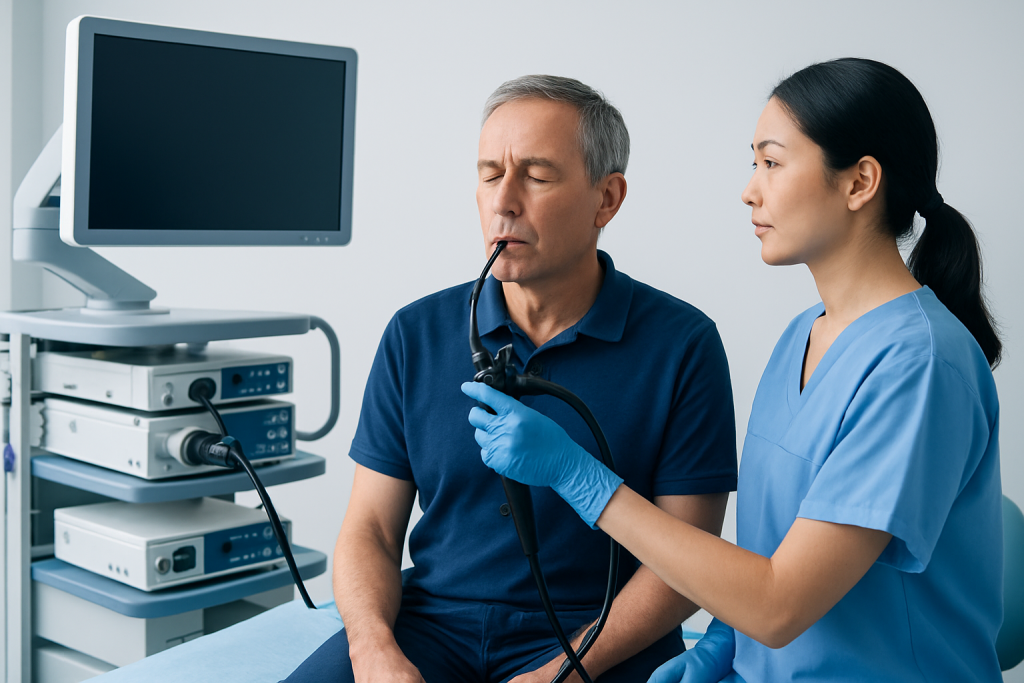
The key diagnostic test is usually an upper endoscopy. During this procedure, a flexible camera is passed through the mouth to examine the esophagus directly. If an abnormal area is seen, small tissue samples are taken for biopsy, which is the only way to confirm whether cancer is present.
Additional tests may help define the extent of disease and support treatment planning. These can include CT scans, endoscopic ultrasound, PET imaging, or contrast swallowing studies. If cancer is confirmed, people may be referred to specialists in oncology care and, when needed, advanced gastroenterology evaluation to coordinate the next steps.
Because several non-cancerous conditions can cause similar symptoms, diagnostic testing is important rather than relying on symptoms alone. Benign strictures, severe reflux inflammation, motility disorders, and infections can all affect swallowing and may need very different treatment.
Treatment options and how symptoms are managed
Treatment depends on the cancer type, stage, exact location in the esophagus, and the person’s overall health. In general, care may include surgery, chemotherapy, radiation therapy, targeted therapy, immunotherapy, or a combination of these. The goal may be cure, control of the disease, symptom relief, or support with eating and nutrition.
For some early cancers, treatment may focus on removing or treating disease limited to the esophageal lining. More advanced cases may need combined therapy, such as chemotherapy and radiation before surgery, or non-surgical treatment when surgery is not suitable. In selected patients, esophageal cancer treatment may also include procedures to open the esophagus and improve swallowing.
Symptom management is an important part of care. Nutritional support, swallowing guidance, pain control, and management of nausea or reflux can help maintain strength and quality of life during treatment. A multidisciplinary approach often includes gastroenterologists, oncologists, surgeons, radiologists, dietitians, and supportive care teams.
For international patients who need coordinated evaluation, Acibadem International’s multidisciplinary specialists and JCI-accredited hospitals diagnose and treat this condition using individualized care plans.
Prevention, self-care, and what may lower risk
There is no guaranteed way to prevent esophageal cancer, but some steps may help lower risk. Avoiding tobacco, limiting alcohol, maintaining a healthy weight, and seeking treatment for persistent reflux are sensible measures that support overall digestive health. People with chronic heartburn should not ignore symptoms that are frequent, disruptive, or changing.
Managing reflux can include practical habits such as eating smaller meals, avoiding late-night eating, and discussing appropriate medical therapy with a doctor. For people with Barrett’s esophagus or other high-risk conditions, regular surveillance may be advised. These strategies do not eliminate risk, but they can help detect concerning changes earlier.
At home, self-care should not replace medical assessment when swallowing changes are present. Choosing softer foods, taking small bites, and eating slowly may make meals easier in the short term, but ongoing difficulty swallowing still needs evaluation. Sudden inability to swallow, choking, dehydration, or significant weight loss should not be managed at home alone.
When to seek medical care
A doctor should evaluate esophageal cancer symptoms if swallowing difficulty lasts more than a short time, gets worse, or begins to affect food choices and weight. This is especially important when symptoms are progressive rather than occasional. Persistent heartburn with new swallowing problems also deserves prompt attention.
Medical care is also important for chest pain not clearly explained, repeated vomiting, food sticking in the throat or chest, chronic hoarseness, or coughing after meals. While these symptoms often have non-cancerous causes, they should be assessed to identify the reason and begin appropriate treatment.
Urgent care may be needed if a person cannot swallow liquids, is choking, has signs of gastrointestinal bleeding such as black stools or vomiting blood, or develops severe dehydration. When in doubt, it is safest to seek evaluation from a qualified doctor rather than waiting for symptoms to resolve on their own.
Frequently asked questions
What is usually the first symptom of esophageal cancer?
The first symptom is often difficulty swallowing, especially with solid foods. A person may feel that food is sticking in the chest or going down more slowly than usual.
Can esophageal cancer symptoms feel like acid reflux?
Yes. Heartburn, chest discomfort, regurgitation, and throat irritation can overlap with reflux symptoms. The difference is that cancer-related swallowing problems often become progressively worse over time.
Does everyone with trouble swallowing have esophageal cancer?
No. Trouble swallowing can also happen with reflux inflammation, benign narrowing, motility disorders, infections, or neurological conditions. Because the causes vary, medical evaluation is needed to identify the reason.
Is weight loss common with esophageal cancer symptoms?
Yes, unexplained weight loss can occur, especially when swallowing becomes difficult and eating less becomes common. Weight loss may also reflect the body’s response to cancer or poor nutritional intake.
How is esophageal cancer confirmed?
It is usually confirmed with an upper endoscopy and biopsy. Imaging tests may then be used to understand how far the disease has spread and to guide treatment planning.
When should someone see a doctor about these symptoms?
A doctor should be seen if swallowing difficulty is new, persistent, or worsening, or if it is accompanied by weight loss, chest pain, vomiting, cough, or hoarseness. Urgent assessment is needed if liquids cannot be swallowed or if there are signs of bleeding.
References
- National Cancer Institute
- American Cancer Society
- National Health Service
- National Institute of Diabetes and Digestive and Kidney Diseases
- World Health Organization
This article is for general information only and is not a substitute for professional medical advice. Please consult a qualified doctor about your individual situation.
Esophageal Cancer in Turkey — costs, top hospitals & a free quote
JCI-accredited · board-certified surgeons · reply within 24h
Add us as a Preferred Source to see more of our trusted health content across Google Search, AI Overviews and Discover.

Medical Oncology Department
Medical treatment of cancer with chemotherapy, immunotherapy and targeted therapies under a multidisciplinary tumor board.
60 specialists in this unit