Esophageal Cancer Treatment: How It Works, Results and What to Expect
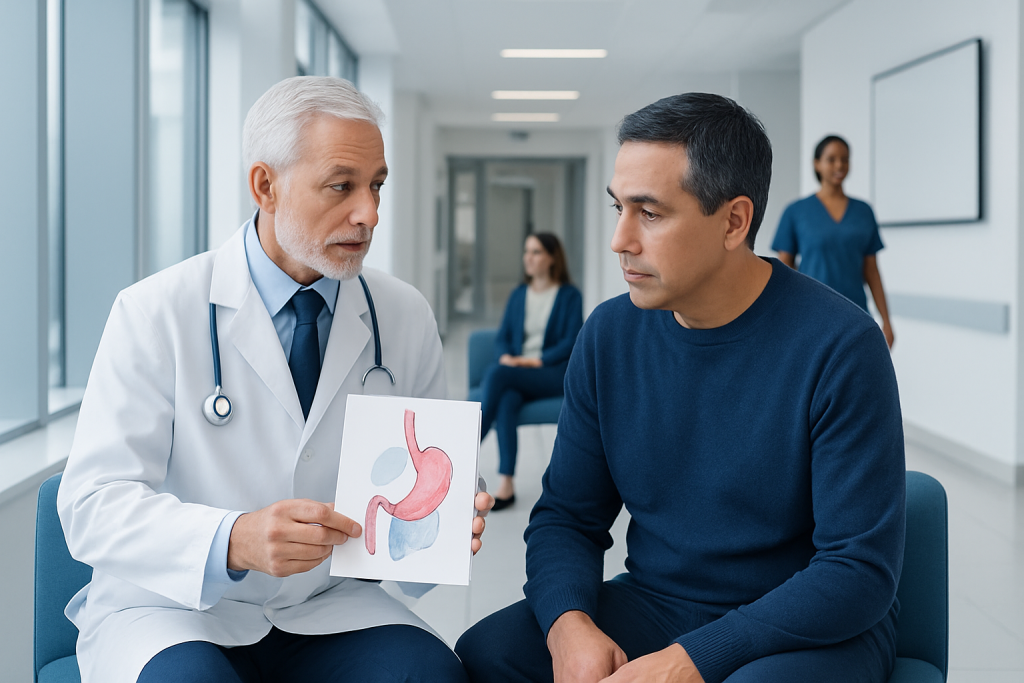
Treatment plans commonly combine surgery, chemotherapy and radiation for cancer that has not spread widely. Endoscopic treatments may remove very early cancers or high-grade precancerous changes without major surgery.
Key Takeaways
- Treatment plans commonly combine surgery, chemotherapy and radiation for cancer that has not spread widely.
- Endoscopic treatments may remove very early cancers or high-grade precancerous changes without major surgery.
- Immunotherapy and targeted medicines can be options for some advanced cancers, based on tumor testing and prior treatment.
- An esophagectomy is a major operation, and recovery includes nutritional support, gradual dietary changes and close follow-up.
- Outlook varies substantially by stage, tumor biology, response to treatment and overall health; early assessment is important.
Esophageal cancer treatment is tailored to the cancer’s type, stage, location and the person’s general health. Many people receive a combination of treatments, with the goal of curing localized disease when possible or controlling advanced cancer, easing symptoms and supporting quality of life.
Esophageal Cancer Treatment: How It Works
Esophageal cancer treatment works by removing or destroying cancer cells in the food pipe (esophagus), preventing their spread and helping preserve swallowing and nutrition whenever possible. The best approach depends on whether the tumor can be removed, how deeply it has grown into the esophageal wall, whether it has spread to lymph nodes or distant organs, and whether it is adenocarcinoma or squamous cell carcinoma.
For very early cancers, doctors may be able to remove abnormal tissue through an endoscope. For localized but more advanced tumors, treatment often combines chemotherapy and radiation before surgery, or uses chemotherapy with radiation when surgery is not appropriate. For cancer that has spread, systemic treatments such as chemotherapy, immunotherapy or targeted therapy may slow growth and relieve symptoms.
Care is usually planned by a multidisciplinary team that may include gastroenterologists, surgical oncologists, thoracic surgeons, medical oncologists, radiation oncologists, radiologists, pathologists, dietitians and specialist nurses. The aim is to balance cancer control with safety, recovery and day-to-day wellbeing.
Who May Be a Candidate for Each Treatment
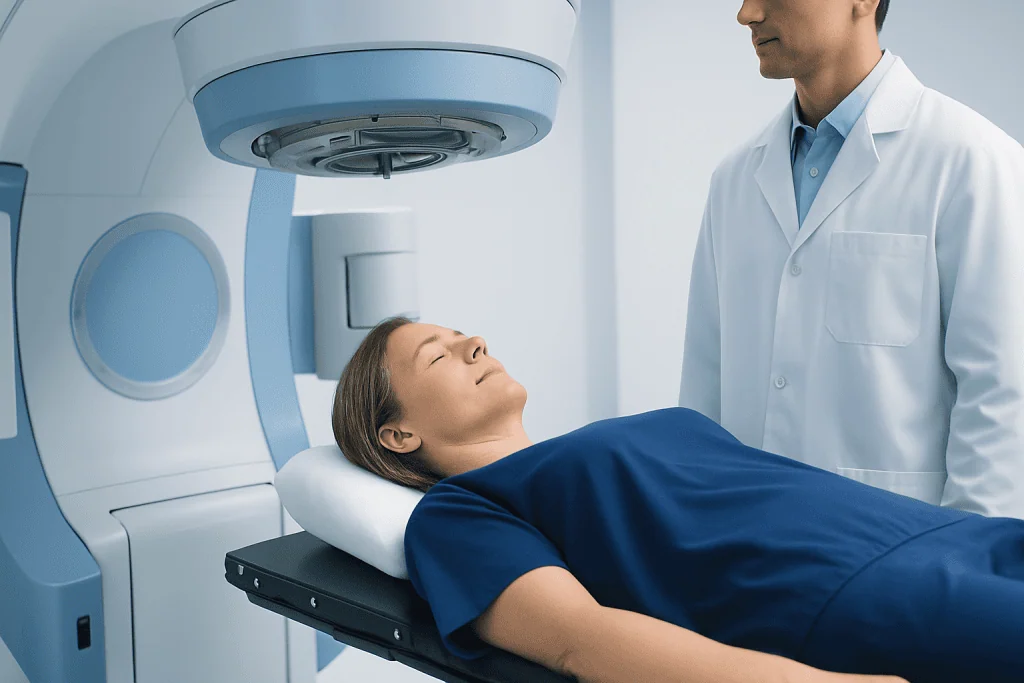
Candidacy is based on detailed staging and an individual assessment rather than a single test result. Surgery may be considered when the cancer is localized or locally advanced and can be removed completely, and when a person is well enough to undergo a major operation. Age alone does not determine eligibility; heart, lung, kidney and nutritional health are all important considerations.
Endoscopic resection can be suitable for selected superficial tumors that have a low likelihood of spread to lymph nodes. Chemoradiotherapy may be used before surgery to reduce the tumor and treat microscopic cancer cells, as the main treatment for some squamous cell cancers, or to manage disease when surgery would carry excessive risk.
For recurrent or metastatic disease, the oncology team may test the tumor for features that help guide medicine choices. These may include HER2 status, PD-L1 expression and mismatch repair deficiency or microsatellite instability. Such testing can identify people who may benefit from targeted treatment or immunotherapy.
- Location and extent of the tumor
- Cancer subtype and pathology results
- Lymph node or distant spread
- Previous treatments and response
- Nutrition, swallowing ability and general fitness
- Personal preferences and treatment goals
Treatment Pathway: What Happens Step by Step
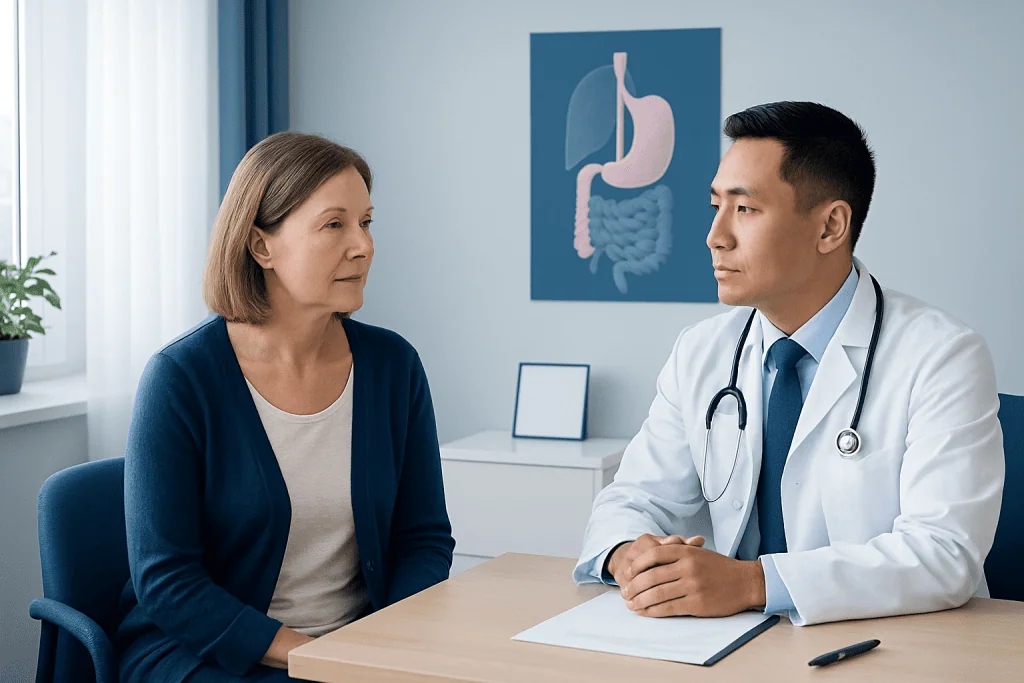
Assessment generally begins with upper endoscopy and biopsy to confirm the diagnosis. Doctors commonly use imaging, such as CT, PET-CT and sometimes endoscopic ultrasound, to define the cancer stage. Blood tests, nutritional review and heart and lung assessment may also be needed before intensive treatment or surgery.
If endoscopic therapy is appropriate, an endoscope is passed through the mouth while the person is sedated or under anesthesia. The specialist removes the early cancer or abnormal tissue and may use additional endoscopic methods to treat remaining precancerous lining. Ongoing endoscopic surveillance is essential because new abnormal areas can develop.
When surgery is planned, many people receive chemotherapy with radiation first, although the exact sequence varies. An esophagectomy removes the cancerous part of the esophagus and nearby lymph nodes. The surgeon usually reconstructs the swallowing pathway by bringing part of the stomach upward to connect with the remaining esophagus; in selected cases, another section of bowel may be used. The operation may be open, minimally invasive or robot-assisted, depending on the situation and surgical expertise.
For people with advanced disease, treatment is usually delivered in cycles and monitored with symptoms, blood tests and imaging. If swallowing is difficult, supportive measures may include dietary adaptation, endoscopic dilation, a stent in selected circumstances, feeding support or palliative radiation. These measures can be provided alongside cancer-directed therapy.
Benefits, Risks and Recovery After Treatment
The potential benefit of treatment is greatest when cancer is detected before distant spread. For localized disease, combined treatment can aim for cure. In advanced disease, treatment may shrink or stabilize tumors, prolong disease control for some people and reduce problems such as pain, swallowing difficulty or weight loss. Response and side effects differ between individuals.
Esophagectomy is a complex procedure. Possible complications include bleeding, infection, pneumonia and other breathing problems, blood clots, leaks where the digestive tract is joined, irregular heart rhythm, and narrowing of the new connection that can affect swallowing. Chemotherapy, radiation, immunotherapy and targeted medicines also have possible adverse effects, which the treatment team monitors closely.
Hospital recovery after surgery varies, but the first days focus on pain control, breathing exercises, early movement and safe nutrition. A feeding tube may be used temporarily. Before eating and drinking normally, the surgical team may check that the new connection is healing well. Most people need several weeks to regain strength, while adjusting to smaller, more frequent meals can take months.
Longer-term changes may include early fullness, reflux, diarrhea, weight loss or dumping symptoms such as cramping, dizziness or palpitations after eating. Dietitians can help people build a nutrient-dense eating plan, and follow-up appointments allow the team to address symptoms, rehabilitation and surveillance needs.
What Are the Odds of Beating Esophageal Cancer?
The odds of beating esophageal cancer depend mainly on stage at diagnosis. Cancer confined to the esophagus or nearby lymph nodes may be treated with curative intent, often using a combination of chemotherapy, radiation and surgery or definitive chemoradiotherapy. When cancer has spread to distant organs, it is usually more difficult to cure, but treatment can still control the disease and improve symptoms for meaningful periods.
Population survival figures can provide context but cannot predict an individual outcome. They combine people of different ages, cancer types, stages and treatments, and may not reflect newer therapies. A treating oncologist can explain how pathology, response to initial therapy, fitness for treatment and molecular test results influence an individual prognosis.
People should consider asking their care team whether treatment is intended to cure, control disease or relieve symptoms, and how that goal may change over time. Clear discussions about goals, benefits and burdens support informed decisions at every stage.
How Rapidly Does Esophageal Cancer Progress?
Esophageal cancer does not progress at the same rate in every person. Growth can be influenced by the cancer subtype, its biological features, location, stage and the individual’s health. Some tumors cause symptoms only after they have narrowed the esophagus, which is one reason assessment should not be delayed when swallowing becomes persistently difficult.
Progression is evaluated through staging tests and, during treatment, through repeat imaging and symptom review. It is not possible to estimate the pace accurately from symptoms alone. Worsening swallowing, unintentional weight loss, persistent chest discomfort or new fatigue should be reported promptly so the clinical team can assess the cause and provide support.
Early diagnosis may allow less invasive treatment in selected cases and gives the team more curative treatment options. However, even when a diagnosis is made at a later stage, modern systemic therapies and supportive care can offer important symptom relief and disease management.
How Successful Is Treatment for Esophageal Cancer?
Treatment success has different meanings depending on the stage and a person’s priorities. In localized cancer, success may mean complete removal or eradication of cancer and long-term disease-free survival. In advanced cancer, success may mean slowing tumor growth, maintaining the ability to eat, reducing symptoms and preserving quality of life.
Pathology results after surgery, including whether cancer is found in lymph nodes and how much tumor remains after preoperative therapy, help doctors understand response and plan follow-up. Some people may be offered additional treatment after surgery when there is a meaningful risk of recurrence, depending on the treatment already received and the pathology findings.
Regular surveillance is important after curative-intent treatment. Follow-up may include clinical examinations, nutritional review, symptom assessment, endoscopy when indicated and imaging based on the original cancer stage and treatment plan. New symptoms do not always mean recurrence, but they should be assessed rather than ignored.
Has Anyone Ever Beaten Esophageal Cancer? When to Seek Medical Care
Yes. Some people with esophageal cancer complete treatment and remain free of detectable cancer long term, particularly when disease is found at an earlier stage and treated effectively. Others live for years with controlled cancer following treatment. Individual experiences vary, so personal prognosis should be discussed with the specialist team rather than compared with another person’s story.
Medical advice should be sought promptly for persistent difficulty swallowing, food feeling stuck, painful swallowing, unexplained weight loss, ongoing indigestion that is new or worsening, vomiting, black stools, chest pain not clearly related to the heart, or persistent hoarseness. Urgent assessment is needed for inability to swallow liquids, signs of dehydration, vomiting blood, black tarry stools, severe chest pain or trouble breathing.
People diagnosed with esophageal cancer may benefit from care at a center where surgery, endoscopy, oncology, radiation therapy, nutrition and rehabilitation services work together. Acibadem International’s multidisciplinary specialists and JCI-accredited hospitals diagnose and treat esophageal cancer for international patients, with treatment planning based on individual clinical needs.
Frequently asked questions
What is the main treatment for esophageal cancer?
There is no single main treatment for every case. Very early cancers may be treated endoscopically, while localized cancers often require chemotherapy and radiation with surgery or chemoradiotherapy alone. Advanced cancers are commonly treated with systemic medicines and supportive care.
Can esophageal cancer be cured without surgery?
In selected cases, yes. Very early tumors can sometimes be removed using endoscopic techniques, and definitive chemoradiotherapy may be used for certain localized cancers when surgery is not suitable or is not preferred. Whether this offers the best chance of cure depends on tumor type, stage and response to treatment.
How long does recovery take after esophageal cancer surgery?
Recovery is gradual and differs among individuals. The hospital phase may last days to a few weeks depending on healing and complications, while rebuilding strength and adapting to dietary changes commonly takes several months. Nutrition and rehabilitation support are important parts of recovery.
Will swallowing improve after treatment?
Swallowing may improve when a tumor shrinks or is removed, but some people have temporary or ongoing swallowing changes after treatment. Narrowing, reflux or altered stomach function can sometimes contribute. The care team can assess these symptoms and may recommend dietary advice, dilation or other supportive measures.
Is immunotherapy used for esophageal cancer?
Immunotherapy may be used for some people with advanced esophageal cancer and in certain situations after prior treatment. Eligibility depends on cancer type, stage, prior therapies and tumor biomarker tests. An oncologist can explain whether it is appropriate in an individual treatment plan.
What should a person eat during esophageal cancer treatment?
Eating needs are individualized, especially if swallowing is difficult or weight loss is present. Many people tolerate small, frequent meals, soft foods and high-protein, high-calorie choices more easily. A cancer dietitian can provide practical guidance and arrange nutritional support when needed.
References
- National Cancer Institute
- American Cancer Society
- European Society for Medical Oncology
- National Comprehensive Cancer Network
- World Health Organization
This article is for general information only and is not a substitute for professional medical advice. Please consult a qualified doctor about your individual situation.
Esophageal Cancer in Turkey — costs, top hospitals & a free quote
JCI-accredited · board-certified surgeons · reply within 24h
Add us as a Preferred Source to see more of our trusted health content across Google Search, AI Overviews and Discover.

Medical Oncology Department
Medical treatment of cancer with chemotherapy, immunotherapy and targeted therapies under a multidisciplinary tumor board.
60 specialists in this unit