Esophageal Cancer: Trouble Swallowing, Endoscopy, and Treatment Options

Progressive difficulty swallowing, unexplained weight loss, persistent indigestion, chest discomfort, or vomiting blood should be discussed with a doctor. Endoscopy with biopsy is the key test used to confirm esophageal cancer and identify the cancer type.
Key Takeaways
- Progressive difficulty swallowing, unexplained weight loss, persistent indigestion, chest discomfort, or vomiting blood should be discussed with a doctor.
- Endoscopy with biopsy is the key test used to confirm esophageal cancer and identify the cancer type.
- Treatment depends on the tumor stage, location, cell type, general health, and swallowing or nutrition needs.
- Options may include endoscopic treatment for very early disease, surgery, chemotherapy, radiotherapy, targeted therapy, immunotherapy, and supportive care.
- Reducing tobacco and alcohol exposure, managing reflux, and monitoring Barrett esophagus can lower risk or support earlier detection.
Esophageal cancer is a disease in which cancer cells develop in the tube that carries food from the throat to the stomach. Trouble swallowing, especially when it gradually worsens, is an important symptom that should be assessed with medical evaluation and often endoscopy.
Overview
Esophageal cancer begins in the esophagus, the muscular tube that moves food and liquids from the mouth to the stomach. It is usually discussed in two main types: squamous cell carcinoma, which often develops in the cells lining the upper or middle esophagus, and adenocarcinoma, which more commonly affects the lower esophagus near the stomach.
The condition can be difficult to notice in its earliest stages because symptoms may be mild or absent. As a tumor grows, it can narrow the esophagus and make swallowing feel slow, uncomfortable, or blocked. This is why new or progressive trouble swallowing deserves prompt medical attention, even when the person can still eat soft foods or liquids.
Modern diagnosis and treatment are highly individualized. Doctors consider the cancer type, how deeply it has grown into the esophageal wall, whether lymph nodes are involved, whether it has spread to other organs, and the patient’s overall health. A multidisciplinary team may include gastroenterologists, medical oncologists, radiation oncologists, surgeons, radiologists, pathologists, dietitians, and specialist nurses.
Symptoms and Warning Signs
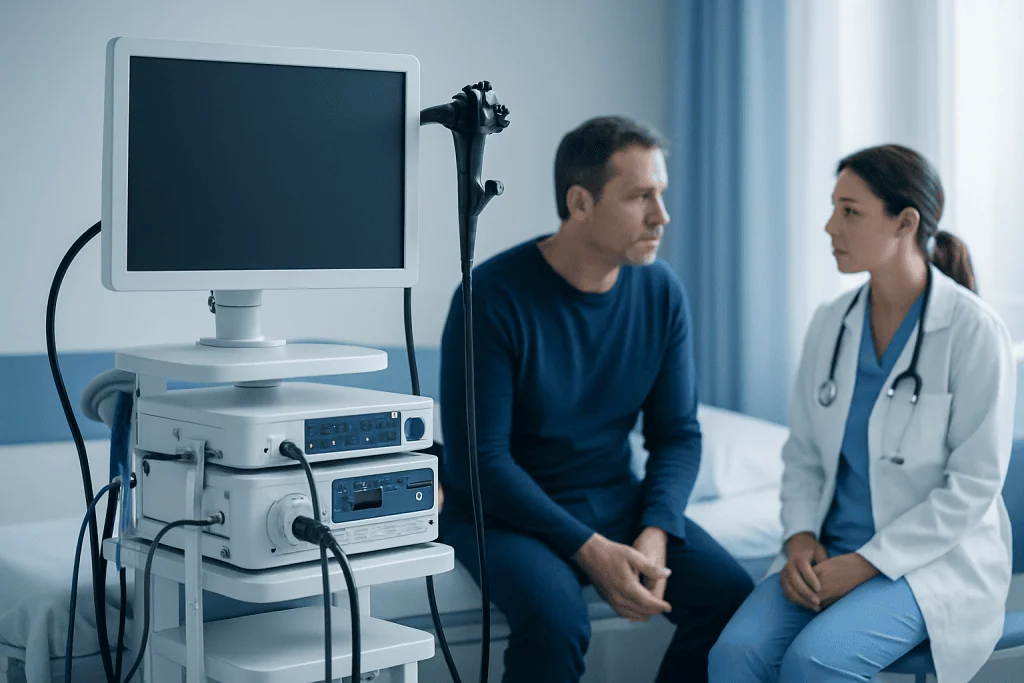
The most common symptom is dysphagia, meaning difficulty swallowing. At first, a person may notice that meat, bread, or dry foods seem to stick. Over time, swallowing softer foods and then liquids may also become harder. Some people describe pressure, burning, or discomfort behind the breastbone when eating.
Other possible symptoms include unintentional weight loss, loss of appetite, persistent indigestion or heartburn, regurgitation of food, hoarseness, chronic cough, hiccups, fatigue, or vomiting. Black stools or vomiting blood can occur if there is bleeding, although these symptoms can also have other causes and require medical assessment.
Symptoms do not prove that a person has cancer. Reflux disease, esophageal inflammation, strictures, infections, and motility disorders can cause similar problems. However, progressive swallowing difficulty is not considered a symptom to watch and wait on; it is a reason to arrange a timely evaluation with a qualified clinician.
Causes and Risk Factors

Esophageal cancer develops when genetic changes in esophageal cells allow them to grow in an uncontrolled way. The exact cause is not always known, but several factors can increase risk. Risk patterns differ somewhat between squamous cell carcinoma and adenocarcinoma.
Long-term tobacco use and heavy alcohol use are important risk factors, particularly for squamous cell carcinoma. Chronic gastroesophageal reflux disease, also called GERD, can contribute to Barrett esophagus, a condition in which the lower esophageal lining changes over time. Barrett esophagus increases the risk of adenocarcinoma, although most people with Barrett esophagus do not develop cancer.
Other factors may include older age, male sex, obesity, a history of radiation to the chest, certain inherited conditions, achalasia, caustic injury to the esophagus, and diets very low in fruits and vegetables. Having one or more risk factors does not mean cancer will occur, and some people diagnosed with esophageal cancer have no clear risk factor.
- Smoking cessation and limiting alcohol can reduce risk over time.
- Managing chronic reflux can improve symptoms and may help prevent complications.
- People with Barrett esophagus should follow the surveillance plan recommended by their gastroenterologist.
Diagnosis: Endoscopy, Biopsy, and Staging
If esophageal cancer is suspected, upper gastrointestinal endoscopy is usually the central diagnostic test. During endoscopy, a thin flexible tube with a camera is passed through the mouth to view the esophagus, stomach, and first part of the small intestine. If an abnormal area is seen, the doctor takes small tissue samples, called biopsies, for examination by a pathologist.
A biopsy confirms whether cancer is present and identifies the cancer type. Additional testing is then used for staging, which means finding out how far the cancer has grown or spread. Staging helps guide treatment choices and gives the care team a shared language for planning.
Tests may include endoscopic ultrasound to assess the depth of tumor growth and nearby lymph nodes, CT scans of the chest and abdomen, PET-CT to look for active disease in other areas, and sometimes bronchoscopy or laparoscopy depending on tumor location. Blood tests may help assess general health, nutrition, liver and kidney function, and readiness for treatment, but blood tests alone cannot diagnose esophageal cancer.
Treatment Options
Treatment depends strongly on stage. Very early cancers limited to the inner lining may sometimes be treated with advanced endoscopic techniques, such as endoscopic mucosal resection or endoscopic submucosal dissection. These procedures aim to remove superficial cancer while preserving the esophagus when medically appropriate.
For localized or locally advanced disease, treatment may include surgery, chemotherapy, radiotherapy, or a planned combination. Surgery to remove part or most of the esophagus is called esophagectomy. It may be performed after chemotherapy or chemoradiotherapy to shrink or control the tumor before an operation. The best sequence varies by tumor type, location, stage, and the patient’s fitness for treatment.
When surgery is not suitable, definitive chemoradiotherapy may be used with the goal of controlling the cancer while preserving the esophagus. For cancer that has spread to distant organs, systemic treatments such as chemotherapy, targeted therapy, or immunotherapy may be recommended depending on tumor markers and overall health. Palliative treatments, including radiotherapy, stents, or feeding support, can help relieve swallowing problems and improve comfort.
Every treatment has possible benefits and side effects. Patients are encouraged to ask what the goal of treatment is, what alternatives exist, how swallowing and nutrition will be supported, and what symptoms should be reported during therapy. Shared decision-making helps align the treatment plan with medical evidence and the patient’s values.
Nutrition, Recovery, and Supportive Care
Nutrition is a major part of esophageal cancer care because swallowing difficulty and treatment side effects can make it hard to maintain weight and strength. A dietitian may recommend softer textures, smaller frequent meals, high-protein foods, oral nutrition supplements, or temporary tube feeding if needed. The goal is to keep the patient as well nourished as possible before, during, and after treatment.
Side effects vary by treatment. Chemotherapy may cause fatigue, nausea, appetite changes, infection risk, or nerve symptoms. Radiotherapy to the chest can cause temporary swallowing pain, skin irritation, or tiredness. Surgery may require a longer recovery and changes in eating patterns, such as smaller meals and attention to reflux or dumping symptoms.
Supportive care is not separate from cancer care; it is part of good treatment. Pain control, anti-nausea medicines, swallowing therapy, psychological support, smoking cessation help, and rehabilitation can all improve day-to-day wellbeing. Patients should report new fever, dehydration, uncontrolled vomiting, severe pain, inability to swallow fluids, or sudden worsening symptoms promptly.
Prevention and Self-Care
Not all cases of esophageal cancer can be prevented, but risk can often be reduced. Avoiding tobacco in all forms is one of the most important steps. Limiting alcohol, maintaining a healthy weight, eating a balanced diet rich in plant foods, and staying physically active are also supportive measures for general health and cancer prevention.
People with chronic reflux should discuss persistent symptoms with a doctor, especially if they need frequent medication, have nighttime reflux, or develop swallowing difficulty. Reflux treatment may include lifestyle measures, medicines, and in selected cases procedural options. People diagnosed with Barrett esophagus may need scheduled surveillance endoscopy, because monitoring can identify concerning changes before symptoms appear.
Self-care should not replace diagnosis. If swallowing trouble is progressive, unexplained weight loss occurs, or food repeatedly gets stuck, medical evaluation is important. Early assessment can identify treatable non-cancer causes and, when cancer is present, may allow treatment to begin at a more manageable stage.
When to See a Doctor
A person should arrange medical care if they have new or worsening trouble swallowing, painful swallowing, persistent heartburn that changes pattern, unexplained weight loss, vomiting after meals, ongoing chest discomfort related to eating, hoarseness lasting several weeks, or signs of bleeding such as black stools or vomiting blood. Emergency care is appropriate if a person cannot swallow saliva, has severe chest pain, has significant bleeding, or appears dehydrated.
During the appointment, the doctor may ask when symptoms began, which foods are difficult to swallow, whether symptoms are worsening, and whether reflux, smoking, alcohol use, weight loss, or prior medical conditions are present. Bringing a list of medicines and previous test results can help the visit be more efficient.
International patients who need evaluation can seek care in centers with experience in digestive cancers. Acibadem International’s multidisciplinary specialists and JCI-accredited hospitals diagnose and treat esophageal cancer for international patients, coordinating endoscopy, imaging, pathology review, oncology care, surgery, and supportive services when appropriate.
Frequently asked questions
Is trouble swallowing always a sign of esophageal cancer?
No. Trouble swallowing can be caused by reflux-related narrowing, inflammation, infections, motility disorders, or other non-cancer conditions. However, swallowing difficulty that gradually worsens should be checked promptly because endoscopy may be needed to find the cause.
How is esophageal cancer confirmed?
Esophageal cancer is confirmed with a biopsy, usually taken during an upper endoscopy. A pathologist examines the tissue under a microscope to determine whether cancer is present and what type it is.
Can esophageal cancer be treated without surgery?
Yes, in some situations. Very early cancers may be treated with endoscopic removal, while some patients receive chemoradiotherapy without surgery. If the cancer has spread, systemic treatments such as chemotherapy, targeted therapy, or immunotherapy may be used to control disease and symptoms.
What is Barrett esophagus?
Barrett esophagus is a change in the lining of the lower esophagus that can develop after long-term acid reflux. It increases the risk of esophageal adenocarcinoma, but most people with Barrett esophagus do not develop cancer. Doctors may recommend periodic endoscopy to monitor for precancerous changes.
What questions should a patient ask after diagnosis?
Helpful questions include: What type and stage is the cancer, has it spread, what treatment options are available, and what is the goal of treatment? Patients should also ask how swallowing, nutrition, pain, side effects, and daily activities will be supported during care.
Can lifestyle changes help after treatment starts?
Lifestyle changes cannot replace medical treatment, but they can support overall health. Stopping smoking, limiting alcohol, following nutrition advice, staying active as tolerated, and reporting side effects early can help patients cope better with treatment and recovery.
References
- World Health Organization
- National Cancer Institute
- American Cancer Society
- European Society for Medical Oncology
- National Comprehensive Cancer Network
This article is for general information only and is not a substitute for professional medical advice. Please consult a qualified doctor about your individual situation.
Esophageal Cancer in Turkey — costs, top hospitals & a free quote
JCI-accredited · board-certified surgeons · reply within 24h
Add us as a Preferred Source to see more of our trusted health content across Google Search, AI Overviews and Discover.

Medical Oncology Department
Medical treatment of cancer with chemotherapy, immunotherapy and targeted therapies under a multidisciplinary tumor board.
60 specialists in this unitMore from the Health Library



Related Specialists

Prof. Dr. Ayşe Korkmaz Toygar
Neonatal Intensive Care Unit
Prof. Dr. Fatih Aydoğan
General Surgery
Assoc. Prof. Dr. Emrullah Hayta
Physical Medicine & Rehabilitation
Asst. Prof. Dr. Mehmet Erdem Yıldız
Radiology