Esophageal Radiation: How It Works, Results and What to Expect
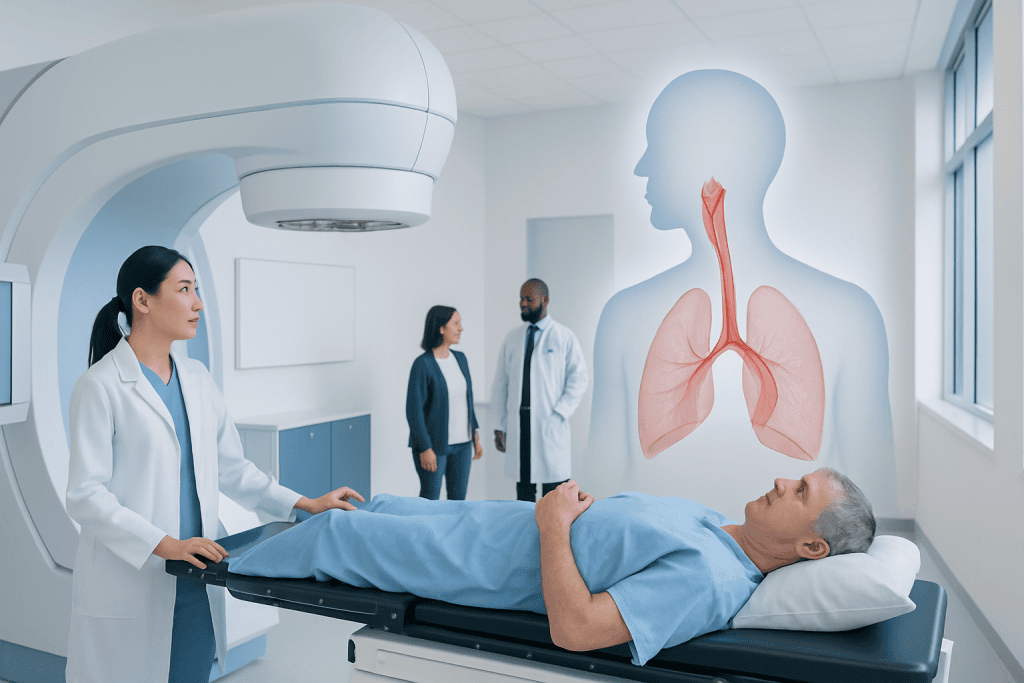
Esophageal radiation may be given with chemotherapy, before surgery, after surgery in selected situations, or to relieve symptoms. External-beam radiation is the most common approach and is usually delivered in short daily sessions over several weeks.
Key Takeaways
- Esophageal radiation may be given with chemotherapy, before surgery, after surgery in selected situations, or to relieve symptoms.
- External-beam radiation is the most common approach and is usually delivered in short daily sessions over several weeks.
- Trouble swallowing, fatigue and temporary irritation of the esophagus are common side effects that the care team can help manage.
- Treatment results depend on cancer stage, tumor type, overall health and whether surgery or chemotherapy is part of the plan.
- New or worsening swallowing problems, dehydration, fever, chest pain or breathing difficulty should be assessed promptly.
Esophageal radiation is a carefully planned cancer treatment that directs high-energy radiation at a tumor in the esophagus while limiting exposure to nearby healthy tissues. It is commonly combined with chemotherapy, used before surgery, or used to control symptoms when cancer cannot be removed.
Overview: How Esophageal Radiation Works
Esophageal radiation, also called radiotherapy, uses precisely directed high-energy beams to damage cancer cells in the esophagus. Cancer cells are less able than normal cells to repair this damage, so they gradually stop growing and die. The goal may be to shrink a tumor before surgery, improve the effectiveness of chemotherapy, reduce the chance of cancer returning in selected cases, or ease symptoms such as painful swallowing.
Most people receive external-beam radiation therapy. A machine called a linear accelerator moves around the body without touching it and delivers radiation from carefully calculated angles. Before treatment begins, a radiation oncology team uses imaging and treatment-planning software to target the tumor and nearby lymph nodes while protecting surrounding organs, including the lungs, heart and spinal cord as much as possible.
Radiation is one part of a broader treatment plan. Depending on the situation, it may be combined with esophageal cancer treatment such as chemotherapy, surgery, nutritional support and symptom management. Decisions are typically made by a multidisciplinary team that includes radiation oncologists, medical oncologists, surgeons, gastroenterologists, radiologists, pathologists and dietitians.
Who May Be a Candidate for Esophageal Radiation?
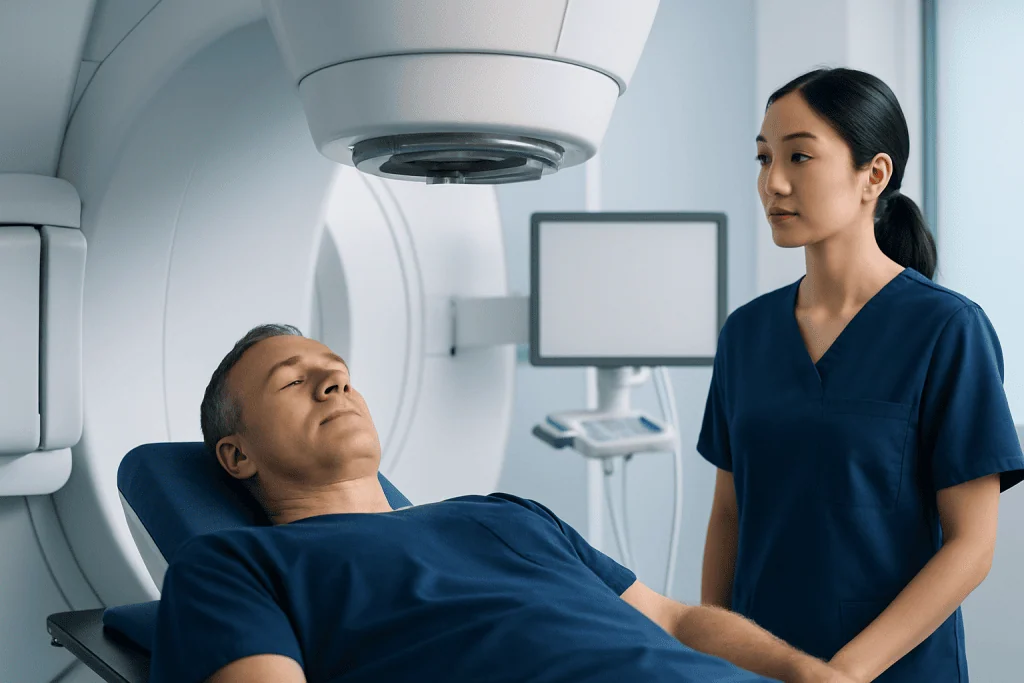
Radiation may be considered for people with localized or locally advanced esophageal cancer, particularly when the tumor has grown into nearby tissues or lymph nodes but has not spread widely to distant organs. Chemoradiation, which combines chemotherapy with radiation, is often used before surgery for suitable patients because chemotherapy can make cancer cells more sensitive to radiation.
For some people, chemoradiation may be the main treatment rather than surgery. This can be considered when surgery is not appropriate because of the tumor location, other medical conditions, personal treatment preferences or the cancer subtype. Radiation can also be used with palliative intent, meaning that it aims to reduce symptoms and support comfort and daily function when cure is not possible.
Candidacy is individualized. The team considers biopsy results, tumor location and stage, swallowing ability, nutrition, heart and lung function, prior chest radiation, overall wellbeing and personal goals. Diagnostic tests may include endoscopy, biopsy, CT, PET-CT, endoscopic ultrasound and laboratory tests. Information about the underlying condition is also available through esophageal cancer.
Step by Step: What Happens During Treatment?
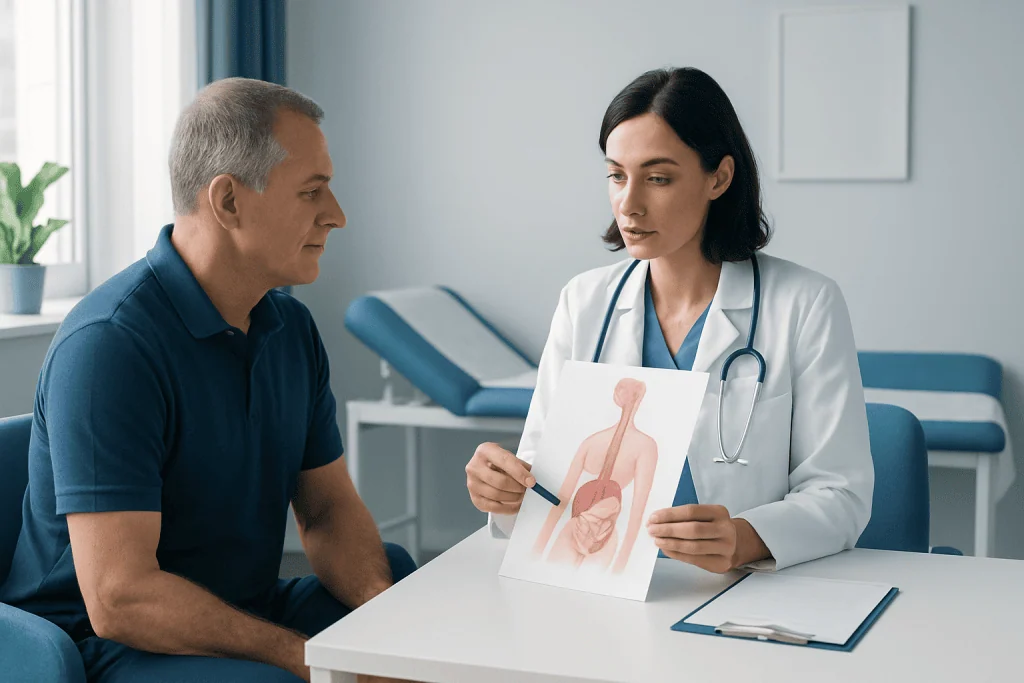
The process begins with a consultation and planning appointment, often called simulation. During this visit, the person lies in the position used for treatment while a CT scan is taken. Positioning supports or a custom body mold may be used to help maintain the same position each day. Small skin marks or tiny tattoo dots may be placed to guide accurate setup.
The radiation oncologist and medical physics team use the planning scan to outline the treatment area and sensitive nearby structures. This detailed planning can take several days or longer. The final plan specifies the beam directions, total dose and number of sessions, which vary according to the treatment goal and whether chemotherapy is also being given.
At each session, the radiotherapy team confirms positioning, often using image guidance. The radiation itself is painless and typically lasts only a few minutes, although the full appointment may take longer. Most external-beam treatments are provided on weekdays for several weeks. The person does not become radioactive after treatment and can safely be around family members, including children and pregnant people.
Weekly reviews help the team monitor side effects, weight, hydration and nutrition. If swallowing becomes difficult, support may include dietary adjustments, pain relief, anti-nausea medicines, swallowing guidance or temporary nutrition support. People should tell the team early about symptoms rather than waiting for the next scheduled review.
Benefits, Risks and Side Effects
The potential benefit of esophageal radiation is improved local control of the cancer. In curative treatment plans, it may help shrink a tumor, make surgery more effective or treat cancer cells that cannot be seen on scans. When used to relieve symptoms, it may reduce difficulty swallowing, pain or bleeding caused by the tumor, although improvement may take time.
Side effects usually develop gradually because normal tissues in and around the treatment area can also be affected. Common short-term effects include fatigue, reduced appetite, nausea, heartburn-like discomfort, pain when swallowing, difficulty swallowing, cough and irritation of the skin over the chest or back. Chemotherapy can add its own side effects and may increase the intensity of some symptoms.
Less common but important longer-term effects can include narrowing of the esophagus, persistent swallowing problems, reflux, ulcers, lung inflammation, heart effects or injury to nearby tissues. Rarely, serious complications such as a perforation or abnormal connection between the esophagus and airway can occur, especially when a tumor is advanced or other treatments are involved. The care team weighs these risks against expected benefits and monitors for complications during follow-up.
Nutrition is particularly important. Soft, moist foods, smaller frequent meals and adequate fluids may be easier to manage. A dietitian can tailor advice to individual needs, and the oncology team may recommend additional support if weight loss or dehydration is a concern.
How Effective Is Radiation on Esophageal Cancer?
Radiation can be highly valuable in esophageal cancer treatment, but its effectiveness depends on the purpose of treatment and the individual cancer. For potentially curable, non-metastatic disease, radiation is commonly combined with chemotherapy and sometimes surgery. This combined approach can reduce the amount of cancer in and around the esophagus and improve the chance of controlling disease in the treated area.
When radiation is used without surgery, the aim may still be long-term control or cure for carefully selected people. For cancer that has spread to distant organs, radiation is more often used to relieve local symptoms, such as obstruction or painful swallowing, rather than to eliminate all cancer cells throughout the body.
No single result applies to everyone. Outcomes are influenced by tumor stage, cell type, response to chemotherapy, surgical options, general health and whether treatment is completed as planned. The oncology team can explain the expected benefit in the context of the person’s scans, pathology findings and treatment goals.
Recovery Timeline and Esophagus Healing
Radiation effects do not end on the final day of treatment. Fatigue and irritation of the esophagus often continue to build for approximately one to two weeks after the course is completed, then gradually improve. Follow-up visits allow the team to review swallowing, nutrition, skin healing and overall recovery.
How long it takes for the esophagus to heal from radiation varies. Many short-term symptoms begin to ease within several weeks, but complete recovery can take weeks to months, particularly after combined chemoradiation. Some people experience longer-lasting swallowing changes or develop narrowing later, which may require assessment and treatment such as endoscopic dilation.
The hardest days after radiation treatment are often the final treatment week and the first one to two weeks afterward. During this period, inflammation can make swallowing especially uncomfortable and fatigue may be more noticeable. Prompt symptom support, hydration, calorie intake and regular contact with the care team can make recovery safer and more manageable.
Follow-up imaging or endoscopy is scheduled according to the treatment plan. These tests are not always done immediately because treated tissues can remain inflamed for a time. The team will explain when response assessment is most useful and what symptoms should prompt earlier review.
Can Esophageal Cancer Be Cured Completely?
Esophageal cancer can sometimes be cured completely, especially when it is diagnosed before it has spread to distant parts of the body and when treatment can address all known disease. Curative treatment may involve surgery, chemotherapy and radiation in different combinations. Some people treated with definitive chemoradiation, without surgery, can also achieve long-term remission.
However, a cure cannot be promised for any individual. Even after successful initial treatment, follow-up is important because cancer can return locally or elsewhere, and treatment-related effects may need attention. The treating team discusses whether the goal is cure, long-term control or symptom relief in clear, individualized terms.
Emotional support is also an important part of care. People may find it helpful to involve family, a specialist cancer nurse, dietitian, psychologist or support group while making treatment decisions and recovering. Asking questions about goals, alternatives and likely side effects can help people participate actively in their care.
When to Seek Medical Care
People receiving esophageal radiation should contact their cancer team promptly for worsening difficulty swallowing, inability to drink enough fluids, repeated vomiting, rapid weight loss, uncontrolled pain, fever, persistent cough, new shortness of breath or signs of dehydration such as dizziness and very dark urine. The team can assess whether symptoms are expected treatment effects or need urgent care.
Emergency medical attention is needed for severe chest pain, severe breathing difficulty, coughing up blood, vomiting blood, black stools, confusion, fainting or inability to swallow liquids. These symptoms may have causes unrelated to radiation, but they should not be managed at home.
After treatment, new or persistent swallowing problems, reflux, chest discomfort or unexplained weight loss should also be discussed with a doctor. Acibadem International’s multidisciplinary specialists and JCI-accredited hospitals provide diagnosis and treatment planning for international patients with esophageal cancer.
Frequently asked questions
Does esophageal radiation hurt during the session?
External-beam radiation treatment itself is painless. The person lies still while the machine delivers radiation from outside the body and does not feel the beams. Soreness when swallowing may develop later as the esophagus becomes irritated during the course of treatment.
Can a person eat during esophageal radiation treatment?
Most people can eat, but food texture and meal size may need to change as swallowing becomes uncomfortable. Soft, moist, high-calorie foods and frequent small meals are often easier to tolerate. A dietitian and oncology team can provide individualized guidance and arrange nutrition support if needed.
Why is chemotherapy often given with esophageal radiation?
Some chemotherapy medicines can make cancer cells more sensitive to radiation, helping both treatments work more effectively together. Chemotherapy may also treat cancer cells beyond the immediate radiation field. The choice depends on the cancer stage, tumor type and the person’s overall health.
Will swallowing get worse before it gets better?
It can. Radiation-related inflammation often increases during treatment and may peak in the one to two weeks after treatment finishes. The care team can offer medicines, dietary strategies and supportive care to reduce discomfort and help maintain hydration and nutrition.
Can radiation cause narrowing of the esophagus?
Yes, esophageal narrowing, also called a stricture, is a possible delayed side effect, although it does not occur in everyone. It may cause food to feel stuck or progressive difficulty swallowing. Doctors can investigate persistent symptoms and may treat a stricture with an endoscopic procedure if appropriate.
How often are follow-up appointments needed after esophageal radiation?
Follow-up schedules differ according to the treatment plan and whether surgery, chemotherapy or both are involved. Early visits usually focus on healing, swallowing and nutrition, while later visits may include scans or endoscopy to monitor treatment response. The oncology team provides a personalized surveillance schedule.
References
- National Cancer Institute
- American Cancer Society
- European Society for Medical Oncology
- National Comprehensive Cancer Network
- American Society for Radiation Oncology
This article is for general information only and is not a substitute for professional medical advice. Please consult a qualified doctor about your individual situation.
Oncology care in Turkey — second opinion and treatment plan
JCI-accredited · board-certified surgeons · reply within 24h
Add us as a Preferred Source to see more of our trusted health content across Google Search, AI Overviews and Discover.