Esophageal Varices: A Complete Medical Overview
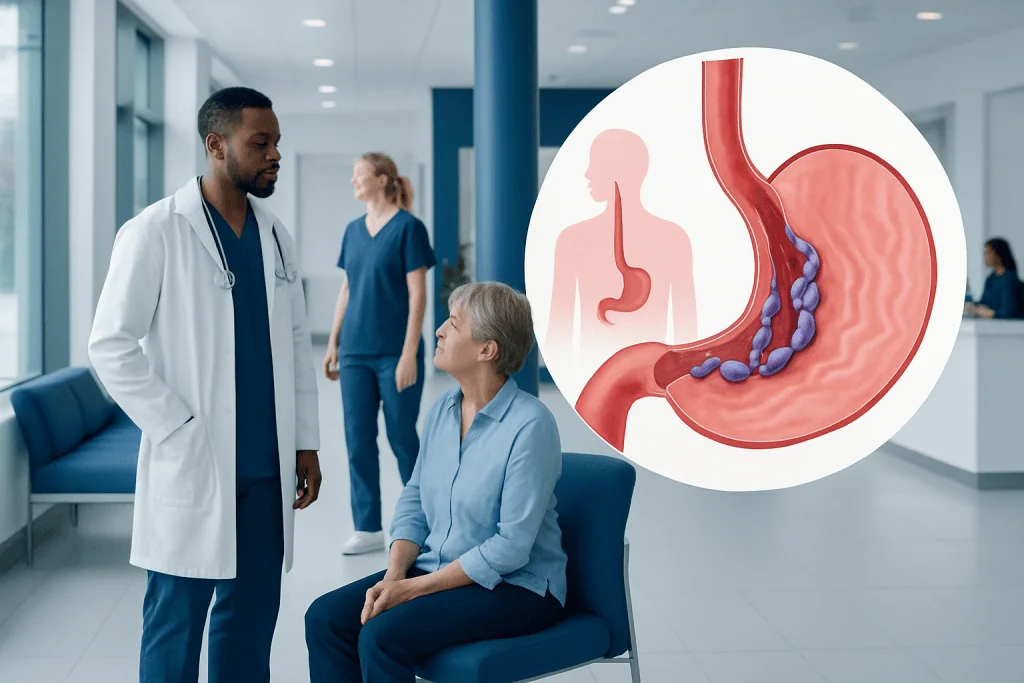
Esophageal varices are swollen veins in the esophagus linked mainly to portal hypertension. Many people have no symptoms until bleeding occurs.
Key Takeaways
- Esophageal varices are swollen veins in the esophagus linked mainly to portal hypertension.
- Many people have no symptoms until bleeding occurs.
- Bleeding from esophageal varices is a medical emergency and needs immediate care.
- Diagnosis is usually made with upper endoscopy and evaluation of the liver and portal circulation.
- Treatment focuses on preventing bleeding, controlling active bleeding, and treating the underlying liver condition.
- Regular follow-up can help reduce complications in people at risk.
Esophageal varices are enlarged veins in the lower esophagus, most often caused by increased pressure in the portal vein system, usually related to liver disease. They may not cause symptoms until they bleed, which is why early recognition, monitoring, and treatment are important.
Overview: what esophageal varices are and why they matter
Esophageal varices are enlarged, fragile veins in the lining of the esophagus, the tube that carries food from the mouth to the stomach. They most often develop when blood flow through the liver is blocked or slowed, causing pressure to rise in the portal venous system. This pressure, called portal hypertension, forces blood into smaller veins that are not designed to handle it.
These veins can become stretched and thin-walled over time. The main concern is not the veins themselves, but their risk of rupturing and bleeding. Bleeding can be mild at first or become sudden and severe, so esophageal varices are considered an important complication of chronic liver disease.
Esophageal varices are commonly associated with cirrhosis, but they can also occur with other conditions that affect portal blood flow. Some people learn they have varices during routine testing for liver disease, while others first come to medical attention because of bleeding. Understanding the condition early can help guide monitoring and preventive treatment.
Symptoms and warning signs
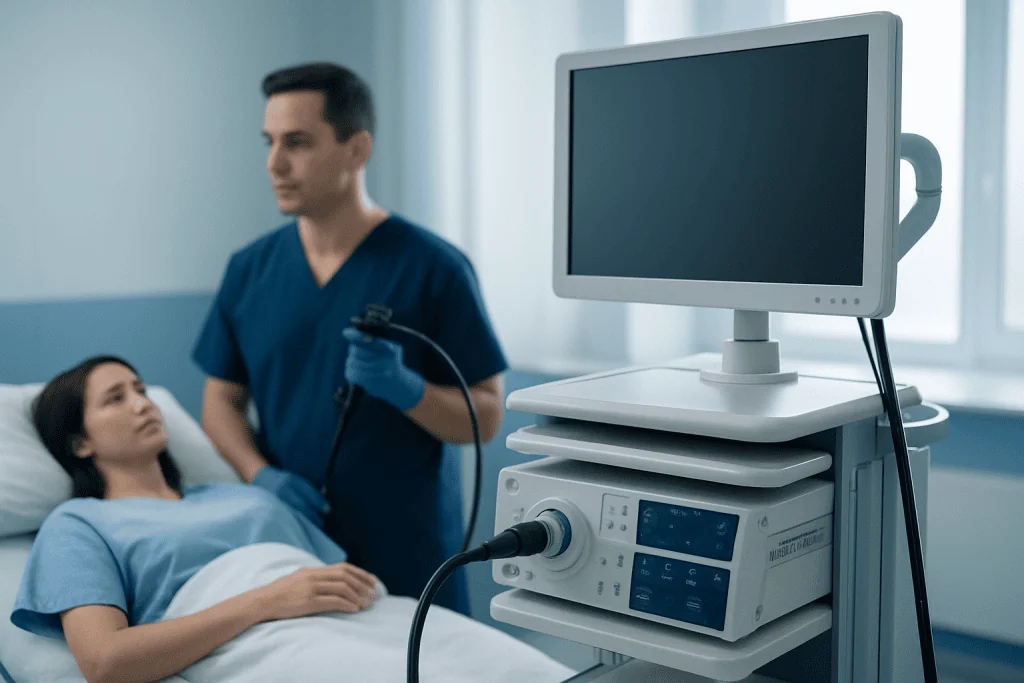
Many people with esophageal varices do not notice symptoms until the veins bleed. When varices are not bleeding, they usually do not cause pain or swallowing problems. For that reason, people with cirrhosis or significant portal hypertension are often screened even when they feel well.
Signs of bleeding from esophageal varices may include vomiting blood, passing black tarry stools, feeling faint, weakness, paleness, rapid heartbeat, or shortness of breath. In some cases, bleeding happens quickly and causes dizziness or collapse. These symptoms need urgent medical attention.
Symptoms related to the underlying liver condition may also be present. These can include abdominal swelling, leg swelling, jaundice, easy bruising, itching, confusion, or fatigue. People being followed for cirrhosis may be advised to have periodic endoscopic evaluation because varices can develop or enlarge over time.
- Often no symptoms before bleeding
- Vomiting blood or coffee-ground material
- Black, tarry stools
- Dizziness, fainting, or weakness
- Signs of chronic liver disease such as jaundice or abdominal swelling
Causes and risk factors
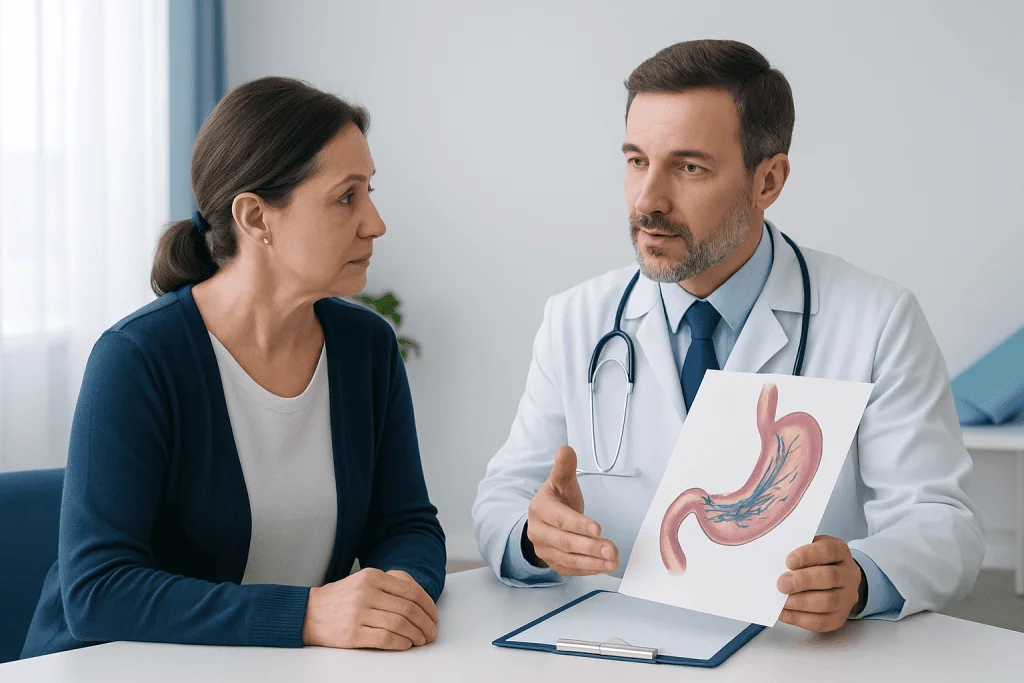
The most common cause of esophageal varices is portal hypertension. This happens when blood pressure rises in the portal vein, which carries blood from the digestive organs to the liver. Cirrhosis is the leading reason for this increased pressure because scarring in the liver makes blood flow more difficult.
Several conditions can lead to cirrhosis and portal hypertension, including long-standing viral hepatitis, alcohol-related liver disease, metabolic dysfunction-associated steatotic liver disease, autoimmune liver disease, and some inherited disorders. Less commonly, blood clots in the portal vein or nearby veins can also raise portal pressure and contribute to varices.
Certain features can increase the risk that varices are present or more likely to bleed. These include more advanced liver disease, larger varices, red marks seen on endoscopy, ongoing alcohol use, and poorly controlled portal hypertension. Because people with liver cirrhosis may develop this complication silently, regular medical follow-up is important.
Not everyone with portal hypertension will bleed, and risk varies from person to person. A clinician considers liver function, endoscopy findings, symptoms, and overall health when deciding on surveillance and preventive treatment.
How esophageal varices are diagnosed
The main test used to diagnose esophageal varices is upper endoscopy. During this procedure, a thin flexible tube with a camera is passed through the mouth to examine the esophagus, stomach, and upper small intestine. Endoscopy can show whether varices are present, how large they are, and whether they have signs that suggest a higher bleeding risk.
Doctors also evaluate the underlying cause of portal hypertension. Blood tests may assess liver function, blood counts, and clotting. Imaging such as ultrasound, Doppler ultrasound, CT, or MRI may help examine the liver, portal vein, and nearby blood vessels.
When bleeding is suspected, the assessment is more urgent. Doctors may check blood pressure, heart rate, oxygen levels, and blood tests to measure blood loss and liver function. Endoscopy is often performed promptly because it can both confirm the source of bleeding and allow treatment at the same time.
In some cases, diagnosis is part of a broader evaluation for chronic liver disease or related digestive conditions. If needed, specialists may also investigate other causes of upper gastrointestinal bleeding, such as ulcers or stomach cancer, depending on symptoms and test findings.
Treatment options: prevention, bleeding control, and long-term care
Treatment depends on whether the varices are bleeding and how high the bleeding risk is. For people with known varices that have not bled, the goal is prevention. Doctors may recommend medicines that lower portal pressure, commonly nonselective beta blockers, or preventive endoscopic treatment in selected cases. The exact plan depends on varix size, liver disease stage, and whether the person can safely take medication.
If bleeding occurs, treatment is urgent and usually takes place in a hospital. Care may include intravenous fluids or blood products when needed, medications to reduce portal pressure, antibiotics in appropriate patients with cirrhosis, and urgent endoscopy. During endoscopy, doctors often use band ligation for esophageal varices to place small bands around the enlarged veins and stop or prevent further bleeding.
When bleeding is difficult to control or returns despite standard treatment, additional procedures may be considered. These can include a shunt procedure such as TIPS to lower portal pressure by redirecting blood flow within the liver. In advanced liver disease, treating the liver condition itself is essential, and some people may need specialist assessment for options such as liver transplant evaluation.
Long-term care often includes repeat endoscopy, ongoing medication when appropriate, and management of the underlying liver disorder. Successful treatment does not remove the need for follow-up, because portal hypertension can persist and varices may recur.
Prevention and self-care
The best way to reduce the risk of esophageal varices is to manage the liver or portal vein condition that caused them. This may mean regular follow-up with a gastroenterologist or hepatologist, taking prescribed medicines consistently, attending scheduled endoscopies, and having recommended blood tests and imaging.
Self-care is also important. Avoiding alcohol is often advised in chronic liver disease because alcohol can worsen liver damage and increase complications. People should speak with their doctor before taking over-the-counter pain relievers, herbal products, or supplements, as some may affect the liver or raise bleeding risk. A clinician or dietitian may also suggest nutrition changes based on the person’s liver health.
General measures that support liver health include vaccination when appropriate, maintaining a healthy weight, and managing conditions such as diabetes or viral hepatitis. For people at risk of bleeding, it is especially important not to stop prescribed medicine without medical advice, even if they feel well.
- Keep regular liver and endoscopy appointments
- Take prescribed medicines as directed
- Avoid alcohol unless a doctor says otherwise
- Ask before using NSAIDs, supplements, or herbal products
- Seek help early for worsening liver-related symptoms
When to seek medical care
Immediate medical care is needed if a person vomits blood, passes black or bloody stools, faints, becomes unusually weak, or has chest discomfort or shortness of breath along with possible bleeding. These symptoms may indicate active gastrointestinal bleeding and should not be watched at home.
Non-urgent but prompt medical review is appropriate for people with cirrhosis, portal hypertension, or other chronic liver conditions who have never been screened for varices, or who develop new abdominal swelling, jaundice, confusion, or worsening fatigue. Early assessment can help prevent complications before bleeding occurs.
People who already know they have esophageal varices should contact their doctor if they miss follow-up, cannot tolerate prescribed medicine, or notice any change in symptoms. Near the end of a treatment journey, coordinated care matters: Acibadem International’s multidisciplinary specialists in JCI-accredited hospitals diagnose and treat esophageal varices and related liver conditions for international patients.
Frequently asked questions
Are esophageal varices always caused by cirrhosis?
No. Cirrhosis is the most common cause, but esophageal varices can also develop from other causes of portal hypertension, such as portal vein blockage or certain liver and vascular disorders. A doctor may need imaging and blood tests to identify the underlying reason.
Can esophageal varices go away on their own?
They usually do not resolve without addressing the pressure problem that caused them. Treatment focuses on lowering bleeding risk and managing portal hypertension or liver disease. Ongoing follow-up is often needed even after successful treatment.
Do esophageal varices cause pain?
Most people do not feel pain from esophageal varices themselves. In many cases, there are no symptoms until bleeding happens. Symptoms such as abdominal discomfort are more often related to the underlying liver condition rather than the varices directly.
How serious is bleeding from esophageal varices?
Bleeding from esophageal varices can be serious and needs emergency evaluation. Blood loss may be rapid, and people can become weak, dizzy, or unstable. Early hospital treatment improves the chance of controlling the bleed safely.
How often is endoscopy needed if someone has portal hypertension?
The schedule depends on whether varices are present, how large they are, whether they have bled before, and the person’s overall liver health. Some people need regular surveillance, while others need treatment and shorter-interval follow-up. A specialist will set the timing based on current guidelines and individual risk.
Can lifestyle changes help prevent complications?
Yes, lifestyle measures can support medical treatment. Avoiding alcohol, following advice for liver health, attending appointments, and discussing all medicines and supplements with a doctor can help reduce complications. These steps do not replace medical care, but they are an important part of long-term management.
References
- National Institute of Diabetes and Digestive and Kidney Diseases
- American College of Gastroenterology
- European Association for the Study of the Liver
- American Association for the Study of Liver Diseases
- National Health Service
This article is for general information only and is not a substitute for professional medical advice. Please consult a qualified doctor about your individual situation.
Esophageal Varices in Turkey — costs, top hospitals & a free quote
JCI-accredited · board-certified surgeons · reply within 24h
Add us as a Preferred Source to see more of our trusted health content across Google Search, AI Overviews and Discover.
Check your numbers in seconds
BMI, calories, due date, blood pressure and 30+ more clinical calculators — free, instant, doctor-reviewed ranges.

Gastroenterology
Diagnosis and treatment of the digestive system and liver, with advanced endoscopy.
43 specialists in this unit