Esophagectomy: Benefits, Risks, and Recovery — A Complete Guide

Esophagectomy is most commonly used to treat esophageal cancer, but it may also be considered for severe noncancerous esophageal disease. The operation removes diseased esophageal tissue and reconnects the digestive tract, often using the stomach to create a new food passage.
Key Takeaways
- Esophagectomy is most commonly used to treat esophageal cancer, but it may also be considered for severe noncancerous esophageal disease.
- The operation removes diseased esophageal tissue and reconnects the digestive tract, often using the stomach to create a new food passage.
- Benefits can include cancer removal and improved swallowing, while risks include infection, leakage at the surgical connection, lung complications, and nutritional challenges.
- Recovery takes time and usually involves pain control, breathing exercises, careful diet progression, and close follow-up.
- A patient's overall health, cancer stage, and ability to tolerate major surgery help determine candidacy.
Esophagectomy is a major operation that removes part or all of the esophagus and rebuilds the digestive pathway, most often to treat esophageal cancer. It can offer the best chance of disease control in selected patients, but it also involves careful preparation, a hospital stay, and a gradual recovery.
Overview: What Esophagectomy Is and Why It Is Done
Esophagectomy is a surgical procedure in which a surgeon removes part or all of the esophagus, the tube that carries food from the mouth to the stomach. The digestive tract is then reconstructed so the person can swallow again, most often by pulling the stomach upward and connecting it to the remaining esophagus. In some cases, part of the intestine may be used instead.
This operation is most commonly performed for esophageal cancer, especially when the disease is localized and surgery may help remove it completely. It may also be used in selected noncancerous conditions, such as severe damage from longstanding narrowing, advanced Barrett’s changes with high-grade dysplasia, or complications that do not respond to other treatments.
Esophagectomy is a complex procedure that usually involves a team that may include upper gastrointestinal surgeons, anesthesiologists, oncologists, gastroenterologists, dietitians, and rehabilitation specialists. For many patients, it is one part of a broader treatment plan that can also include esophageal cancer care, chemotherapy, radiation therapy, and nutritional support.
Who May Need Esophagectomy
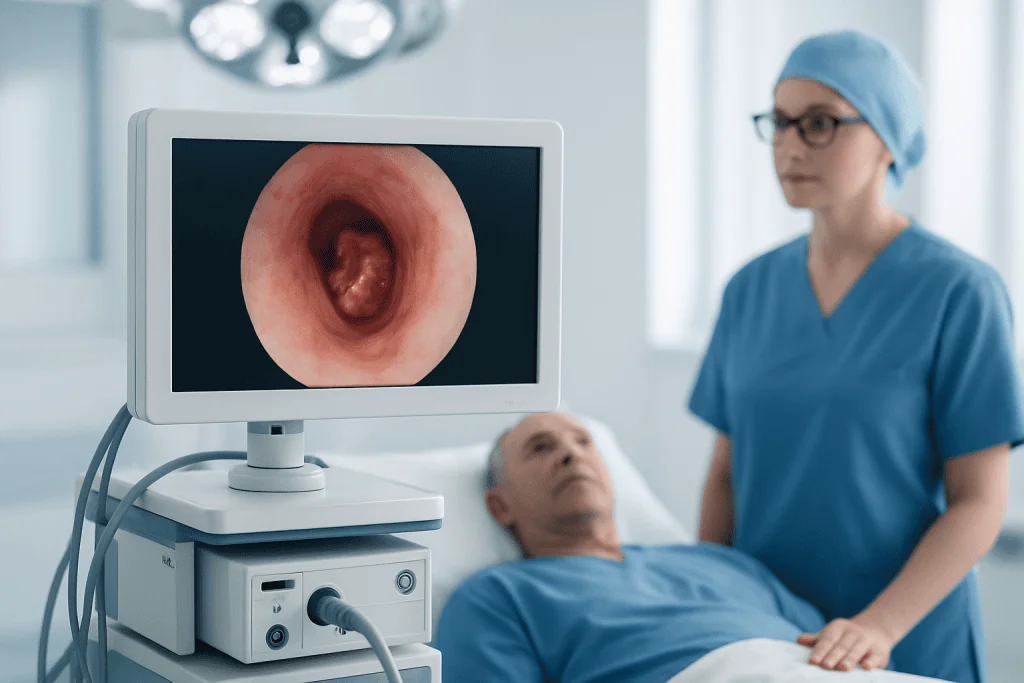
Candidacy for esophagectomy depends on more than the presence of disease in the esophagus. Doctors consider the underlying diagnosis, how far the disease has spread, the patient’s age and general physical condition, lung and heart function, nutritional status, and whether the person is likely to recover safely from major surgery.
In cancer care, esophagectomy is often recommended when the tumor is confined to the esophagus or nearby tissues and can potentially be removed. Some patients have chemotherapy or chemoradiation before surgery to shrink the tumor and improve the chance of complete removal. Others may be advised to have a different treatment strategy if the cancer has spread widely or if surgery would carry excessive risk.
For noncancerous disease, surgery is usually reserved for severe cases when other treatments have not worked. The decision is individualized, balancing expected benefits, symptom burden, and quality of life. A detailed preoperative assessment helps clarify whether esophageal cancer treatment should include surgery and whether the timing is appropriate.
How the Procedure Works: Step by Step

Although the exact technique varies, esophagectomy generally follows the same core steps. First, the surgical team gives general anesthesia so the patient is fully asleep. The surgeon then accesses the esophagus through the abdomen, chest, neck, or a combination of these areas. Some operations are performed through traditional open incisions, while others use minimally invasive or robot-assisted approaches, depending on the patient’s condition and the surgeon’s expertise.
Next, the diseased section of the esophagus is removed, along with nearby lymph nodes when cancer is being treated. If the stomach is healthy and suitable, it is reshaped into a narrow tube and moved upward into the chest or neck to replace the removed esophagus. The surgeon then creates a new connection, called an anastomosis, between the remaining esophagus and the stomach tube. In selected situations, another part of the digestive tract may be used for reconstruction.
At the end of the operation, drains may be placed temporarily, and many patients also have a feeding tube to support nutrition during early healing. The procedure can take several hours, and the patient is then monitored closely in a recovery unit or intensive care setting. For some people, the surgical plan is coordinated with gastroenterology and nutritional teams before and after the operation.
- Preoperative evaluation and anesthesia
- Removal of the diseased esophageal segment
- Lymph node removal when indicated
- Reconstruction using the stomach or, less often, intestine
- Creation of the new digestive connection
- Postoperative monitoring and nutritional support
Benefits and Expected Outcomes
The main benefit of esophagectomy is that it can remove diseased tissue that cannot be treated adequately with medicines or endoscopic therapies alone. In patients with localized esophageal cancer, surgery may offer the best chance of long-term disease control when combined with appropriate oncology care. For some noncancerous conditions, it can also relieve severe symptoms and restore the ability to eat more comfortably.
Another important benefit is improved swallowing when the esophagus has become blocked or severely narrowed. This can support better nutrition, energy levels, and day-to-day functioning. Some patients also gain reassurance from having the diseased area removed as part of a comprehensive treatment plan.
However, outcomes vary from person to person. Recovery, long-term eating patterns, and symptom improvement depend on factors such as the reason for surgery, the stage of disease, the surgical approach, and the patient’s overall health. Before proceeding, doctors explain realistic goals, including symptom relief, cancer control, and the lifestyle adjustments that may still be needed afterward.
Risks, Side Effects, and Possible Complications
Esophagectomy is a major operation, so it carries meaningful risks even when performed in experienced centers. General surgical risks include bleeding, infection, blood clots, reactions to anesthesia, and heart or lung complications. Because the procedure involves the chest and upper abdomen, breathing problems such as pneumonia can occur, especially in patients with underlying lung disease or reduced physical reserve.
Procedure-specific complications can include leakage from the new connection between the esophagus and stomach, narrowing of that connection over time, delayed stomach emptying, reflux, hoarseness, and problems with swallowing. Some patients develop changes in appetite, early fullness, weight loss, or dumping symptoms, in which food moves too quickly into the small intestine and causes cramping, dizziness, or diarrhea after meals.
Not every patient experiences these problems, and many are manageable with prompt medical care, nutritional guidance, and follow-up. Careful preparation before surgery, early mobilization afterward, breathing exercises, and expert postoperative monitoring can help lower the risk. Patients who are already being evaluated for stomach cancer or other upper digestive disorders may need additional planning because reconstruction often depends on the condition of the stomach.
Diagnosis, Preparation, and Hospital Recovery Timeline
Before esophagectomy, the medical team confirms the diagnosis and determines the extent of disease. Tests often include endoscopy with biopsy, imaging such as CT or PET scans, and sometimes endoscopic ultrasound. Blood tests, heart evaluation, and lung function testing help show whether the patient can tolerate surgery safely. Doctors also assess weight loss, swallowing difficulty, and nutritional status, since these strongly affect recovery.
Preparation may involve smoking cessation, breathing exercises, activity training, and meeting with a dietitian. Some patients receive chemotherapy or radiation before surgery. Others may need temporary nutritional support if swallowing has become very difficult. Knowing what to expect in the hospital can make the process less stressful and help families plan.
Recovery in the hospital usually begins with close monitoring, pain control, breathing support, and early movement. At first, nutrition may be given through a feeding tube or intravenously while the new connection heals. Imaging or swallowing assessments may be performed before oral intake begins. Many patients start with small amounts of liquid and then advance gradually as directed by the surgical team.
The full recovery timeline extends beyond discharge. Fatigue often improves over several weeks, but appetite, weight, and swallowing patterns can take longer to stabilize. Follow-up visits are important to monitor healing, review pathology results when cancer has been removed, and coordinate any further oncology care if needed.
Life After Surgery: Eating, Activity, and Self-care
After esophagectomy, eating habits often need to change. Many patients do better with small, frequent meals rather than three large meals a day. Eating slowly, chewing thoroughly, sitting upright during and after meals, and avoiding lying down soon after eating can help reduce reflux and discomfort. A dietitian can guide food choices as the digestive tract adapts.
Hydration and nutrition deserve close attention, especially in the first months. Weight loss is common after surgery, so follow-up helps identify whether supplements, tube feeding, or additional dietary changes are needed. Some people notice temporary food intolerance, early fullness, or changes in bowel habits. These issues often improve with time and practical adjustments.
Physical recovery also matters. Gentle walking and breathing exercises are usually encouraged early, while heavier lifting is restricted until the surgeon advises otherwise. Emotional adjustment is part of recovery too, particularly for patients being treated for cancer. Near the end of the care journey, some international patients may seek evaluation at Acibadem International, where multidisciplinary specialists in JCI-accredited hospitals diagnose and treat complex esophageal conditions.
When to Seek Medical Care
A person should seek medical evaluation if there is persistent difficulty swallowing, unintentional weight loss, food getting stuck, ongoing chest discomfort related to swallowing, repeated vomiting, or signs of gastrointestinal bleeding such as black stools or vomiting blood. These symptoms do not always mean a serious condition, but they should not be ignored.
After esophagectomy, urgent medical attention is needed for fever, worsening shortness of breath, severe chest or abdominal pain, trouble swallowing that suddenly gets worse, redness or drainage from an incision, persistent vomiting, or inability to keep fluids down. These symptoms can signal complications that need timely treatment.
Even when recovery seems to be going well, regular follow-up is essential. A qualified doctor can assess healing, nutrition, and symptom changes, and can decide whether further testing, rehabilitation, or treatment is needed.
Frequently asked questions
Is esophagectomy always done for cancer?
No. Esophagectomy is most often performed for esophageal cancer, but it may also be used for severe noncancerous problems when other treatments are not effective. Examples can include advanced precancerous changes, severe narrowing, or major damage to the esophagus.
Can a person eat normally after esophagectomy?
Many people can return to eating by mouth, but eating patterns usually change. Smaller, more frequent meals are often easier to tolerate, and some patients need time to adjust to fullness, reflux, or changes in digestion. A dietitian and surgical team can help tailor a safe plan.
How long does esophagectomy recovery take?
Recovery begins in the hospital and continues for weeks to months at home. Hospital stay length varies depending on the surgical approach, overall health, and whether complications occur. Energy, swallowing comfort, and weight often improve gradually rather than all at once.
What are the main risks of esophagectomy?
Important risks include infection, bleeding, pneumonia, blood clots, leakage from the surgical connection, and nutritional difficulties. Some patients also experience reflux, delayed stomach emptying, or narrowing at the new connection. The medical team reviews these risks carefully before surgery.
Is esophagectomy an open surgery or minimally invasive surgery?
It can be either. Some patients have traditional open surgery, while others are candidates for minimally invasive or robot-assisted techniques. The best option depends on the reason for surgery, anatomy, prior treatments, and the surgeon's judgment.
Will a feeding tube be needed after esophagectomy?
Many patients temporarily need a feeding tube after surgery while the digestive connection heals and swallowing is reintroduced safely. This is a common supportive step rather than a sign that recovery is not going well. The tube is usually managed according to healing progress and nutritional needs.
References
- National Cancer Institute
- American Cancer Society
- National Institute of Diabetes and Digestive and Kidney Diseases
- Society of Thoracic Surgeons
- National Comprehensive Cancer Network
This article is for general information only and is not a substitute for professional medical advice. Please consult a qualified doctor about your individual situation.
Persistent digestive symptoms? Get evaluated in Turkey
JCI-accredited · board-certified surgeons · reply within 24h
Add us as a Preferred Source to see more of our trusted health content across Google Search, AI Overviews and Discover.