Evac Procedure: An Evidence-Based Patient Guide

A patient evacuation follows a prepared emergency plan rather than a single universal sequence. Patients are prioritized according to immediate danger, mobility, clinical needs and available transport resources.
Key Takeaways
- A patient evacuation follows a prepared emergency plan rather than a single universal sequence.
- Patients are prioritized according to immediate danger, mobility, clinical needs and available transport resources.
- Horizontal movement to a safer area on the same floor is often preferred before vertical evacuation when appropriate.
- Staff maintain identification, handover information, essential medicines and critical equipment whenever safely possible.
- People should follow instructions from emergency personnel and should not re-enter an affected area until it is declared safe.
An evac procedure is an organized process for moving patients, visitors and staff away from an immediate hazard such as fire, smoke, severe weather, structural damage or another emergency. In healthcare settings, it prioritizes safety, clinical stability and continuity of essential care while using trained teams and a facility-specific evacuation plan.
What Is an Evac Procedure?
An evac procedure, short for evacuation procedure, is a coordinated plan for moving people from an unsafe location to a safer area. In a hospital or clinic, this may involve patients, family members, visitors and staff. The immediate goal is to reduce exposure to danger while preserving patient safety and essential medical care.
The exact evac protocol depends on the emergency, building layout, number of people affected and each patient’s condition. A fire in one area, for example, may require movement to another fire-protected zone on the same level. A broader event may require transfer outdoors, to another building or to another healthcare facility.
For patients, evacuation is not simply leaving a building. Healthcare teams must consider oxygen needs, monitoring devices, infection-control precautions, mobility limitations, medications and the safe transfer of clinical information. Emergency services and hospital incident-command teams coordinate these decisions whenever possible.
How Patient Evacuation Planning Works
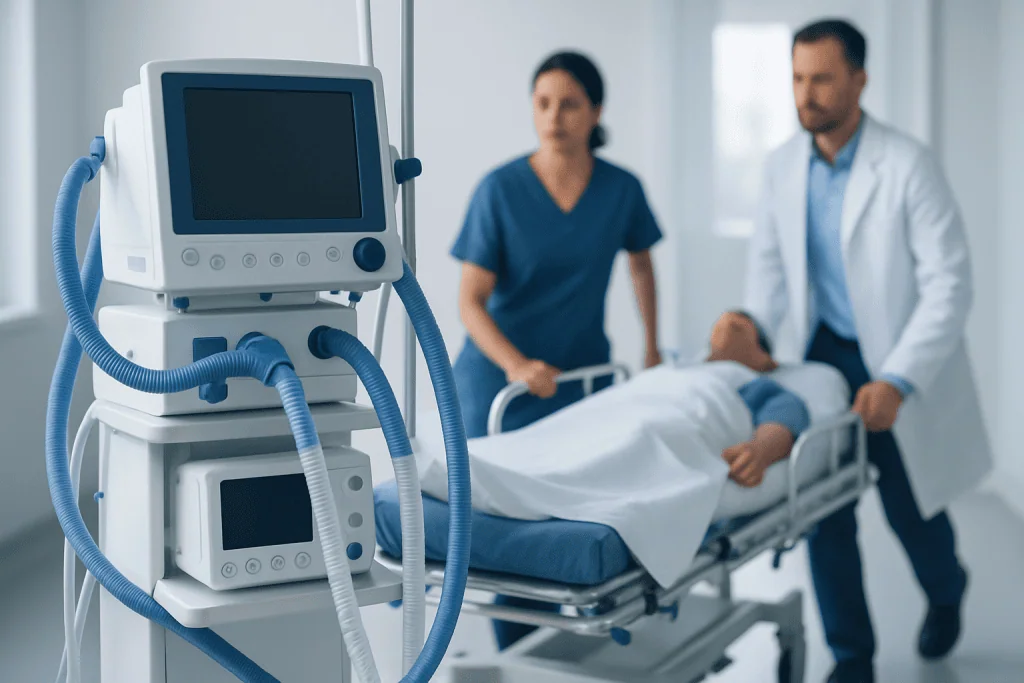
Healthcare organizations prepare evacuation plans in advance and test them through staff education and drills. These plans identify alarm systems, exits, safe zones, transport equipment, assembly locations, communication channels and roles for clinical and non-clinical staff.
A typical plan begins with recognition of a hazard and activation of an alarm or emergency response system. Leaders assess the location and scale of the threat, determine whether sheltering in place or evacuation is safer, and identify which areas need to be cleared first. Staff then support patients according to their clinical needs and functional abilities.
An evac evaluation is a rapid, repeated assessment of danger and patient condition. It is not a replacement for full medical assessment. Instead, it helps teams decide who can walk with guidance, who needs a wheelchair or stretcher, who needs life-support equipment, and who may require an urgent escorted transfer.
Evac placement refers to where a person is moved during the emergency. The safest destination may be a protected compartment within the building, a designated assembly point, an ambulance, or another clinical unit. Placement decisions should account for safety, weather, accessibility, supervision and ongoing medical needs.
Who May Need Priority Assistance?

All people deserve assistance during an emergency, but some patients may need more time, equipment or trained support to move safely. Priority does not mean that one person is more important than another; it reflects the practical steps needed to prevent immediate harm.
People who may need individualized evacuation support include those receiving intensive monitoring, oxygen therapy or intravenous treatment; people recovering from surgery; newborns and children; older adults with frailty; people with disabilities; and patients with cognitive impairment, severe pain or reduced mobility. Patients in isolation may also require special precautions to limit infection transmission.
Before an emergency occurs, patients and family members can help by telling staff about mobility aids, hearing or vision needs, communication preferences, allergies and important medical devices. In an actual emergency, individuals should avoid attempting to disconnect medical equipment or carry others unless instructed by trained staff.
In hospitals, trained teams may use wheelchairs, evacuation chairs, stretchers, carry sheets or other approved equipment. The safest approach is selected based on the individual patient, the route available and the nature of the hazard.
Step-by-Step: What Happens During an Evac Procedure?
Although procedures vary, an evacuation commonly follows a clear sequence. First, staff identify or receive notice of the threat and activate the facility’s emergency response process. They alert emergency services when needed and communicate with teams in affected areas.
Second, the team makes the immediate environment safer when this can be done without personal risk. For example, doors may be closed to help limit smoke spread, and patients may be moved away from the hazard. Staff then begin patient movement using the safest available route and method.
Third, patients are identified and tracked. Staff try to transfer essential information, such as name, diagnosis, allergies, current treatment and destination. Necessary medications, documentation and equipment may accompany the patient if doing so does not delay urgent movement from danger.
Finally, teams reassess patients at the receiving location, account for everyone, provide handovers and continue care. The incident is reviewed afterward to identify any ongoing needs and improve future preparedness. An emergency evacuation is a dynamic situation, so staff may change the plan as information and conditions change.
What Are the 5 P's of Evacuation?
The phrase “5 P’s of evacuation” is used differently by organizations and is not a single universal medical standard. In healthcare emergency planning, it can serve as a practical memory aid for key elements that must be addressed during patient movement.
A useful patient-centered interpretation is: people (who needs help and who is responsible), place (the safest destination and route), priorities (which immediate risks and patient needs come first), provisions (medicines, identification, equipment and supplies), and proof of transfer (documentation, accountability and handover).
Facilities may teach different words or use other established emergency frameworks. Therefore, staff should follow their own organization’s training and written emergency plan rather than relying on a general mnemonic alone. For patients and families, the most important action is to listen for instructions and remain with staff when possible.
What Is the Correct Order to Evacuate Patients?
There is no one fixed order that applies to every emergency. The correct order to evacuate patients is based on the immediate threat, the speed at which conditions may worsen, the patient’s ability to move and the resources available. Emergency leaders continuously reassess these factors.
When danger is localized, people closest to the hazard may need to move first. In many healthcare settings, ambulatory patients who can follow directions may be moved efficiently with supervision, while patients needing wheelchairs, stretchers or life-support equipment require coordinated teams and transport plans. However, a patient with an unstable condition may require urgent movement even if they are not closest to the hazard.
Horizontal evacuation to a protected area on the same floor is often safer and faster than using stairs or elevators. Vertical evacuation may become necessary if the whole floor or building is unsafe. Elevators should generally not be used during a fire unless emergency responders specifically authorize their use.
Emergency professionals determine the order according to the event. Patients and visitors should not self-assign priority or attempt to leave through restricted routes; doing so can create additional risks and interfere with rescue operations.
What Is the 90 Second Evacuation Rule?
The “90 second evacuation rule” is not a universal rule for hospitals or all emergencies. It is most often discussed in other safety contexts, such as aircraft evacuation standards, where design and certification requirements may include a 90-second demonstration under specified test conditions.
Hospital evacuation cannot safely be reduced to one timing target because patients may have complex care needs and routes may be affected by the emergency. Moving a patient who requires oxygen, a ventilator, continuous medication infusion or spinal precautions takes planning and may need several trained professionals.
In a medical setting, speed remains important, particularly when there is immediate danger. Yet the priority is prompt movement that is as safe as circumstances allow, supported by trained staff, clear communication and appropriate equipment. The best evacuation time is the time that safely removes people from risk while maintaining essential care.
What Are the 5 Stages of the Evacuation Process?
Like the 5 P’s, “five stages” can be defined differently across organizations. A clear way to understand the evacuation process is through five connected stages: preparation, alert and assessment, movement, reception and recovery.
Preparation includes emergency planning, staff training, equipment checks and patient-specific support arrangements. Alert and assessment begins when a hazard is identified; leaders evaluate the threat and decide whether to shelter in place, move within the building or evacuate farther away.
Movement is the transfer of people using designated routes, trained assistance and patient tracking. Reception involves checking patients at the safe location, continuing necessary treatment and sharing clinical handover information. Recovery includes returning to normal operations when authorized, supporting affected individuals and reviewing the response.
These stages may overlap during a rapidly changing incident. A reliable evac procedure is flexible enough to adapt while maintaining communication, accountability and patient dignity.
When to Seek Medical Care
During an emergency, people should seek urgent assistance if they have trouble breathing, chest pain, fainting, confusion, serious injury, heavy bleeding, severe burns or a sudden worsening of an existing health condition. Anyone exposed to smoke, chemicals or an unknown substance should be assessed promptly, even if symptoms seem mild at first.
After evacuation, patients should tell staff or emergency responders if they have been separated from medications, mobility aids, oxygen, medical documents or a caregiver. They should also report new symptoms such as wheezing, persistent coughing, dizziness, nausea, panic that does not settle, or worsening pain.
For non-emergency planning, people with complex medical needs can discuss personal evacuation requirements with their doctor or care team. Acibadem International’s multidisciplinary specialists and JCI-accredited hospitals support assessment and treatment for international patients when medical care is needed.
Frequently asked questions
Is an evac procedure the same as an emergency evacuation?
An evac procedure is the planned method used to carry out an evacuation safely. An emergency evacuation is the actual movement of people away from a specific hazard. The procedure guides staff decisions before and during the event.
What should a patient do during a hospital evacuation?
Patients should stay calm, follow staff instructions and tell staff about urgent needs such as oxygen, medications, pain, mobility limitations or communication difficulties. They should not use elevators during a fire unless directed by emergency personnel. If possible, they should remain with their assigned care team or family support person.
Can patients take personal belongings during evacuation?
Safety comes first. Staff may bring essential items such as identification, glasses, mobility aids, necessary medicines or medical equipment when it is safe to do so. Nonessential belongings may need to be left behind temporarily.
Why are some patients moved before others?
The movement order depends on the location and severity of the threat, each patient’s condition and the assistance required. People in immediate danger may need to move first, while others may be transferred according to mobility and medical needs. The order can change as the emergency develops.
What does sheltering in place mean?
Sheltering in place means remaining in, or moving to, a protected area rather than leaving the building. It may be safer than evacuation during certain events, such as severe weather, an external security threat or a localized hazard. Emergency leaders determine which option is safest.
How can families prepare for a possible patient evacuation?
Families can keep an updated list of medicines, allergies, diagnoses, emergency contacts and mobility or communication needs. They can also ask the healthcare team how the facility supports patients who need special assistance. During an incident, families should use official communication channels and avoid entering restricted areas.
References
- World Health Organization
- Centers for Disease Control and Prevention
- Federal Emergency Management Agency
- The Joint Commission
- Occupational Safety and Health Administration
This article is for general information only and is not a substitute for professional medical advice. Please consult a qualified doctor about your individual situation.
Explore treatments in Turkey — costs, top hospitals & a free quote
JCI-accredited · board-certified surgeons · reply within 24h
Add us as a Preferred Source to see more of our trusted health content across Google Search, AI Overviews and Discover.