Evergreen Infusion Center: Procedure, Recovery and Results

Infusion therapy delivers treatment directly into a vein when this is the safest or most effective route. Most infusion visits are outpatient appointments, with patients returning home the same day.
Key Takeaways
- Infusion therapy delivers treatment directly into a vein when this is the safest or most effective route.
- Most infusion visits are outpatient appointments, with patients returning home the same day.
- The first visit may take longer because it includes clinical checks, education, and closer observation.
- Some treatments work quickly, while others may require days, weeks, or repeated doses before benefits are noticeable.
- Patients should report new symptoms during an infusion, especially breathing difficulty, swelling, rash, chest discomfort, or dizziness.
An evergreen infusion center is an outpatient setting where a clinical team gives prescribed medicines, fluids, blood products, or nutrients through a vein while monitoring comfort and safety. Visit length, recovery, and when benefits are felt depend on the medication and the condition being treated.
Evergreen Infusion Center: Overview
An evergreen infusion center generally refers to an outpatient clinic or hospital-based service that provides infusion therapy. During an infusion, a prescribed treatment enters the bloodstream through an intravenous (IV) line, allowing the care team to administer medicines and monitor the patient in a controlled setting.
People may be referred for infusions when medicines are not suitable by mouth, when a treatment needs to be given slowly, or when observation is important. Infusion services may support many specialties, including gastroenterology, rheumatology, neurology, infectious diseases, hematology, and oncology. The exact experience at an evergreen infusion clinic depends on the medication, the individual’s health needs, and local clinical protocols.
An evergreen hospital infusion center may be located within a hospital or in a dedicated outpatient unit. The medical team typically includes nurses trained in infusion care, pharmacists, and the prescribing specialist. Their role is to confirm the treatment plan, watch for side effects, and help patients understand what to expect before leaving.
How Infusion Therapy Works
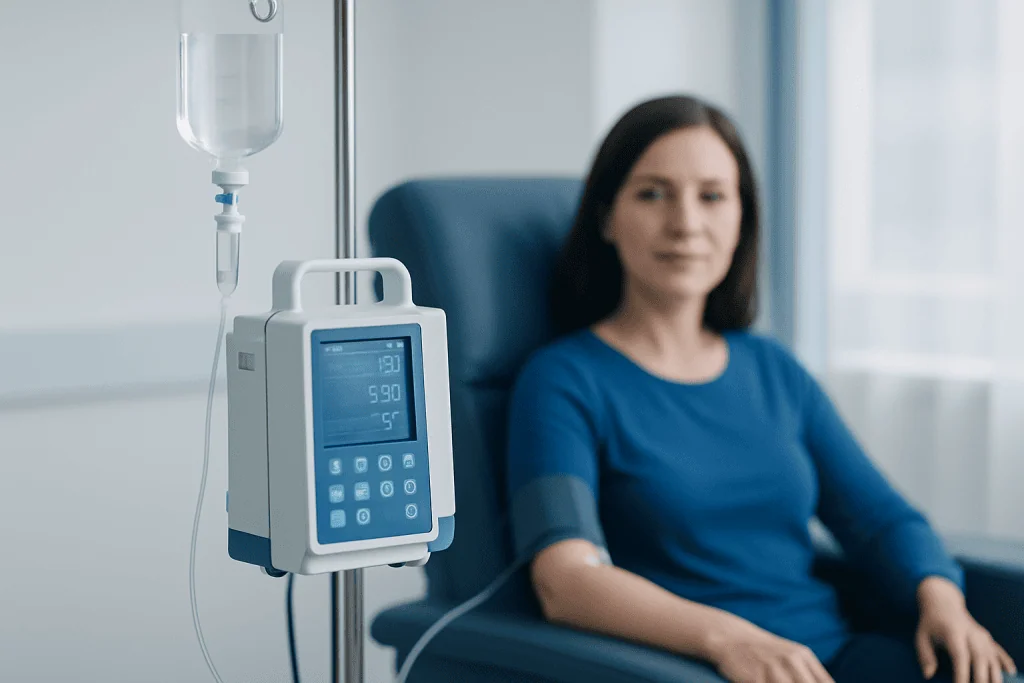
Infusion therapy begins with a prescription from a qualified clinician. The prescription identifies the medicine or product, the appropriate dose, the rate of administration, the number of planned visits, and any tests or monitoring that may be needed. Examples include biologic medicines for inflammatory conditions, intravenous antibiotics for selected infections, iron for iron-deficiency anemia, immune therapies, fluids, and cancer treatments.
At the visit, a nurse usually places a small IV catheter into a vein in the hand or arm. For people who need frequent or long-term treatment, a clinician may recommend a central access device, such as a port, depending on the therapy and the person’s veins. The treatment is delivered through a pump or gravity-controlled tubing over a set period.
Before some medicines, patients receive premedication to lower the likelihood of nausea, headache, fever, or an infusion reaction. Vital signs may be checked before, during, and after treatment. The care team can slow, pause, or stop an infusion if symptoms occur, which is one reason supervised IV treatment can be appropriate for certain therapies.
Who May Be a Candidate for an Infusion?

A person may be considered for infusion treatment when a specialist determines that IV therapy is medically appropriate. This may include individuals whose condition requires medicines that cannot be absorbed reliably through the digestive system, medicines that need gradual administration, or treatments that require observation for possible reactions.
Common reasons for referral include inflammatory bowel disease, rheumatoid arthritis and related inflammatory conditions, multiple sclerosis, immune deficiencies, certain infections, iron-deficiency anemia, osteoporosis, and cancer. Eligibility is not based only on diagnosis. The care team also considers medical history, allergies, previous infusion reactions, kidney or liver function when relevant, current medicines, pregnancy status, and infection risk.
Before beginning a new treatment, patients should discuss planned vaccines, recent illness, fever, dental procedures, surgery, and over-the-counter supplements with the prescribing team. Some treatments may need to be delayed if there is an active infection or another temporary health concern. The specialist can explain whether an infusion is the right option and what monitoring is needed.
What to Expect at Your First Infusion?
The first infusion often takes longer than later appointments. After check-in, staff may review identification, allergies, current medicines, recent symptoms, and consent information. A nurse may check temperature, blood pressure, pulse, oxygen level, and weight. Some therapies also require blood tests or other screening before each dose or before the first dose.
Patients are usually seated in a recliner or treatment chair. The nurse inserts the IV, gives any prescribed premedication, and starts the infusion at the planned rate. The team will ask patients to report itching, rash, flushing, nausea, chills, headache, throat tightness, shortness of breath, pain, or any other new symptom promptly. These symptoms do not always mean a serious reaction, but they should be assessed without delay.
Comfortable clothing, a phone charger, water if permitted, a book, headphones, and a small snack can be helpful. Dietary restrictions vary by treatment, so patients should ask in advance whether they should eat normally, drink extra fluids, or arrange transportation. First-time patients may also want a family member or friend to accompany them if the clinic allows it.
How Long Does an Infusion Usually Take?
Infusion duration varies widely. Some IV treatments take less than an hour, while others take several hours or may be given over repeated days. The appointment also includes preparation, IV placement, pharmacy verification, vital-sign checks, and a post-infusion observation period when needed. For these reasons, the total visit can be longer than the time the medication is running.
The first appointment may be deliberately slower because clinicians are confirming tolerance to a new medicine. Later infusions may be shorter if the treatment is well tolerated and the prescribing protocol allows a faster rate. However, patients should not expect every visit to be identical; timing can change with laboratory results, symptoms, IV access, or safety monitoring requirements.
Before attending, it is useful to ask the infusion center how long to reserve, whether blood work is required beforehand, and whether premedication may cause drowsiness. Patients should avoid scheduling important commitments immediately afterward until they know how the treatment affects them.
Can You Use the Bathroom While Getting an Infusion?
In many cases, yes. Patients should tell the nurse when they need to use the bathroom rather than disconnecting or moving IV equipment independently. Depending on the infusion pump, tubing, medication, and individual mobility, the nurse may help the patient walk safely with the IV pole or may pause treatment briefly if clinically appropriate.
For some medicines, close monitoring or remaining seated may be important, particularly at the beginning of the infusion or if a patient has felt unwell. People who have dizziness, weakness, a sedating premedication, low blood pressure, or a history of falls may need assistance. The clinic team can explain the safest approach for that visit.
Patients can help reduce interruptions by using the bathroom before the IV is started. They should still drink fluids as advised by their care team, especially if hydration is part of their treatment plan. There is no need to feel reluctant to ask for assistance; this is a routine part of infusion care.
How Long After an Infusion Do You Feel Better?
How quickly a person feels better after an infusion depends on what is being treated. IV fluids may improve symptoms related to dehydration relatively soon, while iron infusions can improve fatigue gradually over days to weeks as the body produces red blood cells. Antibiotics may begin controlling an infection early, but symptom improvement and full recovery can take longer.
For immune-targeting medicines used for inflammatory or neurologic conditions, benefits may develop over several weeks and sometimes after more than one scheduled infusion. Cancer therapies may have a different goal, such as shrinking or controlling disease, reducing symptoms, or lowering the risk of recurrence; their response is assessed by the oncology team through symptoms, examination, blood tests, and imaging when appropriate.
It is also common to feel tired, mildly achy, or headachy for a short period after certain infusions. Patients should follow their individualized aftercare instructions and contact the prescribing team if symptoms are severe, persistent, or different from what was expected. Improvement should be discussed at follow-up rather than judged from a single day alone.
Recovery, Benefits, Risks and When to Seek Medical Care
Most people can go home on the day of an infusion. Recovery may involve resting, drinking fluids if advised, eating normally unless instructed otherwise, and observing for delayed symptoms. The possible benefit is targeted delivery of a treatment that may control disease activity, correct a deficiency, treat infection, or support another medical plan. The expected benefit and timeframe should be explained by the prescribing clinician.
Risks vary by medicine and can include bruising or soreness at the IV site, fatigue, nausea, headache, fever, rash, changes in blood pressure, or an infusion reaction. Infection or inflammation at an IV site is uncommon but possible. Serious allergic reactions are rare but require immediate clinical attention, which is why patients are monitored and asked to report symptoms during the appointment.
When to seek medical care: Patients should seek urgent medical help for trouble breathing, swelling of the face or throat, chest pain, fainting, severe dizziness, widespread hives, or severe symptoms that develop during or after an infusion. They should contact their treating team promptly for fever, persistent vomiting, worsening pain or redness around the IV site, a new rash, or symptoms that are concerning but not immediately life-threatening.
Acibadem International’s multidisciplinary specialists and JCI-accredited hospitals support diagnosis and treatment planning for international patients who may need infusion-based care. Patients should work with their prescribing clinician and infusion team to understand the purpose of treatment, expected recovery, and follow-up schedule.
Frequently asked questions
What is an evergreen infusion center?
An evergreen infusion center is generally an outpatient clinic or hospital service where prescribed IV treatments are given under clinical supervision. It may provide medicines, fluids, nutrients, blood products, or other therapies for a range of medical conditions.
Do I need someone to drive me home after an infusion?
Many people can travel home independently after an infusion, but this depends on the treatment and any premedication used. A driver may be advisable if the medicine can cause drowsiness, dizziness, weakness, or if the care team recommends it.
Should I eat before an infusion?
For many infusions, eating a normal light meal beforehand can be helpful, unless the care team gives different instructions. Patients should ask the clinic in advance because preparation requirements differ by medicine and medical condition.
What should I bring to an infusion appointment?
Patients may bring identification, medication information, insurance or referral documents if required, and items for comfort such as a phone charger, reading material, headphones, or a sweater. It is also helpful to bring a list of questions for the nurse or prescribing clinician.
Are infusion reactions common?
The likelihood of an infusion reaction depends on the medication and the individual. Many reactions are mild and can be managed by slowing or pausing the infusion and providing treatment, but patients should report any new symptoms immediately.
Can I exercise after an infusion?
Light activity may be appropriate for some people, but strenuous exercise may not feel comfortable immediately after treatment. The safest plan depends on the medicine, the reason for infusion, and how the patient feels, so individual advice from the treating team is important.
References
- U.S. Food and Drug Administration
- National Institutes of Health
- Centers for Disease Control and Prevention
- American Society of Health-System Pharmacists
- World Health Organization
This article is for general information only and is not a substitute for professional medical advice. Please consult a qualified doctor about your individual situation.
Explore treatments in Turkey — costs, top hospitals & a free quote
JCI-accredited · board-certified surgeons · reply within 24h
Add us as a Preferred Source to see more of our trusted health content across Google Search, AI Overviews and Discover.
Check your numbers in seconds
BMI, calories, due date, blood pressure and 30+ more clinical calculators — free, instant, doctor-reviewed ranges.

More from the Health Library



Related Specialists

Dr. Kamuran Mutluay
Pediatrics
Dr. Hüseyin Hüsni Gönençer
Anesthesiology
Dr. Giray Girgin
Pediatrics
Embriyolog Firuze Sönmez
Vitro Fertilization and Reproductive Medicine Center