

Exposure Therapy: Symptoms, Causes, and Treatment Options

Exposure therapy helps people face feared triggers gradually and safely rather than avoiding them. It is commonly used for phobias, panic disorder, obsessive-compulsive disorder, PTSD, and some social anxiety symptoms.
Key Takeaways
- Exposure therapy helps people face feared triggers gradually and safely rather than avoiding them.
- It is commonly used for phobias, panic disorder, obsessive-compulsive disorder, PTSD, and some social anxiety symptoms.
- Treatment is personalized and may involve real-life, imagined, or body-sensation exposures.
- Avoidance can strengthen anxiety over time, while repeated guided exposure can reduce it.
- Exposure therapy is most effective when planned with a qualified clinician and paced to the person's needs.
Exposure therapy is a structured psychological treatment used to reduce fear, avoidance, and distress by helping a person gradually face situations, thoughts, memories, or sensations that trigger anxiety. It is most often used for anxiety-related conditions and is usually delivered by a trained mental health professional as part of a wider care plan.
Overview: what exposure therapy is
Exposure therapy is a form of psychotherapy that helps people reduce fear by approaching what they have been avoiding in a planned, gradual, and supported way. The aim is not to force someone into distress, but to help the brain learn that a feared object, place, thought, memory, or body sensation can be tolerated and managed more safely than expected.
This treatment is commonly used for conditions linked to anxiety and avoidance. These may include specific phobias, panic disorder, social anxiety disorder, obsessive-compulsive disorder, and post-traumatic stress disorder. In some cases, exposure therapy is provided on its own, while in others it is combined with broader approaches such as psychotherapy or medication management.
Exposure therapy is usually delivered step by step. A therapist works with the person to identify triggers, understand patterns of avoidance, and build an exposure plan that starts with manageable challenges. Over time, repeated practice can reduce fear intensity, improve confidence, and make daily life easier.
How symptoms and avoidance patterns appear
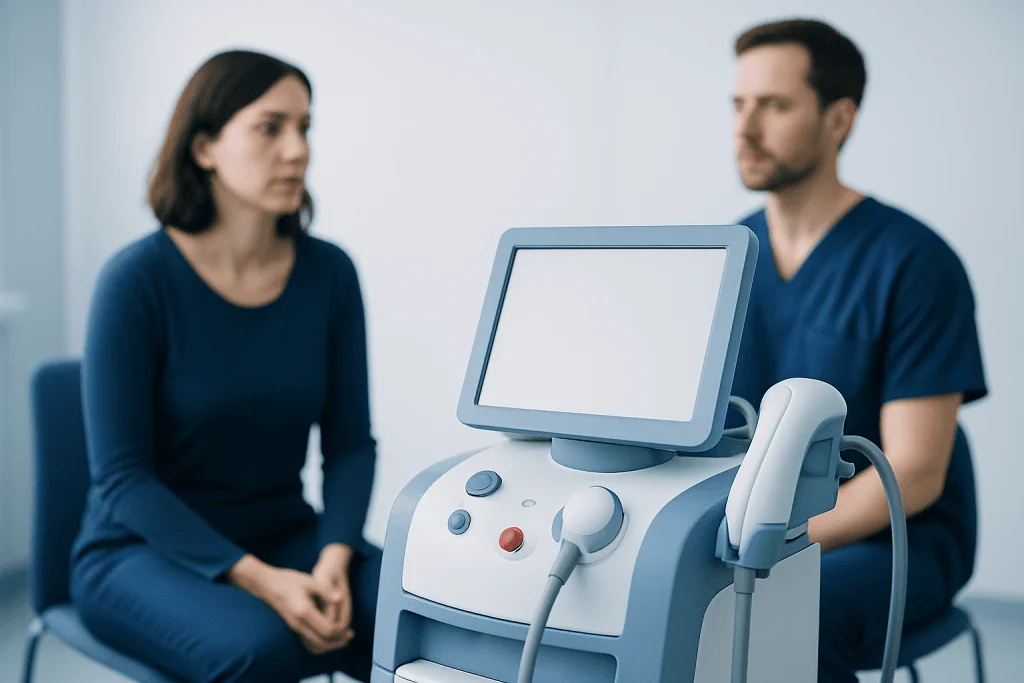
Exposure therapy is a treatment, not a disease, but it is used because certain symptoms tend to cluster around fear and avoidance. A person may know that a trigger is not objectively dangerous, yet still feel overwhelmed by anxiety, panic, disgust, shame, or a strong urge to escape. These reactions can happen before, during, or even while thinking about the feared situation.
Common symptoms that may lead a clinician to consider exposure-based care include:
- Intense fear of specific objects, places, animals, heights, flying, needles, or medical procedures
- Persistent avoidance of situations that feel embarrassing, unsafe, or hard to control
- Panic symptoms such as racing heart, shortness of breath, dizziness, or trembling
- Repetitive rituals or checking behaviors linked to intrusive thoughts, as seen in obsessive-compulsive disorder
- Distress tied to trauma reminders, nightmares, or hypervigilance, as in post-traumatic stress disorder
Avoidance often brings short-term relief, but it can keep fear active over time. For example, if someone never enters a feared situation, they may not get the chance to discover that anxiety can rise, peak, and gradually settle. This cycle is one reason exposure therapy can be helpful: it targets avoidance directly and teaches new coping patterns through experience.
Why exposure therapy is used and who may benefit

Exposure therapy is considered when fear is interfering with everyday life, relationships, work, school, sleep, or medical care. It may benefit children, adolescents, and adults, depending on the problem being treated and the person’s readiness. The approach is tailored to the individual’s age, symptoms, background, and goals.
Clinicians may recommend exposure therapy for several mental health conditions. These include specific phobias, panic disorder with or without agoraphobia, social anxiety disorder, OCD, illness anxiety, and PTSD. It can also be adapted for related concerns, such as severe health-related fears, fear of vomiting, fear of contamination, or avoidance that develops after a distressing event.
Not every person or every symptom pattern is approached in the same way. Some people benefit from direct real-life practice, while others start with imaginal exercises, interoceptive exposure to feared body sensations, or virtual and visual methods. A therapist considers safety, coexisting conditions, trauma history, motivation, and whether other treatments such as psychiatric care may be needed as part of a comprehensive plan.
How exposure therapy works in practice
The core idea behind exposure therapy is repeated contact with a feared trigger in a safe therapeutic framework. As this happens, the person has an opportunity to notice that anxiety, though uncomfortable, is tolerable and temporary. Over time, the anticipated catastrophe often becomes less convincing, and the need to avoid may decrease.
Therapists often begin by creating an exposure hierarchy. This is a list of triggers ranked from least distressing to most distressing. The person practices easier steps first and gradually moves upward as confidence grows. The process is collaborative, and the pace is adjusted to avoid overwhelming the person while still making meaningful progress.
Exposure therapy can take several forms:
- In vivo exposure: facing feared situations in real life, such as using an elevator or touching a feared object
- Imaginal exposure: describing or revisiting feared memories or scenarios in detail when real-life exposure is not possible or appropriate
- Interoceptive exposure: safely bringing on feared physical sensations, such as dizziness or a racing heart, to reduce fear of panic symptoms
- Response prevention: resisting rituals or safety behaviors, especially in OCD, so that anxiety can decrease without compulsions
Sessions may include psychoeducation, goal-setting, tracking distress levels, and homework practice between appointments. Breathing or grounding skills may be taught, but the focus is usually on learning through experience rather than trying to eliminate every anxious sensation immediately.
Assessment and diagnosis before treatment
Before starting exposure therapy, a qualified mental health professional completes an assessment. This helps identify the main condition, the triggers involved, the severity of symptoms, and any factors that could affect treatment planning. Assessment may include a clinical interview, symptom questionnaires, and a discussion of medical, psychological, and social history.
Accurate diagnosis matters because exposure therapy is used differently across disorders. A person with panic disorder may need interoceptive exercises, while someone with a dog phobia may benefit from graded real-life exposure. A person with trauma-related symptoms may need careful pacing and trauma-focused planning, especially if dissociation, depression, substance use, or self-harm risk is present.
Sometimes a doctor also evaluates physical symptoms that could have medical causes, such as palpitations, dizziness, chest discomfort, or sleep disturbance. This is particularly important if symptoms are new, severe, or unclear. When needed, treatment may involve coordination among psychology, psychiatry, and other specialties to provide safe, well-rounded care.
Treatment options and what results to expect
Exposure therapy is often one part of a broader treatment plan. Many people receive it within cognitive behavioral therapy, where exposure exercises are paired with education about anxiety, unhelpful thinking patterns, and practical coping strategies. Depending on the condition, clinicians may also consider medication, especially when symptoms are severe or interfere with the ability to engage in therapy.
Progress is usually gradual rather than immediate. Early sessions may feel challenging because they ask the person to approach situations they have long avoided. However, with repetition, many people notice that anxiety becomes less intense, recovery from distress becomes quicker, and daily functioning improves. Success does not always mean the complete absence of fear; it often means feeling able to live well without being controlled by fear.
Treatment plans are individualized. For some, a brief course is enough for a specific phobia. Others with more complex or long-standing symptoms may need longer treatment and continued follow-up. If symptoms are linked to broader mental health concerns, support from clinical psychology services or a multidisciplinary team may help address sleep problems, mood symptoms, family stress, or relapse prevention.
Near the end of care, the focus often shifts toward maintaining gains. This may include reviewing triggers, planning for setbacks, and continuing occasional self-directed exposures. At Acibadem International, multidisciplinary specialists in JCI-accredited hospitals assess and treat anxiety-related conditions for international patients when more coordinated evaluation is needed.
Self-care, practical support, and common misconceptions
Self-care can support exposure therapy, but it does not replace professional guidance when symptoms are severe. Helpful habits may include regular sleep, consistent routines, reduced avoidance of everyday tasks, and gradual practice with agreed exposure steps between sessions. Family members can often help by encouraging steady progress without taking over feared tasks or reinforcing rituals.
A common misconception is that exposure therapy means being thrown into the worst fear all at once. In reality, treatment is usually gradual, collaborative, and paced to the person’s abilities. Another misunderstanding is that therapy only works if anxiety disappears during the session. More often, the goal is to learn that anxiety can be tolerated and does not have to control behavior.
It is also important to distinguish healthy caution from excessive avoidance. For example, realistic safety steps are appropriate in truly dangerous situations, while treatment targets fears that are disproportionate, persistent, or disruptive. People should not attempt complex trauma-focused exposure on their own, as this is best guided by an experienced clinician.
When to seek medical care
A person should consider professional help if fear or avoidance is limiting work, school, travel, relationships, sleep, or access to necessary medical or dental care. Support is also important if symptoms are getting worse, if panic attacks are frequent, or if rituals and checking are taking up large parts of the day.
Urgent medical or mental health assessment is needed if anxiety is accompanied by thoughts of self-harm, severe depression, substance misuse, extreme agitation, or inability to function safely. New chest pain, fainting, severe shortness of breath, or other sudden physical symptoms should also be evaluated promptly, because not all symptoms that occur during anxiety are caused by anxiety alone.
Seeing a doctor or mental health professional does not mean treatment must begin immediately. Assessment can clarify what is happening, rule out other causes, and help the person understand whether exposure therapy, another form of therapy, medication, or a combined approach would be the most appropriate next step.
Frequently asked questions
Is exposure therapy effective?
Exposure therapy is widely used and supported for several anxiety-related conditions, especially phobias, OCD, panic disorder, and PTSD. Its effectiveness often depends on the diagnosis, the quality of the treatment plan, and whether the person can practice regularly with professional guidance.
Does exposure therapy make anxiety worse before it gets better?
Anxiety can rise during exposure exercises because the person is facing something they usually avoid. This increase is expected and is one reason treatment is done gradually. Over time, repeated practice often helps the fear response become less intense and less disruptive.
How long does exposure therapy take?
There is no single timeline. Some people with a specific phobia improve in a relatively short course, while others with more complex symptoms need longer treatment. The duration depends on the condition, symptom severity, coexisting issues, and how often skills are practiced.
Can exposure therapy be done without medication?
Yes, many people receive exposure therapy without medication. For some conditions, therapy alone may be appropriate, while others benefit from a combination of psychotherapy and medication. A qualified clinician can help decide which approach best fits the person's needs.
Is exposure therapy the same as facing fears alone?
No. Exposure therapy is a structured clinical method that involves assessment, planning, pacing, and follow-up. It is different from simply forcing oneself into distress without preparation, which may feel overwhelming and be less helpful.
Who should provide exposure therapy?
Exposure therapy should ideally be delivered by a licensed mental health professional trained in evidence-based anxiety treatment. This may include psychologists, psychiatrists, or therapists with experience in cognitive behavioral therapy and related methods.
References
- National Institute of Mental Health
- American Psychiatric Association
- National Institute for Health and Care Excellence
- Substance Abuse and Mental Health Services Administration
- World Health Organization
This article is for general information only and is not a substitute for professional medical advice. Please consult a qualified doctor about your individual situation.
Explore treatments in Turkey — costs, top hospitals & a free quote
JCI-accredited · board-certified surgeons · reply within 24h
Add us as a Preferred Source to see more of our trusted health content across Google Search, AI Overviews and Discover.

More from the Health Library



Related Specialists

Asst. Prof. Dr. Ceren Meriç Özgündüz
Psychiatry
Prof. Dr. Bünyamin Kaplan
Radiation Oncology
Dr. Eylül Türsen
Oral & Dental Health
Assoc. Prof. Dr. Semra Akkaya Turhan
Ophthalmology