Eye Doctor Name — Explained by Medical Evidence, Not Myths

“Eye doctor” is a general term that may refer to an ophthalmologist, optometrist, or optician. Ophthalmologists are medical doctors who diagnose eye disease, prescribe treatment, and perform eye surgery.
Key Takeaways
- “Eye doctor” is a general term that may refer to an ophthalmologist, optometrist, or optician.
- Ophthalmologists are medical doctors who diagnose eye disease, prescribe treatment, and perform eye surgery.
- Optometrists provide vision exams, prescribe glasses or contact lenses, and manage many common eye conditions.
- Opticians fit and dispense glasses and contact lenses based on a prescription but do not diagnose eye disease.
- Urgent symptoms such as sudden vision loss, eye pain, flashes, or trauma need prompt medical assessment.
The eye doctor name a person needs depends on the type of care required. In most cases, the main eye care professionals are ophthalmologists, optometrists, and opticians, and each one has a different level of training and scope of practice.
Overview: What Is the Correct Eye Doctor Name?
The phrase eye doctor name is often used when someone wants to know which specialist cares for the eyes. The short answer is that there is not just one correct name. The three most common eye care professionals are ophthalmologists, optometrists, and opticians, and each has a different role.
An ophthalmologist is a medical doctor who specializes in eye diseases, medical treatment, and eye surgery. An optometrist examines vision, prescribes glasses or contact lenses, and manages many common eye conditions. An optician helps fit and supply eyewear based on a prescription written by an ophthalmologist or optometrist.
This distinction matters because the right professional depends on the problem. Someone needing a routine vision check may start with an optometrist, while a person with cataracts, glaucoma, eye injury, or sudden vision changes may need an ophthalmologist. Understanding these titles can help patients seek timely and appropriate care without confusion.
The Main Types of Eye Care Professionals
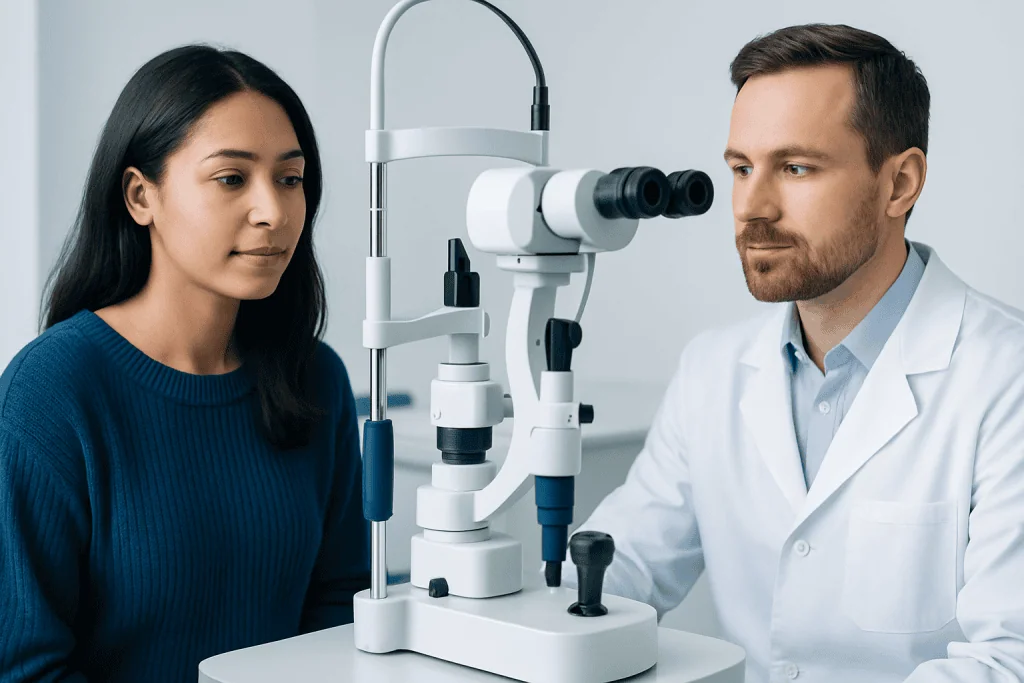
Ophthalmologist: An ophthalmologist is a physician trained in medicine and surgery of the eyes. This specialist can diagnose eye diseases, prescribe medicines, perform laser procedures, and carry out operations such as cataract surgery when needed. Ophthalmologists may also subspecialize in areas such as retina, cornea, pediatric ophthalmology, glaucoma, or neuro-ophthalmology.
Optometrist: An optometrist is a primary eye care professional focused on vision and many non-surgical eye conditions. Optometrists perform eye exams, assess refractive errors such as nearsightedness and farsightedness, prescribe glasses or contact lenses, and often identify common problems like dry eye or early diabetic eye changes. In some healthcare systems, their prescribing and treatment roles vary by local regulation.
Optician: An optician is trained to prepare, fit, and adjust eyeglasses and contact lenses based on a valid prescription. Opticians help patients choose frames and lens types, but they do not diagnose eye disease or perform full medical eye examinations.
Other related specialists may also be involved. Orthoptists can assess eye movement and binocular vision problems, while ocularists create custom artificial eyes. In complex cases, patients may also be referred to specialists for retina treatment or advanced imaging and monitoring.
How to Know Which Eye Doctor to See
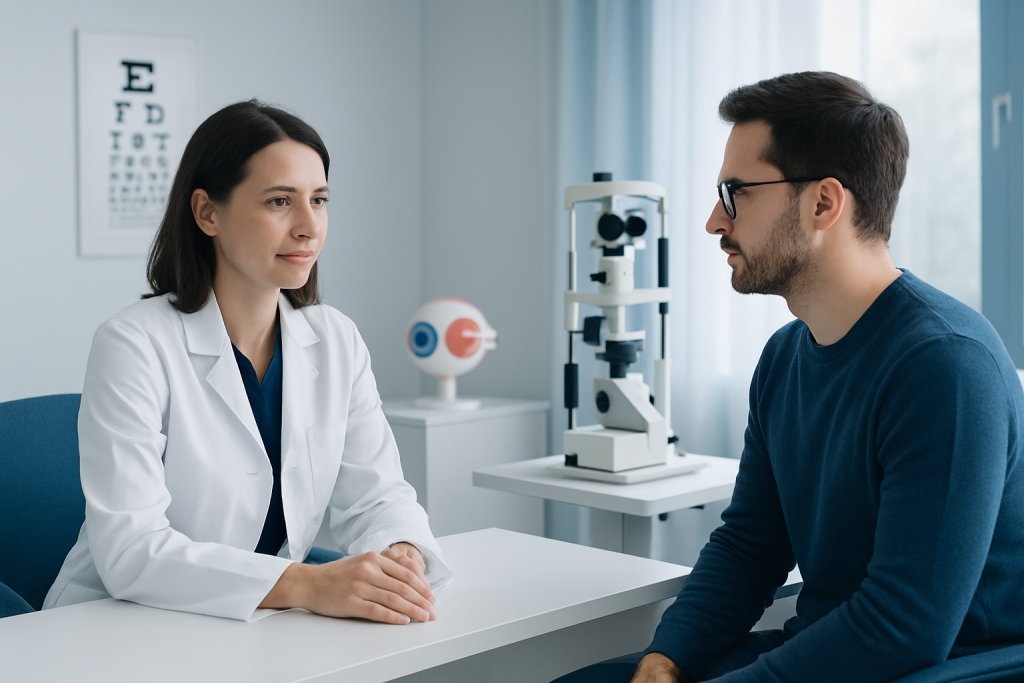
The choice depends on symptoms, age, medical history, and the type of care needed. For routine vision correction, contact lens prescriptions, and general eye checks, an optometrist is often a practical first point of contact. If a medical or surgical eye condition is suspected, referral to an ophthalmologist may follow.
An ophthalmologist is usually the right choice for persistent eye pain, eye injuries, serious infections, cataracts, glaucoma, retinal disorders, or significant vision loss. People with chronic diseases such as diabetes, autoimmune disorders, or high blood pressure may also need regular medical eye assessments because these conditions can affect the eyes over time.
Children, older adults, and people with a strong family history of eye disease may need tailored follow-up. For example, a child with crossing eyes, a senior with gradual cloudy vision, or an adult with high eye pressure each needs a different pathway. If the diagnosis is uncertain, starting with a qualified eye care professional and following referral advice is a sensible approach.
- See an optometrist for routine eye exams and vision prescriptions.
- See an ophthalmologist for disease, surgery, trauma, or urgent symptoms.
- See an optician for fitting glasses or contact lenses after receiving a prescription.
Common Eye Problems These Specialists Manage
Eye care professionals do more than prescribe glasses. They help detect and monitor conditions that may develop gradually and have few early symptoms. Examples include refractive errors, dry eye disease, allergic eye irritation, age-related cataracts, and pressure-related conditions such as glaucoma.
Ophthalmologists also diagnose diseases affecting different eye structures. Problems can involve the cornea, lens, retina, optic nerve, eyelids, or tear system. Retinal disease may require specialist evaluation if symptoms include distorted vision, missing areas in the visual field, or sudden floaters and flashes. In people with diabetes, regular retinal screening is important because diabetic retinopathy can progress before a person notices visual changes.
Some conditions are temporary and mild, while others can threaten sight if untreated. This is why a symptom-based approach can be misleading. Redness may be simple irritation, but it can also signal infection, inflammation, or increased eye pressure. A full eye examination helps identify the true cause and guides treatment safely.
How Eye Problems Are Diagnosed
An eye evaluation often begins with a discussion of symptoms, medical history, medicines, and family history. The clinician may ask about blurred vision, headaches, eye strain, dryness, double vision, light sensitivity, or trouble seeing at night. This context helps distinguish routine refractive issues from conditions needing medical treatment.
Testing commonly includes visual acuity measurement, refraction, eye pressure assessment, and examination of the front and back of the eye. Special lights and lenses allow the doctor to examine the cornea, lens, retina, and optic nerve. Depending on the situation, additional tests may include visual field testing, retinal photography, corneal topography, ultrasound, or optical coherence tomography.
If a structural abnormality is found, the next step may involve closer monitoring or targeted treatment. Cataracts, retinal tears, macular disease, and glaucoma are examples of conditions that often require detailed follow-up by an ophthalmologist. When surgery is considered, the eye team explains the diagnosis, expected benefits, possible risks, and alternatives so the patient can make an informed decision.
Treatment Options and Ongoing Eye Care
Treatment depends on the diagnosis. Some people only need glasses, contact lenses, lubricating eye drops, or lifestyle adjustments such as screen breaks and better lighting. Others may need prescription medicines for inflammation, infection, allergy, or pressure control.
When a condition affects the eye structures more seriously, laser or surgical treatment may be recommended. Cataracts can be treated with surgery when vision becomes meaningfully impaired. Certain retinal diseases may need injections, laser treatment, or vitreoretinal procedures. Corneal disorders, severe infections, or scarring may require advanced care including corneal transplant in selected patients.
Eye care is often ongoing rather than one-time. Follow-up is important for chronic disorders such as glaucoma, diabetic eye disease, and macular degeneration. Regular monitoring helps the team assess whether treatment is working and whether changes are needed over time. Near the end of the care pathway, patients seeking international support may wish to know that Acibadem International’s multidisciplinary specialists and JCI-accredited hospitals diagnose and treat a wide range of eye conditions for international patients.
Prevention, Self-Care, and Healthy Vision Habits
Not all eye disease can be prevented, but many healthy habits support long-term vision. Regular eye examinations are important even when sight seems normal, because some conditions develop silently. Wearing prescribed glasses, using contact lenses as directed, and attending follow-up appointments all help protect eye health.
Practical steps also matter in daily life. Sunglasses that block ultraviolet light may help protect the eyes outdoors. People who work with tools, chemicals, or sports equipment should wear proper protective eyewear. Screen users can reduce strain by taking breaks, blinking more often, and adjusting lighting or text size for comfort.
General health and eye health are closely linked. Good control of diabetes, blood pressure, and cholesterol can reduce the risk of eye complications. Smoking cessation, a balanced diet, regular physical activity, and adequate sleep all support overall vascular and visual health. Self-care should not replace professional advice when symptoms are persistent or unusual.
When to Seek Medical Care
Prompt medical care is important if symptoms suggest an urgent eye problem. A person should seek timely assessment for sudden vision loss, severe eye pain, a curtain-like shadow in vision, new flashes and floaters, chemical exposure, or an eye injury. These symptoms may point to conditions that need rapid treatment to protect vision.
Medical review is also sensible for persistent redness, discharge, light sensitivity, double vision, worsening headaches with eye symptoms, or blurred vision that does not improve with blinking or rest. Children should be evaluated if they squint often, hold objects very close, have crossed eyes, or seem to struggle at school because of vision issues.
If there is any doubt about whom to see, starting with an eye care professional or general physician is reasonable. They can assess urgency and refer to an ophthalmologist when needed. Seeking advice early is usually the safest approach when eye symptoms are new, progressing, or difficult to explain.
Frequently asked questions
What is the proper eye doctor name?
The proper name depends on the professional’s training and role. The main eye care professionals are ophthalmologists, optometrists, and opticians. Many people use “eye doctor” as a general term, but it does not describe one single job.
Is an ophthalmologist the same as an optometrist?
No. An ophthalmologist is a medical doctor who can diagnose eye disease, prescribe treatment, and perform surgery. An optometrist provides eye exams, vision correction, and management of many common eye conditions, but does not usually perform eye surgery.
What does an optician do?
An optician fits and dispenses eyeglasses or contact lenses using a prescription from an ophthalmologist or optometrist. They can help with frame fit, lens options, and adjustments. They do not diagnose eye disease or carry out medical eye exams.
Who should someone see for blurry vision?
If blurry vision is mild and gradual, an optometrist or ophthalmologist can assess whether glasses or another cause is involved. If the blur is sudden, severe, or accompanied by pain, flashes, floaters, or vision loss, urgent medical evaluation is important. The safest choice depends on how quickly symptoms appeared and whether other warning signs are present.
Can an eye exam detect health problems beyond vision?
Yes. Eye exams can sometimes show signs of diabetes, high blood pressure, autoimmune disease, and neurological problems. This is one reason regular eye care is valuable even when a person does not think they need new glasses.
How often should adults have their eyes checked?
The best schedule varies with age, symptoms, medical history, and risk factors. People with diabetes, a family history of glaucoma, previous eye disease, or ongoing vision changes often need more frequent examinations. A qualified eye care professional can recommend a suitable follow-up plan.
This article is for general information only and is not a substitute for professional medical advice. Please consult a qualified doctor about your individual situation.
Explore treatments in Turkey — costs, top hospitals & a free quote
JCI-accredited · board-certified surgeons · reply within 24h
Add us as a Preferred Source to see more of our trusted health content across Google Search, AI Overviews and Discover.
Check your numbers in seconds
BMI, calories, due date, blood pressure and 30+ more clinical calculators — free, instant, doctor-reviewed ranges.

More from the Health Library
Insulin Pen Needles: A Complete Medical Overview

Rice Method for Shin Splints: What Patients Need to Know

Scar Tissue — Explained by Medical Evidence, Not Myths

Blackhead Black: An Evidence-Based Guide for Patients

Encopresis: What Patients Need to Know