Eye Twitching Treatment Naturally: How It Works, Results and What to Expect

Brief, intermittent eyelid twitching is commonly caused by fatigue, stress, caffeine, eye strain or eye-surface irritation. Sleep, hydration, caffeine reduction, screen breaks and treatment for dry eye may help many people.
Key Takeaways
- Brief, intermittent eyelid twitching is commonly caused by fatigue, stress, caffeine, eye strain or eye-surface irritation.
- Sleep, hydration, caffeine reduction, screen breaks and treatment for dry eye may help many people.
- There is no proven pressure point that reliably stops an eyelid twitch, although gentle relaxation can feel soothing.
- A twitch lasting more than a few weeks, closing the eye, affecting other facial muscles or occurring with weakness needs medical evaluation.
- Persistent conditions such as blepharospasm or hemifacial spasm may require targeted medical treatment.
Eye twitching treatment naturally usually involves correcting common triggers such as tiredness, stress, caffeine use, dry eyes and prolonged screen time. Most eyelid twitches are harmless and temporary, but persistent or spreading facial spasms should be assessed by a qualified clinician.
Overview: Eye Twitching Treatment Naturally
Eye twitching treatment naturally usually means reducing the everyday factors that make an eyelid muscle fire involuntarily. For most people, a mild lower- or upper-eyelid flutter is called eyelid myokymia. It is common, generally harmless and often improves without a procedure or prescription treatment.
Helpful first steps include getting adequate sleep, cutting back on caffeine and nicotine, taking regular breaks from close work, managing stress and addressing dry or irritated eyes. These measures do not “switch off” the nerve immediately, but they can remove common triggers and allow the twitch to settle over days to weeks.
Not every facial or eyelid spasm is simple myokymia. Recurrent forceful blinking, spasms that close the eye, or twitching that pulls muscles on one side of the face can indicate a different condition. Blepharospasm and hemifacial spasm are examples that benefit from an eye and neurological assessment.
How Natural Measures Work
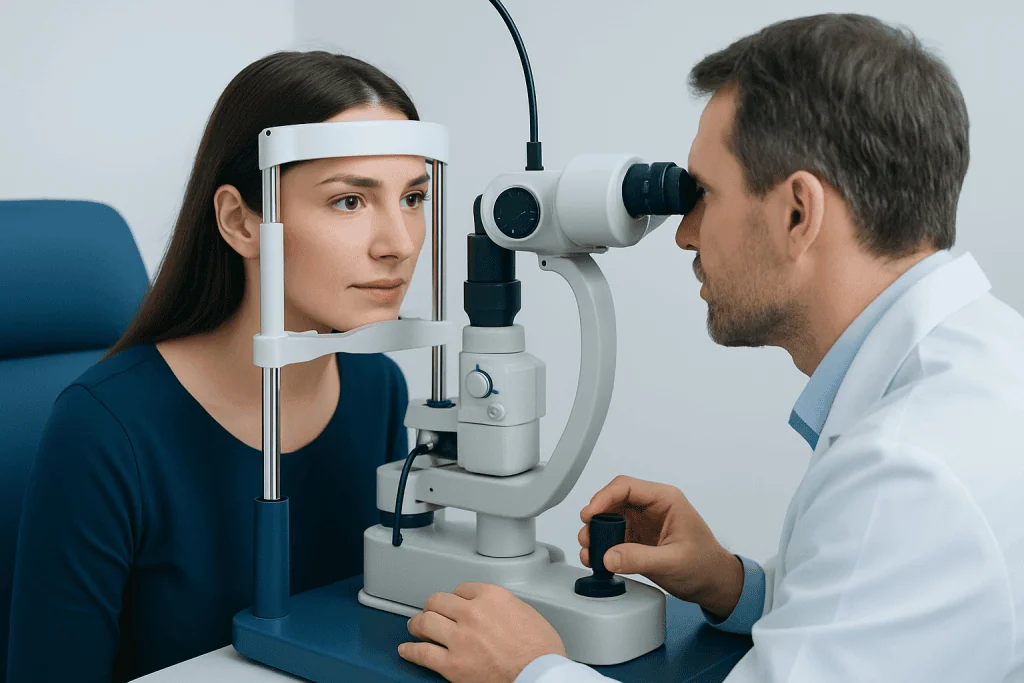
Eyelid movement depends on small muscles, nerves and a healthy eye surface. Lack of sleep, emotional strain, stimulant use and visual overwork may increase muscle excitability or make a person more aware of normal muscle activity. Dryness, allergies and irritation can also prompt frequent blinking and contribute to lid discomfort.
Natural approaches aim to lower these triggers. A consistent sleep schedule supports recovery from fatigue. Reducing coffee, energy drinks, strong tea and other sources of caffeine may lessen stimulation in people who notice a connection. Relaxation practices, such as slow breathing, a walk, stretching or mindfulness, can be useful when stress is a contributor.
For screen-related strain, the eyes benefit from deliberate blinking and regular distance breaks. A simple approach is to look away from close work periodically and focus on something farther away. If the eyes feel gritty, burning or watery, preservative-free lubricating eye drops may be appropriate for some people, but a pharmacist or eye-care professional can help select a suitable option.
- Prioritize regular, sufficient sleep.
- Reduce caffeine gradually if intake is high.
- Take visual breaks and blink fully during screen use.
- Use cool or warm compresses for comfort, depending on what feels best.
- Track possible triggers, including stress, alcohol, eye irritation and new medicines.
Who May Benefit and What to Expect Step by Step

Natural self-care is most suitable for a mild eyelid flutter that comes and goes, does not affect vision and is not accompanied by other neurological symptoms. It can be reasonable to try these steps when the twitch began during a period of poor sleep, increased stress, heavy screen use or increased caffeine consumption.
A practical plan begins with observing the pattern for several days. The person can note which eye is involved, how often the twitch occurs, whether it is related to fatigue or close work, and whether there is redness, dryness or discharge. This record can make it easier to identify triggers and is useful if medical advice is needed.
Next, a person can make one or two manageable changes rather than trying many remedies at once. For example, they may reduce caffeine, establish a more regular bedtime and schedule screen breaks. If symptoms improve, continuing these habits may help prevent recurrence. If symptoms do not improve, the next step is an eye examination rather than adding unproven supplements or remedies.
Natural measures are not a substitute for assessment when a twitch is forceful, persistent or accompanied by eye closure. In these situations, an ophthalmologist or neurologist can distinguish benign myokymia from conditions that need specific care.
How to Permanently Stop Eye Twitching?
There is no single way to permanently stop every type of eye twitching because the best approach depends on its cause. When the twitch is benign eyelid myokymia, it often stops once contributing factors such as sleep deprivation, stress, caffeine, dry eye or eye strain are addressed. Some people have occasional recurrences, especially during demanding periods.
If an underlying eye problem is identified, treating it may reduce the twitch. This could include managing dry eye, eyelid inflammation, allergy symptoms or a need for updated glasses. A clinician should also review medicines and supplements if the twitch began after a new product was started; people should not stop prescribed medicines without professional guidance.
For persistent involuntary eyelid closure or certain facial spasms, treatment may include targeted botulinum toxin injections. These temporarily relax overactive muscles and need to be repeated at intervals under specialist supervision. Botulinum toxin treatment may be considered after a clinician confirms the diagnosis and discusses expected benefits, limitations and side effects.
What Is Your Body Telling You When Your Eye Twitches?
Most of the time, an eye twitch is the body’s nonspecific response to a temporary stressor rather than a sign of a serious illness. It may be a reminder that the person is overtired, under stress, using more caffeine than usual, spending long periods focusing on screens or experiencing eye-surface irritation.
It is also important not to overinterpret the symptom. A twitch alone cannot reliably identify a vitamin deficiency, nerve disease or other medical condition. Although people may read about magnesium and other supplements online, supplements are not routinely needed for a typical brief eyelid twitch unless a healthcare professional has identified a deficiency or another indication.
The symptom becomes more informative when it has a clear pattern or occurs with other changes. Persistent redness, pain, vision change, drooping, facial weakness, numbness or spasms beyond the eyelid all warrant timely assessment. A detailed history and examination are more reliable than self-diagnosis.
How Long Does It Take to Get Rid of Eye Twitching?
Many mild eyelid twitches improve within a few days and settle within a few weeks, especially when common triggers are corrected. The precise timeline varies because fatigue, stress and eye irritation may take time to improve. A twitch can also fluctuate, seeming better one day and more noticeable the next.
It is reasonable to monitor a mild, occasional twitch while using practical self-care measures. If it continues beyond a few weeks, becomes more frequent or more forceful, or interferes with daily activities, an appointment with an eye-care professional is appropriate. Earlier review is needed if the eyelid fully closes involuntarily or other facial muscles start twitching.
During an assessment, a clinician may examine the eye surface, eyelids, vision and facial muscle movements. Depending on the findings, they may recommend lubricating treatment, address inflammation or refer to a neurologist. The goal is to identify whether this is uncomplicated myokymia or a condition requiring more focused care.
Is There a Pressure Point to Stop Eye Twitching?
There is no scientifically established pressure point that reliably stops eyelid twitching. Pressing firmly around or on the eye is not recommended because the eye and surrounding tissues are delicate. Rubbing can worsen irritation, particularly when allergies, dry eye or contact lenses are involved.
Some people find that gentle relaxation around the brow, jaw, temples and shoulders makes them feel more comfortable. A clean warm or cool compress placed over closed eyes for a short period may also be soothing. These approaches can support relaxation, but they should not be viewed as a cure or a replacement for medical assessment when symptoms persist.
If a person uses a facial massage technique, it should be light, should avoid direct pressure on the eyeball and should stop if it causes pain, dizziness, visual symptoms or worsening twitching. Good sleep, trigger reduction and eye-surface care have stronger practical value than pressure-point claims.
When to Seek Medical Care
A person should arrange medical care if eye twitching lasts longer than a few weeks, repeatedly closes the eye, affects vision, interferes with driving or work, or spreads to other parts of the face. An eye-care specialist can assess for dry eye, eyelid disorders and other causes, while a neurologist may be involved when facial spasms or neurological symptoms are present.
Urgent medical attention is appropriate for sudden facial weakness, trouble speaking, new weakness or numbness in an arm or leg, severe headache, confusion, double vision, significant eye pain, injury or sudden loss of vision. These symptoms are not typical of simple eyelid myokymia and should not be managed with home remedies alone.
Acibadem International’s multidisciplinary specialists and JCI-accredited hospitals can assess persistent eye or facial spasms and coordinate ophthalmology and neurology care for international patients. A clinician can explain whether observation, eye-surface treatment, neurological evaluation or a targeted procedure is appropriate.
Frequently asked questions
Can lack of sleep cause eye twitching?
Yes. Tiredness is a common trigger for temporary eyelid myokymia. Improving sleep regularity and duration often helps the twitch become less frequent or resolve.
Can caffeine make an eye twitch worse?
Caffeine can contribute to eyelid twitching in some people, particularly when intake is high or combined with poor sleep and stress. Gradually reducing caffeine and observing symptoms can help determine whether it is a personal trigger.
Should a person take magnesium for an eye twitch?
Magnesium is not routinely recommended for a typical eyelid twitch unless a clinician finds a deficiency or another medical reason to use it. Taking supplements without advice may cause side effects or interact with medicines.
Can dry eyes cause eyelid twitching?
Dryness or irritation can make the eyes uncomfortable and may contribute to frequent blinking or twitching. An eye examination can identify dry eye and other surface conditions, and a clinician may suggest appropriate lubricating treatment.
Is eye twitching a sign of a stroke?
An isolated, mild eyelid twitch is usually not a sign of stroke. However, sudden facial drooping, speech difficulty, weakness, numbness, severe dizziness or new vision changes require emergency medical evaluation.
When is eyelid twitching more likely to need treatment?
Evaluation is important when twitching lasts more than a few weeks, causes the eyelid to close, affects vision or spreads to other facial muscles. These features may suggest a condition other than ordinary temporary eyelid myokymia.
References
- American Academy of Ophthalmology
- National Eye Institute
- Mayo Clinic
- Merck Manual Consumer Version
This article is for general information only and is not a substitute for professional medical advice. Please consult a qualified doctor about your individual situation.
Explore treatments in Turkey — costs, top hospitals & a free quote
JCI-accredited · board-certified surgeons · reply within 24h
Add us as a Preferred Source to see more of our trusted health content across Google Search, AI Overviews and Discover.