Facial Rejuvenation Therapy: Options, Downtime, and Realistic Results

Facial rejuvenation therapy can address skin texture, wrinkles, volume loss, laxity, and uneven tone. Treatment plans are often personalized and may combine injectables, laser treatments, skin resurfacing, or surgery.
Key Takeaways
- Facial rejuvenation therapy can address skin texture, wrinkles, volume loss, laxity, and uneven tone.
- Treatment plans are often personalized and may combine injectables, laser treatments, skin resurfacing, or surgery.
- Downtime varies widely, from little or none after some office-based procedures to several weeks after surgery.
- Realistic results depend on skin quality, age-related changes, lifestyle factors, and the type of procedure chosen.
- A qualified specialist can help match goals, anatomy, and recovery preferences to the safest option.
Facial rejuvenation therapy refers to a range of treatments designed to refresh the face by improving skin quality, restoring volume, softening lines, and refining contours. Options range from minimally invasive procedures with little downtime to surgery with longer recovery and more dramatic, longer-lasting changes.
Overview of facial rejuvenation therapy
Facial rejuvenation therapy is a broad term for treatments that aim to create a fresher, more rested appearance. Rather than changing who a person is, these procedures are usually designed to soften visible signs of aging, sun exposure, stress, or volume loss. Common goals include improving fine lines, wrinkles, skin tone, facial fullness, jawline definition, and overall skin texture.
There is no single approach that suits everyone. Some people benefit from non-surgical treatments such as injectables, chemical peels, or energy-based procedures. Others may be better candidates for surgery when skin laxity or deeper structural changes are more advanced. A personalized plan is important because facial aging happens at different rates and in different patterns.
Facial rejuvenation can target several layers at once. Skin treatments may improve surface quality and pigmentation, injectable treatments can restore lost volume or relax expression lines, and surgical procedures can reposition tissues and reduce excess skin. In many cases, the most natural-looking outcome comes from combining methods thoughtfully rather than relying on one treatment alone.
What concerns can facial rejuvenation address?
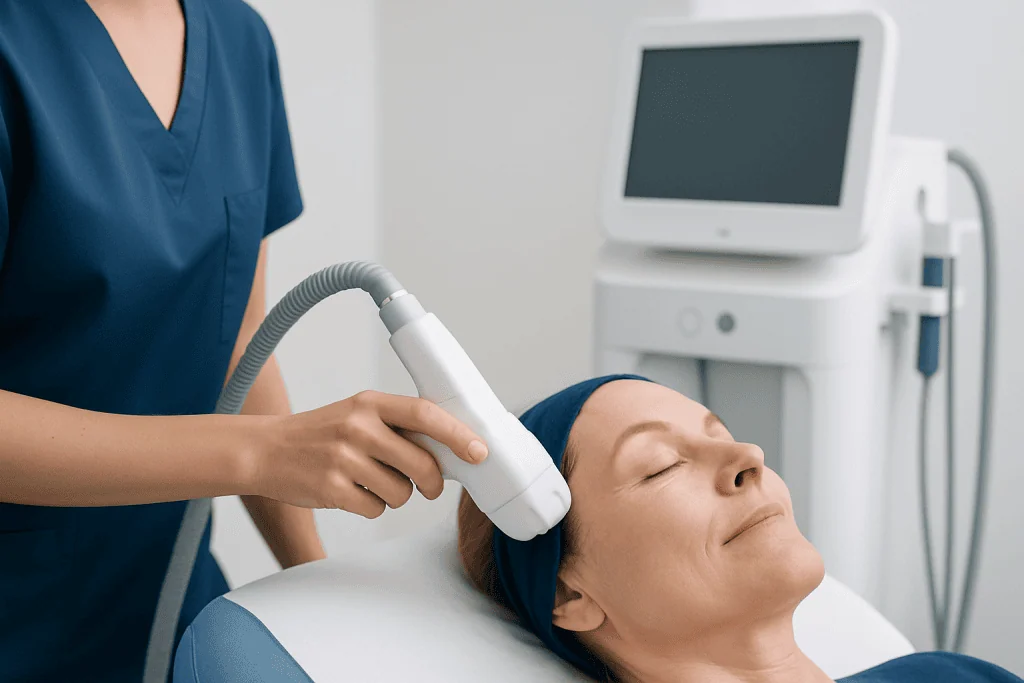
Facial rejuvenation therapy may help with a wide range of aesthetic concerns. These often include fine lines around the eyes and mouth, forehead creases, sun damage, uneven skin tone, acne scarring, age spots, skin laxity, hollow cheeks, under-eye changes, and loss of definition along the jawline or neck.
It is helpful to understand that different concerns respond to different treatments. For example, dynamic wrinkles caused by repeated muscle movement may respond best to wrinkle-relaxing injections, while volume loss is more often treated with fillers or fat transfer. Textural concerns such as roughness or discoloration may improve with resurfacing methods like peels, microneedling, or laser treatments.
People often seek treatment because they want to look less tired or because they notice that skincare products alone are no longer enough. A consultation usually focuses on the person’s priorities, timeline, budget, and comfort with recovery. Clear communication is essential, especially when discussing what is realistically achievable and what a treatment cannot change.
- Fine lines and wrinkles
- Loss of facial volume
- Sagging skin of the cheeks, jawline, or neck
- Uneven tone, pigmentation, or sun damage
- Enlarged pores, rough texture, or scars
Main treatment options

Non-surgical options are often the first step for mild to moderate concerns. These may include neuromodulators to soften expression lines, dermal fillers to restore contour, chemical peels to improve skin tone, microneedling to stimulate collagen, and laser or radiofrequency treatments to tighten skin or resurface the complexion. These approaches usually involve less recovery time and can be repeated over time.
Minimally invasive procedures may also include thread lifts or combinations of injectable and energy-based treatments. These methods can offer subtle improvement, but results are typically less dramatic than surgery. They may be especially suitable for people who want gradual change or are not ready for an operation.
Surgical facial rejuvenation is generally considered when there is more significant skin laxity or deeper tissue descent. Procedures may include facelift surgery for the lower face and jawline, eyelid surgery for tired-looking eyes, brow lift surgery, or neck lift techniques. In selected cases, rhinoplasty may be part of broader facial harmony planning, although it is not strictly an anti-aging procedure.
Some people also benefit from procedures that improve fat distribution or contour. For example, fullness under the chin may be treated in carefully selected patients with liposuction as part of facial contouring. The best plan depends on the underlying cause of the concern, since skin laxity, volume loss, muscle movement, and bone structure each need a different strategy.
Downtime and recovery: what to expect
Downtime after facial rejuvenation therapy depends on the treatment chosen. Many non-surgical procedures allow a person to return to routine activities quickly, sometimes the same day or within a few days. Mild redness, swelling, tenderness, or bruising may occur, especially after injectables, microneedling, or resurfacing procedures.
Procedures that affect the surface of the skin more deeply, such as medium-depth peels or certain lasers, may require several days to a couple of weeks for visible healing. During that time, the skin may look pink, flaky, or sensitive. Sun protection and gentle skincare are especially important while the skin barrier recovers.
Surgical recovery is more involved. Swelling, bruising, temporary tightness, and activity restrictions are common after a facelift, neck lift, or eyelid surgery. Initial recovery often takes a few weeks, while subtle swelling may continue to improve over a longer period. The surgeon will usually provide individualized guidance about wound care, sleep position, exercise, and return to work.
It is useful to distinguish between social downtime and medical recovery. A person may feel physically well before bruising or swelling has fully settled. Planning ahead is important if there is a major event, work commitment, or travel schedule, because the final refined result may take time to appear.
Realistic results and how long they last
Realistic expectations are one of the most important parts of facial rejuvenation therapy. Good treatment can make the face look smoother, brighter, more rested, or better balanced, but it does not stop the natural aging process. Results vary with age, skin quality, genetics, sun exposure, smoking history, and overall health.
Non-surgical results are often noticeable but temporary. Depending on the treatment, benefits may last months or sometimes longer, and maintenance sessions are usually needed. Surgical results tend to last longer because they reposition tissue and remove excess skin, but they also do not make a person permanently immune to future aging changes.
The most natural-looking outcomes usually preserve facial expression and individuality. Overcorrection can create an artificial appearance, so experienced specialists generally aim for balance rather than excess. Before-and-after discussions should focus on likely improvement, not perfection, and should include the possibility that multiple sessions or combined treatments may be needed.
People with conditions affecting the skin may need special assessment before treatment. For example, active acne, rosacea, eczema, or certain pigment disorders can influence the choice of therapy and recovery planning. In some cases, related skin issues such as skin cancer concerns or suspicious lesions should be evaluated before any cosmetic procedure is considered.
Who is a good candidate and how doctors decide
A good candidate for facial rejuvenation therapy is usually someone in generally stable health who has clear goals and realistic expectations. The best treatment choice depends not only on appearance but also on skin type, degree of laxity, facial anatomy, medical history, medication use, and tolerance for downtime. A specialist will also ask about smoking, previous procedures, and any history of abnormal scarring.
Consultation typically includes an examination of skin quality, facial proportions, movement patterns, and areas of volume loss or sagging. Photographs may be used to help with planning and to document change over time. In some cases, what seems like one issue may actually reflect several processes, such as volume loss plus skin looseness plus sun damage.
Safety is a central part of decision-making. Certain treatments may need to be postponed or modified for pregnancy, recent isotretinoin use, active infection, autoimmune conditions affecting healing, or use of blood-thinning medication. People who are prone to cold sores may need additional precautions before laser or resurfacing procedures around the mouth.
If surgery is being considered, the doctor may discuss whether a person is likely to benefit more from a limited procedure or a more comprehensive one. The goal is to choose the least invasive treatment that can still give a meaningful improvement, while avoiding unnecessary intervention.
Preparation, aftercare, and long-term skin maintenance
Preparation for facial rejuvenation often begins with healthy skin habits. Daily sunscreen, gentle cleansing, moisturization, and medical-grade skincare when appropriate can improve the skin’s condition before treatment. A doctor may advise stopping certain products or medications temporarily before a procedure, depending on the treatment type and bleeding risk.
Aftercare matters because it supports healing and helps protect results. People are usually advised to avoid excessive sun, follow wound or skin care instructions carefully, and return for review appointments. For injectables and many office procedures, temporary swelling or bruising is normal, but severe pain, increasing redness, or signs of infection should always be reported promptly.
Long-term maintenance often includes both lifestyle measures and periodic touch-up treatments. Helpful habits may include sun protection, not smoking, limiting excess alcohol, managing stress, getting adequate sleep, and maintaining stable weight. Since facial aging is continuous, a maintenance plan can help preserve results in a gradual and natural way.
For people seeking coordinated care, Acibadem International’s multidisciplinary specialists and JCI-accredited hospitals evaluate facial rejuvenation options for international patients, including surgical and non-surgical planning when appropriate. In some cases, related contouring procedures such as eyelid surgery may be discussed as part of a broader treatment plan.
When to seek medical advice
Anyone considering facial rejuvenation therapy should seek advice from a qualified dermatologist, plastic surgeon, or other appropriately trained medical professional. This is especially important when deciding between temporary office-based treatments and surgery, or when there is a history of skin sensitivity, scarring, pigment changes, or chronic medical conditions.
Medical advice is also important if a person has unexpected symptoms after a procedure, such as severe swelling, worsening pain, fever, pus, visual symptoms, breathing difficulty, or skin color changes that do not improve. Early assessment can help address complications promptly and safely.
It is wise to seek evaluation if a person notices a new or changing facial lesion, persistent rash, non-healing sore, or unexplained lump before undergoing cosmetic treatment. Aesthetic procedures should never replace appropriate medical investigation when a skin or structural problem may be present.
Frequently asked questions
What is facial rejuvenation therapy?
Facial rejuvenation therapy is a general term for treatments that improve the appearance of the face by addressing wrinkles, volume loss, skin laxity, texture, and uneven tone. It may include non-surgical procedures, surgery, or a combination of both.
How long is the downtime after facial rejuvenation?
Downtime depends on the treatment. Some non-surgical procedures have little or no recovery time, while deeper resurfacing treatments may need several days to weeks, and surgery often requires a few weeks of visible recovery.
Are facial rejuvenation results permanent?
Most facial rejuvenation results are not permanent because the skin and deeper tissues continue to age over time. Non-surgical treatments usually need maintenance, while surgical results often last longer but still change gradually with aging.
What is the best age to start facial rejuvenation therapy?
There is no single best age because the right time depends on a person’s concerns, skin quality, and goals. Some people start with preventive or early maintenance treatments, while others seek care later for more noticeable changes.
Can facial rejuvenation look natural?
Yes, natural-looking results are a common goal when treatment is carefully planned and performed by an experienced professional. The best outcomes usually enhance freshness and balance without making facial expressions look stiff or overdone.
Is surgery better than non-surgical facial rejuvenation?
Not necessarily. Non-surgical treatments can be very helpful for early or moderate concerns, while surgery may be more effective for significant skin laxity or deeper structural aging. The better option depends on the concern being treated and the amount of downtime a person can accept.
References
- American Society of Plastic Surgeons
- American Academy of Dermatology
- National Health Service
- International Society of Aesthetic Plastic Surgery
This article is for general information only and is not a substitute for professional medical advice. Please consult a qualified doctor about your individual situation.
Facial Rejuvenation in Turkey — costs, top hospitals & a free quote
JCI-accredited · board-certified surgeons · reply within 24h
Add us as a Preferred Source to see more of our trusted health content across Google Search, AI Overviews and Discover.

More from the Health Library


Related Specialists

Assoc. Prof. Dr. Şule Göncü Ayhan
Gynecology & Obstetrics
Erdem Terzi
Physical Medicine & Rehabilitation
Dr. Suat Boyacı
Neurosurgery
Assoc. Prof. Dr. Kemal Öncü
Gastroenterology