Facial Treatment Before an Event: Which Procedures Have Minimal Downtime?

Low-downtime facial procedures can improve glow, texture, and mild signs of aging before an important event. The ideal treatment depends on how many days or weeks remain before the event.
Key Takeaways
- Low-downtime facial procedures can improve glow, texture, and mild signs of aging before an important event.
- The ideal treatment depends on how many days or weeks remain before the event.
- Some procedures can cause temporary redness, swelling, or peeling even when downtime is considered minimal.
- Stronger treatments should usually be avoided too close to a wedding, photoshoot, or formal gathering.
- A qualified dermatologist or aesthetic physician can help choose the safest pre-event plan.
A facial treatment before an event is often best when it offers visible refreshment with little interruption to daily life. The most suitable option depends on timing, skin type, concerns, and how much recovery a person can comfortably allow.
Overview: Choosing a Facial Treatment Before an Event
Planning a facial treatment before an event usually involves balancing two goals: looking refreshed and avoiding visible recovery. Many people want brighter skin, smoother texture, less puffiness, or softer fine lines before occasions such as weddings, business events, reunions, or holiday celebrations. In these situations, treatments with minimal downtime are often preferred because they allow a quicker return to work, social activities, and makeup use.
Minimal downtime does not mean no reaction at all. Even gentle procedures can lead to short-lived redness, sensitivity, mild swelling, or dryness. For this reason, timing matters as much as treatment choice. A procedure that is considered low-downtime may still be a poor choice if it is done too close to the event or if the person has very reactive skin.
In general, the safest approach is to start with realistic goals and enough lead time. A clinician may suggest skin-brightening facials, light chemical peels, gentle laser or energy-based treatments, neuromodulator injections, or carefully selected fillers depending on the concern. More intensive resurfacing is usually reserved for a longer preparation timeline.
Which Procedures Usually Have Minimal Downtime?
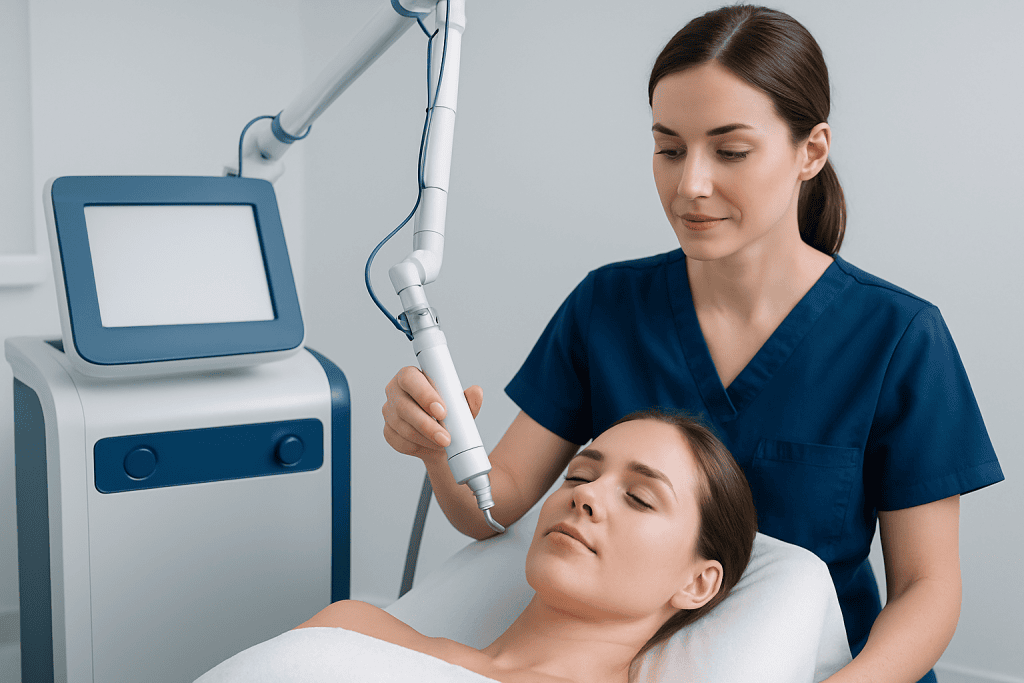
Several facial procedures are commonly chosen when the aim is visible improvement with limited recovery. Hydrating and medical-grade facials can support skin radiance and comfort, especially for dryness or dullness. Light chemical peels may help with uneven tone and mild roughness. Some people also benefit from noninvasive options that stimulate the skin more gently than deeper resurfacing methods.
Injectable treatments can also fit a pre-event plan when used appropriately. Botox treatment is often considered for expression lines, such as forehead lines or crow’s feet, because it usually involves little interruption to daily routine. Dermal fillers may be used for selected concerns such as volume loss or contour support, although bruising and swelling remain possible and should be factored into timing.
Other options may include light resurfacing or texture-focused treatments such as gentle chemical peel approaches and carefully chosen laser treatment sessions with short recovery expectations. The most suitable procedures often include:
- Hydrating or brightening medical facials
- Light superficial chemical peels
- Neuromodulator injections for dynamic wrinkles
- Selected dermal filler treatments with adequate planning time
- Low-intensity laser or light-based procedures
- Microneedling in selected cases, when scheduled early enough
Each of these options has different strengths. Some improve glow quickly, while others target movement-related wrinkles, enlarged pores, or mild laxity. A clinician helps match the treatment to the person rather than choosing based on trend alone.
Best Timing: How Far in Advance Should Treatment Be Done?
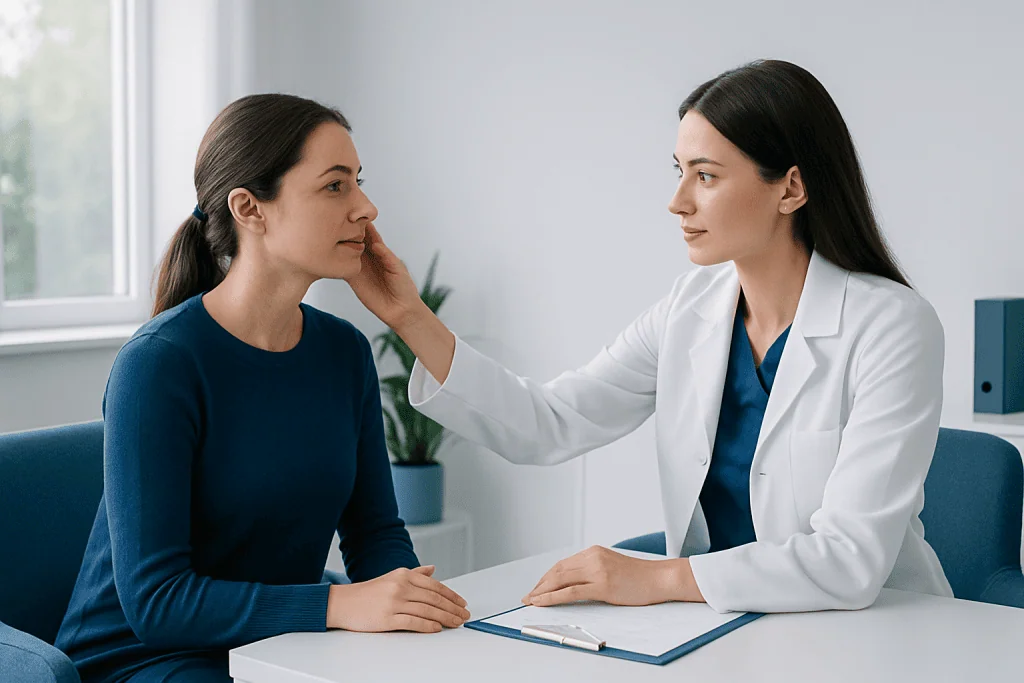
Timing is one of the most important parts of pre-event planning. If an event is only a few days away, the safest choices are usually the gentlest ones, such as a soothing facial, hydration-focused skincare, or a treatment the person has already tolerated well in the past. Trying a new procedure at the last minute is generally not ideal because even mild reactions can be unpredictable.
When there are one to two weeks before the event, more options may be available. Light peels, certain injectables, and some low-downtime energy-based treatments may be considered, depending on the individual’s skin type and previous treatment history. This window often allows time for mild redness or swelling to settle and for the final cosmetic effect to become more visible.
If several weeks or months remain, planning can be more strategic. A doctor may recommend a staged approach that combines skincare with one or more office procedures. This may produce a more natural, polished result than a single last-minute treatment. People with concerns such as acne marks, pigmentation, or noticeable texture changes may especially benefit from starting earlier rather than seeking a rapid fix.
As a general principle, major treatments should not be scheduled immediately before important photographs or public appearances unless they have been specifically advised by an experienced clinician. A patch test, consultation, or trial treatment may be useful for those with sensitive skin or a history of reactions.
What Results and Side Effects Can Be Expected?
Low-downtime procedures can improve skin appearance, but results vary. Some treatments mainly create a fresh, hydrated glow. Others soften fine lines, improve skin texture, or reduce the tired appearance that can come from stress, dehydration, or volume loss. The effect may be subtle or more noticeable depending on the treatment type, skin condition, and whether repeated sessions are needed.
Temporary side effects are common and are usually mild. These may include redness, tenderness, swelling, dryness, peeling, pinpoint marks, or bruising at injection sites. Although these effects often settle within a short period, they can be inconvenient if the procedure is done too close to the event. This is why careful scheduling matters.
People should also understand that not all concerns respond equally well to one quick treatment. Deep wrinkles, significant laxity, active acne, and pronounced pigmentation often need a broader treatment plan. For example, those dealing with ongoing acne or recurring rosacea may need the underlying skin condition stabilized before cosmetic timing becomes the main focus.
Unusual or more serious complications are less common but still important to discuss. These can include infection, prolonged swelling, pigment changes, allergic reaction, or unsatisfactory cosmetic outcome. Choosing a qualified professional and following aftercare advice can reduce these risks.
Who Is a Good Candidate for Pre-Event Facial Procedures?
Good candidates are usually people in overall good health who have realistic expectations and a clear cosmetic goal. They may want brighter skin, smoother makeup application, reduced fine lines, a less tired appearance, or improved facial balance before an occasion. The best candidates are also willing to follow preparation and aftercare instructions carefully.
Skin type and skin sensitivity are important considerations. A person with a history of easy bruising, post-inflammatory pigmentation, frequent cold sores, eczema, or previous reactions to products may need a modified plan. Some procedures can still be suitable, but they should be selected with extra care and enough lead time.
Not every treatment is right for every event timeline. People who are pregnant, breastfeeding, have active skin infection, uncontrolled inflammatory skin disease, or have recently had a stronger procedure may need to postpone or choose a gentler option. A consultation is especially useful for first-time patients, those taking medications that affect the skin, or anyone considering injectables for the first time.
For individuals seeking broader planning around facial appearance and skin quality, specialists may also review related concerns such as skin lesions or chronic redness before recommending elective cosmetic treatment. Safe care starts with an accurate assessment rather than a one-size-fits-all approach.
Preparation, Aftercare, and Self-Care Tips
Simple preparation steps can improve comfort and reduce the chance of visible irritation. Before a scheduled treatment, a clinician may advise pausing certain skincare products, especially strong exfoliants or retinoids, if they increase sensitivity. Sun protection is also very important, since recently treated skin may react more easily to ultraviolet exposure.
Aftercare depends on the procedure, but general guidance often includes using gentle cleansers, moisturizer, and broad-spectrum sunscreen. It may also help to avoid excess heat, intense exercise, harsh scrubs, or picking at peeling skin for a short time. Following the clinician’s instructions is more reliable than copying advice from social media or using new products without guidance.
For people preparing for an event, supportive self-care matters too. Good sleep, hydration, stress reduction, and consistent basic skincare can help skin look calmer and healthier. Even the best office procedure tends to work better when the skin barrier is well cared for.
Some individuals combine treatment with a personalized skincare plan rather than relying on a single session. If a person is receiving care through Acibadem International, its multidisciplinary specialists in JCI-accredited hospitals can evaluate skin goals, timing, and treatment suitability for international patients in a coordinated way.
When to See a Doctor and How to Choose Safely
A doctor should be consulted when a person is unsure which treatment fits the event timeline, has a history of sensitive skin, or wants injectables or laser-based care for the first time. Professional advice is also important for anyone with active acne, unexplained facial rash, frequent flushing, recent infection, or a tendency to scar or pigment after skin irritation.
It is wise to seek medical attention promptly after a procedure if symptoms seem stronger than expected or continue to worsen. Warning signs can include severe pain, spreading redness, marked swelling, fever, pus, skin discoloration, vision symptoms, or a reaction that does not improve as advised. Although uncommon, these situations deserve timely assessment.
Choosing a qualified dermatologist, plastic surgeon, or aesthetic physician is one of the best ways to lower risk. The consultation should include discussion of medical history, allergies, medications, previous cosmetic treatments, expected results, possible side effects, and realistic recovery timing. A careful plan usually leads to a calmer experience and a more natural-looking result for the event.
Frequently asked questions
What is the best facial treatment before an event with minimal downtime?
The best choice depends on the person's skin concern and how much time remains before the event. Gentle facials, light chemical peels, and some injectables are common options, but a clinician can advise which is most suitable and safest.
How many days before an event should a facial procedure be done?
This varies by treatment. Very gentle options may be done closer to the event, while injectables, peels, microneedling, or laser procedures often need more lead time to allow redness, swelling, or bruising to settle.
Are dermal fillers a good idea right before a wedding or photoshoot?
They can be helpful for selected concerns, but they should not usually be done at the last minute. Swelling or bruising may occur, so enough time should be allowed for the result to settle naturally.
Can Botox be done before an important event?
Yes, Botox is commonly used before events because downtime is usually limited. However, the visible effect is not immediate, so it is better planned in advance rather than on the same day or just before the occasion.
Should a person try a new skin treatment for the first time right before an event?
In most cases, it is better not to try a new procedure too close to an important date. Even low-downtime treatments can cause unexpected irritation, bruising, or a result that takes time to settle.
What should be avoided after a pre-event facial procedure?
Depending on the treatment, common advice includes avoiding heavy sun exposure, harsh skincare products, vigorous exercise, and excessive heat for a short period. The treating clinician will give aftercare instructions based on the specific procedure.
References
- American Academy of Dermatology
- British Association of Dermatologists
- American Society of Plastic Surgeons
- National Health Service
- U.S. Food and Drug Administration
This article is for general information only and is not a substitute for professional medical advice. Please consult a qualified doctor about your individual situation.
Explore treatments in Turkey — costs, top hospitals & a free quote
JCI-accredited · board-certified surgeons · reply within 24h
Add us as a Preferred Source to see more of our trusted health content across Google Search, AI Overviews and Discover.