Facial Treatment Recovery: Redness, Peeling, and When You Can Return to Routine

Mild redness, dryness, and peeling are common after many facial treatments and often improve within days. Recovery time varies by procedure, from little or no downtime after gentle facials to several days after stronger resurfacing treatments.
Key Takeaways
- Mild redness, dryness, and peeling are common after many facial treatments and often improve within days.
- Recovery time varies by procedure, from little or no downtime after gentle facials to several days after stronger resurfacing treatments.
- Sun protection, gentle cleansing, and avoiding harsh skincare products are central to healing.
- Makeup, exercise, and active ingredients such as retinoids should usually be restarted gradually.
- Persistent pain, severe swelling, blistering, or signs of infection should be assessed by a doctor.
Facial treatment recovery usually involves short-term redness, dryness, tightness, or mild peeling as the skin heals. The timeline for returning to normal skincare, exercise, makeup, and work depends on the type of facial treatment and how sensitive the skin is.
Overview of Facial Treatment Recovery
Facial treatment recovery refers to the period after a cosmetic or dermatologic facial procedure when the skin is repairing itself. During this time, it is common to notice redness, sensitivity, tightness, dryness, or light peeling. These effects can be a normal part of healing, especially after treatments designed to exfoliate, stimulate collagen, or refresh the skin surface.
Recovery can look different from one person to another. It depends on the exact treatment performed, the strength or depth of the procedure, the person’s natural skin sensitivity, and whether there are conditions such as rosacea, eczema, acne, or a history of irritation. Even the season, sun exposure, and current skincare routine can influence healing.
In general, gentle facials may have little or no downtime, while stronger procedures such as chemical peels, microneedling, or laser-based resurfacing can cause more noticeable redness and flaking for several days. The skin may temporarily feel more reactive than usual, so simple aftercare is often the safest approach.
Knowing what is expected can make recovery feel more manageable. Most after-effects improve gradually with time, gentle skin care, and sun protection. If there is uncertainty about what is normal after a specific procedure, the best source of advice is the treating clinician, who can tailor instructions to the individual skin type and treatment plan.
Common Symptoms: Redness, Peeling, and Sensitivity
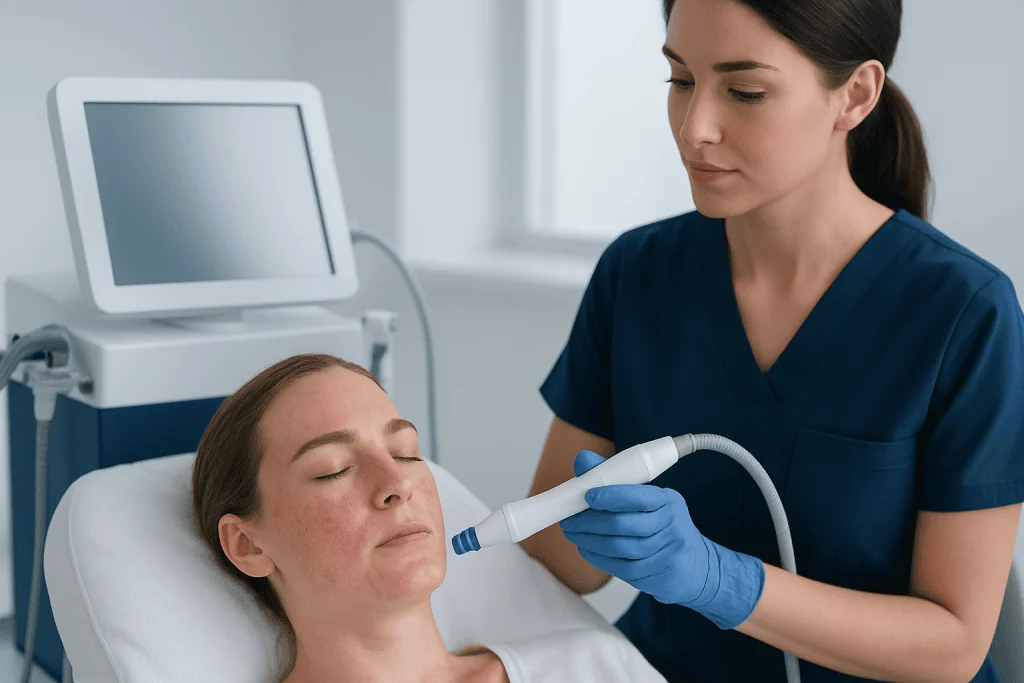
Redness is one of the most common early effects after a facial treatment. It may look like a mild flush or sunburn-like pinkness and often settles over hours to a few days. Treatments that create controlled micro-injury or remove surface skin layers are more likely to cause visible redness than hydrating or soothing facials.
Peeling or flaking may appear one to several days later, especially after exfoliating treatments such as chemical peels. This usually reflects the shedding of older surface skin cells. It is important not to pick, scrub, or forcibly remove peeling skin, as this can worsen irritation and increase the chance of uneven healing or pigmentation changes.
Other expected symptoms can include dryness, a warm sensation, mild swelling, tenderness, itchiness, or a feeling of tightness. Some people notice that their skin stings briefly when applying skincare products that were previously well tolerated. This can happen because the skin barrier is temporarily more delicate.
- Mild to moderate redness
- Dryness or tightness
- Light peeling or flaking
- Temporary sensitivity to touch or products
- Occasional mild swelling, depending on the procedure
Although these symptoms are often normal, they should gradually improve rather than worsen. Severe pain, spreading rash, pus, fever, extensive swelling, or blistering are not typical recovery signs and deserve prompt medical advice.
What Affects Recovery Time

The main factor affecting recovery is the type of treatment. A basic cleansing or hydrating facial may allow an immediate return to normal activity, while stronger exfoliating or resurfacing procedures may need several days of downtime. For example, recovery after a chemical peel often includes visible flaking, while healing after microneedling may involve short-term redness and sensitivity.
Treatment intensity also matters. A superficial procedure generally heals faster than a medium-depth or more aggressive one. The use of heat, needles, acids, or energy-based devices can increase the degree of temporary inflammation. When several treatments are combined in one session, recovery may be more noticeable.
Individual skin characteristics play an important role as well. Sensitive skin, darker skin tones prone to post-inflammatory pigmentation, a history of allergies, and conditions such as acne or rosacea may affect both comfort and healing. People using retinoids, exfoliating acids, or acne medications may also have a more fragile skin barrier before treatment.
Finally, aftercare can shorten or prolong the healing process. Sun exposure, friction, over-cleansing, harsh active ingredients, and picking at peeling skin can delay recovery. In contrast, following the clinician’s advice, using bland moisturizers, and avoiding unnecessary irritation can help the skin return to routine more smoothly.
When You Can Return to Your Normal Routine
Returning to routine should be gradual and guided by how the skin looks and feels. Many people can go back to work or regular daily tasks the same day after a gentle facial. If there is visible redness or peeling after a more intensive procedure, some may prefer to allow a few recovery days before social events or public-facing work.
Skincare should usually be simplified at first. Gentle cleansing, a fragrance-free moisturizer, and broad-spectrum sunscreen are common basics. Active ingredients such as retinoids, exfoliating acids, benzoyl peroxide, or vitamin C may need to be paused temporarily until irritation settles. The treating clinician can advise when to restart them safely.
Makeup is often best avoided until the skin surface feels calm and intact, particularly if there is active peeling, pinpoint irritation, or increased sensitivity. Exercise, hot baths, saunas, and swimming may also need to be delayed for a short period after some procedures because heat, sweat, and friction can worsen redness.
- Gentle facials: normal routine may resume quickly, often within the same day
- Exfoliating treatments: makeup and active skincare may need to wait a few days
- Microneedling or stronger peels: exercise, heat, and some products may be limited temporarily
- Sun protection should begin immediately and continue consistently
Because timelines vary, it is safer to think in terms of skin recovery rather than the calendar alone. When redness is fading, peeling is minimal, and products no longer sting, the skin is usually better prepared for a gradual return to normal habits.
Aftercare: How to Support Healing Safely
Good aftercare focuses on protecting the skin barrier while it repairs itself. A gentle cleanser, lukewarm water, and a plain moisturizer are often enough in the first days. Scrubs, cleansing brushes, alcohol-based toners, and fragranced products are best avoided unless specifically approved by the treating clinician.
Sun protection is especially important after facial procedures. Healing skin can be more vulnerable to sunburn and to darkening of irritated areas. Broad-spectrum sunscreen, a hat, and shade can help reduce the risk of prolonged redness and post-inflammatory pigmentation. This is particularly relevant after resurfacing treatments, including laser skin resurfacing.
It is also helpful to avoid touching, rubbing, or picking at the face. Even small amounts of friction can aggravate sensitive skin. If there is swelling, cool compresses may be soothing when used gently and according to professional advice. Drinking enough water and maintaining a consistent skin routine may also support comfort, even though hydration alone does not replace proper topical aftercare.
People with underlying skin conditions may need customized guidance. For example, individuals with rosacea or active eczema may need extra caution to avoid flare-ups. Near the end of recovery planning, some patients choose specialist follow-up; Acibadem International’s multidisciplinary specialists in JCI-accredited hospitals diagnose and treat skin concerns for international patients when further evaluation is needed.
Possible Complications and Warning Signs
Most facial treatment recovery is straightforward, but complications can occur. The common ones include prolonged irritation, acne breakouts, contact dermatitis from products, infection, cold sore reactivation in susceptible individuals, and changes in skin color such as temporary darkening or lightening. The risk is generally higher after deeper or more aggressive procedures, especially if aftercare instructions are not followed.
One concern is post-inflammatory hyperpigmentation, which means darker marks appearing after inflammation. This is more likely if the skin is exposed to sun during healing or if peeling skin is picked. Another issue is persistent redness that lasts longer than expected, which can happen in very sensitive skin or after more intense resurfacing.
People who are prone to acne may also notice temporary congestion or breakouts after rich products, occlusive ointments, or irritation. Those with a history of inflammatory skin disease, such as acne, may benefit from discussing prevention strategies before treatment. If infection develops, it may present with increasing pain, warmth, swelling, pus, or crusting.
- Seek medical advice for severe or worsening redness
- Get prompt care for pus, fever, or spreading swelling
- Report blistering, intense burning, or severe pain
- Ask about dark marks or unusual pigment changes that do not improve
Early assessment can help prevent a mild problem from becoming more troublesome. If something feels significantly different from the expected healing pattern described by the clinician, it is reasonable to ask for review.
When to See a Doctor
It is sensible to contact a doctor or qualified skin professional if redness, swelling, or tenderness is increasing instead of improving. While mild discomfort can be expected after some procedures, severe pain is not typical. Medical assessment is also important if there are signs of infection, such as pus, fever, increasing warmth, or rapidly spreading redness.
Professional review may also be helpful when recovery is taking longer than expected. For example, persistent peeling, a rash, prolonged sensitivity, or new areas of discoloration may need attention. Patients with darker skin tones or a history of pigmentation issues may especially benefit from early guidance if they notice unusual darkening after treatment.
Anyone with a history of allergies, eczema, rosacea, herpes simplex outbreaks, or prior complications from cosmetic procedures should mention this before future treatments. This can help clinicians adjust the treatment plan and aftercare. A consultation may also be useful if someone is considering procedures such as Botox together with skin treatments and wants to understand recovery planning.
In general, recovery should follow a reassuring trend: the skin becomes calmer, less red, and more comfortable over time. If that pattern is not happening, or if there is uncertainty, seeking advice is the safest next step.
Frequently asked questions
How long does facial treatment recovery usually take?
It depends on the procedure. A gentle facial may cause only a few hours of pinkness, while stronger peels, microneedling, or resurfacing treatments may need several days for redness and flaking to settle. Individual skin sensitivity also affects the timeline.
Is redness normal after a facial treatment?
Yes, mild redness is common after many facial treatments, especially those that exfoliate or stimulate the skin. It often fades gradually within hours to a few days. If redness becomes more intense, painful, or widespread, medical advice is recommended.
Should peeling skin be removed after a facial or peel?
No. Peeling skin should be left to shed naturally because picking or scrubbing it can increase irritation and raise the risk of marks or uneven healing. Gentle moisturizing and sun protection are usually the safest approach.
When can makeup be worn again after a facial treatment?
This varies with the procedure and how irritated the skin is. Many clinicians advise waiting until the skin is calmer and there is no active peeling or significant sensitivity. Following the aftercare instructions for the specific treatment is the best guide.
When can active skincare ingredients be restarted?
Products such as retinoids, exfoliating acids, and benzoyl peroxide are often paused for a short time after treatment because they can sting or prolong irritation. They are usually restarted gradually once the skin barrier feels comfortable again. The exact timing should come from the treating clinician.
What are the warning signs that recovery is not normal?
Warning signs include severe pain, blistering, pus, fever, rapidly increasing swelling, or redness that spreads instead of improving. A rash or dark marks that appear unusual or keep worsening should also be assessed. Prompt review can help identify irritation, allergy, or infection.
References
- American Academy of Dermatology
- British Association of Dermatologists
- National Health Service
- American Society for Dermatologic Surgery
- Mayo Clinic
This article is for general information only and is not a substitute for professional medical advice. Please consult a qualified doctor about your individual situation.
Explore treatments in Turkey — costs, top hospitals & a free quote
JCI-accredited · board-certified surgeons · reply within 24h
Add us as a Preferred Source to see more of our trusted health content across Google Search, AI Overviews and Discover.