Fair Skin — Explained by Medical Evidence, Not Myths

Fair skin is most often a normal inherited skin type, not a medical problem. Lower melanin levels make fair skin more vulnerable to sunburn and UV damage.
Key Takeaways
- Fair skin is most often a normal inherited skin type, not a medical problem.
- Lower melanin levels make fair skin more vulnerable to sunburn and UV damage.
- Sudden paleness or changes in skin color may point to an underlying health condition.
- Daily sun protection is one of the most important parts of fair skin care.
- A doctor should assess new moles, changing spots, persistent rashes, or unexplained pallor.
Fair skin usually means a naturally lighter skin tone caused by lower amounts of melanin. It is not a disease, but fair skin can be more sensitive to sunlight, irritation, and some skin changes, so understanding normal variation versus warning signs is important.
Overview: what fair skin means medically
Fair skin refers to a lighter natural skin tone, usually because the skin contains less melanin. Melanin is the pigment that helps give skin, hair, and eyes their color and also provides some protection against ultraviolet (UV) radiation from the sun. In medical terms, fair skin is generally considered a normal genetic trait rather than an illness.
People often use “fair skin” in cultural, cosmetic, or social ways, but from a health perspective the more useful question is how the skin functions. Fair skin may burn more easily, show redness more clearly, and react more noticeably to sun exposure or irritation. It can also make some signs of illness, such as paleness or flushing, easier to see.
It is also important to separate naturally fair skin from a sudden pale appearance. A lifelong light complexion is usually normal. However, if the skin becomes noticeably paler than usual, especially with tiredness, dizziness, shortness of breath, or illness, this can suggest a medical issue that should be evaluated.
Why some people have fair skin
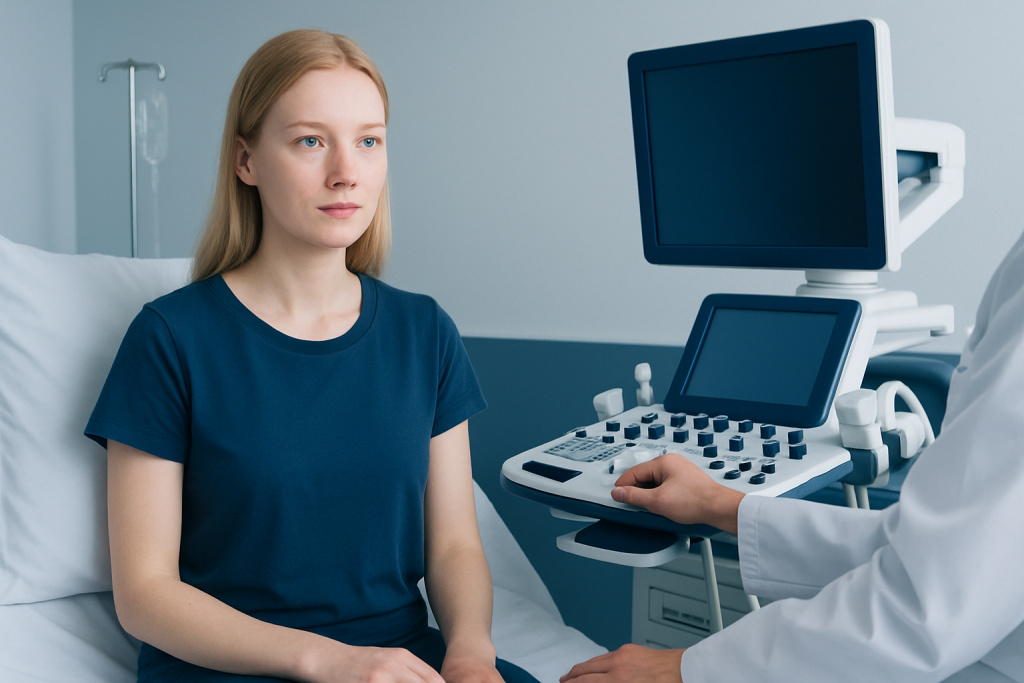
Skin color is influenced mainly by genetics. Fair skin is common in people whose inherited traits lead to lower melanin production. This often occurs in populations whose ancestors lived in regions with lower sunlight exposure, where lighter skin may have supported vitamin D production in limited UV conditions.
Melanin is produced by specialized skin cells called melanocytes. The number of melanocytes is similar among people of different skin tones, but the amount and type of melanin produced can vary. That difference helps explain why some people have very fair skin, freckles, blond or red hair, and light-colored eyes.
Fair skin itself is not unhealthy. However, because melanin helps absorb and disperse UV radiation, lower melanin means less natural protection from sun damage. That is why fair skin is more often linked with sunburn, visible photoaging, and a higher risk of some UV-related skin conditions over time.
Common features of fair skin and how it behaves

Fair skin may have a few recognizable features. It can burn after relatively short sun exposure, develop freckles, show visible blood vessels more easily, and become red or irritated from environmental triggers. Some people also notice that cuts, rashes, or inflammation appear more obvious on lighter skin.
Fair skin can be either dry, oily, combination, or sensitive. In other words, a fair complexion does not automatically mean a person has a certain skin type. Still, many people with fair skin report increased sensitivity to harsh soaps, fragrances, abrasive exfoliation, and weather changes such as cold wind or strong sun.
Normal variation is broad. One person may have very fair skin that tans slightly, while another may burn almost every time and rarely tan. These differences matter because they affect how carefully the skin should be protected and how likely it is to show early signs of sun-related damage.
- Burns more easily in the sun
- May freckle rather than tan
- Often shows redness clearly
- Can appear more reactive to skin-care products
- May reveal changes such as moles or rashes earlier
Fair skin, sun sensitivity, and skin health risks
The most medically important issue linked with fair skin is increased sensitivity to ultraviolet radiation. Repeated UV exposure can injure skin cells, speed up visible aging, and raise the risk of precancerous and cancerous skin changes. This does not mean everyone with fair skin will develop serious disease, but it does mean prevention deserves daily attention.
Sun damage can appear as redness, peeling, dark spots, rough patches, or fine lines over time. In some people, repeated injury contributes to actinic keratosis, a rough scaly spot caused by cumulative sun exposure. Doctors may also monitor unusual lesions because fair skin is associated with a higher risk of skin cancer and related changes, especially when there is a personal or family history, frequent sunburn, or significant outdoor exposure.
People with fair skin may also be more likely to notice conditions such as rosacea, flushing, or irritation because redness is easier to see on lighter complexions. If there are persistent changes such as a sore that does not heal, a patch that crusts, or a mole that changes in shape or color, specialist assessment is appropriate and may include a dermatology review or dermatology evaluation.
When fair skin may reflect an underlying medical problem
Natural fair skin should be distinguished from new or unusual pallor. Pallor means the skin, lips, nail beds, or inner eyelids look lighter than a person’s usual baseline. This can happen temporarily from cold temperatures, stress, or reduced blood flow, but it can also be linked with conditions that need medical attention.
Possible causes of abnormal paleness include anemia, blood loss, nutritional deficiency, low blood pressure, infection, chronic illness, and some circulation problems. In these situations, the skin change is usually not the only sign. A person may also feel weak, tired, lightheaded, short of breath, or notice a rapid heartbeat. If these symptoms are present, clinical assessment is important. In some cases a doctor may investigate for anemia or another underlying cause.
Fair skin can also make pigment disorders more visible. Well-defined lighter or white patches may be caused by a condition such as vitiligo, while patchy darkening can reflect post-inflammatory changes, hormonal factors, or sun exposure. Because these patterns have different causes, diagnosis should be based on medical examination rather than myths or home assumptions.
How doctors assess skin tone changes and related concerns
Evaluation starts with history and examination. A doctor may ask whether the light skin tone has always been present, whether there has been a recent change, how the skin reacts to sunlight, and whether there are symptoms such as fatigue, itching, pain, or weight loss. Family history, medications, autoimmune disease, allergies, and sun exposure habits can also help explain what is happening.
The skin is then examined for overall color, texture, moles, freckles, rashes, visible vessels, and signs of inflammation or UV damage. If there is a suspicious lesion, a dermatologist may recommend close monitoring, dermoscopic examination, or a biopsy. If there is concern about pallor or a systemic illness, blood tests may be used to check red blood cells, iron levels, vitamin status, or other markers.
Sometimes evaluation involves other specialties, especially when skin changes are linked with allergy, autoimmune disease, blood disorders, or hormonal conditions. If there is uncertainty about a changing spot, doctors may recommend skin biopsy to clarify the diagnosis and guide treatment.
Care for fair skin: prevention and daily self-care
The main goal of fair skin care is to reduce damage while supporting the skin barrier. Regular sun protection is especially important. A broad-spectrum sunscreen, shade during peak UV hours, protective clothing, hats, and sunglasses can all help lower cumulative UV exposure. Sunscreen should be used consistently, not only on sunny beach days but also during routine outdoor activity.
Gentle skin care can also reduce irritation. Mild cleansers, fragrance-free moisturizers, and avoiding over-exfoliation may be helpful for skin that reddens easily. When trying new products, patch testing on a small area first can reduce the chance of a larger reaction. People with visible redness, dryness, or recurrent rash should seek medical advice rather than repeatedly changing products without guidance.
Self-checks are useful too. Looking at the skin regularly helps a person notice changes in moles, non-healing sores, rough patches, or new areas of pigmentation. Healthy routines such as avoiding indoor tanning, staying hydrated, eating a balanced diet, and not smoking also support overall skin health. If expert review is needed, options may include a skin check for concerning lesions or long-term monitoring.
- Use broad-spectrum sunscreen daily
- Wear hats, sunglasses, and sun-protective clothing
- Avoid tanning beds and intentional burning
- Choose gentle, non-irritating skin-care products
- Check moles and spots regularly for change
When to seek medical care
A naturally fair complexion alone does not usually require treatment. Medical advice is recommended, however, if the skin becomes unusually pale, if there is sudden color change, or if there are symptoms such as fatigue, dizziness, faintness, fever, or shortness of breath. These signs may point to an underlying condition that should be evaluated promptly.
It is also important to arrange a skin assessment for any mole or mark that changes in size, shape, border, or color, or for a spot that bleeds, crusts, or does not heal. Persistent redness, flushing, itching, scaling, or white patches should also be assessed, especially if they are spreading or causing discomfort.
For international patients who need specialist assessment, Acibadem International’s multidisciplinary teams and JCI-accredited hospitals provide evaluation and treatment for skin and related medical concerns. The right time to seek help is whenever a skin change is new, persistent, or different from the person’s normal pattern.
Frequently asked questions
Is fair skin a medical condition?
Usually no. Fair skin is most often a normal inherited skin tone linked to lower melanin levels, not a disease. It becomes a medical concern only if there is a sudden change in skin color or related symptoms.
Why does fair skin burn more easily?
Fair skin generally contains less melanin, which provides some natural protection against UV radiation. With less melanin, the skin is more likely to burn after sun exposure. That is why daily sun protection is especially important.
Can fair skin become tan?
Some people with fair skin tan slightly, while others mostly burn and tan very little. This depends on genetics and how the skin produces melanin after UV exposure. Even when tanning occurs, it still reflects sun injury and does not replace sun protection.
When is pale skin different from naturally fair skin?
Naturally fair skin is a person's usual complexion over time. Pale skin becomes more concerning when it is new, more pronounced than usual, or accompanied by symptoms such as weakness, dizziness, or shortness of breath. In that situation, a doctor may look for causes such as anemia or illness.
Does fair skin mean a higher risk of skin cancer?
Fair skin is associated with a higher risk of UV-related skin damage and some skin cancers because it has less natural protection from the sun. Risk also depends on family history, number of sunburns, tanning habits, and overall lifetime UV exposure. Regular self-checks and medical review of suspicious spots are sensible precautions.
What is the best daily care routine for fair skin?
A simple routine usually works best: gentle cleansing, regular moisturizing, and broad-spectrum sunscreen every day. Protective clothing and avoiding tanning beds are also important. If the skin is very sensitive or reactive, a dermatologist can recommend suitable products.
This article is for general information only and is not a substitute for professional medical advice. Please consult a qualified doctor about your individual situation.
Explore treatments in Turkey — costs, top hospitals & a free quote
JCI-accredited · board-certified surgeons · reply within 24h
Add us as a Preferred Source to see more of our trusted health content across Google Search, AI Overviews and Discover.

More from the Health Library

Toasted Sesame Oil: An Evidence-Based Guide for Patients
Puffy Tongue Causes — Explained by Medical Evidence, Not Myths
Tickle in Throat — Explained by Medical Evidence, Not Myths

Erect Penis: What Patients Need to Know

Cardiac MRI: A Complete Medical Overview