

Fall Prevention for Older Adults: Balance, Home Safety, and Risk Reduction
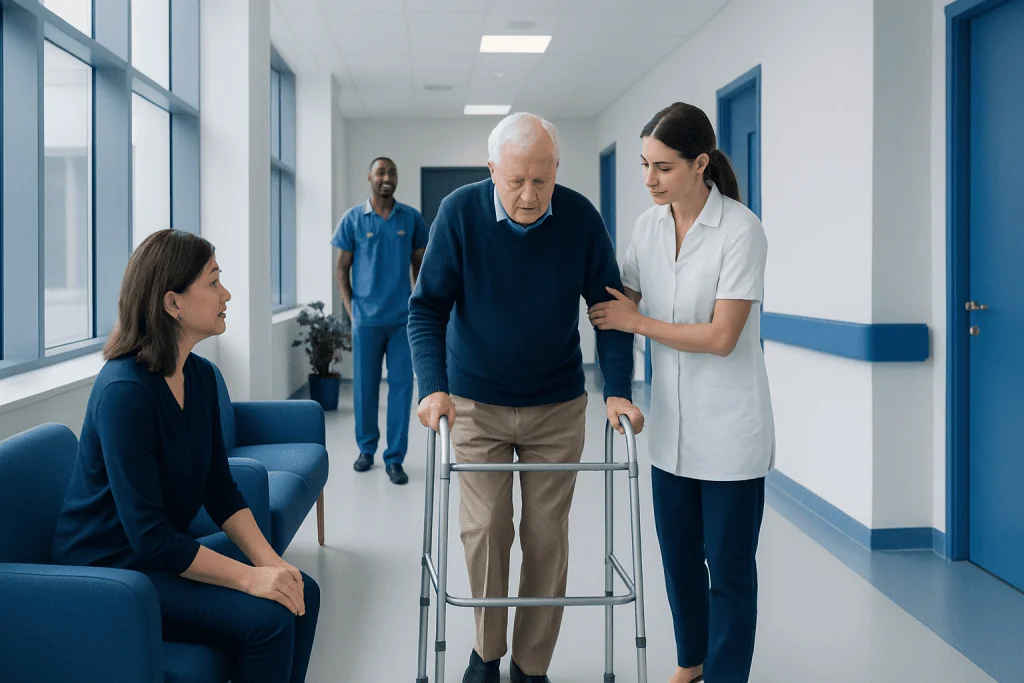
Fall prevention starts with identifying personal risk factors such as weak muscles, vision changes, dizziness, medications, and unsafe home environments. Strength and balance exercises can improve stability and confidence when performed regularly and safely.
Key Takeaways
- Fall prevention starts with identifying personal risk factors such as weak muscles, vision changes, dizziness, medications, and unsafe home environments.
- Strength and balance exercises can improve stability and confidence when performed regularly and safely.
- Simple home changes, including better lighting, removing loose rugs, and adding grab bars, can significantly reduce daily hazards.
- Medication reviews, vision and hearing checks, and management of chronic conditions are important parts of fall risk reduction.
- Any fall with injury, head impact, fainting, new confusion, or repeated falls should be discussed with a qualified doctor.
Falls are common in later life, but many can be prevented with practical steps that improve balance, reduce home hazards, and address health-related risks. A personalized fall-prevention plan can help older adults stay active, independent, and confident.
Overview
Fall prevention for older adults is an important part of healthy aging. A fall can happen during everyday activities such as walking to the bathroom at night, reaching for an object, stepping over a threshold, or getting up too quickly from a chair. While some falls cause only minor bruising, others may lead to fractures, head injuries, fear of falling, or reduced independence.
The reassuring news is that falls are not an unavoidable part of aging. Many risk factors can be found and reduced through a combination of exercise, home safety improvements, medical review, and supportive daily habits. A fall-prevention plan works best when it is tailored to the person’s mobility, health conditions, medicines, vision, home environment, and lifestyle.
Older adults and their families should view fall prevention as a positive step, not a restriction. The goal is to keep the person moving safely, maintaining muscle strength, confidence, and participation in normal life. Avoiding all activity may actually increase weakness and fall risk, so safe movement is usually encouraged.
Common Fall Risks in Older Adults

Falls often occur because several small risks combine. For example, an older adult may have mild leg weakness, take a medication that causes drowsiness, and walk through a dim hallway at night. Each factor may seem manageable on its own, but together they can make balance more difficult.
Common physical and medical risk factors include reduced muscle strength, slower reflexes, poor balance, arthritis pain, foot problems, dizziness, low blood pressure when standing, vision or hearing changes, and conditions such as diabetes, Parkinson’s disease, stroke, or heart rhythm problems. Memory problems or confusion can also make it harder to notice hazards or use walking aids correctly.
Environmental and lifestyle factors are also important. Loose rugs, clutter, slippery bathroom floors, poor lighting, uneven steps, unstable furniture, and inappropriate footwear can increase the chance of tripping or slipping. Alcohol use, dehydration, rushing, and carrying too many items while walking may also contribute to falls.
- Previous falls or near-falls
- Difficulty rising from a chair or climbing stairs
- Use of multiple medications
- Unsteady walking or needing to hold furniture for support
- Fear of falling that limits normal activity
Balance and Strength: Exercises That Help
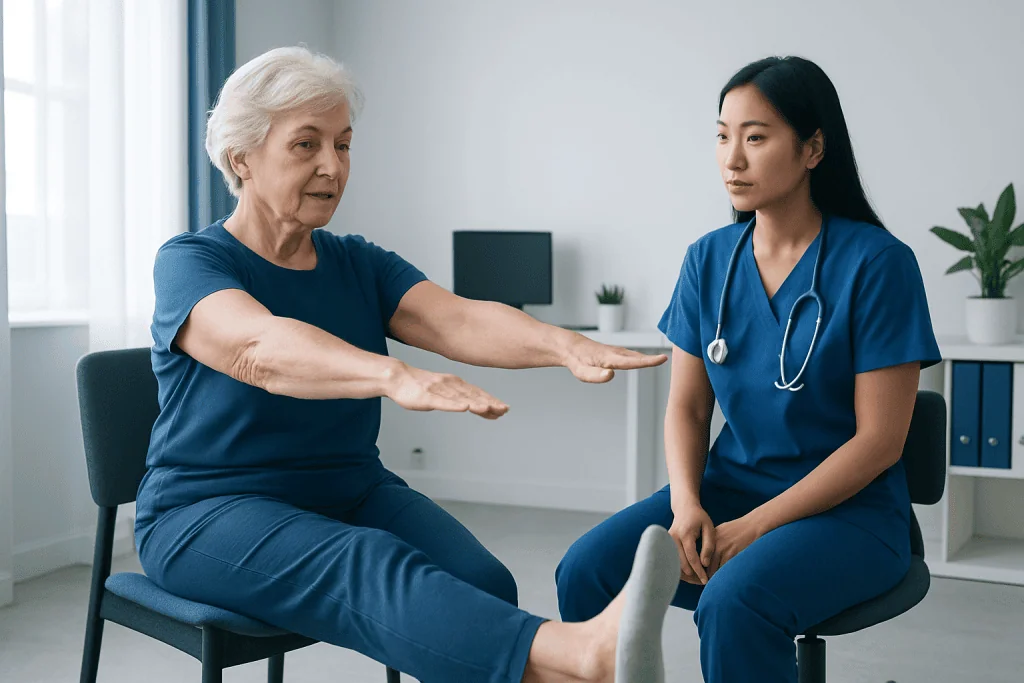
Balance exercises for seniors are one of the most effective ways to support safer movement. Stronger legs, steadier posture, and better coordination can help an older adult recover from small slips or changes in direction. Exercise can also improve confidence, mood, flexibility, and overall health.
Good options may include supervised strength training, walking programs, tai chi, chair-based exercises, heel-to-toe walking, sit-to-stand practice, and gentle balance drills. The safest plan depends on the person’s current ability. Someone who has had recent falls, dizziness, severe joint pain, or a neurological condition should ask a doctor or physiotherapist before starting new exercises.
A simple routine may focus on the major muscles used for standing and walking: hips, thighs, calves, ankles, and core muscles. Exercises should be done near a stable surface, such as a kitchen counter, especially at the beginning. The person should avoid exercising when feeling lightheaded, unwell, or unusually short of breath.
- Start slowly and increase activity gradually.
- Use supportive shoes with non-slip soles.
- Keep a chair or sturdy surface nearby for support.
- Stop and seek advice if exercise causes chest pain, faintness, severe pain, or new weakness.
Home Safety for Elderly Adults
Home safety for elderly adults begins with a room-by-room review. Many fall hazards are familiar objects that have simply become risky over time, such as loose mats, extension cords, low furniture, or cluttered pathways. Improving the home environment can reduce risk without making the home feel clinical or restrictive.
Lighting is especially important. Hallways, stairways, bathrooms, and the route from the bed to the toilet should be well lit. Night lights, motion-sensor lights, and easy-to-reach switches can help prevent falls at night. Floors should be kept dry and clear, and frequently used items should be stored within easy reach to avoid climbing or stretching.
The bathroom is a high-risk area because of wet and slippery surfaces. Non-slip mats, grab bars near the toilet and shower, a shower chair, and a handheld shower head may improve safety. Towel racks should not be used as support because they are not designed to hold body weight.
- Remove or secure loose rugs and mats.
- Keep electrical cords away from walking paths.
- Install handrails on both sides of stairs when possible.
- Repair uneven flooring, broken steps, or loose tiles.
- Use stable chairs with armrests instead of low, soft seating.
- Place frequently used items between waist and shoulder height.
Medication, Vision, Hearing, and Health Checks
Medical review is a key part of fall risk reduction. Some medicines can cause sleepiness, dizziness, confusion, blurred vision, or low blood pressure, particularly when several are taken together. These may include certain sleep medicines, anxiety medicines, pain medicines, blood pressure treatments, and some allergy medications. Older adults should not stop prescribed medicines suddenly, but they should ask a doctor or pharmacist to review them regularly.
Vision and hearing checks also matter. Poor vision can make it harder to see steps, edges, uneven surfaces, or obstacles. Bifocal or multifocal lenses may affect depth perception on stairs for some people. Hearing problems can reduce awareness of surroundings, especially in busy places or near traffic.
Other health issues should be assessed if falls or near-falls occur. Dizziness may be related to inner ear conditions, dehydration, anemia, low blood sugar, heart rhythm changes, or blood pressure drops when standing. Foot pain, numbness, poorly fitting shoes, and toenail problems can change the way a person walks. Treating these issues may improve stability and comfort.
Doctors may recommend checking blood pressure while lying and standing, reviewing chronic diseases, assessing vitamin D or bone health when appropriate, and considering physiotherapy. For people with osteoporosis or high fracture risk, fall prevention and bone-strengthening care are closely connected.
Daily Habits That Reduce Fall Risk
Small daily habits can make movement safer. Older adults should take their time when getting up from bed or a chair, especially after resting or sleeping. Sitting for a moment before standing and standing briefly before walking can help reduce dizziness caused by sudden position changes.
Footwear should be comfortable, well fitting, and supportive. Shoes with low heels, firm backs, and non-slip soles are usually safer than slippers, flip-flops, or walking in socks on smooth floors. If a walking cane, walker, or other aid has been recommended, it should be adjusted to the correct height and used consistently.
Nutrition and hydration also support fall prevention. Dehydration may contribute to dizziness or weakness, and inadequate protein intake can affect muscle strength. Older adults should follow medical advice if they have conditions that require fluid or dietary restrictions, such as heart failure or kidney disease.
- Keep a phone or emergency alert device within reach.
- Avoid rushing to answer the door or telephone.
- Use a bag, basket, or walker pouch instead of carrying items in both hands.
- Plan rest breaks during long walks or shopping trips.
- Limit alcohol, especially when taking medications that affect balance.
What to Do After a Fall
After a fall, the person should pause and check for pain, dizziness, bleeding, or difficulty moving before trying to stand. If there is severe pain, suspected fracture, head injury, chest pain, shortness of breath, new weakness, or confusion, emergency medical help should be called. It is safer to wait for assistance than to risk a second injury by getting up too quickly.
If the person feels able to rise, they should roll onto their side, move slowly onto hands and knees, crawl to a sturdy chair, and use the chair for support while getting up. This technique should be practiced only if a healthcare professional says it is appropriate. Some people benefit from learning a safe floor-recovery method with a physiotherapist.
Even if there is no obvious injury, a fall should not be ignored. It may be the first sign of a medication problem, vision change, infection, low blood pressure, or new balance issue. Keeping a record of when and where the fall happened, what the person was doing, and any symptoms before the fall can help the doctor identify preventable causes.
When to See a Doctor
An older adult should see a doctor after any fall that causes injury, head impact, loss of consciousness, fainting, new confusion, severe pain, difficulty walking, or weakness. Medical advice is also important after repeated falls, near-falls, new dizziness, or a growing fear of falling. People taking blood-thinning medications should seek prompt medical guidance after a head injury, even if symptoms seem mild.
A doctor can assess fall risk through a medical history, physical examination, medication review, vision and blood pressure checks, walking and balance assessment, and evaluation of chronic conditions. Depending on the findings, care may involve physiotherapy, occupational therapy, medication adjustments, treatment of dizziness, foot care, bone health assessment, or recommendations for home modifications.
Families and caregivers can support the process by approaching the topic respectfully. Instead of focusing on loss of independence, it may help to explain that fall prevention is designed to preserve independence. At Acibadem International, multidisciplinary specialists in JCI-accredited hospitals can evaluate and treat fall-related risk factors for international patients when medical assessment or rehabilitation support is needed.
Frequently asked questions
Are falls a normal part of aging?
Falls become more common with age, but they are not simply a normal or unavoidable part of aging. Many falls are linked to modifiable risks such as poor lighting, weak muscles, medication side effects, vision problems, or unsafe footwear. A healthcare professional can help identify which risks apply to an individual.
What is the best exercise to prevent falls in older adults?
The best exercise plan usually combines balance training, leg strengthening, flexibility, and safe walking or endurance activity. Tai chi, sit-to-stand practice, supervised strength exercises, and physiotherapy-guided balance programs may be helpful. The safest choice depends on the person’s health, mobility, and fall history.
How often should medications be reviewed for fall risk?
Medication reviews should be done regularly, especially after a fall, hospital stay, new diagnosis, or change in prescriptions. A doctor or pharmacist can check for medicines that may cause dizziness, drowsiness, confusion, or low blood pressure. Medications should not be stopped or changed without professional advice.
Do walking canes and walkers prevent falls?
Canes and walkers can improve safety when they are properly selected, adjusted, and used correctly. An aid that is the wrong height or used inconsistently may not provide enough support. A physiotherapist or trained clinician can teach safe use and recommend the most suitable device.
What home changes are most important for fall prevention?
The most important changes often include removing loose rugs and clutter, improving lighting, adding bathroom grab bars, securing stairs with handrails, and keeping floors dry. Frequently used items should be easy to reach without climbing. A home safety assessment can be useful for people with repeated falls or mobility limitations.
When should a fall be treated as an emergency?
Emergency help is needed if a fall causes head injury, loss of consciousness, severe pain, suspected fracture, heavy bleeding, chest pain, shortness of breath, new weakness, or confusion. A person who cannot get up safely should also call for assistance. People taking blood thinners should seek prompt medical advice after any head impact.
References
- World Health Organization
- Centers for Disease Control and Prevention
- National Institute on Aging
- American Geriatrics Society
- National Health Service
This article is for general information only and is not a substitute for professional medical advice. Please consult a qualified doctor about your individual situation.
Joint and spine care in Turkey — expert assessment & treatment
JCI-accredited · board-certified surgeons · reply within 24h
Add us as a Preferred Source to see more of our trusted health content across Google Search, AI Overviews and Discover.
Check your numbers in seconds
BMI, calories, due date, blood pressure and 30+ more clinical calculators — free, instant, doctor-reviewed ranges.

More from the Health Library



Related Specialists

Fzt. Gülşen Küçükdemirbaş
Physical Medicine & Rehabilitation
Prof. Dr. Ömer Faruk Taşer
Orthopedic Surgery & Traumatology
Dt. Nuri Deveci
Dentistry
Prof. Dr. Gülsan Sucak
Hematology