Farxiga Side Effects: What It Treats, How It Works, and What to Watch For

Farxiga is the brand name for dapagliflozin, an SGLT2 inhibitor. Common Farxiga side effects include increased urination, thirst, genital yeast infections, and some urinary tract symptoms.
Key Takeaways
- Farxiga is the brand name for dapagliflozin, an SGLT2 inhibitor.
- Common Farxiga side effects include increased urination, thirst, genital yeast infections, and some urinary tract symptoms.
- Serious but less common risks include ketoacidosis, severe dehydration, kidney problems, and rare severe genital infections.
- Farxiga is not appropriate for everyone, including some people with severe kidney impairment or a history of serious hypersensitivity to the drug.
- Patients should ask a clinician or pharmacist about interactions, sick-day guidance, and when the medicine should be paused before surgery.
Farxiga side effects are often manageable and commonly include increased urination, genital yeast infections, and urinary tract symptoms, but some reactions need urgent medical attention. Farxiga is a prescription SGLT2 inhibitor used for certain adults with type 2 diabetes, heart failure, and chronic kidney disease, and its benefits and risks should be reviewed with a clinician.
Overview: what Farxiga treats and why side effects happen
Farxiga side effects are usually related to the way the medicine works: it helps the body remove more glucose through the urine, which can lead to increased urination, thirst, and a higher chance of some genital or urinary infections. Most side effects are mild to moderate, but a small number can be serious, so it is important for patients to know what is expected and what should prompt medical attention.
Farxiga is the brand name for dapagliflozin. It belongs to a class of medicines called sodium-glucose cotransporter-2 (SGLT2) inhibitors. In adults, it is used for approved indications that may include type 2 diabetes, certain forms of heart failure, and chronic kidney disease, depending on the individual clinical situation. It is not a substitute for emergency care, insulin when insulin is required, or individualized advice from a doctor.
This medicine has a different role from many older diabetes drugs because its benefits can extend beyond blood sugar control. For some patients, clinicians prescribe it to help reduce complications related to the heart or kidneys. People living with diabetes, heart failure, or chronic kidney disease may hear about Farxiga as part of a broader treatment plan that also includes monitoring, lifestyle measures, and treatment of other risk factors.
How Farxiga works in the body
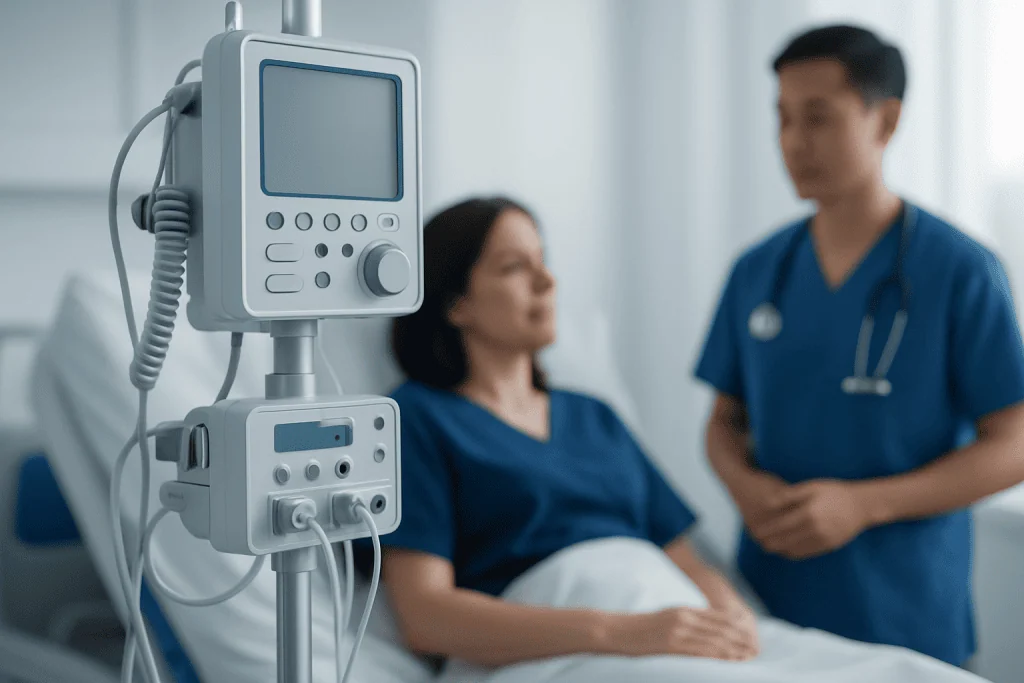
Farxiga blocks the SGLT2 protein in the kidneys. Normally, this protein helps the body reabsorb glucose back into the bloodstream. When SGLT2 is blocked, more glucose leaves the body in the urine. This can lower blood sugar in adults with type 2 diabetes and may also support heart and kidney health through mechanisms that are still being studied but are reflected in approved label indications.
Because it increases glucose in the urine, the medicine also changes the urinary environment. That is one reason genital yeast infections and some urinary symptoms can occur more often with Farxiga than without it. The extra fluid loss through urination can also contribute to dehydration, dizziness, or low blood pressure, especially in older adults or in people who already take water pills, also called diuretics.
Farxiga is not used for every type of diabetes. Patients should not assume that medicines used for type 2 diabetes are automatically suitable for type 1 diabetes or diabetic emergencies. Questions about whether it fits a person’s diagnosis, kidney function, and other medications should be directed to a qualified clinician rather than answered by self-adjusting treatment.
Common Farxiga side effects

The more common Farxiga side effects are generally linked to fluid loss or changes in the urinary and genital area. Many people tolerate the medicine well, but some notice symptoms soon after starting treatment. Side effects may be more likely if fluid intake is low or if there is a history of recurrent infections.
- Increased urination or urinating more often than usual
- Thirst or dry mouth
- Genital yeast infections, such as vaginal yeast infection or balanitis
- Urinary tract symptoms, such as burning or urgency
- Dizziness, especially when standing up quickly
- Constipation or mild stomach discomfort in some patients
These effects do not always mean the medicine must be stopped, but they should be discussed if they are troublesome, persistent, or recurrent. Good hydration, genital hygiene, and early treatment of infections may help some patients continue therapy more comfortably. However, new or worsening symptoms should still be reviewed by a clinician, particularly in older adults and people with kidney disease.
Patients should not stop a prescribed medicine on their own unless they believe they are having a serious reaction. Instead, they should contact the prescribing doctor or pharmacist to discuss whether symptoms are expected, whether other causes are possible, and whether monitoring or an alternative medication is needed.
Serious warnings and side effects to watch for
Although uncommon, some Farxiga side effects are serious and need prompt medical evaluation. One important warning is ketoacidosis, a condition in which the body produces high levels of ketones. This can sometimes happen even when blood sugar is not very high. Symptoms may include nausea, vomiting, stomach pain, fatigue, trouble breathing, or unusual confusion. If these occur, urgent medical care is needed.
Farxiga can also increase the risk of dehydration and low blood pressure, particularly in people who are older, who take diuretics, or who have reduced kidney function. Symptoms may include dizziness, fainting, unusual weakness, or reduced urine output. Kidney problems can worsen if a person becomes very dehydrated from vomiting, diarrhea, fever, or poor fluid intake.
Rare but serious genital infections, including necrotizing fasciitis of the perineum, have been reported with SGLT2 inhibitors. Patients should seek immediate care for pain, tenderness, swelling, redness, or fever involving the genital or perineal area. Severe allergic reactions are also possible and may cause swelling of the face or throat, rash, or difficulty breathing.
Because urinary changes are expected with this medicine, it can be easy to overlook a true infection. Fever, back pain, chills, blood in the urine, or symptoms that rapidly worsen should not be ignored. In some situations, a patient may need evaluation with urinalysis or broader assessment of kidney function and infection risk.
Who may need extra caution: contraindications, interactions, and risk factors
Farxiga is not suitable for everyone. According to label-level safety information, it is contraindicated in patients with a serious hypersensitivity reaction to dapagliflozin. Use may also be limited or not recommended in people with certain levels of kidney impairment, depending on the treatment goal and current prescribing information. A clinician will usually review kidney function before and during treatment.
Some people may need closer monitoring because they are more likely to develop dehydration, low blood pressure, kidney-related side effects, or infections. This includes older adults, people taking diuretics, those on a low-salt diet, and people with a history of frequent genital yeast infections or urinary tract infections. Anyone with past episodes of ketoacidosis should discuss this history carefully before starting the medicine.
Drug interactions should be reviewed with a pharmacist or prescribing doctor. Medicines that can increase fluid loss, such as diuretics, may raise the chance of dehydration or dizziness. Other glucose-lowering drugs, especially insulin or insulin secretagogues, may increase the risk of low blood sugar when used together, even though Farxiga itself is not a common cause of hypoglycemia when used alone.
Patients should also tell their clinician about upcoming surgery, fasting, acute illness, vomiting, or reduced food intake. In these situations, some medicines may need to be temporarily paused to reduce the risk of complications such as ketoacidosis or kidney stress. Questions about exactly when to stop or restart treatment should always be answered by the treating team.
How doctors monitor safety and assess side effects
Farxiga side effects are best assessed in the context of the person’s overall health, the reason the medicine was prescribed, and any other treatments they take. Before starting therapy, clinicians often review kidney function, blood pressure, hydration status, and the patient’s history of infections or prior reactions to medicines. Follow-up is then tailored to the individual condition being treated.
If symptoms suggest infection, dehydration, or worsening kidney function, the doctor may recommend blood tests, urine tests, or a medication review. Patients being treated for kidney or heart conditions may also undergo broader follow-up, depending on their diagnosis. In some settings, supportive evaluations such as kidney function tests or cardiology assessment may help the team understand whether symptoms are due to the medication, the underlying condition, or another problem.
Keeping a simple symptom log can be helpful. Patients may note when side effects began, whether they are improving, how much fluid they are drinking, and whether symptoms happen around exercise, illness, or other medication changes. This can help clinicians make safer decisions without guesswork.
Self-care, practical safety tips, and when to seek medical care
Patients taking Farxiga can often reduce discomfort by staying well hydrated unless a doctor has placed them on fluid restrictions. Gentle hygiene and prompt attention to itching, discharge, irritation, or urinary burning may help identify infections early. Alcohol excess, prolonged fasting, and ignoring vomiting or diarrhea may increase the risk of dehydration or ketoacidosis and should be discussed with a clinician.
It is also sensible to ask about so-called sick-day rules. During acute illness, reduced food intake, or major surgery, a clinician may advise temporary changes to medicine use. Patients should never guess about this on their own, especially if they have diabetes, heart failure, or kidney disease.
When to seek medical care: Medical advice should be sought promptly for persistent vomiting, severe thirst, fainting, unusual drowsiness, new confusion, shortness of breath, severe abdominal pain, fever, painful urination with back pain, or signs of genital infection that are spreading or worsening. Emergency help is needed for signs of a severe allergic reaction, trouble breathing, facial swelling, or symptoms concerning for ketoacidosis.
Near the end of the care pathway, some patients benefit from specialist review if symptoms are complex or if the medication is being considered in the setting of multiple chronic conditions. Acibadem International’s multidisciplinary specialists and JCI-accredited hospitals diagnose and treat related conditions for international patients, including evaluation through services such as endocrinology consultation when medication decisions need expert review.
Frequently asked questions
What are the most common Farxiga side effects?
The most common Farxiga side effects include increased urination, thirst, genital yeast infections, and some urinary tract symptoms. Dizziness can also occur, especially if a person becomes dehydrated or has low blood pressure.
Can Farxiga cause urinary tract infections?
Farxiga can increase the chance of urinary symptoms and may be associated with urinary tract infections in some patients. Mild symptoms should still be reported, and fever, back pain, or worsening symptoms need prompt medical review.
Is Farxiga used only for diabetes?
No. Farxiga is used for more than blood sugar control and may also be prescribed for certain adults with heart failure or chronic kidney disease, depending on approved indications and the patient’s clinical profile. A doctor decides whether it is appropriate based on diagnosis, kidney function, and other factors.
Who should not take Farxiga?
Farxiga is contraindicated in people with a serious hypersensitivity reaction to dapagliflozin. It may also be unsuitable or require caution in some people with significant kidney impairment, recurrent infections, dehydration risk, or a history of ketoacidosis.
Can Farxiga cause low blood sugar?
Farxiga by itself is not a common cause of low blood sugar. However, the risk can increase when it is used together with insulin or certain other diabetes medicines, so patients should review their full medication list with a clinician.
Should Farxiga be stopped before surgery or illness?
Sometimes it should be temporarily paused, especially around surgery, prolonged fasting, or acute illness, because these situations can raise the risk of ketoacidosis or dehydration. The exact timing should come from the treating clinician, not from self-adjustment.
This article is for general information only and is not a substitute for professional medical advice. Please consult a qualified doctor about your individual situation.
Explore treatments in Turkey — costs, top hospitals & a free quote
JCI-accredited · board-certified surgeons · reply within 24h
Add us as a Preferred Source to see more of our trusted health content across Google Search, AI Overviews and Discover.
Check your numbers in seconds
BMI, calories, due date, blood pressure and 30+ more clinical calculators — free, instant, doctor-reviewed ranges.

More from the Health Library

Antibiotics: Uses, Dosage, and Side Effects — A Clinical Overview

Metformin Side Effects: What It Treats, How It Works, and What to Watch For

Methylprednisolone 4 MG: What It Treats, How It Works, and What to Watch For

Lisinopril Side Effects: Uses, Dosage, and Side Effects — A Clinical Overview

Actemra Side Effects: What It Treats, How It Works, and What to Watch For