Fasciculation Muscle Twitch: What Patients Need to Know

A fasciculation is a brief, involuntary twitch of a muscle or part of a muscle. Common triggers include stress, fatigue, caffeine, exercise, and some medicines.
Key Takeaways
- A fasciculation is a brief, involuntary twitch of a muscle or part of a muscle.
- Common triggers include stress, fatigue, caffeine, exercise, and some medicines.
- Most muscle twitches are benign, especially when there is no weakness or muscle wasting.
- Doctors evaluate twitching by reviewing symptoms, doing a neurological exam, and sometimes ordering blood tests or EMG.
- Medical care is important if twitching is persistent, spreads, or occurs with weakness, cramps, swallowing trouble, or breathing symptoms.
Fasciculation muscle twitch refers to a small, involuntary muscle movement that can often be seen under the skin. In many people it is temporary and harmless, but ongoing twitching or twitching with weakness, numbness, or muscle loss should be medically assessed.
What fasciculation muscle twitch means
Fasciculation muscle twitch describes a small, involuntary contraction of muscle fibers. People often notice it as a flutter, ripple, or jumping feeling in the eyelid, arm, calf, thigh, or foot. It may last a few seconds or come and go over days to weeks.
In many cases, a fasciculation muscle twitch is not a sign of serious disease. Everyday factors such as stress, poor sleep, vigorous exercise, dehydration, and caffeine can make muscles more excitable and trigger visible twitching. These episodes are often temporary and improve when the trigger is reduced.
Still, muscle twitching has a wide range of possible causes. The key question is not only whether twitching is present, but whether it is accompanied by other symptoms such as weakness, numbness, pain, cramps, trouble swallowing, or noticeable muscle thinning. That broader pattern helps doctors decide whether the twitching is benign or needs further evaluation.
How a muscle twitch feels and where it happens
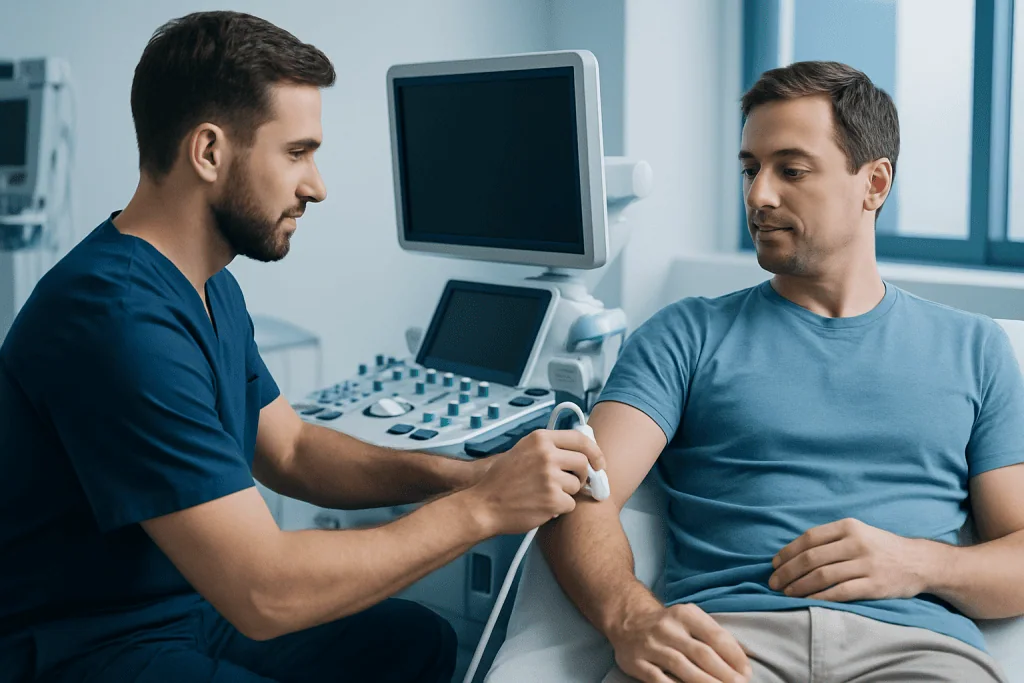
A fasciculation may feel like a tiny pulse under the skin or a repeated tapping sensation in one spot. Some people only feel it, while others can see the muscle moving. Twitches may occur in a single area, such as the eyelid or calf, or in different muscles at different times.
Common locations include the eyelids, arms, hands, thighs, calves, and feet. Facial twitching can also happen. The pattern matters: occasional brief twitches in tired muscles are common, whereas frequent twitching in one area for a long period may prompt a more careful assessment.
People often confuse fasciculations with cramps, tremors, or spasms. A cramp usually hurts and causes the muscle to tighten strongly. A tremor is a rhythmic shaking movement. A spasm may involve a larger or sustained contraction. A fasciculation is typically smaller, brief, and limited to part of a muscle.
- Benign twitching: brief, scattered, not linked to weakness
- Cramp: painful tightening of a muscle
- Tremor: rhythmic shaking, often during movement or posture
- Spasm: stronger or longer contraction than a fasciculation
Common causes and risk factors

The most common reasons for a fasciculation muscle twitch are benign and reversible. Emotional stress, anxiety, lack of sleep, overexertion, caffeine, nicotine, and alcohol can all increase the chance of muscle twitching. Dehydration and shifts in minerals such as magnesium, calcium, or potassium may also contribute in some people.
Medicines can sometimes play a role. Stimulants, certain asthma medicines, some antidepressants, and other drugs that affect the nervous system or electrolyte balance may trigger twitching. It is important not to stop prescribed medicines without medical advice, but a doctor can review whether a medication could be contributing.
There are also neurological and medical causes. Thyroid problems, nerve irritation, peripheral nerve disorders, and diseases that affect the communication between nerves and muscles may lead to fasciculations. In some cases, doctors may evaluate for neuromuscular conditions such as amyotrophic lateral sclerosis (ALS), although most people with isolated twitching do not have this diagnosis.
A recognized benign pattern is called benign fasciculation syndrome, where persistent twitching occurs without progressive weakness or muscle loss. Some people also have cramps along with twitching. If symptoms suggest a nerve or brain-related issue, assessment by specialists in neurology evaluation may be helpful.
Features that help tell benign twitching from a more serious problem
Doctors do not judge twitching by one symptom alone. They look at the whole picture. Fasciculations are more often benign when they are intermittent, associated with stress or fatigue, and not accompanied by weakness, muscle wasting, altered reflexes, numbness, balance problems, or trouble speaking or swallowing.
Features that deserve closer attention include persistent twitching in the same area, progressive weakness, dropping objects, foot drag, visible muscle thinning, or increasing cramps. Twitching together with numbness or burning may suggest nerve compression or neuropathy rather than a primary muscle problem. If a person has speech, swallowing, or breathing changes, prompt medical review is important.
Online searching can make muscle twitching seem more alarming than it usually is. A useful point for patients is that serious neuromuscular disorders rarely present with twitching alone for long periods. Objective weakness on examination generally carries more significance than the presence of fasciculations by themselves.
How doctors diagnose the cause
Diagnosis begins with a detailed history. A clinician asks when the twitching started, which muscles are involved, how often it happens, and whether there are triggers such as exercise, caffeine, poor sleep, or stress. They also ask about weakness, cramps, numbness, family history, and current medicines or supplements.
A neurological examination checks strength, reflexes, muscle tone, coordination, and sensation. This helps identify whether the twitching appears isolated or part of a broader nerve or muscle condition. If symptoms suggest neck or back nerve compression, doctors may also examine the spine and limb function.
Blood tests may be used to look for reversible causes such as thyroid disease, electrolyte imbalance, vitamin deficiency, or other metabolic issues. In selected cases, an electromyography test can assess how nerves and muscles are functioning. If structural nerve problems are suspected, MRI imaging may help identify compression or related causes, and some patients may be referred for electromyography (EMG) testing.
Not everyone needs extensive testing. If the history and examination are reassuring, a doctor may monitor symptoms first and focus on common triggers and lifestyle factors. Follow-up is important if new symptoms develop or the pattern changes.
Treatment options and what can help at home
Treatment depends on the cause. When twitching is related to lifestyle triggers, simple measures often help: improving sleep, reducing caffeine, managing stress, staying hydrated, and allowing muscles to recover after strenuous activity. If dehydration or low mineral intake is contributing, a clinician may advise dietary changes or testing before recommending supplements.
When a medicine may be involved, the prescribing doctor can decide whether adjustment is appropriate. If the cause is a thyroid disorder, neuropathy, spinal nerve problem, or another medical condition, treatment is directed at that underlying issue. In some cases, managing anxiety can reduce the intensity or frequency of symptoms, especially when twitching becomes a source of worry itself.
For benign fasciculation syndrome, reassurance and symptom tracking are often central parts of care. Keeping note of sleep patterns, exercise intensity, caffeine intake, and stress can help identify patterns. Stretching, regular moderate activity, and limiting stimulant use may reduce flares for some people.
If twitching appears related to nerve pressure from the spine or other neurological conditions, a specialist may discuss additional tests or targeted therapy. Multidisciplinary teams, including physical therapy and rehabilitation, may be useful when symptoms affect comfort, movement, or daily activities.
When to seek medical care
Many people can observe a new fasciculation muscle twitch for a short time, especially if there is an obvious trigger such as fatigue or excess caffeine. However, medical advice is appropriate if twitching lasts for several weeks, becomes more frequent, or starts interfering with daily life or sleep.
A person should seek prompt medical care if twitching occurs with muscle weakness, loss of muscle bulk, persistent painful cramps, numbness, trouble walking, speech changes, swallowing difficulty, or breathing symptoms. These features do not necessarily mean a serious disorder is present, but they do need professional evaluation.
It is also sensible to seek care when twitching follows a new medication, occurs after a significant illness, or affects one area consistently without improvement. Near the end of the care pathway, patients who need specialist assessment may be seen in centers such as Acibadem International, where multidisciplinary specialists in JCI-accredited hospitals evaluate and treat neurological and neuromuscular conditions for international patients.
Frequently asked questions
Is a fasciculation muscle twitch usually serious?
Usually not. In many people, muscle twitching is related to common triggers such as stress, tiredness, caffeine, or recent exercise. It becomes more important to assess when it is persistent or happens with weakness, muscle loss, numbness, or swallowing or breathing problems.
Can anxiety cause muscle twitching?
Yes, anxiety and stress can contribute to muscle twitching. They can increase muscle tension, affect sleep, and make the nervous system more reactive. In some people, worrying about the twitching can also make it feel more noticeable.
What is benign fasciculation syndrome?
Benign fasciculation syndrome is a condition where muscle twitches happen repeatedly without evidence of a progressive neurological disease. People may notice twitching in several body areas, sometimes along with cramps. Diagnosis depends on a normal neurological assessment or reassuring test results when needed.
How long should a muscle twitch last before seeing a doctor?
If twitching continues for several weeks, keeps returning, or is spreading, it is reasonable to arrange a medical review. A person should be seen sooner if there is weakness, muscle thinning, numbness, severe cramps, or other neurological symptoms. Early evaluation can help identify common, treatable causes.
What tests might be needed for muscle twitching?
A doctor may start with a history and physical and neurological examination. Blood tests can check for thyroid problems, electrolyte imbalance, or vitamin issues. In some cases, electromyography or imaging may be recommended to look more closely at nerve or muscle function.
Can dehydration or low minerals cause fasciculations?
They can in some cases. Dehydration and changes in electrolytes such as potassium, calcium, or magnesium may make muscles more irritable. Because symptoms have many causes, it is best not to assume a deficiency without medical guidance.
References
- National Institute of Neurological Disorders and Stroke
- American Academy of Neurology
- Mayo Clinic
- MedlinePlus
- National Health Service
This article is for general information only and is not a substitute for professional medical advice. Please consult a qualified doctor about your individual situation.
Explore treatments in Turkey — costs, top hospitals & a free quote
JCI-accredited · board-certified surgeons · reply within 24h
Add us as a Preferred Source to see more of our trusted health content across Google Search, AI Overviews and Discover.