Fast Heart Rate at Rest: Common Causes and When It Needs Evaluation

A fast heart rate at rest may be temporary or may point to an underlying medical condition. Common triggers include stress, fever, dehydration, caffeine, certain medicines, anemia, and thyroid problems.
Key Takeaways
- A fast heart rate at rest may be temporary or may point to an underlying medical condition.
- Common triggers include stress, fever, dehydration, caffeine, certain medicines, anemia, and thyroid problems.
- Symptoms such as chest pain, fainting, shortness of breath, or a persistent rapid pulse need prompt medical attention.
- Doctors may use a physical exam, blood tests, ECG, and heart rhythm monitoring to find the cause.
- Treatment depends on the reason and may range from hydration and lifestyle changes to medicines or specialist care.
A fast heart rate at rest can happen for many reasons, from temporary triggers like stress or dehydration to underlying heart rhythm disorders. Understanding the symptoms, common causes, and warning signs can help a person know when simple self-care may help and when medical evaluation is important.
Overview
A fast heart rate at rest means the heart is beating more quickly than expected when a person is sitting, lying down, or otherwise not exercising. In adults, a resting heart rate is often considered normal in the range of about 60 to 100 beats per minute, although what is normal can vary from person to person. Rates above this range may be described as tachycardia, especially if they are persistent or occur without an obvious reason.
Not every fast pulse is dangerous. The heart naturally speeds up during stress, anxiety, fever, pain, dehydration, or after caffeine and nicotine. In many cases, the body is responding appropriately to a temporary physical or emotional trigger. Once the trigger improves, the heart rate often returns to its usual level.
However, a fast heart rate at rest can also be a sign of an underlying problem, such as an abnormal heart rhythm, infection, anemia, overactive thyroid, lung disease, or side effects from medication. When the heartbeat feels unusually rapid, irregular, or is associated with other symptoms, evaluation can help clarify whether it is harmless or needs treatment.
Symptoms and What It May Feel Like
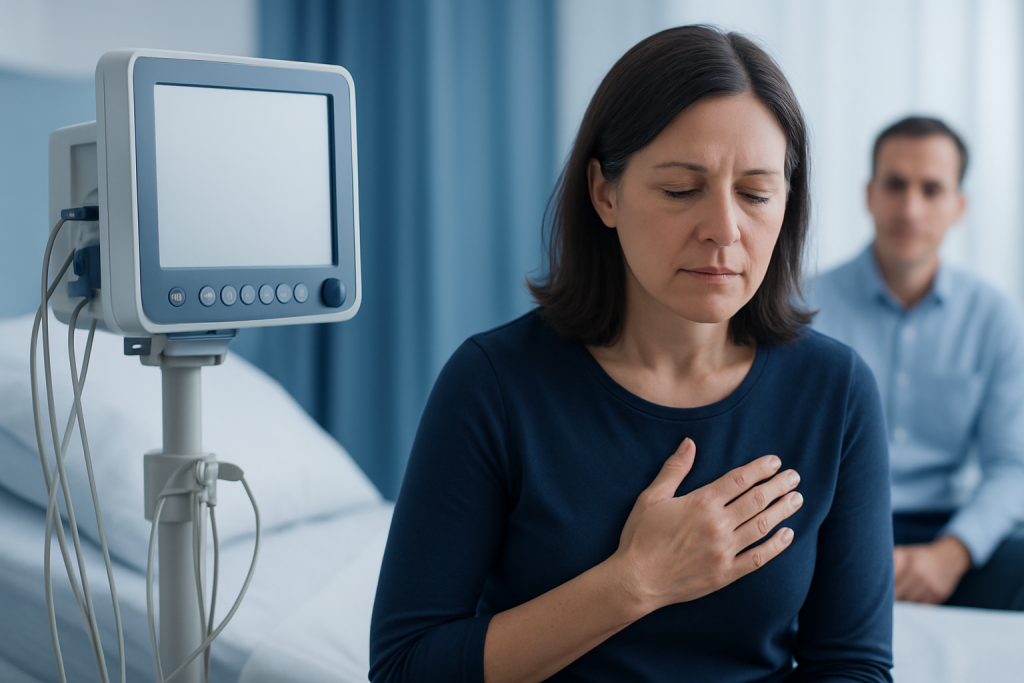
Some people notice a fast heart rate clearly, while others discover it only when checking a wearable device or pulse. A person may feel pounding in the chest, fluttering, skipped beats, or a sense that the heart is racing. These symptoms are often called palpitations.
A rapid heartbeat may occur on its own or along with other symptoms. These can include lightheadedness, dizziness, feeling weak, shortness of breath, sweating, shakiness, chest discomfort, or unusual fatigue. In some cases, symptoms come in episodes and then stop suddenly; in others, the heartbeat stays fast for longer periods.
More concerning symptoms include fainting, severe chest pain, marked shortness of breath, confusion, or symptoms that begin suddenly and feel intense. These warning signs can suggest that the heart is not pumping effectively or that the rapid rate is related to a more serious condition. A person with these symptoms should seek urgent medical care.
- Common sensations: racing, pounding, fluttering, or irregular beating
- Possible associated symptoms: dizziness, breathlessness, fatigue, anxiety, sweating
- Urgent symptoms: fainting, chest pain, severe shortness of breath, collapse
Common Causes and Risk Factors

Many everyday factors can raise the resting heart rate. Stress and anxiety activate the body’s “fight or flight” response, which increases adrenaline and speeds the pulse. Fever, dehydration, poor sleep, pain, and recent illness can have a similar effect. Stimulants such as caffeine, nicotine, energy drinks, and recreational drugs may also trigger a rapid heartbeat.
Medical causes are also important. A fast heart rate at rest may occur with anemia, an overactive thyroid, low blood pressure, infection, lung conditions, or low oxygen levels. Some medications, including certain decongestants, asthma medicines, thyroid medication, and stimulant drugs, can contribute. Hormonal changes, including pregnancy or menopause-related symptoms, may play a role in some people.
Sometimes the cause is related directly to the heart’s electrical system. This includes rhythm disorders such as arrhythmia, supraventricular tachycardia, atrial fibrillation, or less commonly other forms of tachycardia. Underlying heart disease, high blood pressure, sleep apnea, obesity, diabetes, smoking, and a family history of rhythm problems can increase risk. A very fast rate that starts and stops abruptly is more suggestive of a rhythm problem than a gradual increase linked to stress or illness.
How Doctors Evaluate a Fast Heart Rate at Rest
Evaluation begins with a careful history. The doctor will usually ask when the fast heartbeat occurs, how long it lasts, whether it feels regular or irregular, and what symptoms come with it. Triggers such as stress, illness, new medication, caffeine use, alcohol, and exercise are also important. A person may be asked about past heart disease, thyroid problems, anemia, or family history of sudden cardiac conditions.
A physical exam often includes checking pulse, blood pressure, temperature, oxygen level, and listening to the heart and lungs. If symptoms are present during the visit, the doctor may be able to identify whether the pulse is simply fast or also irregular. Basic blood tests may help look for anemia, infection, electrolyte problems, or thyroid disease.
Tests that record the heart’s rhythm are central to diagnosis. An electrocardiogram can show whether the rhythm is normal sinus tachycardia or another rhythm disorder. If episodes come and go, ambulatory monitoring such as a Holter monitor or event recorder may be recommended. Depending on the situation, further evaluation may include an echocardiogram to assess heart structure, electrocardiography (ECG) in clinic, or other cardiology evaluation to guide next steps.
Treatment Options
Treatment depends on the cause rather than the heart rate alone. When the rapid pulse is a normal response to fever, dehydration, anxiety, or stimulant use, treatment focuses on the trigger. Rest, fluids, reducing caffeine, managing stress, and treating the underlying illness may allow the heart rate to settle. If a medication is contributing, a doctor may review alternatives or adjust the treatment plan.
When an underlying medical condition is found, treating that condition often improves the heartbeat. Examples include managing thyroid disease, correcting anemia, treating infection, and addressing sleep apnea or lung disease. If the fast heartbeat is due to a rhythm disorder, treatment may involve medicines to slow or regulate the heart rate, closer monitoring, or specialist procedures.
Some people need evaluation by a heart rhythm specialist, especially if symptoms are frequent, severe, or linked to an abnormal ECG. In selected cases, doctors may discuss electrophysiology testing or procedures such as cardiac ablation when a specific rhythm source can be identified. Near the end of the care pathway, some international patients choose centers such as Acibadem International, where multidisciplinary specialists in JCI-accredited hospitals diagnose and treat heart rhythm conditions.
Self-Care and Prevention
Simple measures can help reduce episodes of fast heart rate at rest, especially when lifestyle factors are involved. Good hydration, regular sleep, balanced meals, and limiting caffeine, nicotine, and alcohol can make a difference. Stress reduction techniques such as slow breathing, mindfulness, and regular physical activity may also help regulate the nervous system and support cardiovascular health.
People who notice a rapid pulse should review any recent changes in medicines or supplements with a doctor or pharmacist. Over-the-counter cold remedies, stimulant products, and weight-loss supplements are common triggers. It can also help to keep a symptom diary that notes the time of episodes, pulse rate if known, activities, foods or drinks consumed, and accompanying symptoms.
General heart-healthy habits support prevention over time. These include not smoking, staying physically active within a doctor’s guidance, maintaining a healthy weight, and managing blood pressure, diabetes, and cholesterol. For people with known rhythm conditions such as atrial fibrillation, following the prescribed treatment plan and attending follow-up appointments is especially important.
When It Needs Medical Attention
A fast heart rate at rest should be evaluated if it happens repeatedly without an obvious reason, lasts longer than expected, or causes troubling symptoms. Medical review is also wise when the pulse is persistently high, a wearable device repeatedly shows unusual rates, or there is a known history of heart disease. Even when the cause is not serious, evaluation can provide reassurance and help prevent future episodes.
Urgent medical care is needed if a rapid heartbeat is accompanied by chest pain, fainting, severe shortness of breath, weakness on one side, confusion, or signs of poor circulation. These symptoms can point to a potentially serious heart rhythm problem or another acute medical issue. A person should not ignore a new, sudden, or intense episode, especially if they feel unwell.
Children, older adults, pregnant people, and those with chronic heart or lung disease may need lower thresholds for assessment because symptoms can be less typical or more impactful. Any concerns about a fast heart rate at rest are best discussed with a qualified healthcare professional who can decide whether observation, testing, or treatment is needed.
Frequently asked questions
What is considered a fast heart rate at rest?
In adults, a resting heart rate above about 100 beats per minute is often considered fast and may be called tachycardia. Normal resting rates vary, so a doctor looks at the number together with symptoms, health history, and whether the rhythm is regular or irregular.
Can anxiety cause a fast heart rate at rest?
Yes. Anxiety, panic, and stress can release adrenaline, which makes the heart beat faster even when a person is not physically active. If this happens often or is hard to distinguish from a heart problem, medical evaluation can help.
Is a fast heart rate at rest always dangerous?
No. Many episodes are related to temporary triggers such as dehydration, fever, caffeine, or stress and improve once the trigger is addressed. Still, persistent, unexplained, or symptomatic episodes should be checked by a doctor.
When should someone go to the emergency department for a rapid heartbeat?
Emergency care is important if the rapid heartbeat comes with chest pain, fainting, severe shortness of breath, confusion, or a feeling of collapse. These symptoms can signal that the heart or circulation is being affected and should not be ignored.
How is the cause of a fast heart rate diagnosed?
Doctors usually start with a history, physical exam, and pulse check. They may order an ECG, blood tests, and sometimes a heart monitor worn at home to capture brief or occasional episodes.
Can dehydration make the heart race?
Yes. When the body lacks enough fluid, the heart may beat faster to help maintain blood flow. Drinking fluids and treating the reason for fluid loss can often help, but persistent symptoms still need medical advice.
References
- American Heart Association
- National Heart, Lung, and Blood Institute
- European Society of Cardiology
- Mayo Clinic
- National Health Service
This article is for general information only and is not a substitute for professional medical advice. Please consult a qualified doctor about your individual situation.
Heart care in Turkey — expert evaluation and treatment
JCI-accredited · board-certified surgeons · reply within 24h
Add us as a Preferred Source to see more of our trusted health content across Google Search, AI Overviews and Discover.
Check your numbers in seconds
BMI, calories, due date, blood pressure and 30+ more clinical calculators — free, instant, doctor-reviewed ranges.