Fasting Blood Sugar: A Complete Medical Overview

Fasting blood sugar is usually measured after at least 8 hours with no food, though water is generally allowed. The test is commonly used to screen for prediabetes and diabetes and to monitor glucose control.
Key Takeaways
- Fasting blood sugar is usually measured after at least 8 hours with no food, though water is generally allowed.
- The test is commonly used to screen for prediabetes and diabetes and to monitor glucose control.
- Results should be interpreted in context, because stress, illness, medicines, sleep, and lab timing can affect levels.
- A single abnormal result does not always confirm a diagnosis; repeat testing or other tests may be needed.
- Healthy eating, regular activity, weight management, sleep, and follow-up care all support healthy blood sugar control.
Fasting blood sugar is a simple blood test that measures glucose after at least 8 hours without food. It helps doctors assess how the body regulates sugar and can point to normal glucose control, prediabetes, diabetes, or, less commonly, low blood sugar.
Overview: what fasting blood sugar means
Fasting blood sugar is the amount of glucose circulating in the blood after a person has not eaten for at least 8 hours. It is one of the most widely used ways to check how well the body manages glucose between meals and overnight. Because food temporarily raises blood sugar, measuring it during a fasting period gives doctors a clearer baseline reading.
Glucose is the body’s main fuel source. Hormones, especially insulin, help move glucose from the blood into cells where it can be used for energy. When this system does not work properly, blood sugar may stay higher than expected. Over time, that can suggest prediabetes or diabetes. In other cases, fasting blood sugar may be lower than expected, which can happen with certain medical conditions, medications, or eating patterns.
This test is often part of routine health screening, especially in adults with risk factors such as excess weight, family history of diabetes, high blood pressure, abnormal cholesterol, or a history of gestational diabetes. It may also be ordered when a person has symptoms such as unusual thirst, frequent urination, unexplained fatigue, blurred vision, or recurrent infections.
Although fasting blood sugar is useful, it is only one part of the picture. Doctors may combine it with other measures, such as HbA1c or an oral glucose tolerance test, to confirm whether blood sugar regulation is normal or whether further evaluation for diabetes is needed.
What is considered normal, high, or low?
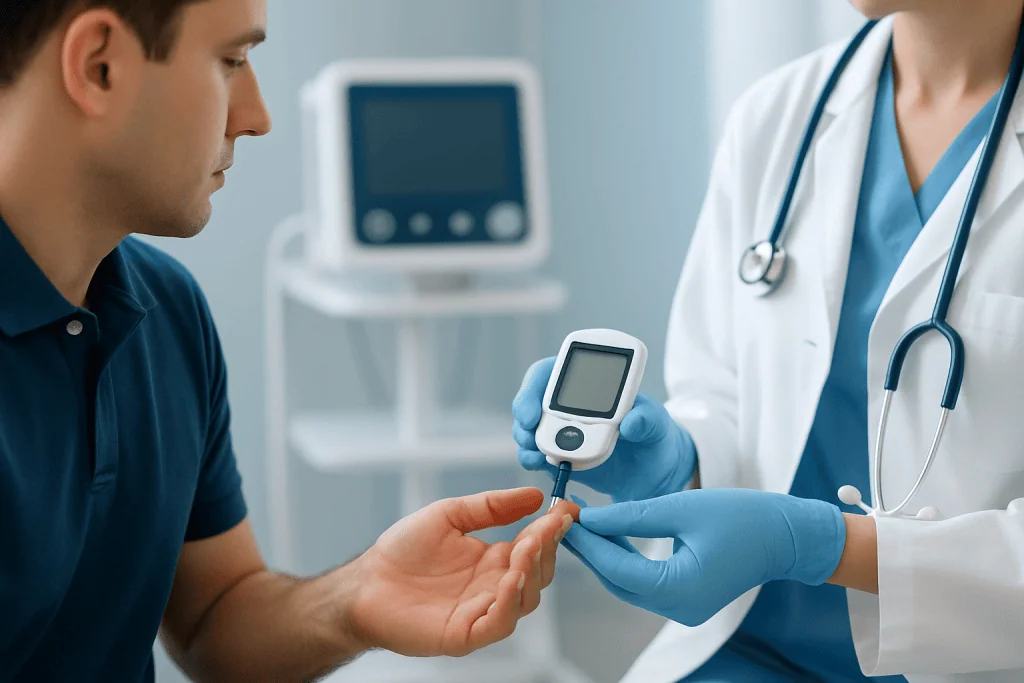
For most adults, a normal fasting blood sugar is generally below 100 mg/dL. A fasting result from 100 to 125 mg/dL may suggest prediabetes, meaning blood sugar is higher than normal but not yet in the diabetes range. A fasting level of 126 mg/dL or higher on repeat testing may support a diagnosis of diabetes.
Low fasting blood sugar is less common in people who do not use glucose-lowering medicines, but it can occur. In many settings, blood sugar below 70 mg/dL is considered low enough to deserve attention, especially if symptoms such as shakiness, sweating, confusion, dizziness, or weakness are present.
These cutoffs are helpful, but they are not the whole story. A result can be influenced by recent illness, poor sleep, stress hormones, medications such as corticosteroids, heavy alcohol use, pregnancy, or even whether the fasting period was longer or shorter than intended. For that reason, doctors interpret the number alongside symptoms, medical history, and often a repeat test.
Children, pregnant women, and people with known diabetes may have different targets or follow different testing plans. Home glucose meter readings and laboratory blood tests may also differ slightly, so results should always be reviewed in the clinical context rather than judged in isolation.
Why fasting blood sugar changes

Fasting blood sugar can rise when the body becomes less sensitive to insulin, when the pancreas does not make enough insulin, or when the liver releases too much glucose overnight. This is why elevated fasting results are often linked with insulin resistance, prediabetes, and type 2 diabetes. Type 1 diabetes, pancreatic disease, and some hormonal disorders can also cause high readings.
Lifestyle factors play an important role. Diets high in refined carbohydrates, low physical activity, weight gain around the abdomen, inadequate sleep, and chronic stress can all contribute to higher fasting glucose over time. Some people also notice high morning readings because of natural overnight hormone changes, sometimes called the dawn phenomenon.
Medical conditions and medicines matter as well. Infection, fever, recent surgery, severe stress, and corticosteroid treatment may temporarily increase blood sugar. Less commonly, lower fasting readings may be related to prolonged fasting, certain diabetes medications, alcohol, liver disease, hormone deficiencies, or other causes of hypoglycemia.
Risk factors for abnormal fasting blood sugar include older age, family history of diabetes, overweight or obesity, sedentary lifestyle, high blood pressure, abnormal cholesterol, polycystic ovary syndrome, previous gestational diabetes, and a history of cardiovascular disease. In some people, a broader metabolic assessment may be needed if fasting glucose is persistently abnormal.
How the test is done and how to prepare
To measure fasting blood sugar, a blood sample is taken after at least 8 hours without eating. Water is usually allowed unless a clinician gives different instructions. The sample may be collected from a vein in a laboratory or hospital setting, and in some cases fasting glucose may also be checked with a finger-stick device, especially for people already monitoring diabetes.
Preparation is important because even small changes can affect the result. It is best to follow the fasting instructions carefully, avoid calorie-containing drinks, and ask in advance whether usual medicines should be taken before the test. Most people should not stop prescribed medications unless a doctor specifically advises it.
Doctors may order fasting blood sugar on its own or alongside other tests, such as an HbA1c test, lipid testing, kidney function tests, or a general medical check-up. If a result is borderline or inconsistent with symptoms, it may be repeated on another day or followed by an oral glucose tolerance test.
One useful point for patients is that fasting blood sugar reflects a single moment in time, while HbA1c reflects average blood sugar over the past two to three months. That is why a person can sometimes have a fasting value that seems acceptable but still have a raised HbA1c, or the reverse. Both tests can be helpful when interpreted together.
How doctors interpret the result
An isolated fasting blood sugar result rarely tells the whole story. Doctors first check whether the result is normal, borderline, high, or low, then compare it with symptoms, risk factors, and any previous test results. If fasting blood sugar is mildly elevated, the next step may be to repeat the test or pair it with HbA1c to see whether the pattern is persistent.
If fasting blood sugar is high on more than one occasion, clinicians may evaluate for prediabetes or diabetes and look for related conditions such as high blood pressure, abnormal cholesterol, fatty liver disease, or obesity. This broader review matters because blood sugar problems often develop as part of a larger metabolic pattern rather than in isolation.
If fasting blood sugar is low, the doctor may ask about skipped meals, alcohol intake, exercise, weight loss, medications, and symptoms during the fasting period. In some cases, further tests are needed to identify the cause of recurrent low blood sugar, especially if episodes are severe or happen without an obvious explanation.
For people already diagnosed with diabetes, fasting blood sugar helps guide management decisions, but it is not the only measure used. Doctors may also review post-meal readings, HbA1c, and signs of complications to decide whether lifestyle changes, medicines, or more specialized care are appropriate, including endocrinology and metabolic disease evaluation when needed.
Treatment and ways to improve fasting blood sugar
Treatment depends on why fasting blood sugar is abnormal. If the result suggests prediabetes, the main approach is usually lifestyle change. This often includes eating balanced meals with appropriate portions, choosing high-fiber foods, limiting sugary drinks and highly refined carbohydrates, increasing physical activity, improving sleep, and working toward a healthy weight if advised by a doctor.
If diabetes is diagnosed, treatment may include structured nutrition guidance, regular exercise, home glucose monitoring, and medication. Some people can manage early abnormalities through lifestyle steps alone, while others benefit from tablets or insulin depending on the type of diabetes, the degree of elevation, and other health conditions. Treatment plans are individualized and reviewed over time.
For low fasting blood sugar, management focuses on the cause. A doctor may review meal timing, alcohol use, exercise habits, and medications. In people taking glucose-lowering treatment, adjustments may be needed to reduce episodes of hypoglycemia. Anyone with repeated symptoms should seek medical guidance rather than trying to self-manage without a diagnosis.
Supportive care also matters. Learning how food, stress, sleep, and activity affect blood sugar can make day-to-day control easier and more predictable. Near the end of the care pathway, some people choose specialist review at centers such as Acibadem International, where multidisciplinary teams in JCI-accredited hospitals evaluate and treat metabolic conditions for international patients.
Prevention and self-care for healthier glucose control
Many people can reduce their risk of high fasting blood sugar by adopting sustainable daily habits. Regular movement helps the body use insulin more effectively, and even moderate activity spread through the week can be beneficial. Meals built around vegetables, whole grains, legumes, lean protein, and healthy fats often support steadier blood sugar than patterns heavy in sugary or ultra-processed foods.
Weight management can improve fasting glucose, especially when extra weight is carried around the waist. The goal is usually gradual, realistic change rather than quick or restrictive dieting. Consistent sleep and stress management also support hormonal balance and may help reduce morning glucose elevations in some individuals.
People at higher risk should keep up with routine screening. That includes those with family history, prior gestational diabetes, polycystic ovary syndrome, overweight or obesity, high blood pressure, or abnormal cholesterol. Preventive care is not just about identifying diabetes; it also helps detect related issues early, when they may be easier to address.
Self-care should remain practical and safe. Keeping follow-up appointments, reviewing medicines with a clinician, and asking whether additional assessment for obesity or other metabolic concerns is appropriate can help create a clearer long-term plan. Sudden or extreme dietary changes should ideally be discussed with a qualified healthcare professional.
When to seek medical care
Medical advice is recommended if fasting blood sugar is repeatedly above the normal range, especially if a person also has thirst, frequent urination, blurry vision, unexplained weight change, fatigue, slow-healing wounds, or recurrent infections. These symptoms do not always mean diabetes, but they do deserve assessment.
Prompt care is especially important if there are symptoms of low blood sugar, such as shakiness, sweating, confusion, faintness, unusual drowsiness, or loss of consciousness. Urgent evaluation is also needed if high blood sugar is accompanied by vomiting, dehydration, abdominal pain, or altered alertness.
People who are pregnant, planning pregnancy, or living with known diabetes should not ignore abnormal fasting results. Early review can help protect both immediate health and long-term outcomes. If a clinician recommends further testing, it is best to complete it rather than relying on one result alone.
When uncertainty remains, a specialist evaluation can be helpful. Depending on the situation, doctors may recommend repeat fasting blood sugar, HbA1c, a glucose tolerance test, or assessment for related endocrine or metabolic conditions to find the most likely cause and the most appropriate next steps.
Frequently asked questions
How long should a person fast before a fasting blood sugar test?
In most cases, fasting means no food for at least 8 hours before the blood test. Water is generally allowed, but other drinks may affect the result. If there are questions about medications or morning routines, it is best to ask the testing center or doctor in advance.
What is a normal fasting blood sugar level?
For most adults, a fasting blood sugar below 100 mg/dL is considered normal. A level from 100 to 125 mg/dL may indicate prediabetes, while 126 mg/dL or higher on repeat testing may suggest diabetes. Results should always be interpreted by a qualified clinician.
Can fasting blood sugar be high even if a person feels well?
Yes. Prediabetes and early diabetes often cause no noticeable symptoms, which is why screening is important. A person may feel completely well and still have an abnormal fasting blood sugar result.
What can cause a temporary rise in fasting blood sugar?
Illness, infection, stress, poor sleep, certain medications such as steroids, and not following fasting instructions carefully can all affect the result. Hormonal changes in the early morning may also contribute to higher readings in some people. If a result seems unexpected, a doctor may repeat the test.
Is fasting blood sugar the same as HbA1c?
No. Fasting blood sugar measures glucose at one point in time after a period without food, while HbA1c reflects average blood sugar over the previous two to three months. Doctors often use both tests together because they provide different but complementary information.
Can lifestyle changes lower fasting blood sugar?
Yes, in many people they can. Regular physical activity, balanced meals, weight management, adequate sleep, and follow-up medical care can improve how the body handles glucose. The exact plan depends on whether the issue is prediabetes, diabetes, or another cause.
This article is for general information only and is not a substitute for professional medical advice. Please consult a qualified doctor about your individual situation.
Explore treatments in Turkey — costs, top hospitals & a free quote
JCI-accredited · board-certified surgeons · reply within 24h
Add us as a Preferred Source to see more of our trusted health content across Google Search, AI Overviews and Discover.
Check your numbers in seconds
BMI, calories, due date, blood pressure and 30+ more clinical calculators — free, instant, doctor-reviewed ranges.

More from the Health Library

Khan Salman Khan: A Complete Medical Overview

Cure of Melasma — Explained by Medical Evidence, Not Myths

Healthy Snacks for Weight Loss: What Patients Need to Know

Tetraplegia: An Evidence-Based Guide for Patients

Treat Gyno — Explained by Medical Evidence, Not Myths