Fear of the Unknown — Explained by Medical Evidence, Not Myths

Fear of the unknown is often linked to the brain’s natural threat-detection system and a tendency to seek predictability. Mild worry about uncertainty is normal, but persistent distress may be related to anxiety disorders or other mental health conditions.
Key Takeaways
- Fear of the unknown is often linked to the brain’s natural threat-detection system and a tendency to seek predictability.
- Mild worry about uncertainty is normal, but persistent distress may be related to anxiety disorders or other mental health conditions.
- Symptoms can include racing thoughts, muscle tension, avoidance, trouble sleeping, and physical signs of stress.
- Treatment may include psychotherapy, stress-management strategies, and, in some cases, medication prescribed by a qualified clinician.
- Seeking help is appropriate when fear feels overwhelming, lasts for weeks, or affects everyday life.
Fear of the unknown is a common human response to uncertainty, change, or incomplete information. It becomes a health concern when it is intense, persistent, or starts to interfere with sleep, work, relationships, or daily functioning.
Overview: What Fear of the Unknown Means
Fear of the unknown is the distress a person feels when facing uncertainty, unpredictability, or a lack of clear answers. In medical and psychological terms, this response is closely related to intolerance of uncertainty, a pattern in which the mind interprets unclear situations as especially difficult or threatening. This does not mean something is “wrong” with the person. It means the brain is trying to protect them when it cannot fully predict what comes next.
Some degree of unease about uncertain events is normal and can even be helpful. It may encourage planning, caution, and preparation before a major life event, test result, diagnosis, job change, or travel decision. The concern becomes more important from a health perspective when it is strong, frequent, and hard to control, or when it leads to avoidance, panic-like symptoms, or problems with daily functioning.
Fear of the unknown is not a formal diagnosis on its own. Instead, it can appear as part of broader mental health patterns, especially anxiety-related conditions. In some people, it overlaps with anxiety symptoms such as constant worry, physical tension, and overestimating danger. Understanding this response through medical evidence helps separate it from myths, personal weakness, or character flaws.
Why the Brain Reacts This Way
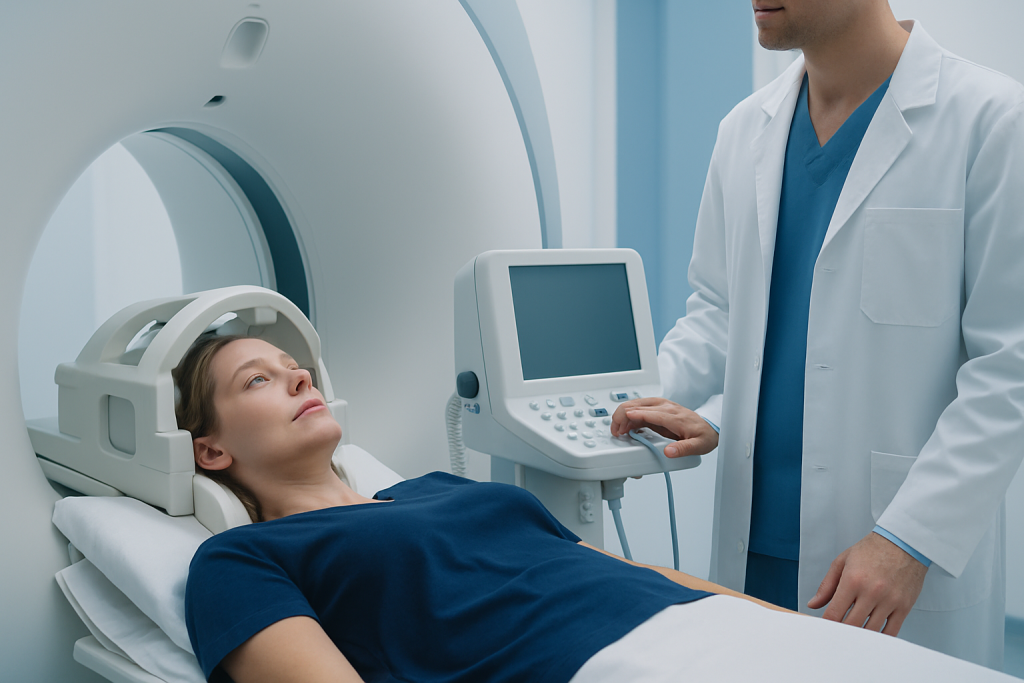
The human brain is built to notice possible threats and reduce uncertainty whenever possible. When information is incomplete, the brain may fill in gaps with worst-case scenarios. This is a common survival mechanism: from an evolutionary perspective, being alert to unclear risks could help protect against harm. In modern life, however, the same system may react strongly to situations that are uncertain but not dangerous, such as waiting for a phone call, test results, or a major decision.
Research in psychology and neuroscience suggests that uncertainty can increase activity in stress and emotion networks. A person may feel on edge because the body prepares for action even when no immediate threat is present. This can lead to a cycle in which uncertainty creates discomfort, discomfort drives reassurance-seeking or avoidance, and those habits briefly reduce distress but make the fear stronger over time.
This evidence-based view is important because it challenges common myths. Fear of the unknown is not simply “overthinking,” a lack of willpower, or a sign that someone is irrational. It is better understood as an interaction between brain biology, learned experiences, temperament, and current stress. When it becomes disruptive, proper evaluation can help identify whether it is part of a treatable condition.
Common Symptoms and Everyday Effects

Fear of the unknown can affect thoughts, emotions, behavior, and the body. Mentally, a person may feel stuck on “what if” questions, imagine negative outcomes, or feel unable to relax until they have certainty. Emotionally, they may experience dread, irritability, restlessness, or a sense of losing control when plans change or answers are delayed.
Physical symptoms often reflect the body’s stress response. These may include a fast heartbeat, shallow breathing, sweating, muscle tension, stomach discomfort, headache, fatigue, or trouble sleeping. If the stress response becomes intense, some people may also develop panic-like episodes. In others, uncertainty may worsen symptoms of panic attacks or generalized anxiety.
Behavior changes are often the clearest sign that the problem is becoming significant. A person may avoid medical appointments, delay decisions, repeatedly seek reassurance, compulsively check messages or results, or refuse new experiences because they feel unpredictable. Over time, this can affect relationships, school or work performance, and overall quality of life.
- Persistent worrying about future outcomes
- Difficulty tolerating waiting or not knowing
- Avoidance of change, travel, or unfamiliar situations
- Repeated reassurance-seeking from family, friends, or doctors
- Sleep disturbance and concentration problems
Causes, Triggers, and Risk Factors
There is usually no single cause of fear of the unknown. Instead, several factors may contribute. Some people naturally have a more sensitive stress response or a temperament that favors caution. Others may have learned from past experiences that uncertainty leads to danger, disappointment, illness, or loss. Difficult childhood experiences, major life transitions, medical scares, or prolonged stress can increase sensitivity to uncertainty.
Mental health conditions can also play a role. Fear of the unknown is commonly seen in generalized anxiety disorder, health anxiety, panic disorder, obsessive-compulsive disorder, and some trauma-related conditions. It may also become stronger during periods of burnout, grief, or significant life instability. In these situations, the issue is not just the unknown itself, but the reduced ability to feel safe while waiting for clarity.
Common triggers include waiting for test results, starting a new job, uncertainty in relationships, financial concerns, pregnancy, unfamiliar travel, and major world events. Medical uncertainty can be especially stressful because it combines physical concerns with unanswered questions. If fear becomes broad, persistent, or accompanied by mood changes, a clinician may assess for related concerns such as depression or other anxiety conditions.
How Doctors and Mental Health Professionals Evaluate It
Evaluation usually begins with a conversation about symptoms, timing, triggers, daily functioning, sleep, stress, and medical history. A doctor or mental health professional will want to understand whether fear is situational and temporary or whether it has become a longer-lasting pattern. They may ask how much time is spent worrying, what situations are avoided, and whether there are physical symptoms such as palpitations, dizziness, or gastrointestinal upset.
Because anxiety symptoms can overlap with physical illness, clinicians may also look for medical contributors when appropriate. Thyroid disorders, sleep problems, medication side effects, stimulant use, and some heart or hormonal conditions can increase feelings of nervousness or agitation. In that sense, assessment is not about labeling a person quickly; it is about understanding the whole picture and ruling out other causes.
If fear of the unknown is significantly affecting life, screening for anxiety, panic, trauma, or depression may be recommended. In some cases, referral to a specialist may be helpful, especially if symptoms are severe or complex. Diagnostic support may include a medical review and, when needed, expert care in psychiatry or clinical psychology to clarify the problem and guide treatment.
Treatment Options That Can Help
Treatment depends on how severe the symptoms are and whether they occur on their own or as part of an anxiety disorder. For many people, psychotherapy is a main treatment. Cognitive behavioral therapy can help a person identify unhelpful thought patterns, reduce catastrophic thinking, and gradually build tolerance for uncertainty. This approach does not promise certainty; instead, it helps the person function more calmly even when certainty is not available.
Other therapeutic approaches may include mindfulness-based strategies, acceptance-focused techniques, and stress-management training. These methods aim to reduce the urge to control every outcome and teach practical skills for staying grounded in the present. Breathing exercises, sleep support, and structured problem-solving may also be part of care, especially when physical tension or insomnia is present.
In some cases, medication may be considered, particularly if symptoms are persistent, severe, or linked to a diagnosed anxiety or mood disorder. Medication decisions should always be individualized and discussed with a qualified physician. For patients who need coordinated care, support from specialists in mental health and diseases may be useful. Near the end of the care pathway, some patients also benefit from a broader review of stress, sleep, and neurological symptoms with services such as neurology when clinically appropriate.
Self-Care, Prevention, and Building Tolerance for Uncertainty
Although uncertainty cannot be removed from life, people can learn healthier ways to respond to it. A helpful first step is recognizing the difference between productive problem-solving and repetitive worry. Productive problem-solving leads to a specific action, such as making an appointment or gathering clear information. Repetitive worry circles around possibilities without resolution and often increases distress.
Daily habits can make a meaningful difference. Regular sleep, physical activity, balanced meals, and limiting excess caffeine can reduce the body’s baseline stress level. It may also help to set boundaries on news consumption, internet searching, and repeated checking behaviors, all of which can unintentionally reinforce fear.
Practical strategies include naming the uncertainty clearly, focusing on what is controllable today, using slow breathing to calm physical arousal, and gradually facing manageable unfamiliar situations instead of avoiding them. Support from trusted family members, friends, or a therapist can also help. When self-care is not enough, professional support is a sensible next step rather than a sign of failure.
When to Seek Medical Care
Medical or mental health care should be considered when fear of the unknown is intense, lasts for several weeks, causes marked distress, or interferes with work, school, sleep, relationships, or everyday responsibilities. It is also reasonable to seek help if a person notices frequent panic-like symptoms, avoids important appointments or decisions, or feels unable to function while waiting for information.
Urgent evaluation is especially important if symptoms come with chest pain, fainting, severe shortness of breath, new confusion, or other signs that could indicate a physical medical emergency. Immediate help is also needed if a person has thoughts of self-harm, hopelessness, or feels unsafe. These situations require prompt professional attention.
For international patients who need assessment and treatment, Acibadem International’s multidisciplinary specialists and JCI-accredited hospitals provide diagnosis and care for anxiety-related concerns in a coordinated setting. A qualified clinician can help determine whether the fear reflects a normal stress response, an anxiety disorder, or another medical issue that needs treatment.
Frequently asked questions
Is fear of the unknown normal?
Yes. Most people feel some discomfort when facing uncertainty, especially during major life changes or while waiting for important answers. It becomes more of a health concern when it is persistent, overwhelming, or interferes with daily life.
Is fear of the unknown the same as anxiety?
Not exactly. Fear of the unknown is a common response to uncertainty, while anxiety is a broader experience that can include many different worries and physical symptoms. However, strong fear of uncertainty often appears as part of anxiety disorders.
Why does uncertainty feel so physically uncomfortable?
Uncertainty can activate the body’s stress response, even when there is no immediate danger. This may lead to a faster heartbeat, muscle tension, shallow breathing, stomach upset, and difficulty sleeping.
Can fear of the unknown cause panic attacks?
It can contribute to panic symptoms in some people, particularly if uncertainty triggers intense worry and physical arousal. A clinician can help determine whether these episodes are panic attacks or another medical issue.
How can a person cope with fear of uncertainty day to day?
Helpful steps include limiting repeated checking and reassurance-seeking, focusing on what can be controlled today, practicing slow breathing, and maintaining regular sleep and exercise. If symptoms continue, therapy can teach structured ways to tolerate uncertainty more effectively.
When should someone talk to a doctor about it?
A doctor or mental health professional should be consulted if symptoms last for weeks, feel hard to control, or affect work, school, sleep, or relationships. Prompt care is especially important if symptoms are severe or accompanied by thoughts of self-harm.
References
- World Health Organization
- National Institute of Mental Health
- American Psychiatric Association
- National Health Service
- Centers for Disease Control and Prevention
This article is for general information only and is not a substitute for professional medical advice. Please consult a qualified doctor about your individual situation.
Explore treatments in Turkey — costs, top hospitals & a free quote
JCI-accredited · board-certified surgeons · reply within 24h
Add us as a Preferred Source to see more of our trusted health content across Google Search, AI Overviews and Discover.

More from the Health Library

Heart Palpitations — Explained by Medical Evidence, Not Myths

Dyspnea on Exertion — Explained by Medical Evidence, Not Myths

Blue Chews for Men: What Patients Need to Know

It Band Stretches: What Patients Need to Know

Hair Care: What Patients Need to Know