Hair Care: What Patients Need to Know

Healthy hair care focuses on both the scalp and the hair shaft. Gentle washing, limited heat, and reduced chemical stress can help prevent breakage.
Key Takeaways
- Healthy hair care focuses on both the scalp and the hair shaft.
- Gentle washing, limited heat, and reduced chemical stress can help prevent breakage.
- Persistent hair loss, scalp pain, itching, scaling, or patchy thinning should be medically evaluated.
- Nutrition, hormones, stress, and some illnesses can affect hair quality and growth.
- A dermatologist can help identify treatable causes of hair and scalp problems.
Hair care is more than choosing a shampoo. Good hair care supports the scalp, protects the hair shaft from damage, and helps people recognize when shedding, breakage, or irritation may need medical attention.
Overview: what hair care really means
Hair care means protecting both the hair and the scalp through everyday habits, suitable products, and timely medical evaluation when problems develop. For most people, a good routine includes gentle cleansing, avoiding unnecessary damage, supporting overall health, and paying attention to changes such as unusual shedding, itching, or scalp flaking.
Hair itself is made of keratin and does not heal once the shaft is damaged. The scalp, however, is living skin and plays a central role in healthy hair growth. This is why effective hair care is not only cosmetic. It also involves skin health, inflammation control, nutrition, and identifying medical conditions that may contribute to hair loss or scalp symptoms.
Hair type, age, styling habits, climate, and cultural practices all influence the best routine. Curly, coily, straight, fine, and chemically treated hair may all need different washing frequency, moisturizing strategies, and styling methods. A patient-friendly approach to hair care starts with understanding these differences rather than following one universal routine.
How healthy hair and scalp function
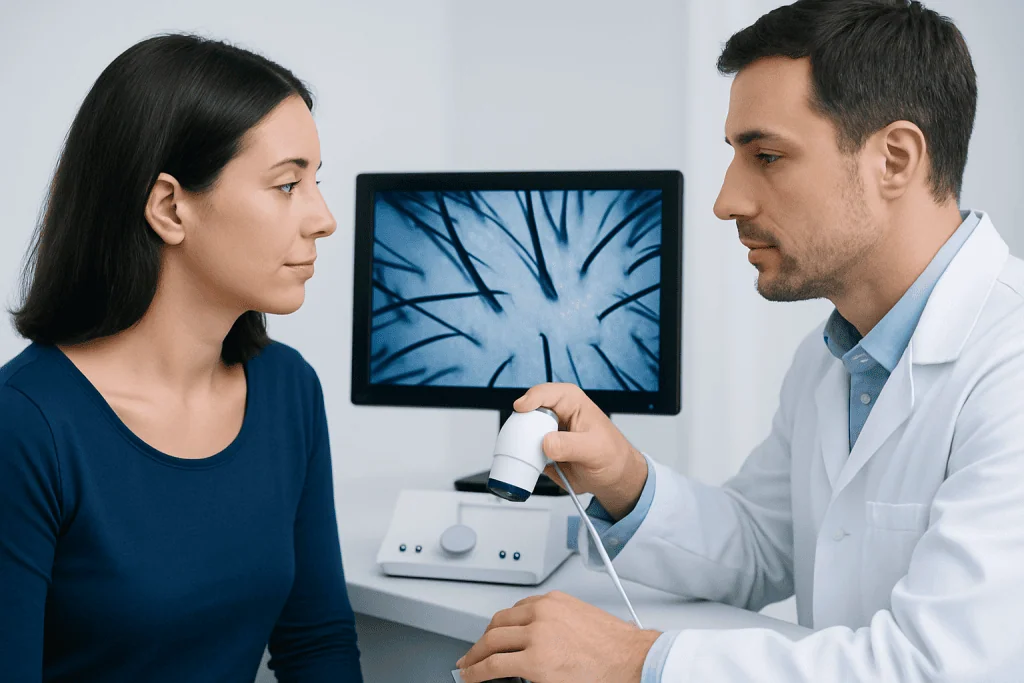
Each hair grows from a follicle in the scalp and passes through a natural cycle of growth, transition, rest, and shedding. Some daily shedding is normal. New hairs usually replace those that fall out, but this balance can be disrupted by genetics, hormones, stress, nutritional deficiencies, inflammation, or illness.
The scalp produces oil that helps protect hair and skin. Too little moisture can leave hair brittle, while too much oil or product buildup can weigh hair down and irritate the scalp. The goal of hair care is balance: clean enough to remove sweat, oil, and residue, but gentle enough to preserve the scalp barrier and the hair’s outer protective layer.
When the scalp becomes inflamed, hair quality may suffer. Conditions such as dandruff, fungal infection, eczema, or psoriasis can cause scaling, itching, redness, and increased shedding. Some scalp disorders may also lead to scarring and permanent hair loss if not treated promptly, which is why scalp symptoms should not be ignored.
A practical daily and weekly hair care routine

A good hair care routine should be simple, consistent, and adapted to the person’s hair type. Washing frequency varies. Oily scalps may need more frequent cleansing, while dry, textured, or tightly curled hair may do better with less frequent washing and more conditioning. A mild shampoo applied mainly to the scalp, followed by a conditioner focused on the hair lengths, is a common starting point.
After washing, hair should be handled gently. Rubbing vigorously with a towel, brushing wet hair roughly, or using high heat can weaken the hair shaft and lead to breakage. A wide-tooth comb, a soft towel or cotton T-shirt for drying, and lower heat settings are often kinder to hair. Protective styling may help reduce friction, but styles that pull tightly can strain follicles over time.
Useful hair care habits include:
- Choosing shampoos and conditioners suitable for the scalp and hair type
- Limiting bleach, harsh dyes, relaxers, and frequent heat styling
- Using sunscreen protection for the scalp or wearing a hat in strong sun
- Sleeping on smooth pillowcases or using protective wraps if hair tangles easily
- Trimming split ends when needed, while understanding trims do not change hair growth from the scalp
People with ongoing dryness, heavy buildup, or difficult styling should be cautious with heavily fragranced or overly harsh products. More products are not always better. In many cases, a shorter ingredient list and a simpler routine can improve comfort and reduce irritation.
Common hair and scalp problems
Many patients seek advice about hair care because of shedding, thinning, dandruff, itching, or breakage. These concerns can look similar but have different causes. Breakage affects the hair shaft and often results from heat, tight styling, chemicals, or friction. Hair loss, in contrast, usually reflects a change at the follicle or in the body’s internal balance.
Dandruff and seborrheic dermatitis often cause visible flakes, itch, and scalp irritation. Patchy hair loss may suggest autoimmune conditions such as alopecia areata, while gradual thinning at the crown or temples is more typical of hereditary hair loss. Traction hair loss can develop from hairstyles that pull repeatedly on the scalp.
Some people notice increased shedding several weeks to months after childbirth, illness, surgery, rapid weight loss, major emotional stress, or certain medications. This pattern may reflect a temporary shift in the hair growth cycle. In other cases, scalp redness, pain, tenderness, pimples, or scarring can point to a more significant inflammatory condition that needs prompt dermatologic assessment.
Hair and scalp symptoms may also occur with skin disorders such as psoriasis or with chronic flaking related to seborrheic dermatitis. Recognizing whether the main issue is shedding, thinning, breakage, or scalp inflammation can help guide the right next step.
Why hair changes: causes and risk factors
Hair care habits matter, but they are only one part of the picture. Genetics strongly influence hair texture, density, and the likelihood of pattern hair loss. Hormonal changes related to thyroid disease, menopause, polycystic ovary syndrome, pregnancy, or postpartum recovery can also affect hair growth and shedding.
Nutritional factors are important as well. Hair may become more fragile or shed more if the body lacks adequate protein, iron, zinc, vitamin D, or other essential nutrients. Restrictive diets, eating disorders, digestive disorders that affect absorption, and significant unintentional weight loss can all play a role. Stress does not damage hair directly in every case, but it can contribute to shedding by shifting hair follicles into a resting phase.
Environmental and mechanical stressors also add up over time. Repeated blow-drying on high heat, flat irons, chemical straightening, bleaching, and tightly pulled styles increase the risk of shaft damage and traction-related loss. Even frequent scratching from an itchy scalp can worsen irritation and make hair seem thinner. For this reason, successful hair care often combines lifestyle changes with treatment of underlying scalp or medical conditions.
How doctors evaluate hair and scalp concerns
When hair changes become persistent or noticeable, a doctor will usually begin with a detailed history. Questions often cover the timing of hair loss, recent illness, medications, menstrual and hormonal history, family history, diet, stress, and styling practices. This information can help distinguish temporary shedding from pattern hair loss, inflammation, or breakage.
The physical examination focuses on the scalp, hair density, hair shaft quality, and the pattern of loss. A dermatologist may look for scaling, redness, scarring, miniaturized hairs, broken hairs, or signs of infection. In some cases, simple tests such as blood work may be used to check for anemia, thyroid problems, nutritional deficiencies, or other contributing factors.
If a specific scalp disorder is suspected, a doctor may recommend targeted treatment or further testing. Patients with significant thinning or patchy loss may be assessed for hair loss causes and treatment options. In selected cases, long-standing pattern baldness may be discussed together with procedural options such as hair transplant, but only after a proper diagnosis and realistic expectations are established.
Treatment options and supportive self-care
Treatment depends on the cause. For dandruff or seborrheic dermatitis, medicated shampoos or anti-inflammatory scalp treatments may help. For inflammatory or autoimmune conditions, a dermatologist may prescribe targeted therapies to reduce scalp irritation and protect follicles. Temporary shedding after illness or stress often improves gradually once the underlying trigger settles.
Pattern hair loss may be managed with evidence-based medical treatments recommended by a qualified doctor. Some patients also explore supportive options if hair thinning affects self-image or daily life. When appropriate, specialists may discuss platelet-rich plasma therapy or procedural approaches, though these are not suitable for every patient and should not replace evaluation for treatable medical causes.
Self-care remains important alongside treatment. Patients are usually advised to avoid harsh chemical processing during active shedding, reduce tight hairstyles, and use gentle scalp care products. A balanced diet, management of chronic health conditions, and realistic expectations are all part of long-term hair care. Hair regrowth is often gradual, so it may take time before improvement is visible.
Near the end of the care pathway, some people benefit from consultation in a multidisciplinary setting. Acibadem International’s specialists and JCI-accredited hospitals diagnose and treat hair and scalp conditions for international patients, including medical and procedural options when appropriate.
When to seek medical care
Many day-to-day hair concerns can be managed with gentler habits and time, but some symptoms should be assessed by a doctor. Medical care is especially important if hair loss is sudden, patchy, painful, or associated with scalp redness, crusting, pus, or scarring. These features can suggest inflammation or infection that needs treatment.
A person should also seek advice if shedding continues for several months, the part line is widening, eyebrows or eyelashes are thinning, or the scalp is intensely itchy or tender. Hair changes together with fatigue, weight change, menstrual irregularities, or other general symptoms may point to an underlying health issue rather than a hair care problem alone.
Early evaluation can make treatment more effective, especially when follicle inflammation is present. In general, persistent or worsening hair or scalp symptoms deserve professional assessment rather than repeated product changes at home.
Frequently asked questions
How often should hair be washed?
There is no single ideal schedule for everyone. Oily scalps usually need more frequent washing, while dry, curly, or textured hair may benefit from less frequent cleansing and more conditioning. The best routine is the one that keeps the scalp comfortable without making hair excessively dry or coated.
Can poor hair care cause hair loss?
Hair care habits can contribute to breakage and some forms of hair loss, especially with tight hairstyles, chemical processing, and repeated heat damage. However, many cases of true hair loss are linked to genetics, hormones, stress, illness, or scalp disease. Persistent thinning should be medically evaluated.
Is dandruff a sign of poor hygiene?
No. Dandruff is commonly related to scalp inflammation and oil balance, not simply cleanliness. Many people with good hygiene still develop dandruff or seborrheic dermatitis, and they may benefit from medicated products or medical advice.
Do vitamins improve hair growth?
Vitamins help only when a deficiency or nutritional problem is contributing to hair changes. Taking supplements without a clear need is not always helpful and may sometimes be inappropriate. A doctor can advise whether testing or dietary changes are needed.
When is hair shedding considered abnormal?
Hair shedding becomes more concerning when it is clearly increased for weeks to months, causes visible thinning, or occurs with scalp symptoms such as pain, itching, or redness. Patchy loss, broken hairs, or scarring also deserve prompt assessment. A dermatologist can help identify the pattern and cause.
Can stress affect hair?
Yes, significant physical or emotional stress can trigger increased shedding in some people. This often appears weeks to months after the stressful event and may improve gradually over time. If shedding is severe or prolonged, a doctor should rule out other causes.
This article is for general information only and is not a substitute for professional medical advice. Please consult a qualified doctor about your individual situation.
Hair transplant in Turkey — costs, graft counts & a free assessment
JCI-accredited · board-certified surgeons · reply within 24h
Add us as a Preferred Source to see more of our trusted health content across Google Search, AI Overviews and Discover.

More from the Health Library

Function of the Mouth in Digestive System: A Complete Medical Overview

Knee Pillow: What Patients Need to Know

Apple cider vinegar benefits: A Complete Medical Guide for Patients

Blue Chews for Men: What Patients Need to Know

Dehydration Ors — Explained by Medical Evidence, Not Myths