

Febrile Seizures Treatment: How It Works, Results and What to Expect
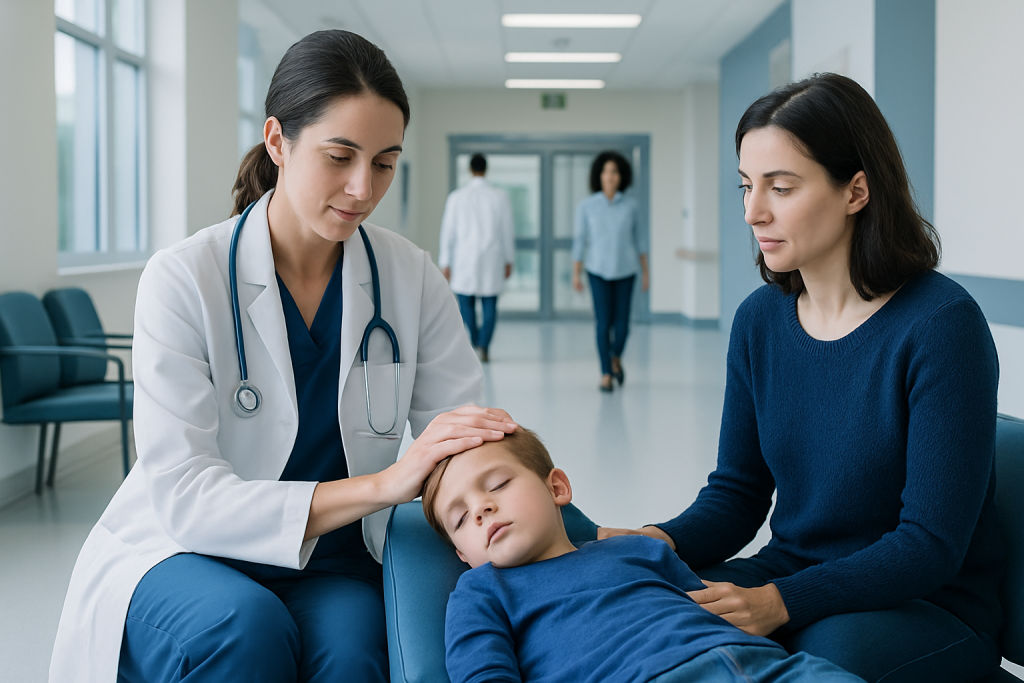
Febrile seizures occur in young children during a fever and are usually brief. During a seizure, place the child on their side, protect them from injury and time the event.
Key Takeaways
- Febrile seizures occur in young children during a fever and are usually brief.
- During a seizure, place the child on their side, protect them from injury and time the event.
- Emergency evaluation is needed for a first seizure, a seizure lasting more than five minutes or concerning symptoms afterward.
- Most children recover quickly and do not develop brain damage or epilepsy.
- Fever-reducing medicines can improve comfort but do not reliably prevent febrile seizures.
Febrile seizures treatment usually involves first aid during the event, medical assessment afterward and treatment of the illness causing the fever. Most febrile seizures stop on their own, do not need long-term seizure medicine and have an excellent outlook.
Febrile Seizures Treatment: How It Works
Febrile seizures treatment begins with keeping the child safe while the seizure passes, followed by an assessment for the infection or other illness causing the fever. Most febrile seizures are short, stop without treatment and do not require daily anti-seizure medicine. A clinician may recommend observation, testing or emergency medication depending on the child’s age, symptoms and seizure pattern.
A febrile seizure is a seizure associated with fever in a child, usually between 6 months and 5 years of age, without evidence of an infection of the brain or spinal cord or another clear cause of seizures. The fever may be due to a common viral illness, ear infection or another infection. It is often the rapid rise in temperature, rather than the absolute temperature, that coincides with the seizure.
A simple febrile seizure affects the whole body, lasts less than 15 minutes and does not recur within 24 hours. A complex febrile seizure lasts 15 minutes or longer, affects one part of the body, or happens more than once in 24 hours. This distinction helps the medical team decide whether additional evaluation is appropriate.
Who May Need Assessment or Treatment
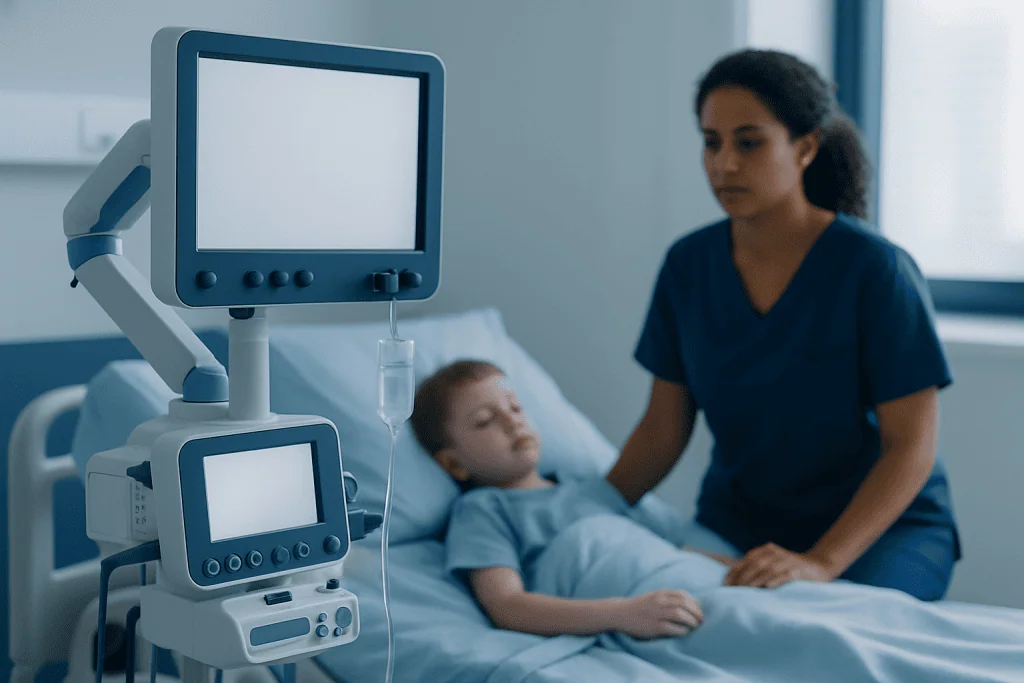
Any child having a seizure for the first time should be assessed urgently by a healthcare professional. The assessment aims to identify the source of fever and rule out less common but serious conditions, such as meningitis or encephalitis. The child’s age, immunization history, physical examination and how quickly they return to their usual behavior guide the next steps.
Children with a brief, typical simple febrile seizure who recover fully may need only examination and advice. Blood tests, brain imaging and electroencephalography (EEG) are not routinely needed after a straightforward simple febrile seizure. They may be considered when there are unusual features, delayed recovery, signs of neurological illness or recurrent complex episodes.
Hospital observation may be advised for infants, children with a complex febrile seizure, those who remain unusually sleepy or unwell, or children whose fever source is unclear. Families should tell clinicians about previous seizures, medicines, allergies, recent infections and any family history of seizures or epilepsy.
Step-by-Step: What to Do During a Febrile Seizure
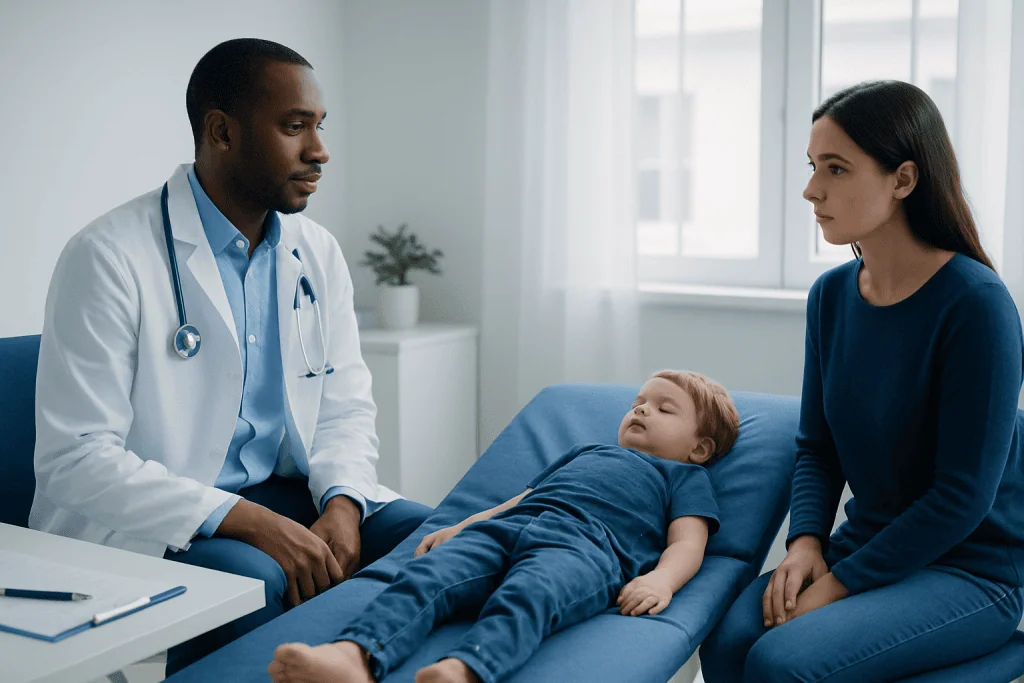
First aid is the most important immediate part of febrile seizures treatment. Although watching a seizure can be frightening, parents and carers can take calm, practical steps that reduce the risk of injury while waiting for the seizure to stop or emergency help to arrive.
- Place the child on a safe, flat surface and turn them gently onto their side if possible.
- Move hard or sharp objects away, loosen tight clothing around the neck and stay with the child.
- Time the seizure, noting when it started and what movements or changes in color occurred.
- Do not put anything in the child’s mouth, do not restrain their movements and do not give food, drink or oral medicine until they are fully awake.
- Call emergency services if the seizure lasts more than five minutes, breathing is difficult, the child turns blue or the child does not recover as expected.
In hospital, clinicians support breathing and circulation if needed, check temperature and look for the cause of fever. If a seizure continues beyond five minutes, trained professionals may give a fast-acting rescue anti-seizure medicine. Families of children with prolonged or recurrent seizures may occasionally be prescribed rescue medicine for use at home, with clear individualized instructions from their specialist.
Recovery Timeline, Benefits and Possible Risks
After a brief febrile seizure, many children are sleepy, confused, irritable or clingy for a short time. They commonly return gradually to their usual level of alertness over minutes to a few hours. Rest, supervision and fluids once the child is fully awake can be helpful, while the underlying fever illness is managed according to medical advice.
The main benefit of appropriate care is safety during the event and prompt recognition of illnesses that need treatment. Treating discomfort from fever with fluids, light clothing and age-appropriate fever medicine may help the child feel better. However, fever-reducing medicines do not reliably prevent future febrile seizures, so they should not be used with that expectation.
Long-term preventive anti-seizure medicine is rarely recommended for simple febrile seizures because the possible medication side effects generally outweigh the benefit for most children. When seizures are prolonged, frequent or complex, pediatric neurology input can help families understand the balance of options. Care plans are tailored to the child rather than based on fever alone.
What to Expect After a Febrile Seizure
After a febrile seizure, a child may sleep deeply or seem confused before returning to normal. A responsible adult should stay nearby, observe breathing and responsiveness, and avoid offering food, drink or oral medication until the child is awake enough to swallow safely. Medical advice should be sought after a first episode, even if the child appears well afterward.
The clinician will ask about the seizure duration, whether the whole body or only one side was involved, how the child behaved afterward and symptoms of infection. They will also examine the child for causes of fever. Parents may find it useful to write down the timing and features of the event; if safe, a short video can sometimes help clinicians understand unusual movements, but recording should never delay first aid or calling for help.
Children may return to nursery, school and normal play once they are feeling well and the fever illness permits. A follow-up appointment may be recommended after complex seizures, repeated episodes or developmental concerns. Families can discuss an individualized action plan with their child’s doctor.
Do Febrile Seizures Result in Brain Damage?
Simple febrile seizures do not usually cause brain damage, learning problems or developmental delay. They are common in early childhood and, while deeply distressing to witness, most children recover completely. A brief seizure related to fever is not the same as epilepsy.
Seizures that are very prolonged, have focal features or occur repeatedly require careful medical assessment because they may have a different risk profile or point to another condition. Even then, the outcome depends on the individual child, the seizure characteristics and the cause of illness. Early emergency care is important for a seizure lasting more than five minutes.
A small proportion of children who have febrile seizures later develop epilepsy, particularly when there are certain risk factors such as complex seizures, developmental differences or a family history of epilepsy. A pediatric clinician can explain the child’s individual outlook without assuming that a future seizure disorder will occur.
At What Age Do Kids Outgrow Febrile Seizures?
Most children outgrow febrile seizures by age 5, because febrile seizures are linked to a stage of early brain development and are uncommon beyond this age. They most often occur between 6 months and 5 years. A child may have only one episode, while others may have another seizure with a later fever.
The chance of recurrence is higher in younger children and in those with a family history of febrile seizures. Recurrence does not necessarily mean a child has epilepsy or that something has been done wrong. It usually means the child remains in the age range in which their brain is more sensitive to fever-related changes.
If a seizure occurs for the first time after age 5, a clinician should evaluate it rather than assuming it is a febrile seizure. Pediatric assessment can also be helpful for seizures that occur without fever, last longer than expected or are associated with developmental regression.
How to Know When a Febrile Seizure Is Coming
Febrile seizures are often difficult to predict. They can happen early in an illness and may be the first sign that a child has a fever. Some children seem tired, irritable, flushed or less interested in food before a fever becomes obvious, but these are common illness symptoms and do not reliably signal that a seizure is about to happen.
Parents can monitor a child who is unwell, encourage fluids and use comfort measures for fever as advised by their clinician. Measuring temperature can help track illness, but it cannot predict or prevent a seizure. It is important not to blame caregivers or assume that a fever was missed; febrile seizures may occur even with close observation.
For a child with previous prolonged seizures, the pediatric team may provide a written seizure action plan. This may include when to use prescribed rescue medication and when to call emergency services. Families should follow that individualized plan rather than changing medicines independently.
When to Seek Medical Care
Emergency medical care is needed if a seizure lasts more than five minutes, repeats without the child returning to normal between episodes, affects only one side of the body, causes breathing difficulty or bluish skin color, or occurs in a child who remains unresponsive. Urgent assessment is also important when there is a stiff neck, persistent vomiting, a severe headache, a non-blanching rash, marked lethargy, dehydration or concern for a serious infection.
A first seizure always warrants prompt medical evaluation. Parents should also contact a doctor if the child is younger than 6 months, older than 5 years, has a known neurological condition, or has symptoms that do not fit a typical febrile illness. It is safer to seek advice when there is uncertainty.
Acibadem International’s multidisciplinary pediatric specialists at JCI-accredited hospitals can assess fever-related seizures and coordinate care for international patients when specialist evaluation is needed.
Frequently asked questions
What is the main treatment for febrile seizures?
Most febrile seizures stop on their own and need safety-focused first aid rather than a procedure or daily anti-seizure medicine. Medical care focuses on evaluating the child, finding the cause of fever and treating a prolonged seizure promptly if it does not stop.
Should a child be cooled down in a bath during a febrile seizure?
No. Do not place a child in a bath or use cold water during a seizure, as this may increase the risk of injury or interfere with safe positioning. Place the child on their side on a safe surface and seek emergency help if the seizure lasts more than five minutes.
Can paracetamol or ibuprofen prevent febrile seizures?
These medicines may reduce discomfort associated with fever when used appropriately for the child, but they do not reliably prevent febrile seizures. Parents should use them only as directed by a healthcare professional or the product instructions for the child’s age and weight.
Does every child need a brain scan after a febrile seizure?
No. Brain imaging is usually not necessary after a typical simple febrile seizure in a child who returns to normal and has a reassuring examination. A doctor may recommend further tests if the seizure is complex or there are signs of another neurological or infectious condition.
Can a child sleep after a febrile seizure?
Yes. Sleepiness after a seizure is common, but an adult should supervise the child and check that breathing and responsiveness are improving. Emergency assessment is needed if the child is difficult to wake, has breathing problems or does not recover as expected.
Will febrile seizures happen again?
Some children have another febrile seizure during a future illness, especially if their first episode happened at a young age. Many children have only one episode, and most stop having febrile seizures by age 5.
References
- American Academy of Pediatrics
- Centers for Disease Control and Prevention
- National Institute of Neurological Disorders and Stroke
- NHS
- International League Against Epilepsy
This article is for general information only and is not a substitute for professional medical advice. Please consult a qualified doctor about your individual situation.
Febrile Seizures in Turkey — costs, top hospitals & a free quote
JCI-accredited · board-certified surgeons · reply within 24h
Add us as a Preferred Source to see more of our trusted health content across Google Search, AI Overviews and Discover.

Neurology
Diagnosis and treatment of disorders of the brain, spinal cord, nerves and muscles.
51 specialists in this unitMore from the Health Library



Related Specialists

Fzt. Busenur Sezer
Physical Medicine & Rehabilitation
Assoc. Prof. Dr. Bülent Tucer
Neurosurgery
Prof. Dr. Ahmet Cem Batukan
Gynecology & Obstetrics
Dr. Ahmet Burak Dursun
Occupational Medicine