Fecal Incontinence: When a Neurogastroenterology Evaluation Can Help

Fecal incontinence can range from minor leakage to complete loss of bowel control. Common causes include diarrhea, constipation with overflow leakage, muscle injury, nerve problems, and pelvic floor dysfunction.
Key Takeaways
- Fecal incontinence can range from minor leakage to complete loss of bowel control.
- Common causes include diarrhea, constipation with overflow leakage, muscle injury, nerve problems, and pelvic floor dysfunction.
- A neurogastroenterology evaluation focuses on how the gut, nerves, and muscles work together during bowel control.
- Treatment may include diet changes, bowel training, pelvic floor therapy, medications, and selected procedures.
- Seeking medical advice is important, especially if symptoms are new, persistent, or affecting daily life.
Fecal incontinence means accidental leakage of stool or difficulty controlling bowel movements. A neurogastroenterology evaluation can help identify whether bowel function, nerves, pelvic floor muscles, or the anal sphincter are contributing, so treatment can be matched to the cause.
Overview
Fecal incontinence is the unintentional leakage of stool. Some people notice staining in underwear or leakage of mucus or soft stool, while others may have a sudden urge and not reach the toilet in time. Symptoms can happen occasionally or more often, and they may range from mild to more disruptive.
Bowel control depends on several body systems working together. The rectum must store stool, the anal sphincter muscles must stay closed until the right time, the pelvic floor must provide support, and the nerves and brain must coordinate sensation and movement. When one or more of these systems are not functioning well, leakage can occur.
A neurogastroenterology evaluation is often helpful when the cause is not obvious, when symptoms are ongoing, or when standard measures have not helped enough. This type of assessment looks closely at the interaction between the digestive tract, the nervous system, and the pelvic floor. It can uncover problems such as altered rectal sensation, abnormal bowel motility, nerve injury, or muscle dysfunction.
Although many people feel embarrassed discussing this symptom, fecal incontinence is a medical condition and not a personal failure. Careful evaluation can often identify treatable factors and lead to meaningful improvement in comfort, confidence, and quality of life.
Symptoms and How It May Feel
Fecal incontinence can look different from person to person. Some individuals have urge incontinence, meaning they feel a strong need to pass stool but cannot hold it long enough. Others have passive leakage, where stool escapes without warning, sometimes because sensation is reduced or the anal sphincter is weak.
Symptoms may involve solid stool, loose stool, mucus, or staining after a bowel movement. Some people feel that the rectum does not empty fully, while others experience frequent urgency, bloating, or alternating constipation and diarrhea. Leakage may happen more during physical activity, after meals, or during episodes of loose stool.
Associated symptoms can give clues to the cause. For example, constipation with overflow leakage may come with straining, hard stools, and a feeling of blockage. Nerve-related bowel dysfunction may occur alongside diabetes, spinal problems, or neurological disease. In some cases, fecal incontinence appears together with urinary leakage or symptoms of pelvic floor disorders.
- Leakage of stool or mucus
- Urgency and difficulty holding stool
- Soiling or staining of underwear
- Gas incontinence
- Constipation, incomplete emptying, or diarrhea
- Skin irritation around the anus
Causes and Risk Factors
There is no single cause of fecal incontinence. Loose stool is one of the most common triggers because diarrhea is harder to control than formed stool. Infections, food intolerances, inflammatory bowel conditions, medication side effects, and some digestive disorders can all contribute. In other people, chronic constipation leads to stool retention and overflow leakage around the blockage.
Muscle and structural problems also play an important role. Injury to the anal sphincter may happen after childbirth, anorectal surgery, trauma, or long-standing straining. Weakness or poor coordination of the pelvic floor can reduce support during bowel movements and make control more difficult. Rectal prolapse or hemorrhoids may also affect continence in some situations.
Nerve-related causes are especially relevant in neurogastroenterology. Damage to the nerves that control the rectum and anal sphincters can occur with diabetes, spinal cord disorders, stroke, multiple sclerosis, Parkinsonian conditions, or after pelvic surgery. Some people have impaired rectal sensation, meaning they do not feel stool entering the rectum clearly enough to respond in time. Others have altered bowel motility, in which stool moves too quickly or too slowly through the colon.
Risk factors include older age, childbirth-related pelvic floor injury, chronic diarrhea, severe constipation, neurological disease, reduced mobility, cognitive impairment, and prior anorectal procedures. Because several factors often overlap, a detailed assessment is important to understand the full picture rather than assuming there is only one cause.
When a Neurogastroenterology Evaluation Can Help
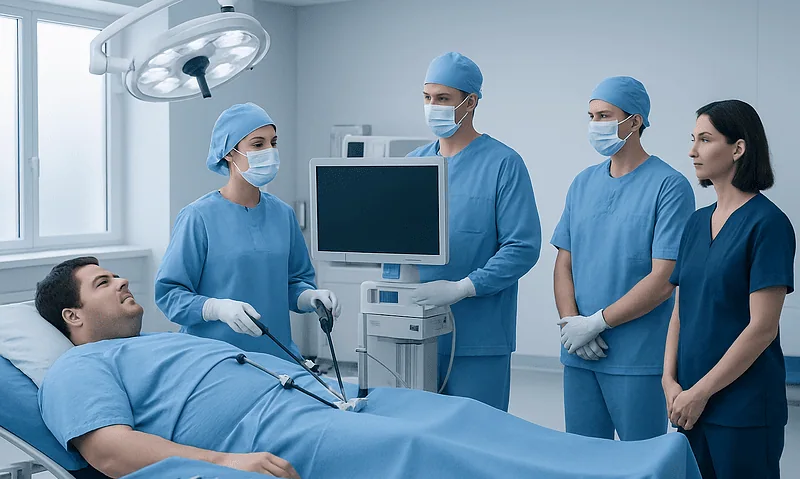
A neurogastroenterology evaluation is useful when fecal incontinence is persistent, unexplained, or accompanied by symptoms such as urgency, constipation, straining, incomplete emptying, or reduced sensation. It is particularly helpful when doctors suspect that the problem involves not only the bowel itself but also the nerves, muscles, or coordination needed for continence.
During this evaluation, the specialist reviews bowel habits, stool consistency, diet, medications, childbirth history, surgeries, and neurological conditions. A careful physical and rectal examination may assess anal tone, pelvic floor movement, and signs of stool retention or prolapse. The aim is to determine whether the main issue is diarrhea, constipation with overflow, sphincter weakness, pelvic floor dysfunction, sensory impairment, or a combination of problems.
Tests may be recommended to study function in more detail. Depending on symptoms, these can include anorectal manometry to measure pressures and reflexes, balloon testing to assess rectal sensation, imaging of the sphincter muscles, and defecography to see how the rectum and pelvic floor work during evacuation. Colonic transit testing may be considered when slow bowel movement through the colon is suspected. In selected cases, evaluation may also overlap with workups for chronic constipation or irritable bowel syndrome.
The value of this approach is that it moves beyond symptom description alone. By identifying the mechanisms involved, the specialist can design a treatment plan that is more targeted and often more effective than a one-size-fits-all approach.
Diagnosis and Tests
Diagnosis starts with a detailed medical history. The doctor usually asks how often leakage occurs, whether it involves gas, mucus, or stool, how urgent bowel movements feel, and whether symptoms are linked to constipation or diarrhea. A bowel diary can be very helpful because it shows patterns related to meals, stool type, medications, and timing.
A physical examination often includes inspection of the anal area and a digital rectal exam. This can help detect impacted stool, reduced sphincter tone, tenderness, prolapse, or signs of skin irritation. It also gives clues about pelvic floor coordination, especially when a person is asked to squeeze or bear down.
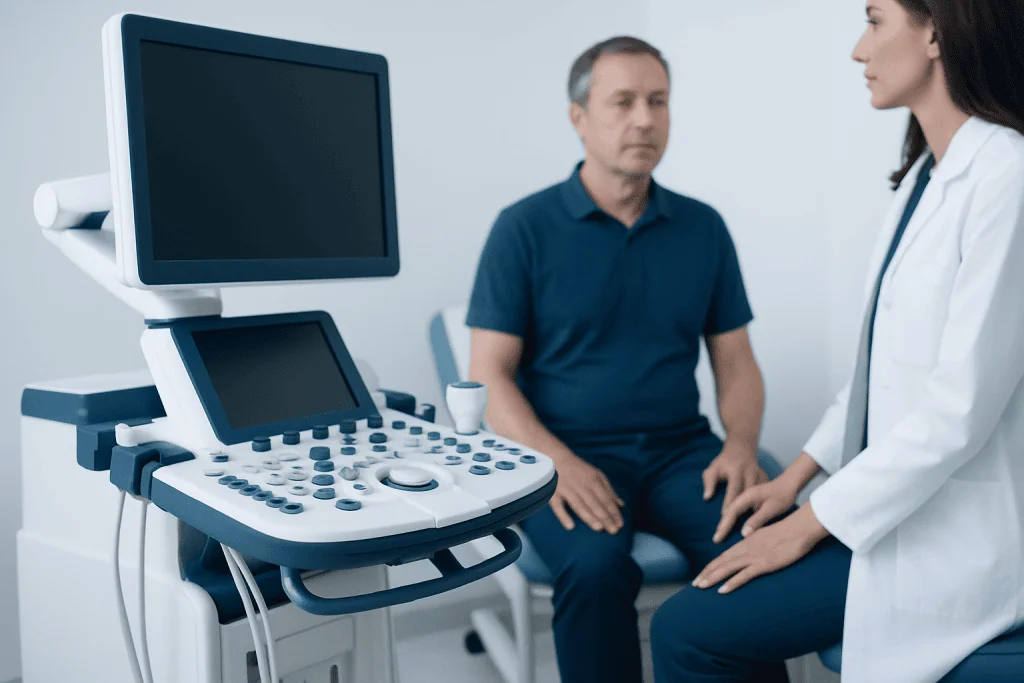
Functional testing is often central to evaluation. Anorectal manometry measures pressure, coordination, and reflexes in the rectum and anal canal. Endoanal ultrasound or MRI may be used to look for sphincter injury. Defecography can show whether the rectum empties properly or whether structural problems affect bowel movements. If diarrhea is prominent, stool testing or colon evaluation may be needed to look for inflammation, infection, or other bowel disease.
Not everyone needs every test. The choice depends on symptoms, age, medical history, and what the initial examination suggests. The goal is to collect enough information to distinguish among muscle injury, nerve dysfunction, bowel habit problems, and structural conditions that may need different treatments.
Treatment Options
Treatment depends on the underlying cause and often involves more than one strategy. When stool is loose, treatment may focus on identifying triggers, adjusting diet, managing bowel inflammation or infection when present, and using appropriate medicines under medical guidance. When constipation is the main issue, care may emphasize regular bowel emptying, fiber or other bowel-regulating measures, hydration, and a plan to prevent stool retention and overflow leakage.
Pelvic floor rehabilitation can be especially useful when muscle weakness or poor coordination is involved. This may include guided exercises, bowel habit training, and biofeedback therapy to improve awareness, strength, and timing of pelvic floor and anal sphincter activity. People with reduced rectal sensation or defecation disorders may benefit from specialized programs designed by neurogastroenterology and pelvic floor teams.
Some patients need procedures or surgery, particularly if there is significant structural damage to the anal sphincter, rectal prolapse, or another correctable anatomical problem. In carefully selected cases, advanced options such as sacral nerve stimulation may be considered to improve bowel control. If symptoms are related to another bowel condition, treatment may also involve care from gastroenterology, colorectal surgery, neurology, or pelvic floor specialists.
Improvement often takes time, especially when symptoms have been present for a while. Follow-up is important because treatment may need adjustment based on response, bowel diary findings, and any side effects. A stepwise plan is common, starting with conservative measures and moving to more specialized therapies when needed.
Prevention and Self-care
Self-care cannot replace medical evaluation, but it can support treatment and reduce symptoms. The first step is often to aim for regular, predictable bowel habits. This may involve eating meals at consistent times, drinking enough fluids, and paying attention to foods that trigger diarrhea or urgency. For some people, a bowel diary helps identify patterns and improve daily planning.
Skin care matters because repeated leakage can irritate the area around the anus. Gentle cleansing, patting the skin dry, and using a protective barrier cream recommended by a clinician may help prevent soreness. Absorbent pads or protective underwear can also make daily life more manageable while treatment is underway.
People with constipation should avoid repeated straining whenever possible and discuss safe bowel-regulating strategies with a doctor. Those with mobility or cognitive challenges may benefit from practical support such as easier toilet access, scheduled toileting, or caregiver assistance. Pelvic floor exercises may help some individuals, but technique is important, and supervised instruction is often more effective than guessing.
Reducing stigma is part of self-care too. Because symptoms may affect work, travel, intimacy, and emotional well-being, open conversation with a healthcare professional can be an important step toward relief and support.
When to See a Doctor
Medical advice is recommended whenever fecal incontinence is new, recurring, or affecting daily life. Even mild leakage deserves attention if it causes embarrassment, skin irritation, sleep disturbance, anxiety, or changes in diet and social activity. Many causes are treatable, and early evaluation may prevent symptoms from becoming more disruptive.
Prompt assessment is especially important if fecal incontinence appears with rectal bleeding, significant weight loss, severe abdominal pain, fever, a major change in bowel habits, or symptoms after childbirth, surgery, or neurological injury. Sudden bowel control problems with leg weakness, numbness around the groin, or new bladder dysfunction need urgent medical attention.
People living with diabetes, spinal disease, stroke, multiple sclerosis, or other neurological conditions should mention bowel control changes to their doctor, even if symptoms seem minor. These changes can reflect treatable nerve or pelvic floor dysfunction that benefits from specialized assessment.
Near the end of the care pathway, some patients may benefit from evaluation at centers with gastroenterology, colorectal surgery, pelvic floor rehabilitation, and neurology working together. Acibadem International’s multidisciplinary specialists and JCI-accredited hospitals diagnose and treat fecal incontinence for international patients when advanced assessment is needed.
Frequently asked questions
Is fecal incontinence the same as diarrhea?
No. Diarrhea can cause or worsen fecal incontinence because loose stool is harder to control, but fecal incontinence refers to the loss of bowel control itself. Some people with fecal incontinence actually have constipation with overflow leakage rather than diarrhea.
Can fecal incontinence improve without surgery?
Yes, many people improve with non-surgical treatment. Depending on the cause, options may include diet changes, bowel habit training, medication adjustments, constipation management, pelvic floor therapy, and biofeedback.
What does a neurogastroenterology evaluation involve?
It usually includes a detailed review of bowel symptoms, medical history, medications, and a physical examination. If needed, specialized tests may assess rectal sensation, anal sphincter strength, pelvic floor coordination, and how stool moves through the bowel.
Can constipation cause stool leakage?
Yes. In some people, hard stool becomes retained in the rectum, and softer stool leaks around it, a pattern often called overflow incontinence. Treating the constipation is an important part of stopping the leakage.
Is fecal incontinence a normal part of aging?
No. It may become more common with age because of muscle weakness, nerve changes, or other health conditions, but it is not considered a normal or untreatable part of getting older. Evaluation can often find contributing factors and treatment options.
When should someone seek urgent care for bowel control problems?
Urgent medical attention is important if bowel control changes happen suddenly along with severe weakness, numbness in the groin area, new bladder problems, severe abdominal pain, fever, or heavy rectal bleeding. These symptoms may point to a more serious condition that needs prompt assessment.
References
- National Institute of Diabetes and Digestive and Kidney Diseases
- American Gastroenterological Association
- American Society of Colon and Rectal Surgeons
- International Foundation for Gastrointestinal Disorders
- National Institute for Health and Care Excellence
This article is for general information only and is not a substitute for professional medical advice. Please consult a qualified doctor about your individual situation.
Neurogastroenterology in Turkey — costs, top hospitals & a free quote
JCI-accredited · board-certified surgeons · reply within 24h
Add us as a Preferred Source to see more of our trusted health content across Google Search, AI Overviews and Discover.

Gastroenterology
Diagnosis and treatment of the digestive system and liver, with advanced endoscopy.
46 specialists in this unit