Female Bodybuilder: What Patients Need to Know

Female bodybuilding places unique demands on muscles, bones, hormones, skin, and mental well-being. Good health in a female bodybuilder depends on balanced training, adequate fuel, sleep, and recovery.
Key Takeaways
- Female bodybuilding places unique demands on muscles, bones, hormones, skin, and mental well-being.
- Good health in a female bodybuilder depends on balanced training, adequate fuel, sleep, and recovery.
- Menstrual changes, persistent fatigue, pain, digestive issues, or mood changes can be early warning signs.
- Medical evaluation may include nutrition review, physical examination, blood tests, and imaging when needed.
- Prompt care is important for chest pain, fainting, severe injury, rapid weight change, or signs of disordered eating.
A female bodybuilder can be healthy and strong when training, nutrition, recovery, and hormone health are balanced. This guide explains how bodybuilding affects the body, which symptoms may signal a problem, and when professional medical advice is appropriate.
Overview
A female bodybuilder is a woman who trains specifically to increase muscle size, definition, symmetry, or strength, often for personal goals, fitness events, or competition. Bodybuilding itself is not a disease. However, the combination of intense resistance training, structured dieting, weight changes, supplementation, and performance pressure can affect many aspects of health.
For many women, bodybuilding supports confidence, bone strength, physical function, and metabolic health. At the same time, a very lean physique or demanding training plan may increase the risk of overuse injuries, menstrual disruption, low energy availability, dehydration, and emotional stress. The healthiest approach is one that supports performance without ignoring warning signs from the body.
This topic is best understood as a whole-body health issue rather than only a fitness trend. A clinical review may look at nutrition, hormones, muscle and joint health, cardiovascular symptoms, sleep, skin, mood, and supplement use. That broader view helps patients distinguish expected training effects from signs that deserve medical attention.
How Bodybuilding Affects the Female Body
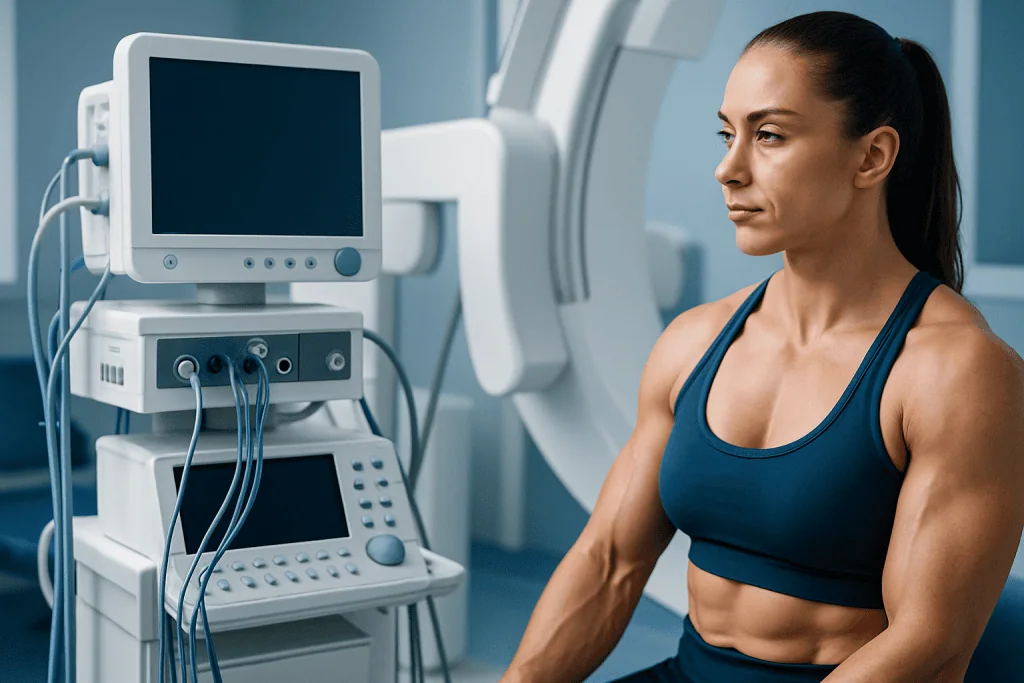
Resistance training stimulates muscles to adapt by becoming stronger and, with the right nutrition, larger. A female bodybuilder may also notice changes in body composition, including lower body fat and greater muscle definition. These changes are not only cosmetic; they may influence metabolism, posture, balance, insulin sensitivity, and day-to-day physical performance.
Hormones are also part of the picture. Women who train hard while eating too little may experience changes in menstrual cycles, reduced libido, fatigue, and slower recovery. In some cases, low energy intake can affect reproductive hormones and bone health. This pattern is often discussed in sports medicine as part of relative energy deficiency in sport, and it deserves early attention rather than being dismissed as a normal part of training.
Bodybuilding may also affect the skin, digestive system, and mental well-being. Strict diets, frequent use of protein products, or dehydration strategies can trigger constipation, bloating, acne, or hair changes in some people. Pressure to maintain a certain appearance can also contribute to anxiety, low mood, or disordered eating behaviors if support is lacking.
- Potential benefits: strength, physical confidence, improved bone loading, better function
- Potential concerns: overtraining, injury, menstrual irregularity, low energy availability, mood strain
- Important modifiers: age, training history, genetics, sleep, medical conditions, and supplement use
Common Symptoms and Warning Signs
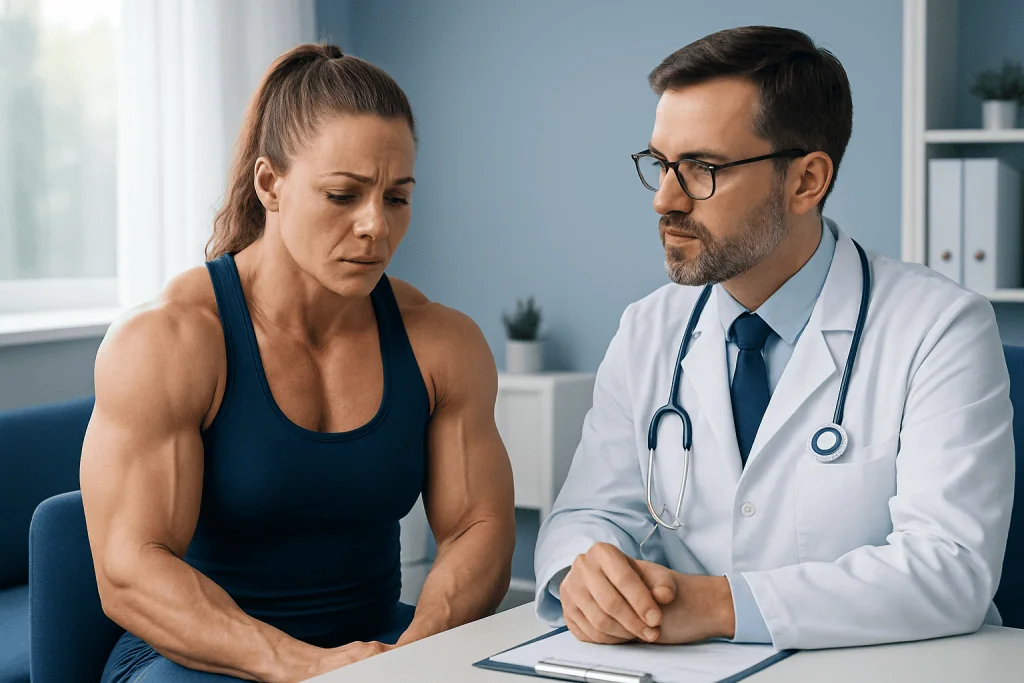
Some symptoms are expected during intense training, such as temporary muscle soreness after a new workout or mild fatigue after a demanding week. Warning signs are different: they persist, worsen, or interfere with daily life and performance. A female bodybuilder should not ignore symptoms simply because training is intense.
Common concerns include ongoing exhaustion, frequent injuries, joint pain, decreased strength, dizziness, headaches, or unusually slow recovery. Menstrual changes are especially important. Missing periods, very irregular cycles, or new heavy bleeding can point to hormone imbalance, energy deficiency, thyroid issues, or other conditions that need assessment.
Emotional and behavioral signs also matter. Obsessive food rules, guilt after eating, strong fear of weight gain, social withdrawal, sleep disturbance, or training through significant pain may suggest a harmful pattern rather than healthy discipline. Patients with persistent digestive symptoms, palpitations, chest discomfort, or fainting should seek medical evaluation promptly.
- Physical warning signs: stress pain, repeated strains, hair thinning, brittle nails, poor sleep
- Hormonal warning signs: missed periods, fertility concerns, hot flashes, reduced libido
- Performance warning signs: plateau despite effort, poor recovery, persistent weakness
- Mental warning signs: food anxiety, body image distress, low mood, compulsive exercise
Causes and Risk Factors for Health Problems
Health problems in a female bodybuilder are often caused by more than one factor. The most common issue is mismatch between training load and recovery. When a person trains hard but does not eat enough calories, protein, carbohydrate, fluids, or micronutrients, the body may begin to conserve energy in ways that affect hormones, immunity, mood, and musculoskeletal health.
Rapid weight-cutting practices can add risk. Severe calorie restriction, dehydration, laxative misuse, or unmonitored supplement use can harm the heart, kidneys, digestive tract, and overall performance. Some supplements may interact with medications or contain ingredients not clearly listed on the label. Use of anabolic agents or other performance-enhancing drugs can create serious effects on the liver, heart, cholesterol, fertility, and mood.
Training design matters too. Repeating the same movements with inadequate rest may lead to tendinopathy, joint overload, or spinal alignment concerns becoming more symptomatic in some patients. A history of eating disorders, thyroid disease, anemia, polycystic ovary syndrome, depression, or low bone density can also influence how safely a patient tolerates bodybuilding.
Women in adolescence, perimenopause, or after childbirth may have additional considerations because energy needs, bone health, and hormonal patterns can shift. A tailored plan is often safer than copying a generic program from social media or competition forums.
Diagnosis and Medical Evaluation
Doctors do not diagnose “bodybuilding” itself; they evaluate the symptoms or health concerns that may develop around it. Assessment usually begins with a detailed history of training schedule, diet pattern, menstrual cycles, weight changes, supplement use, sleep, injuries, and current symptoms. This context is essential because lab results can be difficult to interpret without knowing the demands being placed on the body.
A physical examination may focus on joints, posture, muscle tenderness, body composition changes, blood pressure, heart rate, and signs of dehydration or nutrient deficiency. Blood tests may be used to check iron status, thyroid function, vitamin levels, liver and kidney function, glucose, lipids, and reproductive hormones when clinically appropriate. If chest symptoms are present, cardiac testing may be needed, including cardiology evaluation.
Imaging can help when pain suggests stress injury, tendon damage, or joint problems. For example, ongoing back, shoulder, knee, or hip pain may lead to imaging and specialist review through orthopedic assessment. Menstrual irregularity, pelvic pain, or fertility concerns may also justify review by gynecology specialists.
The goal of diagnosis is not simply to clear someone to keep training. It is to identify whether the current approach is supporting health or causing strain. In many cases, small changes in fueling, recovery, or technique can prevent more serious problems later.
Treatment and Management Options
Treatment depends on the issue identified. For many patients, the most effective first step is correcting low energy availability by increasing food intake, improving meal timing, or reducing training volume temporarily. Recovery strategies such as adequate sleep, planned rest days, hydration, and periodized training are often central to improvement. A sports-aware dietitian can be especially helpful when a patient wants to support muscle gain without creating hormonal or metabolic stress.
Muscle strains, tendon problems, and joint pain may need a temporary change in exercise selection, physical therapy, and gradual return to load. Persistent pain should not be masked with repeated self-medication while the underlying cause continues. Patients with suspected stress fractures, significant swelling, or loss of function need more formal evaluation and a clearer rehabilitation plan.
If hormone-related symptoms are present, management focuses on the cause rather than appearance alone. Menstrual changes caused by under-fueling may improve once energy balance is restored, although recovery can take time. Eating disorders, anxiety, or depression require appropriate mental health support, and treatment should be compassionate and nonjudgmental.
In situations involving chest pain, fainting, severe dehydration, or suspected use-related complications, urgent medical care is important. Near the end of the care pathway, some international patients may choose centers such as Acibadem International, where multidisciplinary specialists in JCI-accredited hospitals evaluate training-related, hormonal, and musculoskeletal concerns in a coordinated way.
Prevention and Self-care
Prevention starts with enough energy to support both training and normal body functions. A female bodybuilder generally needs regular meals, sufficient carbohydrate for training demands, enough protein for recovery, healthy fats, fluids, and micronutrients such as iron and calcium according to individual needs. Restriction that is too aggressive or prolonged may produce short-term leanness but undermine long-term health.
Programming matters as much as diet. Progressive overload should be balanced with easier days, mobility work, sleep, and scheduled deload periods. Tracking only body weight or appearance can miss important health markers, so many athletes also monitor menstrual regularity, sleep quality, energy, mood, and injury frequency.
Supplement use should be cautious and evidence-based. Products marketed for fat loss, muscle gain, or hormone support may vary widely in quality. Patients should discuss supplements with a clinician if they take prescription medicines, have a medical condition, or are considering multiple products at once.
- Eat enough to match training demands
- Prioritize sleep and rest days
- Do not ignore menstrual changes
- Increase training gradually
- Seek help early for pain, fatigue, or food-related distress
When to Seek Medical Care
A female bodybuilder should arrange medical review if fatigue lasts for weeks, performance declines without explanation, periods stop, or recurring pain affects training. Evaluation is also appropriate for frequent illnesses, digestive problems, significant hair loss, rapid weight change, or concerns about supplement side effects.
More urgent care is needed for chest pain, shortness of breath, fainting, severe dehydration, confusion, or a sudden painful injury that limits movement. Calf swelling, severe headache, or neurological symptoms such as weakness or numbness also deserve prompt attention.
Patients should also seek care if body image concerns, food restriction, bingeing, purging, or compulsive exercise begin to feel difficult to control. Early support can protect both physical and mental health, and it often allows a safer return to training than waiting until symptoms become severe.
Frequently asked questions
Is bodybuilding safe for women?
Bodybuilding can be safe for women when training, nutrition, sleep, and recovery are balanced. Problems are more likely when there is under-eating, rapid weight cutting, overtraining, unsafe supplement use, or untreated pain.
Can a female bodybuilder have menstrual changes?
Yes. Very intense training combined with low energy intake can lead to irregular periods or missed periods. This should not be ignored, because it may signal hormone disruption and can affect bone and reproductive health.
What are signs of overtraining in a female bodybuilder?
Common signs include persistent fatigue, poor sleep, falling performance, irritability, unusual soreness, and repeated minor injuries. Some women also notice menstrual changes, low mood, or reduced motivation.
Do female bodybuilders need medical checkups?
Regular medical review can be helpful, especially during periods of intense training, major diet changes, or competition preparation. Checkups may be important for menstrual changes, chest symptoms, recurrent injuries, or supplement-related concerns.
Can bodybuilding affect fertility?
It can if training and nutrition are not well balanced. Missed or very irregular periods may reflect hormone changes that can make conception more difficult, so medical advice is recommended if fertility is a concern.
Are supplements always necessary for women who bodybuild?
No. Many women can meet their needs through a well-planned diet, depending on their goals and training load. Supplements may be useful in some situations, but they should be chosen carefully and discussed with a qualified clinician or dietitian.
This article is for general information only and is not a substitute for professional medical advice. Please consult a qualified doctor about your individual situation.
Explore treatments in Turkey — costs, top hospitals & a free quote
JCI-accredited · board-certified surgeons · reply within 24h
Add us as a Preferred Source to see more of our trusted health content across Google Search, AI Overviews and Discover.
Check your numbers in seconds
BMI, calories, due date, blood pressure and 30+ more clinical calculators — free, instant, doctor-reviewed ranges.

More from the Health Library

Tamiflu for Kids: What Patients Need to Know

Magnetic Lashes: What Patients Need to Know

Types of Smiles: A Complete Medical Overview

Kiwis: An Evidence-Based Guide for Patients

Maze Procedure: A Complete Medical Overview