Female Infertility: Ovulation, Tubes, Uterus, and Fertility Testing

Female infertility is usually investigated after 12 months of trying to conceive, or after 6 months if a woman is 35 or older. Common causes include ovulation disorders, blocked fallopian tubes, endometriosis, uterine fibroids or polyps, and age-related changes in egg quantity and quality.
Key Takeaways
- Female infertility is usually investigated after 12 months of trying to conceive, or after 6 months if a woman is 35 or older.
- Common causes include ovulation disorders, blocked fallopian tubes, endometriosis, uterine fibroids or polyps, and age-related changes in egg quantity and quality.
- Fertility testing often includes hormone blood tests, ultrasound, ovulation assessment, tubal evaluation, and a semen analysis for the male partner when relevant.
- Treatment depends on the cause and may include lifestyle support, ovulation medicines, surgery, intrauterine insemination, or IVF.
- Early medical advice is helpful for irregular periods, known endometriosis, pelvic infections, previous pelvic surgery, recurrent miscarriage, or difficulty conceiving at age 35 or older.
Female infertility can involve ovulation, fallopian tubes, the uterus, hormones, or several factors at the same time. A structured fertility evaluation helps identify treatable causes and guide safe, individualized options.
Overview
Female infertility means difficulty becoming pregnant or carrying a pregnancy after regular, unprotected intercourse for a specific period of time. In many medical guidelines, evaluation is recommended after 12 months of trying for women under 35, and after 6 months for women aged 35 or older. Earlier assessment may be appropriate when there are known gynecologic conditions, irregular menstrual cycles, previous pelvic infection, or repeated pregnancy loss.
Conception requires several coordinated steps. An ovary needs to release an egg, the fallopian tube must pick up and transport the egg, sperm must reach and fertilize it, and the resulting embryo must enter and implant in a receptive uterus. A problem at any of these points can reduce the chance of pregnancy.
Female infertility is not a single diagnosis. It is a description of a situation that needs careful evaluation. Some causes are straightforward to treat, while others require assisted reproductive technologies such as intrauterine insemination or in vitro fertilization. A calm, step-by-step approach helps couples and individuals understand their options without unnecessary delay.
Ovulation and Hormonal Causes
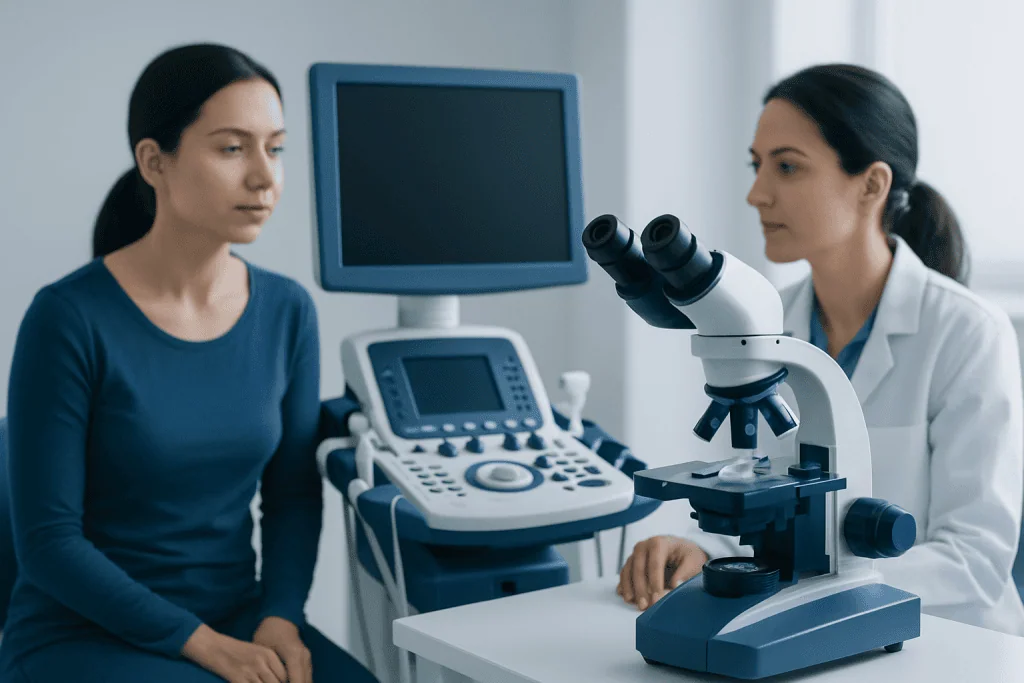
Ovulation is the release of an egg from the ovary, usually once per menstrual cycle. When ovulation is irregular or absent, opportunities for pregnancy become less predictable. Irregular periods, very long cycles, very short cycles, or absent periods can be signs that ovulation is not occurring regularly, although some women may have subtle symptoms.
Several conditions can affect ovulation. Polycystic ovary syndrome, often called PCOS, is a common cause and may be associated with irregular cycles, acne, excess hair growth, or metabolic changes. Thyroid disorders, high prolactin levels, significant weight changes, intense exercise, stress, and some chronic illnesses may also interfere with the hormonal signals needed for ovulation.
Another important factor is ovarian reserve, which refers to the number of eggs remaining in the ovaries. Ovarian reserve naturally decreases with age, and egg quality also changes over time. Tests can estimate ovarian reserve, but they cannot perfectly predict natural fertility or guarantee the success of treatment.
- Common ovulation-related tests include menstrual history, blood hormone tests, and pelvic ultrasound.
- Some women may be advised to track ovulation with urine luteinizing hormone kits or blood progesterone testing.
- Treatment may involve addressing underlying hormone problems or using medicines that encourage ovulation under medical supervision.
Fallopian Tube and Pelvic Causes
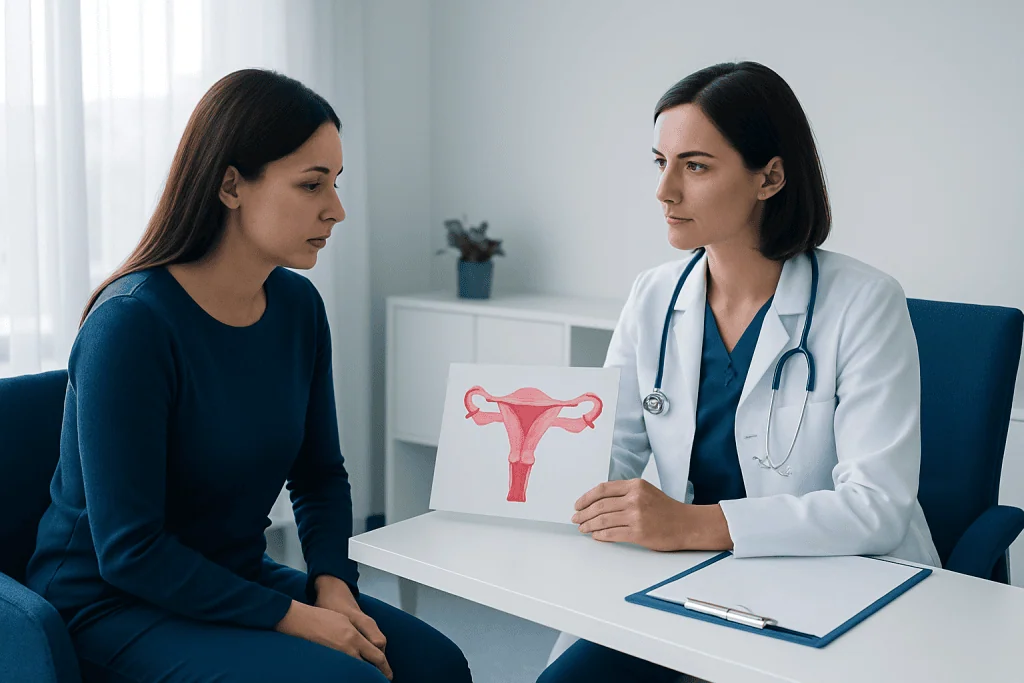
The fallopian tubes are narrow structures that connect the ovaries to the uterus. Fertilization usually occurs inside a fallopian tube, so the tubes need to be open and able to move the egg and embryo normally. If one or both tubes are blocked or damaged, pregnancy may be more difficult, and the risk of ectopic pregnancy may be higher.
Tubal problems can occur after pelvic inflammatory disease, certain sexually transmitted infections, previous ectopic pregnancy, pelvic or abdominal surgery, ruptured appendix, or scarring from endometriosis. Sometimes there are no obvious symptoms, and a tubal issue is found only during fertility testing.
Endometriosis is another important pelvic cause of infertility. It occurs when tissue similar to the lining of the uterus grows outside the uterus, often on the ovaries, fallopian tubes, or pelvic lining. It may cause painful periods, pain with intercourse, bowel or bladder symptoms around menstruation, or chronic pelvic pain, but it can also be mild or silent.
Tests used to assess the tubes may include hysterosalpingography, also known as HSG, which is an X-ray test using contrast dye, or a saline ultrasound technique in selected cases. Laparoscopy, a minimally invasive surgery, may be considered when endometriosis, pelvic adhesions, or other pelvic disease is suspected and when the result may change treatment planning.
Uterine and Cervical Factors
The uterus must provide a suitable environment for an embryo to implant and grow. Some uterine conditions can interfere with implantation or increase the risk of miscarriage, depending on their size, location, and severity. Not every uterine finding causes infertility, so interpretation by a fertility specialist or gynecologist is important.
Fibroids are noncancerous growths of the uterine muscle. Fibroids that distort the uterine cavity may affect fertility more than those located on the outer surface of the uterus. Endometrial polyps, scar tissue inside the uterus, and congenital uterine differences, such as a uterine septum, may also be identified during testing.
The cervix, which is the lower part of the uterus, plays a role in allowing sperm to enter the reproductive tract. Cervical infertility is less common than ovulation, tubal, or uterine causes. Previous cervical procedures, infection, or mucus-related factors may be considered when the history suggests a possible problem.
Uterine evaluation may include transvaginal ultrasound, saline infusion sonography, hysteroscopy, or other imaging depending on the individual situation. Hysteroscopy allows the doctor to look directly inside the uterine cavity and, in some cases, treat polyps, adhesions, or other selected abnormalities during the same procedure.
Fertility Testing: What to Expect
A fertility evaluation usually begins with a detailed medical history for both partners when applicable. The doctor asks about menstrual cycles, previous pregnancies, miscarriages, pelvic pain, infections, surgeries, medications, lifestyle factors, and how long pregnancy has been attempted. A physical examination and pelvic ultrasound may be performed to assess the uterus and ovaries.
Female fertility testing is often timed to the menstrual cycle. Blood tests may measure hormones related to ovarian reserve and ovulation, such as anti-Mullerian hormone, follicle-stimulating hormone, estradiol, thyroid-stimulating hormone, and prolactin. The exact tests vary according to age, cycle pattern, symptoms, and previous results.
Because conception involves both egg and sperm, semen analysis is a routine part of infertility evaluation for heterosexual couples. It assesses sperm count, movement, and shape. This test is important even when the woman has an identified gynecologic condition, because more than one factor can be present.
- Ovulation assessment may involve cycle history, home ovulation tests, ultrasound monitoring, or progesterone testing.
- Tubal testing may involve HSG or another contrast-based imaging method.
- Uterine testing may involve ultrasound, saline sonography, or hysteroscopy.
- Additional tests may be recommended for recurrent miscarriage, suspected genetic conditions, or specific medical histories.
Treatment Options
Treatment for female infertility depends on the cause, age, duration of infertility, test results, and personal preferences. A plan may be simple or more advanced. For example, correcting thyroid disease, treating high prolactin levels, optimizing weight, or managing PCOS can improve ovulation in some women.
Ovulation induction medicines may be used when ovulation is irregular or absent. These medicines should be taken only under medical guidance, because monitoring may be needed to reduce risks such as multiple pregnancy or ovarian overstimulation. In some cases, ovulation induction is combined with timed intercourse or intrauterine insemination, also called IUI.
Surgery may be appropriate for selected uterine or pelvic conditions, such as removing certain polyps, submucosal fibroids, uterine adhesions, or treating some endometriosis-related problems. Surgery is not always the best first step, so the expected benefit should be discussed carefully with a specialist.
In vitro fertilization, or IVF, may be recommended when the fallopian tubes are blocked, sperm factors are significant, endometriosis is advanced, ovarian reserve is reduced, or other treatments have not been successful. IVF involves stimulating the ovaries, retrieving eggs, fertilizing them in a laboratory, and transferring an embryo into the uterus. Success varies widely, so individualized counseling is essential.
Prevention and Self-care
Not all causes of infertility can be prevented, especially age-related ovarian changes or congenital uterine differences. However, general reproductive health measures can support fertility and overall wellbeing. These steps are helpful whether a person is just beginning to try to conceive or is preparing for fertility treatment.
Maintaining a balanced lifestyle may support regular ovulation. This includes aiming for a healthy weight, eating a nutrient-rich diet, staying physically active without excessive exercise, limiting alcohol, avoiding tobacco and recreational drugs, and reviewing medications with a doctor before pregnancy. Folic acid supplementation is commonly recommended before conception, but the right plan should be confirmed with a healthcare professional.
Sexually transmitted infection prevention and early treatment can help reduce the risk of pelvic inflammatory disease, which may damage the fallopian tubes. Regular gynecologic care is also important for symptoms such as heavy bleeding, severe period pain, pelvic pain, or irregular cycles.
Emotional self-care matters as well. Fertility testing and treatment can feel stressful, even when the medical steps are clear. Support from a partner, trusted family member, counselor, or fertility support group can help individuals make decisions and cope with uncertainty.
When to See a Doctor
Medical advice is recommended if pregnancy has not occurred after 12 months of regular, unprotected intercourse for women under 35, or after 6 months for women aged 35 or older. Women aged 40 or older may benefit from seeking advice sooner. A doctor can help decide whether basic testing or referral to a fertility specialist is appropriate.
Earlier evaluation is also recommended for irregular or absent periods, known PCOS, suspected endometriosis, previous pelvic inflammatory disease, prior ectopic pregnancy, repeated miscarriages, a history of cancer treatment, or previous pelvic or ovarian surgery. Severe pelvic pain, very heavy bleeding, or symptoms of infection should be assessed promptly.
For international patients, Acibadem International provides access to multidisciplinary specialists and JCI-accredited hospitals that diagnose and treat infertility, including ovulation, tubal, uterine, and assisted reproduction needs. Care decisions should always be based on an individual medical evaluation and a clear discussion of benefits, limitations, and alternatives.
Frequently asked questions
How is female infertility defined?
Female infertility is usually considered when pregnancy has not occurred after 12 months of regular, unprotected intercourse. For women aged 35 or older, evaluation is often recommended after 6 months because fertility changes more quickly with age. Earlier assessment may be needed if there are irregular periods, endometriosis, pelvic infections, or previous fertility concerns.
Can a woman have regular periods and still have infertility?
Yes. Regular periods often suggest ovulation, but they do not guarantee that every fertility step is working normally. Tubal blockage, endometriosis, uterine conditions, sperm factors, or age-related egg quality changes can still affect the chance of pregnancy.
What tests are usually done first for female infertility?
Initial tests often include a medical history, pelvic ultrasound, hormone blood tests, and assessment of ovulation. Tubal testing, such as hysterosalpingography, may be recommended to check whether the fallopian tubes are open. A semen analysis is also commonly included when there is a male partner.
Do blocked fallopian tubes always require IVF?
Not always. The best option depends on whether one or both tubes are affected, the location and severity of blockage, age, ovarian reserve, and other fertility factors. In some situations surgery may be considered, while in others IVF may offer a more appropriate pathway.
Can lifestyle changes reverse female infertility?
Lifestyle changes can improve fertility in some situations, especially when ovulation is affected by weight changes, smoking, alcohol use, or metabolic health. However, lifestyle changes cannot correct every cause, such as blocked tubes or certain uterine abnormalities. A medical evaluation helps identify which steps are most relevant.
Is IVF the first treatment for female infertility?
IVF is not always the first treatment. Some women benefit from treating hormone conditions, using ovulation medicines, addressing uterine problems, or trying intrauterine insemination. IVF may be recommended sooner for blocked tubes, advanced endometriosis, significant sperm factors, reduced ovarian reserve, or when time is an important factor.
References
- World Health Organization
- American Society for Reproductive Medicine
- European Society of Human Reproduction and Embryology
- American College of Obstetricians and Gynecologists
- National Institute for Health and Care Excellence
This article is for general information only and is not a substitute for professional medical advice. Please consult a qualified doctor about your individual situation.
Female Infertility in Turkey — costs, top hospitals & a free quote
JCI-accredited · board-certified surgeons · reply within 24h
Add us as a Preferred Source to see more of our trusted health content across Google Search, AI Overviews and Discover.
Check your numbers in seconds
BMI, calories, due date, blood pressure and 30+ more clinical calculators — free, instant, doctor-reviewed ranges.

IVF & Reproductive Health
Assisted reproduction and fertility treatments tailored to each couple.
More from the Health Library



Related Specialists

Dr. Süheyla Yeldan Vatansever
Pediatrics
Assoc. Prof. Dr. Yeşim Sağlıcan
Pathology
Esra Atasu
Physical Medicine & Rehabilitation
Fatma Yilmaz
Physical Medicine & Rehabilitation