Femoral Nerve: What Patients Need to Know

The femoral nerve controls important thigh muscles and sensation in the front of the thigh and inner lower leg. Femoral nerve problems may cause groin or thigh pain, numbness, tingling, or weakness in knee extension and hip flexion.
Key Takeaways
- The femoral nerve controls important thigh muscles and sensation in the front of the thigh and inner lower leg.
- Femoral nerve problems may cause groin or thigh pain, numbness, tingling, or weakness in knee extension and hip flexion.
- Common causes include compression, trauma, diabetes-related nerve damage, surgery, or bleeding near the nerve.
- Diagnosis may involve a physical exam, imaging, and nerve tests such as electromyography and nerve conduction studies.
- Treatment depends on the cause and may include rest, medicines, physical therapy, or surgery in selected cases.
The femoral nerve helps the front of the thigh move and carries sensation from part of the thigh and lower leg. When it is irritated, compressed, or injured, it can cause pain, numbness, tingling, or weakness, especially when walking, climbing stairs, or straightening the knee.
Overview: what the femoral nerve does
The femoral nerve is a major nerve in the leg. It begins in the lower back, travels through the pelvis, and passes into the front of the thigh. Its job is to help bend the hip, straighten the knee, and carry feeling from the front of the thigh and part of the inner lower leg.
When the femoral nerve is not working well, the effects are often noticeable in everyday movement. A person may feel pain, burning, numbness, or weakness in the upper leg. Some people describe the leg as unstable, especially when standing up, walking uphill, or climbing stairs.
The term femoral neuropathy is often used when the nerve is damaged or compressed. This is different from more widespread nerve conditions such as peripheral neuropathy, which can affect multiple nerves in the body. Because symptoms can overlap with hip, spine, or muscle problems, a careful medical assessment is important.
Common symptoms of femoral nerve problems
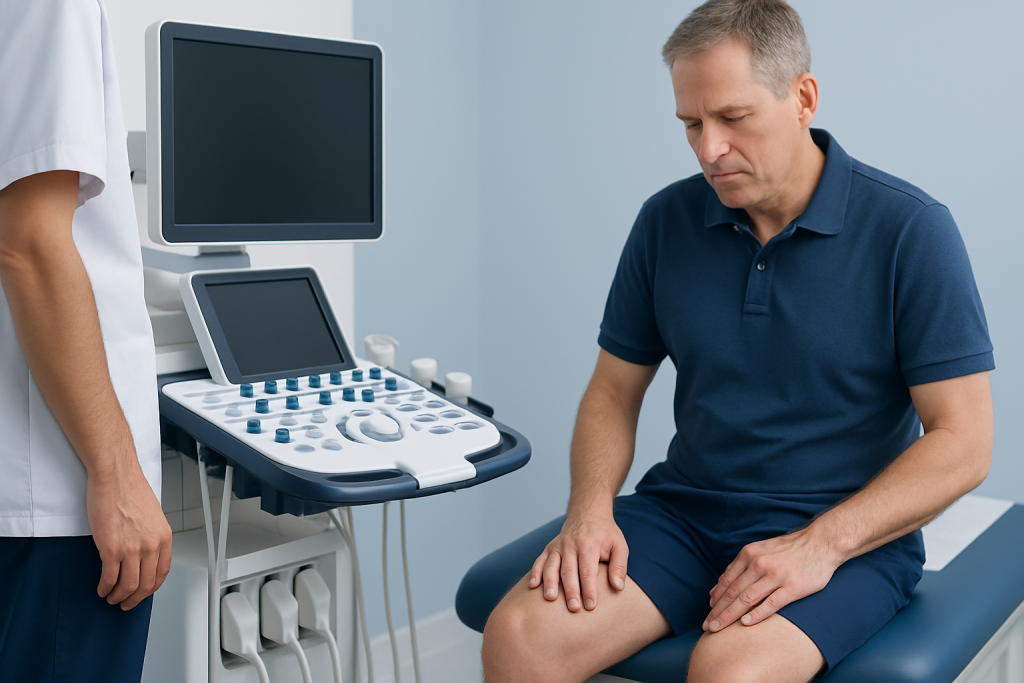
Symptoms vary depending on how much the nerve is affected and where the problem begins. Some people have mainly sensory symptoms, while others notice weakness more than pain. Symptoms may come on suddenly after an injury or procedure, or develop gradually over time.
Possible symptoms include:
- Pain in the groin, hip, or front of the thigh
- Numbness or tingling in the front of the thigh or inner lower leg
- Weakness when straightening the knee
- Difficulty lifting the thigh at the hip
- A feeling that the knee may buckle
- Reduced or absent knee-jerk reflex
These symptoms can affect walking, balance, and confidence with movement. In milder cases, there may only be patchy numbness or brief discomfort. In more significant nerve injury, weakness can make daily activities such as getting up from a chair or going up stairs more difficult.
Causes and risk factors
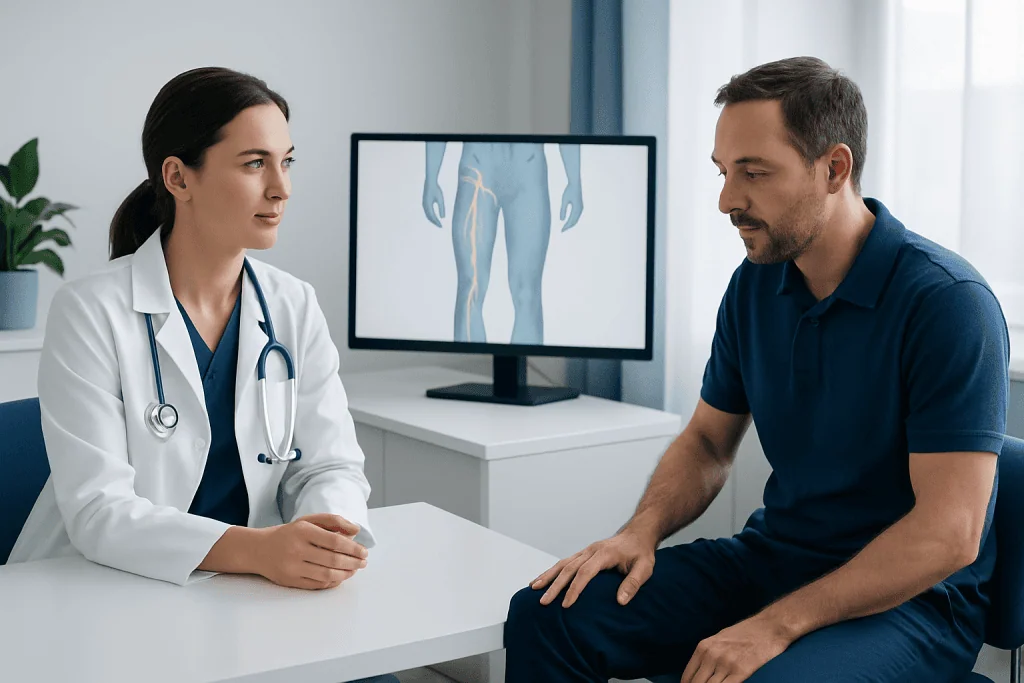
Femoral nerve problems can happen for several reasons. One common cause is compression, meaning the nerve is squeezed somewhere along its path. This may happen because of swelling, a mass, prolonged pressure, or bleeding into the area around the nerve. Less commonly, the nerve can be stretched or directly injured.
Injury or irritation may also occur after medical procedures involving the pelvis, hip, abdomen, or groin. Hip surgery, catheter-based procedures in the femoral artery, or prolonged positioning during an operation can sometimes affect the nerve. If symptoms start after a procedure, doctors usually consider the timing carefully when deciding what tests are needed.
Medical conditions can also raise risk. Diabetes is a well-known cause of nerve damage and may contribute to femoral neuropathy in some people. Pelvic fractures, tumors, infections, and blood clots or bleeding disorders may also be relevant. In some cases, symptoms are related to nerve root compression in the lower spine rather than the femoral nerve itself, so doctors may also consider lumbar disc herniation and other spinal causes.
How doctors diagnose femoral nerve conditions
Diagnosis starts with a detailed history and physical examination. A clinician will ask where the symptoms are felt, when they began, whether they are getting worse, and whether there has been recent injury, surgery, diabetes, or use of blood thinners. The examination usually checks muscle strength, reflexes, sensation, and walking pattern.
Because symptoms can resemble hip disease, muscle strain, or spinal nerve compression, testing may be needed to confirm the source. Nerve conduction studies and electromyography can show how well the femoral nerve and related muscles are functioning. These tests are often helpful when weakness is present or when the cause is unclear.
Imaging may also be used. Ultrasound, CT, or MRI can help detect bleeding, masses, pelvic problems, or structural pressure on the nerve. When symptoms might be related to the spine or nearby joints, a doctor may recommend MRI scanning to look for a disc problem or another source of compression. Accurate diagnosis matters because treatment depends on the underlying cause.
Treatment options for femoral nerve pain and weakness
Treatment focuses on the cause of the problem and on protecting movement and function. Many people improve with non-surgical care, especially when the nerve is irritated rather than severely injured. Initial management may include activity modification, treatment of the underlying condition, pain relief, and a guided rehabilitation plan.
Physical therapy is often an important part of care. Exercises may help maintain joint movement, strengthen surrounding muscles, and improve balance and walking. If the knee feels unstable, a therapist may suggest strategies or supportive devices to reduce the risk of falls. Rehabilitation is typically tailored to the person’s symptoms and overall health.
When pain is significant, doctors may recommend medication to ease nerve-related symptoms. If there is concern about a compressing lesion, hematoma, or ongoing structural problem, more urgent treatment may be needed. In selected cases, referral for neurosurgical evaluation or orthopedic assessment is appropriate, especially if weakness is progressing or the cause requires decompression or repair.
People with broader nerve symptoms may also benefit from assessment in a center experienced in neurology care, where the team can distinguish a localized femoral nerve issue from conditions that affect several nerves. Recovery can take time because nerves heal slowly, but regular follow-up helps track improvement and guide the next steps.
Self-care, recovery, and prevention
Self-care does not replace medical treatment, but it can support recovery. Resting from movements that clearly worsen symptoms, using safe body mechanics, and following a physical therapy plan may all help. For those with weakness, fall prevention is especially important, since knee instability can increase the chance of injury.
Managing underlying health conditions is another key step. Good diabetes control, careful monitoring of anticoagulant medicines when prescribed, and prompt evaluation of unusual groin or thigh swelling may lower the risk of further nerve injury. After surgery or hospital stays, early reporting of new numbness or weakness can help doctors assess the problem quickly.
General prevention measures include staying active within personal limits, avoiding long periods of pressure on the groin or upper thigh, and seeking care for persistent back, hip, or leg symptoms. While not every cause can be prevented, early recognition often leads to better function and less disruption to daily life.
When to seek medical care
Medical advice is recommended if pain, numbness, tingling, or weakness in the front of the thigh lasts more than a few days, interferes with walking, or keeps returning. A person should also seek care if symptoms begin after surgery, an injection, a fall, or another injury involving the hip, pelvis, groin, or lower back.
Urgent assessment is important if the leg suddenly becomes weak, the knee repeatedly buckles, or there is severe pain with swelling in the groin or thigh. Immediate medical attention is also needed if nerve symptoms occur together with loss of bladder or bowel control, rapidly worsening weakness, fever, or signs of significant bleeding.
For international patients who need coordinated evaluation, Acibadem International’s multidisciplinary specialists and JCI-accredited hospitals diagnose and treat femoral nerve conditions using neurology, imaging, rehabilitation, and surgical expertise when needed.
Frequently asked questions
What is the femoral nerve responsible for?
The femoral nerve helps control muscles that flex the hip and straighten the knee. It also carries sensation from the front of the thigh and part of the inner lower leg.
What does femoral nerve pain feel like?
People may feel aching, burning, tingling, or sharp discomfort in the groin or front of the thigh. Some also notice numbness or a strange sensation that extends toward the inner lower leg.
Can a femoral nerve problem cause leg weakness?
Yes. Weakness is a common feature, especially when straightening the knee or lifting the thigh. In some cases, the knee may feel unstable or give way during walking.
How is femoral neuropathy diagnosed?
Doctors usually begin with a history and physical examination to check sensation, muscle strength, and reflexes. They may also use nerve conduction studies, electromyography, or imaging tests to confirm the cause.
Can femoral nerve damage heal on its own?
Some mild cases improve gradually, especially if the underlying irritation or compression is relieved. Recovery can take weeks to months, and follow-up is important because nerves often heal slowly.
What treatments are used for femoral nerve problems?
Treatment may include rest, physical therapy, pain management, and treatment of the underlying cause such as diabetes or a compressing lesion. Surgery is considered in selected cases when there is significant compression, injury, or worsening weakness.
This article is for general information only and is not a substitute for professional medical advice. Please consult a qualified doctor about your individual situation.
Explore treatments in Turkey — costs, top hospitals & a free quote
JCI-accredited · board-certified surgeons · reply within 24h
Add us as a Preferred Source to see more of our trusted health content across Google Search, AI Overviews and Discover.

More from the Health Library

Blackmail: An Evidence-Based Guide for Patients

Ventolin: An Evidence-Based Guide for Patients

Pectoral Girdle: An Evidence-Based Guide for Patients

Fire Ant Bites — Explained by Medical Evidence, Not Myths

Ipratropium Bromide — Explained by Medical Evidence, Not Myths