

Fertility check Risks & Side Effects Explained by Surgeons

Most fertility check risks are minor and relate to blood draws, pelvic examinations, ultrasound, or semen collection. A fertility assessment is tailored to the individual or couple and may not require every available test.
Key Takeaways
- Most fertility check risks are minor and relate to blood draws, pelvic examinations, ultrasound, or semen collection.
- A fertility assessment is tailored to the individual or couple and may not require every available test.
- Tests that examine the fallopian tubes or uterus can cause short-term cramping, spotting, or rarely infection or an allergic reaction.
- Results identify possible contributing factors but do not always provide a definite explanation for difficulty conceiving.
- Prompt medical review is important for severe pelvic pain, fever, heavy bleeding, fainting, or allergic symptoms after an invasive fertility test.
Fertility checks are generally safe and often rely on non-invasive tests such as medical history review, blood testing, ultrasound, and semen analysis. Some follow-up procedures, including tubal testing or hysteroscopy, can cause temporary discomfort and carry small risks that should be discussed with a fertility specialist.
Overview: Are Fertility Checks Safe?
Fertility check risks are usually low because the first stage of assessment commonly uses a health history, physical examination, blood tests, pelvic ultrasound, and semen analysis. These tests do not reduce fertility and are generally well tolerated. Some people may experience brief discomfort, embarrassment, or anxiety while undergoing testing or waiting for results.
Additional investigations may be suggested when initial findings, symptoms, age, medical history, or the time spent trying to conceive indicate a need for more detail. Tests that assess the uterus or fallopian tubes can be more uncomfortable and have uncommon but important risks, such as infection, bleeding, or a reaction to contrast dye. A clinician should explain why each test is being considered, what it can and cannot show, and whether there are alternatives.
A complete assessment usually considers both partners where relevant. This helps avoid unnecessary testing and recognizes that fertility can be affected by ovulation, egg supply, sperm production and delivery, the uterus and fallopian tubes, sexual timing, health conditions, and unexplained factors. For a broader overview of the process, patients can review fertility check and assessment options.
Who May Benefit From a Fertility Check
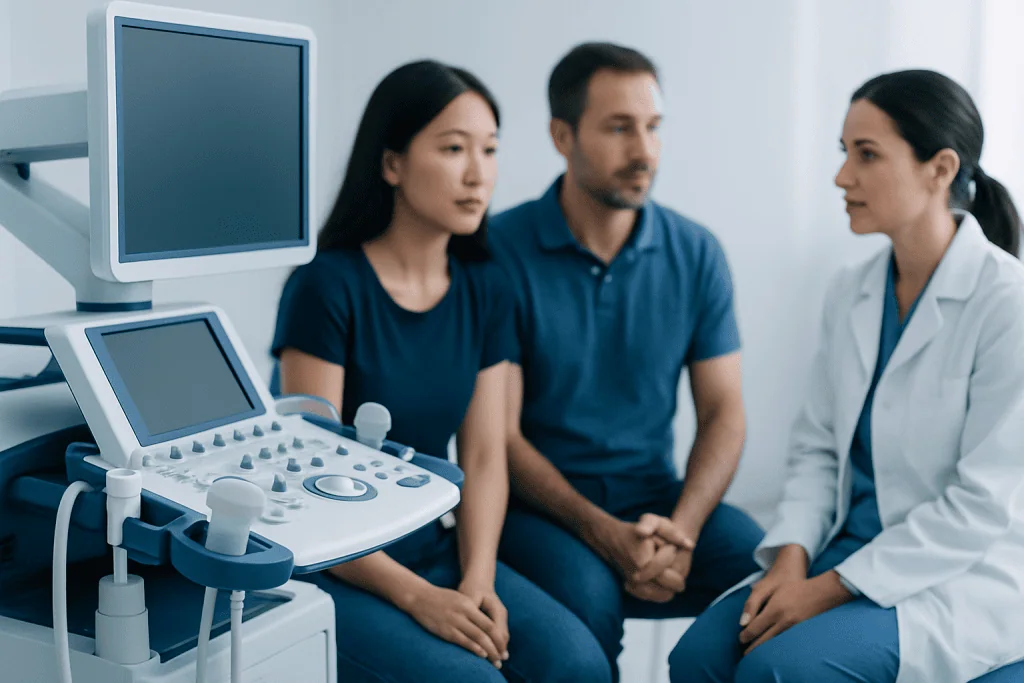
A fertility evaluation may be appropriate for people who have not conceived after regular unprotected intercourse for a period of time, especially when age may affect the chance of pregnancy. It may also be considered earlier for those with irregular or absent periods, known pelvic or testicular conditions, previous cancer treatment, recurrent pregnancy loss, prior ectopic pregnancy, or a history that could affect reproductive health.
People planning pregnancy may seek a preconception discussion even before trying to conceive. This can be useful for reviewing medications, long-term health conditions, vaccinations, genetic or family history, and lifestyle factors. However, a fertility check cannot precisely predict whether or when a person will become pregnant, particularly if no infertility is present.
Assessment should be individualized. For example, someone with predictable menstrual cycles and no concerning history may initially need fewer tests than someone with pelvic pain, prior pelvic infection, surgery, undescended testes, erectile or ejaculatory concerns, or markedly irregular periods. A clinician will also consider whether pregnancy can be attempted safely in the context of the person’s overall health.
How a Fertility Assessment Works Step by Step

The process usually begins with a consultation. The clinician asks about menstrual patterns, previous pregnancies, sexual health, medical and surgical history, medicines, family history, and lifestyle. For a couple, both partners are encouraged to participate because testing one person alone may leave an important factor unassessed.
Basic testing may include blood tests to assess hormones or other health factors, timed according to the menstrual cycle when appropriate. A pelvic ultrasound may examine the ovaries, uterus, and pelvic structures. For male-factor assessment, semen analysis measures characteristics such as sperm number, movement, and shape. Collection is private and non-invasive, although some people find the process emotionally difficult.
If indicated, clinicians may recommend tests of the fallopian tubes and uterine cavity. A hysterosalpingogram uses X-ray imaging and contrast introduced through the cervix to assess whether the tubes appear open. Saline ultrasound, hysteroscopy, or laparoscopy may be used in selected circumstances. Laparoscopy is surgery and is not a routine first-line fertility check; it is generally reserved for specific clinical questions, such as suspected endometriosis or pelvic adhesions.
- Before testing, patients may be asked about allergies, pregnancy possibility, infections, medicines, and previous procedures.
- Some blood tests or semen samples may need to be repeated because hormone levels and semen parameters can vary naturally.
- Results are reviewed in context rather than interpreted as a simple pass-or-fail measure of fertility.
Risks and Side Effects of Common Fertility Tests
Blood tests may cause a brief sting, small bruise, light-headedness, or rarely infection at the needle site. Pelvic examination and transvaginal ultrasound can cause temporary pressure or discomfort but do not use radiation and are not known to harm future fertility. Semen analysis has no physical medical risk, though emotional stress or difficulty providing a sample can occur.
Tests involving the cervix, uterus, or fallopian tubes may cause cramping during or shortly after the procedure, as well as light spotting for a short time. With hysterosalpingography, uncommon risks include pelvic infection, fainting, allergy to contrast material, and very rarely uterine injury. The chance of infection can be higher in people with certain prior pelvic infections or tubal disease, so clinical history matters.
Hysteroscopy may cause cramping, spotting, or nausea. Serious complications such as infection, bleeding, uterine perforation, or complications from anesthesia are uncommon but possible. Laparoscopy has the risks of surgery and anesthesia, including infection, bleeding, blood clots, and injury to nearby organs; these risks are why it is performed only when the potential benefit is clear.
Fertility testing can also have emotional effects. Uncertain, unexpected, or inconclusive results may cause worry, sadness, frustration, or strain within a relationship. It can help to ask in advance when results will be available, what the next steps may be, and whether counseling or support services are accessible.
Benefits, Limits and Making Informed Decisions
The main benefit of a fertility check is that it can identify factors that may be treatable or that may guide next steps. Examples include ovulation disorders, thyroid disease, uterine polyps or fibroids, blocked fallopian tubes, low sperm count, or health and lifestyle factors that may affect reproduction. Identifying these issues can help a clinician recommend appropriate monitoring, treatment, referral, or fertility care.
At the same time, no test can fully measure natural fertility or guarantee the outcome of treatment. Tests of ovarian reserve can provide information about egg quantity and likely response to certain fertility treatments, but they do not directly measure egg quality or guarantee the ability to conceive. Semen results can also change over time and may need confirmation.
Patients have the right to understand the purpose, expected benefit, risks, and alternatives of each procedure before consenting. It is reasonable to ask whether a test will change management, whether it can be delayed, and whether a less invasive option is suitable. This shared decision-making approach can reduce unnecessary procedures while ensuring important concerns are investigated.
Recovery and Self-Care After Testing
Most people can return to usual activities immediately after a consultation, blood draw, ultrasound, or semen analysis. After a test involving the cervix or uterus, mild cramps and light spotting may occur for a day or two. The treating team may recommend rest on the day of the procedure and may advise suitable pain relief based on the person’s medical history.
After procedures requiring sedation or general anesthesia, such as some hysteroscopies or laparoscopies, recovery takes longer. Patients may need someone to take them home, should avoid driving and major decisions for the period advised by the anesthesia team, and should follow instructions on wound care, activity, diet, and return to work. Recovery after laparoscopy can range from several days to longer depending on what was done during surgery.
It is helpful to keep a record of menstrual dates, symptoms, medications, and previous test results for follow-up appointments. Patients should use only the antibiotics, pain medicines, or other treatments recommended by their clinician. They should not start supplements or stop prescribed medicines solely on the basis of fertility test results without medical advice.
When to Seek Medical Care
Urgent medical advice is needed after an invasive fertility procedure if there is fever, worsening or severe pelvic or abdominal pain, heavy vaginal bleeding, foul-smelling discharge, persistent vomiting, fainting, shortness of breath, or signs of an allergic reaction such as facial swelling, widespread rash, or difficulty breathing. These symptoms are not expected after routine testing and should be assessed promptly.
A person should also contact their clinician if cramping or bleeding does not improve as expected, if there are concerns about a possible pregnancy before a planned imaging test, or if emotional distress becomes difficult to manage. Fertility concerns can be sensitive, and appropriate support is part of good care.
Acibadem International’s multidisciplinary specialists and JCI-accredited hospitals diagnose and treat fertility-related concerns for international patients. A qualified fertility clinician can help determine which tests are appropriate and discuss next steps based on individual results and goals.
Frequently asked questions
Do fertility checks have long-term side effects?
Routine fertility tests such as blood tests, ultrasound, and semen analysis are not expected to cause long-term side effects or reduce future fertility. Invasive tests have uncommon complications, but permanent harm is rare when procedures are appropriately selected and performed by trained clinicians.
Is a transvaginal ultrasound painful?
A transvaginal ultrasound may feel uncomfortable or create pressure, but it is usually not painful. Patients can tell the sonographer or clinician if they feel pain, anxiety, or need the examination paused.
Can an HSG test increase the chance of pregnancy?
Some people conceive in the months after a hysterosalpingogram, particularly when contrast passes through the fallopian tubes. However, it is primarily a diagnostic test, and it should not be viewed as a guaranteed fertility treatment.
What are the risks of semen analysis?
Semen analysis does not have physical medical risks because it involves collecting a sample for laboratory testing. The main challenges may be privacy concerns, stress, or difficulty producing a sample at the requested time.
How soon can someone return to work after fertility testing?
Most people can return to normal activities the same day after blood tests, ultrasound, or semen analysis. More invasive procedures may require a day or more of recovery, especially if sedation, anesthesia, or surgery is used.
Can fertility test results be wrong?
Results can vary due to natural changes in hormones, menstrual timing, illness, laboratory factors, and differences between semen samples. Clinicians may repeat a test or combine results with other findings before reaching conclusions.
References
- American Society for Reproductive Medicine
- American College of Obstetricians and Gynecologists
- National Institute for Health and Care Excellence
- World Health Organization
This article is for general information only and is not a substitute for professional medical advice. Please consult a qualified doctor about your individual situation.
IVF & fertility treatment in Turkey — success rates and costs
JCI-accredited · board-certified surgeons · reply within 24h
Add us as a Preferred Source to see more of our trusted health content across Google Search, AI Overviews and Discover.
Check your numbers in seconds
BMI, calories, due date, blood pressure and 30+ more clinical calculators — free, instant, doctor-reviewed ranges.

More from the Health Library


Related Specialists

Dr. Kutluhan Demirarslan
Inpatient Clinic Physicians
Embriyolog Sevda Gökçe
Vitro Fertilization and Reproductive Medicine Center
Prof. Dr. Fikret Aksoy
General Surgery
Dr. Serkan Cici
Emergency Service