Fibromyalgia: Symptoms, Causes, and Treatment Options

Fibromyalgia commonly causes widespread pain, fatigue, unrefreshing sleep, and problems with concentration or memory. There is no single test for fibromyalgia; diagnosis is based on symptoms, medical history, and ruling out other conditions.
Key Takeaways
- Fibromyalgia commonly causes widespread pain, fatigue, unrefreshing sleep, and problems with concentration or memory.
- There is no single test for fibromyalgia; diagnosis is based on symptoms, medical history, and ruling out other conditions.
- Treatment often combines exercise, sleep support, stress management, education, and sometimes medication.
- Symptoms can overlap with conditions such as arthritis, thyroid disorders, and chronic fatigue syndrome.
- Early recognition and a personalized care plan can help many people manage symptoms more effectively.
Fibromyalgia is a long-term condition that causes widespread body pain along with fatigue, sleep problems, and difficulty thinking clearly. It does not damage the joints or muscles, but it can strongly affect daily life, so diagnosis and treatment usually focus on symptom relief, better sleep, and improved function.
Overview: what fibromyalgia is
Fibromyalgia is a chronic pain condition that affects how the brain and nervous system process pain signals. People with fibromyalgia often feel pain in many parts of the body at the same time, and the discomfort may be accompanied by deep tiredness, non-restorative sleep, and problems with concentration, sometimes called “fibro fog.”
Although the symptoms are very real, fibromyalgia does not usually cause visible inflammation or permanent damage to muscles, joints, or organs. This can make the condition frustrating, because a person may feel unwell even when standard tests appear normal. For that reason, diagnosis often depends on a careful review of symptoms rather than on one specific laboratory or imaging result.
Fibromyalgia can affect adults of any age, and it may occur on its own or alongside other health conditions. With the right support, many people can reduce symptom flare-ups, improve daily function, and regain confidence in managing their health.
How fibromyalgia may feel in daily life
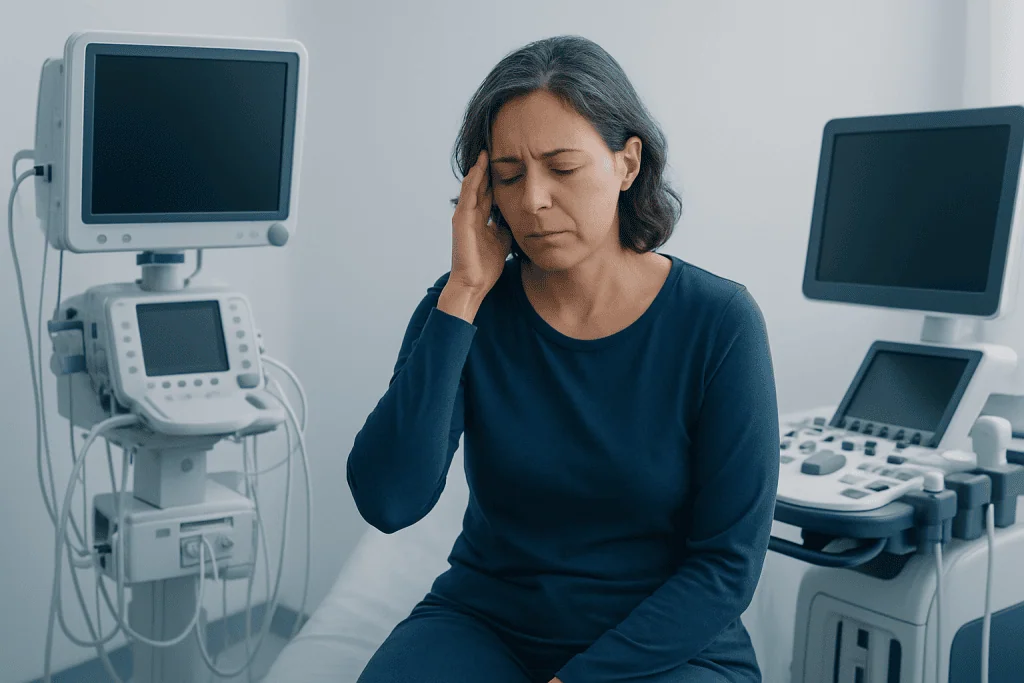
The most common feature of fibromyalgia is widespread pain. This pain is often described as aching, burning, throbbing, stabbing, or a constant soreness affecting both sides of the body and often above and below the waist. Some people notice that symptoms shift from day to day, with flare-ups triggered by poor sleep, emotional stress, illness, weather changes, or overexertion.
Fatigue is another major symptom. It is not simply feeling sleepy; many people describe it as an overwhelming lack of energy even after a full night in bed. Sleep itself may feel light or interrupted, and a person may wake up feeling unrefreshed. Over time, this can affect work, family life, physical activity, and mood.
Other symptoms are also common and can vary widely from person to person.
- Widespread muscle and soft-tissue pain
- Tenderness to touch
- Morning stiffness
- Headaches or migraines
- Difficulty concentrating or remembering
- Numbness or tingling sensations
- Sensitivity to noise, light, temperature, or smells
- Digestive symptoms such as bloating or irritable bowel symptoms
Because fibromyalgia can overlap with sleep, mood, digestive, and pain disorders, some people are also evaluated for related conditions such as migraine or irritable bowel syndrome. Understanding the full symptom pattern helps doctors create a more useful treatment plan.
Why fibromyalgia happens: causes and risk factors

The exact cause of fibromyalgia is not fully understood. Current evidence suggests that it involves altered pain processing in the central nervous system, sometimes called central sensitization. In simple terms, the nervous system becomes more sensitive, so normal sensations may feel painful and painful sensations may feel stronger than expected.
Fibromyalgia is likely influenced by several factors rather than one single trigger. Genetics may play a role, since the condition sometimes runs in families. It can also begin or become more noticeable after physical trauma, surgery, infection, major emotional stress, or a long period of poor sleep. In some people, there is no clear starting point.
Certain factors may raise the likelihood of developing fibromyalgia or of being diagnosed with it.
- A family history of fibromyalgia or chronic pain conditions
- Being female, although fibromyalgia also affects males
- Long-term sleep disturbance
- Coexisting rheumatologic disorders, such as rheumatoid arthritis or lupus
- Chronic stress, anxiety, or depression
- A history of trauma or physically demanding strain
It is important to note that fibromyalgia is not imagined, and it is not a sign of weakness. It is a recognized medical condition that requires a structured, supportive approach to care.
How doctors diagnose fibromyalgia
There is no single blood test, scan, or biopsy that confirms fibromyalgia. Diagnosis is usually made through a detailed medical history, symptom review, and physical examination. Doctors look for a pattern of widespread pain lasting at least several months, along with common associated symptoms such as fatigue, unrefreshing sleep, and thinking difficulties.
During the evaluation, the doctor will also consider other conditions that can cause similar complaints. Depending on the person’s symptoms, tests may be ordered to rule out thyroid disease, inflammatory arthritis, vitamin deficiencies, sleep disorders, or autoimmune conditions. This step is important because fibromyalgia can coexist with other illnesses, and each may need separate treatment.
In some cases, referrals may be helpful. A patient might be seen by a rheumatologist, neurologist, pain specialist, sleep specialist, or rehabilitation team. Imaging is not used to diagnose fibromyalgia itself, but it may be requested if another cause of pain is suspected. If numbness, weakness, or persistent neck or back symptoms are present, further assessment for conditions such as herniated disc may be considered.
A clear diagnosis can be reassuring. It helps explain the symptom pattern and allows treatment to focus on practical goals such as lowering pain intensity, improving sleep quality, and restoring physical activity gradually.
Treatment options for fibromyalgia
Fibromyalgia treatment usually works best when it combines several approaches rather than relying on one remedy alone. The aim is not only to reduce pain but also to improve sleep, energy, mood, and everyday functioning. Because symptoms differ from person to person, treatment plans are individualized and may change over time.
Exercise is one of the most consistently recommended strategies. Gentle, regular movement can help reduce pain sensitivity and improve stamina. Walking, stretching, water-based exercise, yoga, and low-impact strengthening may all be useful when introduced slowly. Many people benefit from structured physical therapy to build a safe plan, protect joints, and avoid overexertion during flare-ups.
Medications may also be part of care for some patients. Doctors may consider drugs that affect pain signaling, sleep, or mood, depending on the main symptoms. Not every medicine works for every person, and treatment often begins with low doses and careful follow-up. In selected cases, supportive care may include pain management strategies, sleep-focused treatment, or counseling to help a person cope with chronic symptoms.
Education and self-management are equally important. Learning pacing techniques, improving sleep habits, and addressing stress can make a meaningful difference. When symptoms are severe or affect mobility, some people may also benefit from rehabilitation services that support physical function and energy conservation.
Living well with fibromyalgia: self-care and prevention of flare-ups
There is no known way to prevent fibromyalgia completely, but many people can reduce flare-ups and improve quality of life with regular self-care. A steady routine is often more helpful than trying to do too much on “good” days and then crashing afterward. Pacing activities can help conserve energy while keeping the body active.
Sleep care is a central part of symptom control. Going to bed and waking up at consistent times, limiting caffeine late in the day, reducing screen use before sleep, and treating any underlying sleep disorder may all help. Stress reduction also matters, since emotional strain can intensify pain and fatigue. Relaxation exercises, breathing techniques, mindfulness, and supportive counseling may be useful tools.
Helpful everyday habits may include:
- Regular low-impact exercise, started gradually
- Balanced meals and adequate hydration
- Gentle stretching, especially in the morning
- Tracking symptoms to identify triggers
- Breaking larger tasks into smaller steps
- Protecting time for rest without becoming inactive
People living with fibromyalgia may need long-term support, especially during periods of stress or change. Near the end of the care pathway, it may be reassuring to know that Acibadem International’s multidisciplinary specialists and JCI-accredited hospitals diagnose and treat fibromyalgia for international patients using coordinated neurology, rehabilitation, and pain-focused care.
When to seek medical care
A person should consider medical evaluation if widespread pain, fatigue, or poor sleep continues for weeks and begins to affect daily activities. It is especially important to seek care if symptoms interfere with work, exercise, mood, or the ability to think clearly. Early assessment can help identify fibromyalgia or another condition with similar symptoms.
Prompt medical attention is also important if there are symptoms that are not typical of fibromyalgia, such as fever, significant joint swelling, unexplained weight loss, new weakness, loss of bladder or bowel control, or severe numbness. These signs may point to a different health problem that needs timely treatment.
Because fibromyalgia can overlap with other disorders, a healthcare professional can help decide which symptoms are most likely related to fibromyalgia and which need separate testing. A balanced, individualized plan often gives the best results, so ongoing communication with a qualified doctor is an important part of care.
Frequently asked questions
Is fibromyalgia an autoimmune disease?
Fibromyalgia is not considered an autoimmune disease. It is generally understood as a disorder of pain processing in the nervous system, although it can occur alongside autoimmune conditions such as lupus or rheumatoid arthritis.
Can fibromyalgia be cured?
There is currently no single cure for fibromyalgia, but many people improve with a combination of treatments. The main goals are to reduce symptoms, improve sleep, support activity, and help the person function better in daily life.
What is the first-line treatment for fibromyalgia?
Treatment usually begins with education, regular low-impact exercise, sleep improvement, and stress management. Depending on symptoms, a doctor may also recommend medication, physical therapy, or psychological support as part of a broader plan.
Does fibromyalgia show up on blood tests or scans?
Fibromyalgia does not have a specific blood test or imaging finding that confirms it. Tests are often used to rule out other conditions that can cause similar symptoms, such as thyroid disease, inflammatory disorders, or vitamin deficiencies.
Can fibromyalgia symptoms come and go?
Yes. Many people experience periods when symptoms are milder and times when they flare up. Common triggers include poor sleep, stress, illness, and doing too much physical activity too quickly.
Is exercise safe with fibromyalgia?
For most people, gentle exercise is safe and helpful when started gradually. Low-impact activities such as walking, swimming, stretching, or guided strengthening can improve pain tolerance, sleep, and energy over time.
References
- Centers for Disease Control and Prevention
- National Institute of Arthritis and Musculoskeletal and Skin Diseases
- American College of Rheumatology
- National Health Service
- Mayo Clinic
This article is for general information only and is not a substitute for professional medical advice. Please consult a qualified doctor about your individual situation.
Fibromyalgia in Turkey — costs, top hospitals & a free quote
JCI-accredited · board-certified surgeons · reply within 24h
Add us as a Preferred Source to see more of our trusted health content across Google Search, AI Overviews and Discover.

Physical Medicine & Rehabilitation
Restoring movement and function after injury, surgery or neurological conditions.
150 specialists in this unit