Financial Assistance for Cataract Surgery: Procedure, Recovery and Results

Financial support options vary by country, insurance plan, income, residency status, and whether surgery is medically necessary. Cataract surgery usually involves removing the cloudy lens and placing an intraocular lens through a small incision.
Key Takeaways
- Financial support options vary by country, insurance plan, income, residency status, and whether surgery is medically necessary.
- Cataract surgery usually involves removing the cloudy lens and placing an intraocular lens through a small incision.
- Most people notice improving vision within days, while full visual stabilization may take several weeks.
- Dryness, glare, halos, and temporary blurred vision are common concerns during recovery and should be discussed at follow-up visits.
- Sudden vision loss, severe pain, increasing redness, or flashes and floaters after surgery require urgent eye assessment.
Financial assistance for cataract surgery can come from health insurance, public health programs, charitable organizations, hospital financial-support teams, or payment arrangements, depending on a person’s country, coverage, and clinical needs. Cataract surgery is a common outpatient procedure that replaces the cloudy natural lens with an artificial lens to improve vision.
Financial assistance for cataract surgery: an overview
Financial assistance for cataract surgery may be available through public or national health coverage, private insurance benefits, charitable programs, hospital financial-counselling services, community organizations, or structured payment arrangements. Eligibility and covered services differ widely, so the most useful first step is to ask the eye clinic for a written treatment plan and speak with an insurance representative or financial counsellor before scheduling surgery.
A cataract is a clouding of the eye’s natural lens. It can make vision blurred, faded, less sharp in dim light, or more sensitive to glare. Surgery is generally considered when cataract-related vision changes affect reading, driving, work, independence, or other important daily activities. It is not usually based on the cataract’s appearance alone.
Many people benefit from reviewing what is included in the clinical plan. This may include pre-operative testing, the surgical procedure, the type of intraocular lens, anesthesia services, prescribed eye drops, and follow-up appointments. Some coverage plans distinguish between standard medically necessary care and optional lens features or refractive services, so clear questions can prevent unexpected decisions later.
For a broader explanation of the condition and its effects on sight, readers may find cataract information helpful. An ophthalmologist can explain whether surgery is appropriate and which aspects of care are medically necessary for the individual patient.
Is there any financial help for cataract surgery?
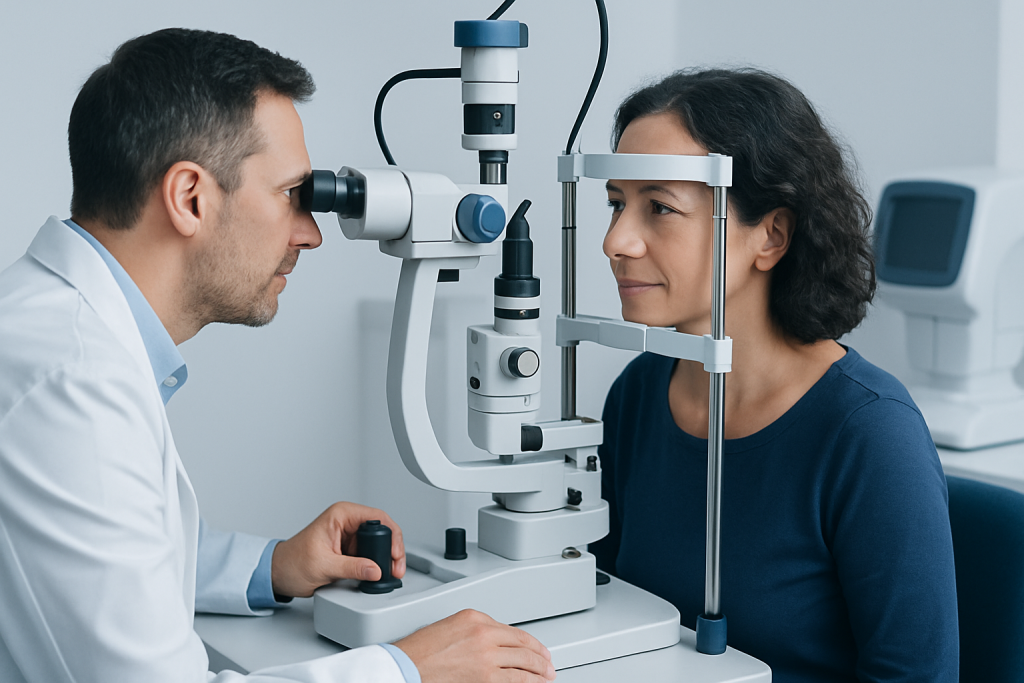
Yes. The available financial help for cataract surgery depends on where the person lives and how care is funded. In some health systems, medically necessary cataract surgery may be covered partly or fully by public health services. Private insurance may cover surgery when it meets the plan’s medical-necessity criteria, although deductibles, co-payments, prior authorization requirements, provider-network rules, and exclusions can still apply.
People without adequate coverage can ask the surgical center or hospital about financial-assistance policies, income-based support, charity-care programs, and instalment payment options. Local vision charities, social-service agencies, senior-support organizations, and community health centers may also be able to identify relevant programs. Availability can change, and assistance is never automatic, so patients should apply early and keep copies of requested documents.
Useful questions include: Is the surgeon and facility in-network? What is covered for the standard intraocular lens? Are diagnostic tests, anesthesia, medications, and follow-up visits included? Is approval needed before surgery? What financial-support documents are required? A written estimate and coverage explanation can help patients compare options without delaying necessary eye care.
Financial considerations should not replace medical decision-making. If vision is deteriorating or safety is affected, an ophthalmologist can help determine how promptly surgery is needed while the patient explores suitable funding resources.
How cataract surgery works and who may be a candidate

Cataract surgery removes the cloudy natural lens and replaces it with a clear artificial lens called an intraocular lens, or IOL. The new lens stays in the eye permanently. The operation is most often performed one eye at a time as an outpatient procedure, meaning the patient usually returns home the same day.
A person may be a candidate when cataracts interfere with meaningful activities despite updated glasses, when glare makes driving difficult, or when the cataract prevents the eye doctor from monitoring or treating another eye condition. The decision is individual: some people have early cataracts but little functional difficulty, while others experience major limitations even when the cataract does not look advanced.
Before surgery, the ophthalmology team assesses eye health, measures the eye to help select an IOL, reviews medications and allergies, and discusses visual goals. Existing conditions such as glaucoma, diabetic eye disease, macular degeneration, corneal disease, or a previous eye operation can affect expected results and the follow-up plan.
The choice of IOL deserves a practical discussion. A standard monofocal IOL is commonly designed to focus at one distance, so glasses may still be needed for reading or other tasks. Other lens designs may reduce dependence on glasses for some people, but they are not suitable for everyone and can have different visual trade-offs.
Step-by-step: what happens during the procedure
On the day of surgery, the eye is usually dilated and numbed with drops or local anesthetic. Sedation may be used in selected cases to support comfort, but the patient is typically awake and able to follow simple instructions. The surgical team cleans the skin around the eye and places a sterile covering to protect the area.
The surgeon makes a very small incision at the edge of the cornea. Using a technique called phacoemulsification, ultrasound energy breaks the cloudy lens into small pieces that are gently removed. The lens capsule, a thin natural membrane, is generally left in place to support the new IOL.
The selected IOL is then folded or inserted through the small opening and positioned inside the lens capsule. Most small incisions seal without stitches. The eye is protected with a shield or covering, and the patient receives instructions about drops, activity, and follow-up before going home.
Details can vary according to the eye’s anatomy, the density of the cataract, previous eye surgery, and the type of lens planned. Cataract surgery should be planned with an ophthalmologist who can explain the procedure, likely visual outcome, and alternatives in a way that supports informed consent.
How long is recovery after cataract surgery?
Recovery after cataract surgery commonly begins quickly, and many people notice clearer or brighter vision within several days. However, it is normal for vision to fluctuate at first. Mild blurring, scratchiness, tearing, light sensitivity, or a foreign-body sensation may occur during the early healing period.
The first follow-up is often arranged soon after surgery. Eye drops are usually prescribed to reduce inflammation and lower infection risk, and they should be used exactly as instructed. Patients are generally advised not to rub or press on the eye, to use the protective shield as directed, and to avoid activities that could expose the eye to injury or contaminated water during the initial period.
Most routine activities can often resume gradually, based on the surgeon’s advice. Vision may take several weeks to stabilize fully, particularly when the eye has other conditions or when a prescription for new glasses is needed. If surgery is planned for both eyes, the second procedure is usually scheduled only after the first eye has been assessed.
Patients should not drive until their vision meets local legal requirements and their clinician says it is safe. Attending follow-up appointments is important because healing and eye pressure need to be checked even when the eye feels comfortable.
Benefits, risks, and the biggest complaint after surgery
The main benefit of cataract surgery is improved clarity of vision when the cataract is the major cause of visual impairment. People may notice brighter colors, less glare, and improved ability to carry out daily activities. Results depend on the health of the retina, optic nerve, cornea, and other parts of the eye, not only on successful lens removal.
What is the biggest complaint after cataract surgery? There is no single experience for every patient, but dry-eye symptoms and visual disturbances such as glare, halos, or light sensitivity are commonly reported concerns. These may be temporary during healing, but their persistence or severity should be discussed with the ophthalmologist. Expectations about spectacle use are also a frequent source of disappointment if lens options and visual goals were not fully discussed beforehand.
Serious complications are uncommon but can include infection, bleeding, swelling, increased eye pressure, retinal detachment, or problems with lens position. A later clouding of the lens capsule, sometimes called posterior capsule opacification, can also make vision cloudy again. It is often treatable with a laser procedure, but it is not the same as a cataract returning.
What doctors do not always have time to emphasize is that surgery improves cataract-related blur, but it does not cure every cause of reduced vision. Patients should ask what other eye conditions may limit the final outcome, whether glasses may still be needed, and which symptoms require urgent contact after the operation.
When to seek medical care
Anyone with gradually worsening blurred vision, increasing glare, difficulty reading, or problems seeing in low light should arrange an eye examination. These symptoms can be caused by cataracts but may also occur with other eye conditions, some of which need different treatment. A comprehensive assessment can identify the cause and help determine whether surgery is appropriate.
After cataract surgery, patients should contact their eye team promptly if they have worsening rather than improving vision, increasing redness, significant swelling, persistent nausea or vomiting, or pain that is severe or not relieved by the recommended approach. Sudden vision loss, a curtain-like shadow, new flashes of light, or a sudden increase in floaters should be assessed urgently.
Patients should also seek advice if they are unsure about their drops, accidentally injure the eye, or cannot attend a planned follow-up. Early communication allows the clinical team to give safe, specific guidance based on the person’s surgical history and eye health.
Acibadem International’s multidisciplinary specialists and JCI-accredited hospitals support international patients needing assessment and treatment for cataracts, including coordinated planning around ophthalmology care.
Frequently asked questions
Is there any financial help for cataract surgery?
Financial help may be available through public health coverage, private insurance, hospital financial-assistance programs, charities, or payment arrangements. Eligibility depends on location, insurance terms, income, residency, and whether the surgery is considered medically necessary. A clinic financial counsellor or insurer can explain available options before surgery is scheduled.
How long is recovery after cataract surgery?
Many people see improvement within a few days, but vision can fluctuate while the eye heals. Full stabilization may take several weeks, and the exact timeline varies with the eye’s health and the procedure performed. Follow-up visits and prescribed eye drops are important parts of recovery.
What is the biggest complaint after cataract surgery?
Dryness, irritation, glare, halos, and temporary light sensitivity are among commonly reported concerns. Some patients are also surprised to find they still need glasses for certain activities. Persistent or worsening symptoms should be discussed with the operating ophthalmologist.
What doctors don't tell you about cataract surgery?
A careful ophthalmologist should discuss that cataract surgery removes the cloudy lens but cannot reverse vision loss caused by retinal, optic-nerve, or corneal disease. The type of implanted lens can affect the need for glasses and the chance of visual effects such as halos. Patients benefit from asking specific questions about their expected result, not only the operation itself.
Is cataract surgery painful?
Cataract surgery is usually performed with numbing drops or local anesthesia, so significant pain during the procedure is not expected. Some pressure or awareness of bright lights may be noticed. Mild discomfort afterward can occur, but severe or increasing pain requires prompt medical advice.
Can a cataract come back after surgery?
The removed natural lens cannot develop another cataract. However, the capsule behind the artificial lens can become cloudy months or years later, causing similar blurred vision. This is often treated with a short laser procedure when appropriate.
References
- American Academy of Ophthalmology
- National Eye Institute
- World Health Organization
- National Health Service
- Mayo Clinic
This article is for general information only and is not a substitute for professional medical advice. Please consult a qualified doctor about your individual situation.
Cataract Surgery in Turkey — costs, top hospitals & a free quote
JCI-accredited · board-certified surgeons · reply within 24h
Add us as a Preferred Source to see more of our trusted health content across Google Search, AI Overviews and Discover.

Ophthalmology
Comprehensive eye care from laser vision correction to retina, cornea and cataract surgery.
74 specialists in this unit