Finger Fat Moval: A Complete Medical Overview

Finger fullness is often genetic or related to temporary swelling rather than excess removable fat. Liposuction is not routinely suitable for the fingers because of their delicate nerves, blood vessels, tendons and skin.
Key Takeaways
- Finger fullness is often genetic or related to temporary swelling rather than excess removable fat.
- Liposuction is not routinely suitable for the fingers because of their delicate nerves, blood vessels, tendons and skin.
- Any persistent, painful, one-sided or suddenly developing finger swelling should be medically assessed before considering cosmetic treatment.
- Lifestyle measures may reduce temporary puffiness, but they cannot selectively remove fat from the fingers.
- A consultation with an experienced plastic surgeon or hand specialist helps clarify whether a procedure is appropriate and safe.
Finger fat moval is a commonly searched term for procedures intended to reduce finger fullness or create a more tapered hand appearance. Because fingers contain limited fat and are essential for sensation and movement, a qualified clinician should first determine whether fullness is due to normal anatomy, swelling, weight changes, arthritis, or another medical condition.
What Is Finger Fat Moval?
Finger fat moval is an informal phrase, often intended to mean finger fat removal. It usually describes a person’s wish to make the fingers look slimmer, more defined or less puffy. In medical practice, however, there is no standard procedure that simply and predictably removes fat from every finger.
The appearance of the fingers depends on bone shape, joint size, skin thickness, soft tissue, fluid balance and the distribution of subcutaneous fat. Some people naturally have shorter or broader fingers, while others notice temporary fullness after heat exposure, salty meals, hormonal changes, exercise or prolonged inactivity.
Before discussing cosmetic contouring, it is important to identify the cause of the concern. A clinician may recommend assessment for swelling, joint disease, skin conditions or circulation-related issues, particularly when the change is new, uneven or associated with pain.
Why Fingers May Look Full or Puffy
Many people have naturally fuller fingers because of inherited hand shape and normal fat distribution. Body-weight changes can affect the hands, but fat loss does not occur in one selected area. Overall changes in body composition may make the fingers appear leaner for some people, although the degree of change varies.
Fluid retention can also make rings feel tight and fingers look swollen. Heat, high salt intake, dehydration, pregnancy, menstrual-cycle changes, long flights and certain medicines can contribute to temporary puffiness. This type of swelling commonly improves as the underlying trigger settles.
Other possible causes include injury, inflammation, infection, osteoarthritis, inflammatory arthritis, thyroid-related conditions, kidney or heart problems, and lymphatic swelling. Conditions such as arthritis may cause stiffness, tenderness, warmth or changes in joint shape rather than simple cosmetic fullness.
A careful evaluation is particularly valuable when only one finger is affected, the swelling is progressive, or there are changes in color, temperature, sensation or hand function.
Can Fat Be Removed From the Fingers?

In selected cases, a plastic surgeon may consider limited contouring of the hand or fingers. However, finger fat removal is technically demanding and is not a routine cosmetic procedure. The fingers have very little space between the skin, nerves, arteries, veins, tendons and joints, so even small changes can affect appearance or function.
Liposuction is more commonly used in areas with a broader layer of fat, such as the abdomen, thighs or upper arms. It is generally not a standard approach for the fingers. If a surgeon considers a procedure, the decision should follow an in-person examination and a detailed discussion of anatomy, goals and possible alternatives.
In some situations, fullness may be linked to a benign lump, scar tissue, a fatty mass or another localized problem rather than diffuse fat. Treatment is then directed at the specific diagnosis, not at cosmetic fat reduction alone. Surgery should not be used to treat unexplained swelling.
People seeking plastic surgery for hand contouring should choose a properly qualified surgeon with experience in hand anatomy. A responsible consultation includes discussion of whether treatment is likely to provide a meaningful benefit without creating disproportionate risk.
Potential Risks and Expected Recovery
Any procedure on the fingers carries important risks because the area is highly visible and functionally complex. Possible complications include bruising, swelling, infection, bleeding, scarring, skin irregularities, altered sensation, nerve injury, stiffness, prolonged tenderness and unsatisfactory contour. Rarely, damage to blood supply or tendons may cause more serious functional problems.
Swelling after a hand or finger procedure can temporarily make the fingers appear larger rather than slimmer. Recovery may involve wound care, elevation, activity restrictions and follow-up examinations. Depending on the procedure, gentle movement or supervised hand therapy may be recommended to protect mobility and reduce stiffness.
Final contour changes may take time to become clear because healing tissues can remain swollen for weeks or longer. No clinician can guarantee a particular finger size, symmetry or cosmetic outcome. It is especially important to discuss how a procedure could affect daily activities such as typing, gripping, dressing and work tasks.
Smoking and nicotine use can impair wound healing and circulation. People with diabetes, vascular disease, autoimmune conditions, a history of poor scarring, blood-clotting concerns or medications that affect bleeding should share this information during preoperative assessment.
Non-Surgical Ways to Manage Finger Fullness
When fullness is temporary, simple measures may be helpful. Regular movement, staying adequately hydrated, limiting excess dietary salt and taking breaks during long periods of sitting or travel may reduce fluid-related puffiness. Removing tight rings before exercise, hot weather or travel can help prevent discomfort if swelling occurs.
Maintaining an overall healthy weight may change body-fat distribution over time, but targeted exercise cannot selectively burn fat from the fingers. Hand exercises can support flexibility and grip strength, yet they are not a method of localized fat loss. Aggressive massage, tight wrapping or unregulated devices should be avoided because they may irritate the skin or restrict circulation.
If rings have become difficult to remove, a clinician can advise on safe removal and assess whether swelling needs investigation. Jewelry should be removed promptly if there is significant swelling, numbness, color change or injury. A ring that cannot be removed in an emergency may need professional removal to protect circulation.
For concerns primarily related to appearance, discussing expectations openly with a qualified clinician can be useful. Sometimes reassurance about normal hand variation, styling choices or non-surgical skin care may be more appropriate than an invasive intervention.
How a Clinician Evaluates Finger Fullness
An evaluation usually begins with questions about when the change started, whether it affects one or both hands, and whether it fluctuates during the day. The clinician may ask about injury, recent travel, medicines, medical conditions, family history and symptoms such as pain, stiffness, numbness, fever or shortness of breath.
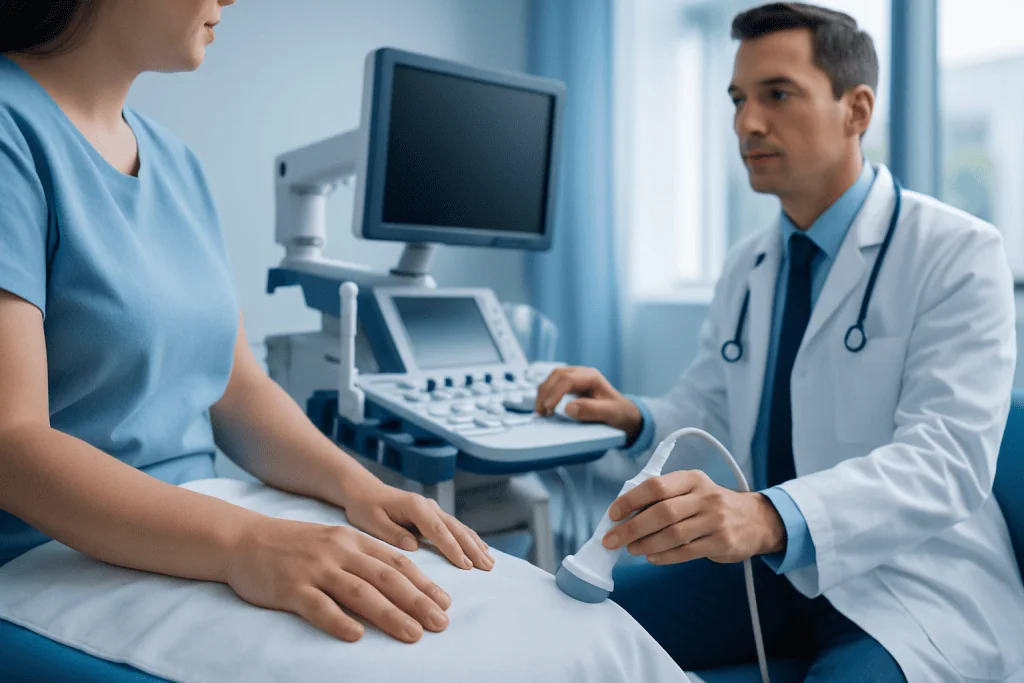
Examination may include checking the skin, joints, circulation, sensation, range of motion and the pattern of swelling. If there is concern about injury, arthritis, a mass or tendon-related disease, imaging such as an X-ray, ultrasound or MRI may be considered. Blood tests may be appropriate when a systemic cause is suspected.
A specialist’s goal is not only to assess cosmetic suitability but also to rule out a condition that requires medical treatment. For example, inflammatory joint symptoms may need assessment and management rather than cosmetic contouring. If surgery is being considered, photographs, measurements and a discussion of realistic outcomes may form part of planning.
When to Seek Medical Care
Medical assessment is advisable for finger swelling that lasts, recurs frequently, affects only one side, or interferes with using the hand. It is also appropriate to seek advice before pursuing any procedure described as finger fat moval, especially if the appearance has changed recently.
Urgent medical care is needed if a finger becomes suddenly very painful, pale, blue, cold, numb, severely swollen, or difficult to move. Prompt assessment is also important after an injury, bite, puncture wound or burn, and when redness, warmth, fever or drainage suggests possible infection.
Acibadem International’s multidisciplinary specialists and JCI-accredited hospitals assess hand concerns and provide appropriate medical or surgical care for international patients. The right pathway depends on the cause of the fullness, the person’s health and the need to protect normal hand function.
Frequently asked questions
Is finger fat moval a common procedure?
No. Finger fat removal is not a commonly performed standard cosmetic procedure because fingers contain delicate nerves, vessels, tendons and joints. A specialist should first determine whether the concern is due to normal anatomy, fat distribution or swelling from another cause.
Can liposuction make fingers thinner?
Liposuction is generally not a routine treatment for the fingers. The amount of removable fat is limited, and the risks of unevenness, scarring, numbness and functional problems may outweigh potential cosmetic benefit for many people.
Why do my fingers look bigger in hot weather?
Heat can widen blood vessels and contribute to temporary fluid retention, making fingers look puffy and rings feel tighter. This often improves with cooling, hydration, gentle movement and time, but persistent or painful swelling should be assessed.
Can exercise remove fat from my fingers?
Exercise cannot selectively remove fat from the fingers. General physical activity and nutrition habits can support overall health and body-weight management, while hand exercises may improve strength and flexibility rather than change finger fat specifically.
How can I tell if finger swelling needs medical attention?
Seek medical advice when swelling is persistent, worsening, one-sided, painful or associated with stiffness, redness, warmth, numbness or reduced movement. Urgent care is needed for sudden severe pain, a cold or discolored finger, signs of infection, or swelling after trauma.
What should I expect at a consultation for slimmer fingers?
A clinician will review your health history, examine the hands and ask about the timing and pattern of fullness. They may recommend treating an underlying condition, using non-surgical measures, or deciding that a cosmetic procedure is not appropriate based on safety and likely benefit.
References
- American Society of Plastic Surgeons
- American Society for Surgery of the Hand
- National Institute of Arthritis and Musculoskeletal and Skin Diseases
- Mayo Clinic
- National Health Service
This article is for general information only and is not a substitute for professional medical advice. Please consult a qualified doctor about your individual situation.
Joint and spine care in Turkey — expert assessment & treatment
JCI-accredited · board-certified surgeons · reply within 24h
Add us as a Preferred Source to see more of our trusted health content across Google Search, AI Overviews and Discover.