Flatback — Explained by Medical Evidence, Not Myths
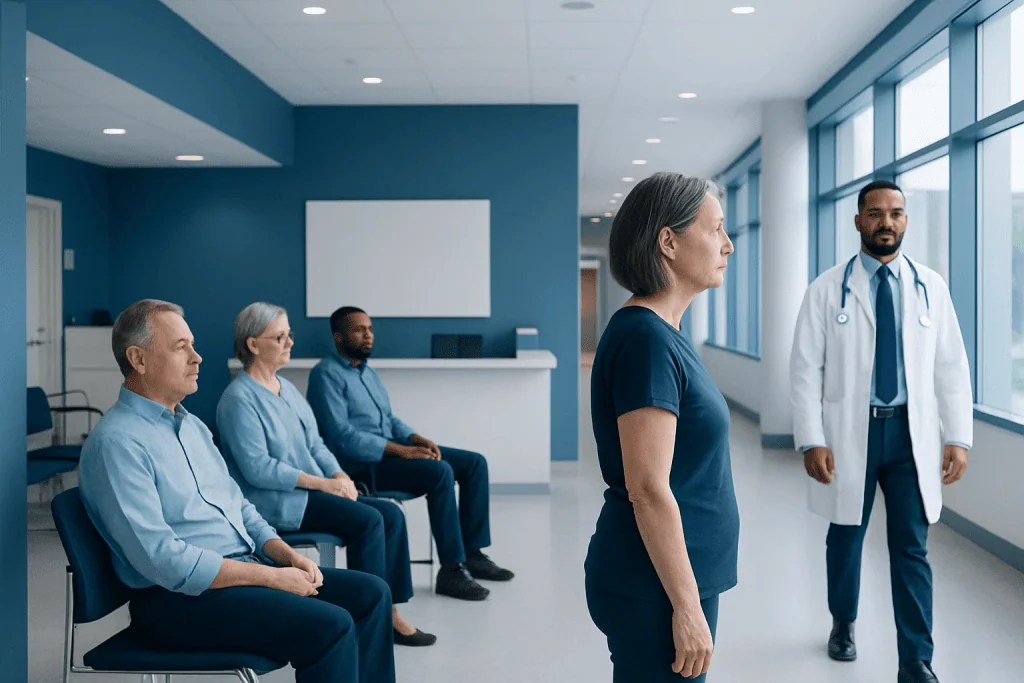
Flatback describes reduced lumbar lordosis and may lead to forward stooping, especially during standing or walking. It is different from simply having poor posture; structural spinal changes, muscle weakness, arthritis, or previous spinal surgery may contribute.
Key Takeaways
- Flatback describes reduced lumbar lordosis and may lead to forward stooping, especially during standing or walking.
- It is different from simply having poor posture; structural spinal changes, muscle weakness, arthritis, or previous spinal surgery may contribute.
- Diagnosis considers symptoms, physical examination, standing spinal X-rays, and the body’s overall sagittal balance.
- Non-surgical care, including targeted physical therapy and pain management, is often considered first when symptoms are mild or moderate.
- Urgent medical assessment is important for new weakness, numbness in the saddle area, or loss of bladder or bowel control.
Flatback is a spinal alignment problem in which the lower back loses some or all of its normal inward curve, called lumbar lordosis. It may cause pain, fatigue, and a forward-leaning posture, but many people can improve symptoms with appropriate assessment, rehabilitation, and, in selected cases, surgery.
Flatback: what it means
Flatback is the commonly used term for a reduced inward curve in the lumbar spine, the lower part of the back. A healthy spine is not perfectly straight when viewed from the side: the neck and lower back curve inward, while the upper back curves outward. These curves work together to keep the head balanced over the pelvis and allow efficient standing and walking.
When lumbar lordosis is reduced, the trunk may shift forward. The body often tries to compensate by tilting the pelvis backward, bending the knees, or extending the hips. This is sometimes called sagittal imbalance. Flatback can be a structural spinal condition, but a person may also appear temporarily “flat-backed” because of pain, muscle spasm, or guarded posture. A clinical assessment helps distinguish these situations.
Flatback syndrome generally refers to flatback that causes meaningful symptoms or difficulty maintaining an upright posture. It is not a diagnosis based on appearance alone. Some people have a reduced lumbar curve on imaging but have little or no pain or functional limitation.
How flatback may feel in daily life
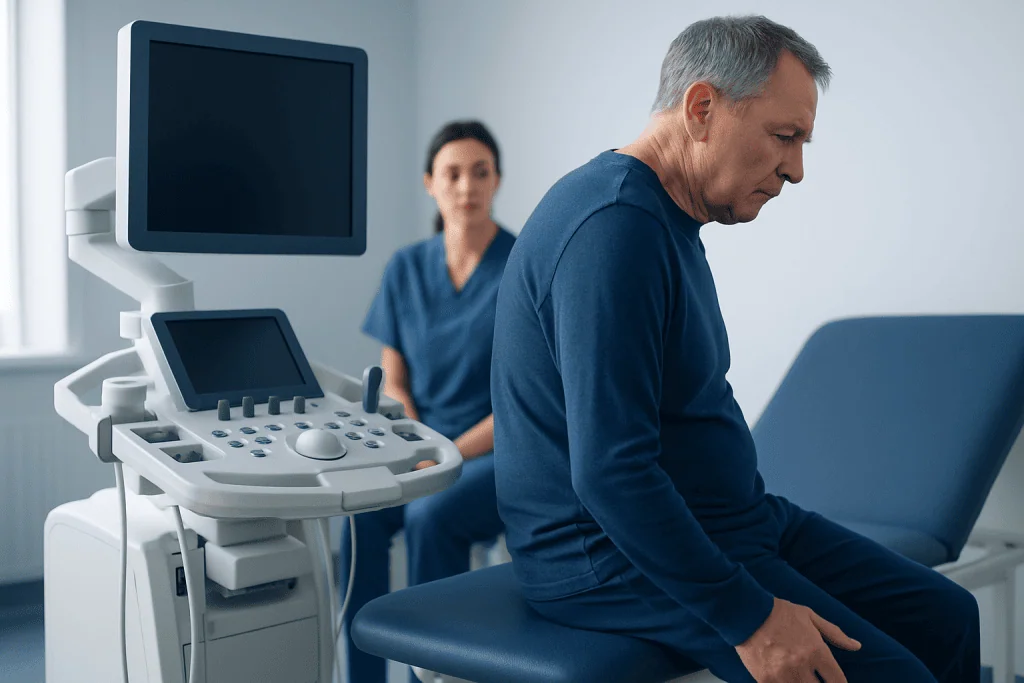
The most characteristic concern is difficulty standing fully upright for long periods. A person may notice that they lean forward more as the day progresses, particularly while walking, shopping, cooking, or waiting in line. Sitting, leaning on a support, or bending the knees may briefly feel more comfortable because these positions reduce the effort required to hold the body upright.
Symptoms vary with the underlying cause and the degree of imbalance. Common concerns include aching in the lower back, tiredness in the back or buttock muscles, hip discomfort, stiffness, and reduced walking endurance. Some people develop pain between the shoulder blades or in the neck because the upper spine and neck work harder to keep the gaze level.
If a nerve is narrowed or irritated, symptoms may include pain travelling into a buttock or leg, tingling, numbness, or weakness. These symptoms are not caused by flatback in every case; conditions such as spinal stenosis, disc disease, or hip disorders can produce similar complaints. A clinician can evaluate the full pattern rather than attributing all back symptoms to posture.
- Forward-leaning posture that worsens with standing or walking
- Back fatigue that improves with rest or sitting
- Difficulty looking ahead without straining the neck
- Reduced walking tolerance or need for support
- Leg symptoms when a spinal nerve is also affected
Causes and factors that can contribute
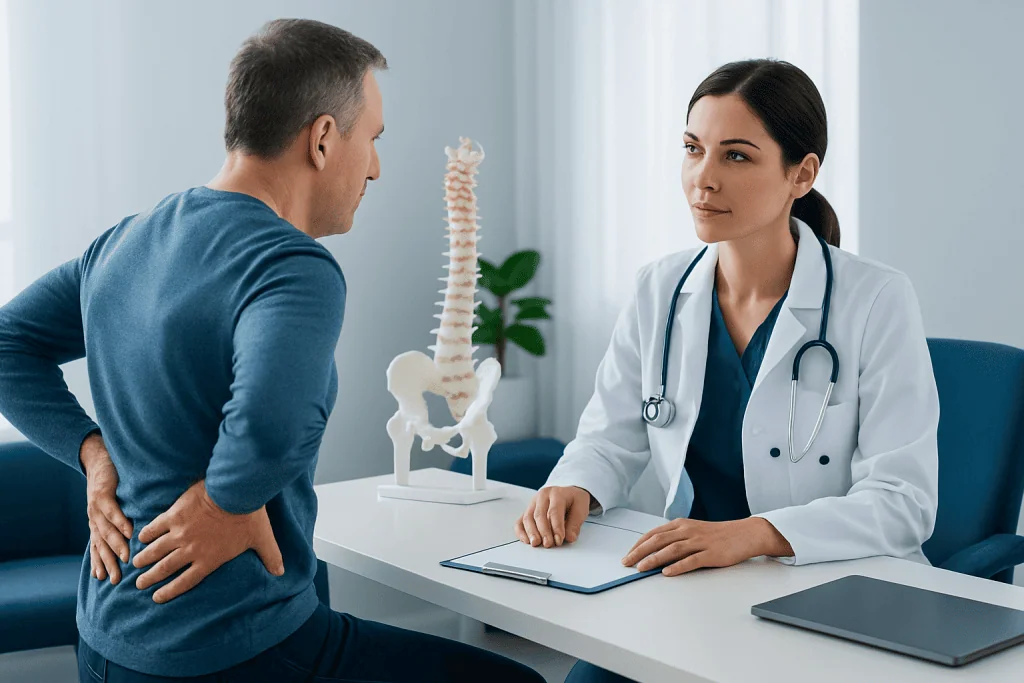
Flatback can develop for several reasons. Age-related changes in the discs and joints of the spine may gradually reduce lumbar lordosis. Degenerative disc disease, arthritis of the small spinal joints, vertebral compression fractures, and weakening of spinal extensor muscles can each affect alignment. Osteoporosis raises the risk of vertebral fractures, which can alter posture and should be assessed promptly when back pain begins suddenly after a minor fall or strain.
Previous spinal fusion surgery is another recognized cause. Older surgical techniques sometimes used straighter rods or fused the lower spine without restoring enough lumbar lordosis. This can leave the spine less able to maintain balanced alignment. Modern surgical planning places strong emphasis on the relationship among the spine, pelvis, and head, although alignment problems can still occur in some circumstances.
Less commonly, inflammatory spinal disease, neuromuscular conditions, congenital spinal differences, or certain hip and pelvic conditions contribute to a flatback posture. Tight hip flexor muscles may also encourage a forward-flexed stance, while weak trunk and hip muscles may make compensation harder. These factors do not necessarily mean that a person has a fixed spinal deformity.
Flatback should not be blamed on poor posture alone. Habitual slouching can contribute to discomfort and muscle fatigue, but it does not usually explain a persistent structural loss of lumbar curvature. A thorough evaluation is important before assuming that exercises or posture correction alone will resolve the problem.
How clinicians assess flatback
Assessment begins with a discussion of symptoms, daily limitations, previous injuries, bone health, medical conditions, and any past spinal operations. The clinician may ask how far the person can walk, whether symptoms improve when sitting, and whether there are leg symptoms or changes in bladder or bowel function. Understanding what activities matter most to the individual helps guide treatment decisions.
During examination, clinicians observe posture from the side and back, gait, balance, hip movement, and the ability to stand upright. They also assess spinal flexibility, muscle strength, sensation, reflexes, and signs of nerve involvement. The examination may identify compensations such as bent knees, pelvic tilt, or hip extension.
Standing full-length spinal X-rays are commonly used to measure spinal curves and overall sagittal alignment while the person is bearing weight. These images can show degeneration, fractures, prior implants, or differences in pelvic alignment. MRI may be recommended if nerve compression, spinal canal narrowing, infection, tumor, or soft-tissue problems are suspected. CT can be useful when detailed bone or fusion assessment is needed.
Imaging findings are interpreted alongside symptoms, not in isolation. Many spinal changes are seen in people without major pain, and treatment is based on the person’s function, goals, neurological findings, and the likely cause of the alignment change.
Treatment options: from rehabilitation to surgery
Treatment is individualized. For people with manageable symptoms and no progressive neurological problem, non-surgical treatment is often the first approach. A physiotherapist can design a program that focuses on spinal extensor endurance, abdominal and hip strength, hip flexibility, balance, and safe movement strategies. The aim is not to force the spine into a painful position, but to improve support, function, and confidence with daily activity.
Other non-surgical options may include activity modification, heat or cold for short-term symptom relief, and clinician-guided pain medicines when appropriate. Treatment for osteoporosis may be important when low bone density or vertebral fractures are present. In selected cases, injections may help clarify or temporarily relieve pain from inflamed joints or compressed nerves, though they do not correct a fixed spinal alignment problem.
Surgery may be discussed when there is severe, disabling imbalance, progressive deformity, persistent pain despite suitable non-surgical care, or nerve compression causing significant symptoms. Procedures vary considerably and can involve decompression, revision of earlier fusion, spinal fusion, or carefully planned correction of spinal alignment. These are major decisions requiring detailed imaging, assessment of overall health and bone quality, and a realistic discussion of potential benefits, recovery, and complications.
People considering complex spinal reconstruction may benefit from review by a multidisciplinary spine team. Acibadem International’s multidisciplinary specialists at JCI-accredited hospitals assess and treat spinal conditions for international patients, with care plans based on the individual’s symptoms, alignment, and general health.
Supporting the back and protecting long-term function
Regular, tolerable movement is usually preferable to prolonged bed rest for most mechanical back symptoms. Short walks, paced activities, and a gradual increase in endurance can reduce deconditioning. A rehabilitation professional can suggest modifications for work, household tasks, and exercise so that symptoms are not repeatedly aggravated.
Maintaining bone health is also relevant, particularly for older adults and people with fracture risk. Adequate nutrition, weight-bearing activity when safe, avoiding smoking, moderating alcohol intake, and discussing osteoporosis screening with a clinician can all support skeletal health. People with known osteoporosis should seek advice before beginning a new strenuous exercise program.
Simple ergonomic changes can help some people conserve energy. These may include taking regular breaks from standing, using a supportive surface or mobility aid when advised, keeping frequently used items within easy reach, and avoiding repeated heavy lifting with twisting. A brace is occasionally considered for a specific purpose, but prolonged unsupervised use may weaken trunk muscles and is not suitable for everyone.
No exercise, brace, supplement, or posture device can reliably reverse every structural case of flatback. Online programs that promise to “restore” spinal curves quickly should be viewed cautiously. A clinician or physiotherapist can help identify goals that are safe and meaningful for the individual.
When to seek medical care
A medical review is appropriate when back pain, forward stooping, or fatigue while standing lasts for several weeks, limits walking or work, or gradually worsens. Evaluation is also sensible for a new change in posture after a fall, for persistent pain in someone with osteoporosis, or for symptoms that begin after spinal surgery. Early assessment can identify treatable causes and help avoid unnecessary loss of activity.
Urgent medical care is needed for new or worsening leg weakness, numbness around the genitals or inner thighs, or new inability to control bladder or bowel function. These can be signs of serious nerve compression and require prompt evaluation. Severe back pain accompanied by fever, unexplained weight loss, a history of cancer, or significant trauma should also be assessed without delay.
Most cases of back discomfort are not emergencies. However, an accurate diagnosis is especially important when posture changes are progressive or when pain affects sleep, mobility, or independence. A primary care clinician, orthopedic spine specialist, neurosurgeon, or physical medicine and rehabilitation specialist can help determine the next appropriate step.
Frequently asked questions
Is flatback the same as bad posture?
No. Bad posture can cause temporary discomfort or a slouched appearance, but flatback may involve a measurable reduction of the lumbar spine’s natural curve and altered overall alignment. A clinician can determine whether the posture is flexible and muscle-related or reflects a structural spinal condition.
Can flatback be corrected with exercise?
Exercise can improve strength, endurance, flexibility, balance, and comfort, particularly when muscle weakness or deconditioning contributes to symptoms. It cannot always restore a fixed spinal curve caused by advanced degeneration, fractures, or prior fusion surgery. A personalized physiotherapy plan is safer than trying to force the back into an uncomfortable position.
Does flatback always require surgery?
No. Many people are managed without surgery through rehabilitation, symptom management, treatment of contributing conditions, and adjustments to activity. Surgery is generally reserved for selected people with substantial disability, severe imbalance, progressive deformity, or significant nerve-related symptoms.
Can flatback cause leg pain?
Flatback itself can increase strain on muscles and joints, but leg pain, tingling, or weakness more often suggests associated nerve irritation or compression. Conditions such as spinal stenosis or disc degeneration may occur alongside alignment changes. New or worsening neurological symptoms should be medically assessed.
How is flatback diagnosed?
Diagnosis combines a medical history, physical examination, and standing spinal X-rays that show the spine under normal weight-bearing conditions. MRI or CT may be used when more detail is needed about nerves, discs, bone, fractures, or previous spinal fusion. Imaging results are considered together with symptoms and daily function.
Can flatback occur after spinal fusion?
Yes. Flatback can occur when a fusion leaves insufficient lower-back curvature or when alignment changes develop above or below a previous fusion. It does not happen after every spinal operation, and modern planning aims to preserve or restore balanced alignment. Anyone with increasing stooping or fatigue after spine surgery should discuss it with their surgical team.
References
- American Academy of Orthopaedic Surgeons
- North American Spine Society
- National Institute of Arthritis and Musculoskeletal and Skin Diseases
- Scoliosis Research Society
- National Institute for Health and Care Excellence
This article is for general information only and is not a substitute for professional medical advice. Please consult a qualified doctor about your individual situation.
Joint and spine care in Turkey — expert assessment & treatment
JCI-accredited · board-certified surgeons · reply within 24h
Add us as a Preferred Source to see more of our trusted health content across Google Search, AI Overviews and Discover.

More from the Health Library

Bloated Stomach and Feeling Sick and Tired Female: A Complete Medical Overview

Eczema: Itchy Skin Flares, Triggers, and Long-Term Skin Care

Yellow Poop: What Patients Need to Know

Cold Sores and Herpes Simplex — Explained by Medical Evidence, Not Myths

Stool Hardener: A Complete Medical Overview